Community mobilisation is a powerful force that can help drive positive change and embodies the principle of collective responsibility plus action.
By empowering communities to take ownership of pressing issues, such as sexual violence prevention, we unlock the transformative potential of collective action, where every individual then becomes an integral part of the solution.
The next phase of work for Atu-Mai – Le Va’s violence prevention programme – will utilise community mobilisation to stand together with community champions against sexual violence.
Community mobilisation efforts must be inclusive and culturally aware and, while Atu-Mai’s work will still focus on Pasifika people, there is also a new focus on tāngata Tiriti in Tāmaki Makaurau Auckland.
“We will be working closely alongside people and organisations active in this sector and looking to bring on board community champions and leaders who can influence change,” says Le Va’s senior manager- violence prevention, Paul Tupou-Vea.
The aim is to find sustainable solutions to violence that require active participation and collaboration with those most affected.
Together, we can address the root causes of violence by promoting education, awareness and dialogue and providing access to appropriate resources that communities can refer to and share.
The Atu-Mai team plans to hold a community mobilisation fono in June. The team looks forward to fostering closer partnerships with government agencies, non-government agencies and other stakeholders, as well as helping communities to leverage collective expertise and resources to drive meaningful change.
Despite ongoing challenges such as limited resources, entrenched social inequalities and resistance to change, we also know that it is often in the face of adversity that the resilience and determination of communities shine the brightest.
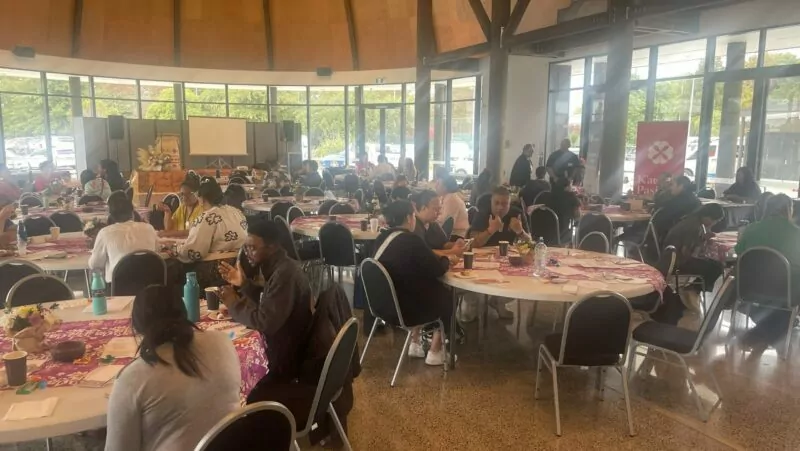
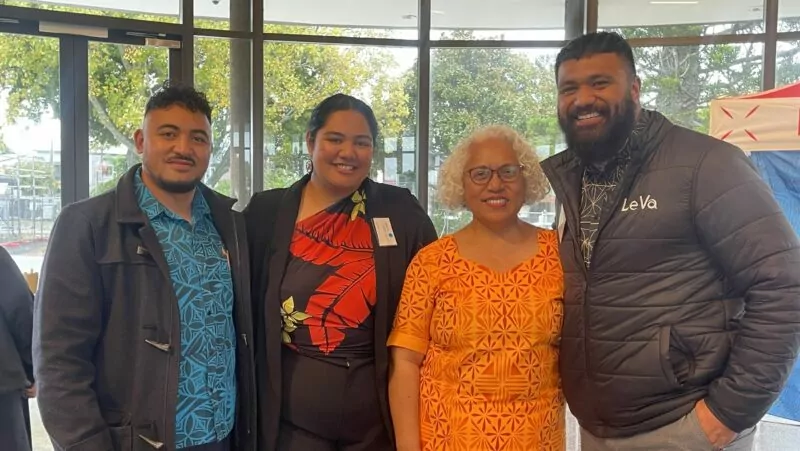
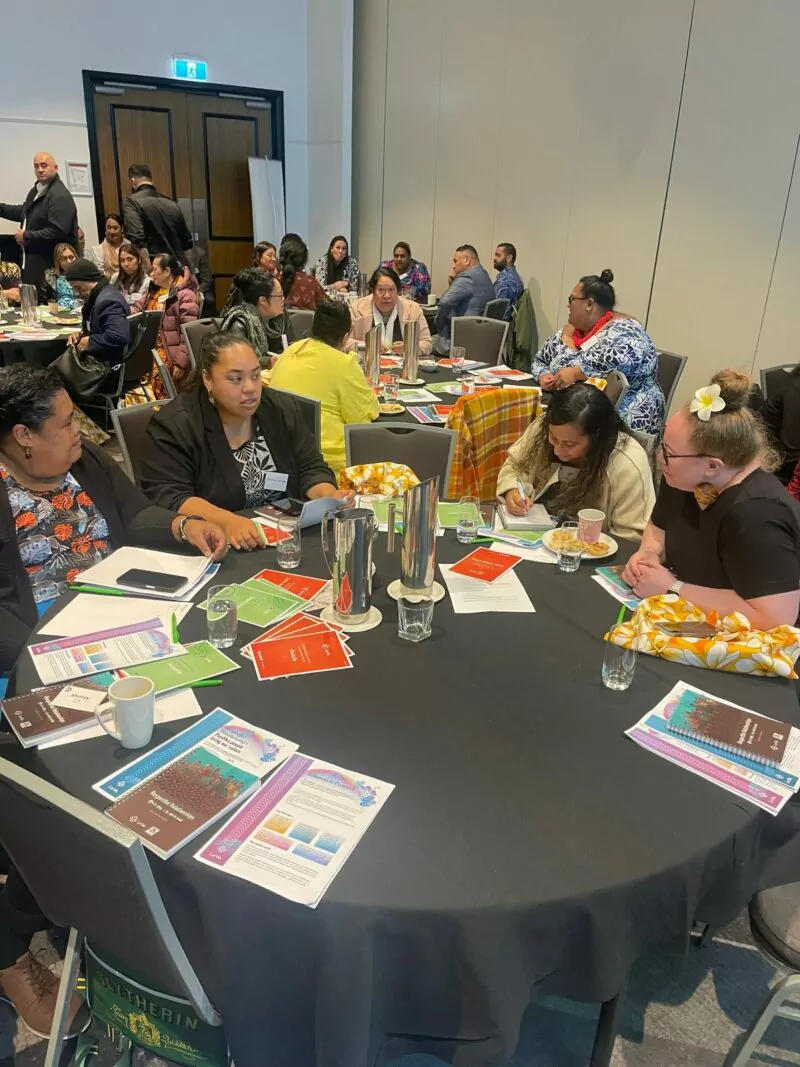
Members of Le Va’s Atu-Mai team joined other Pasifika practitioners working in the sexual violence and family violence sectors from all around the country at the one-day fono in Hamilton.
Representatives from Te Puna Aonui, Ministry of Justice, Ministry of Social Development, New Zealand Police, Department of Corrections and other community organisations also attended.
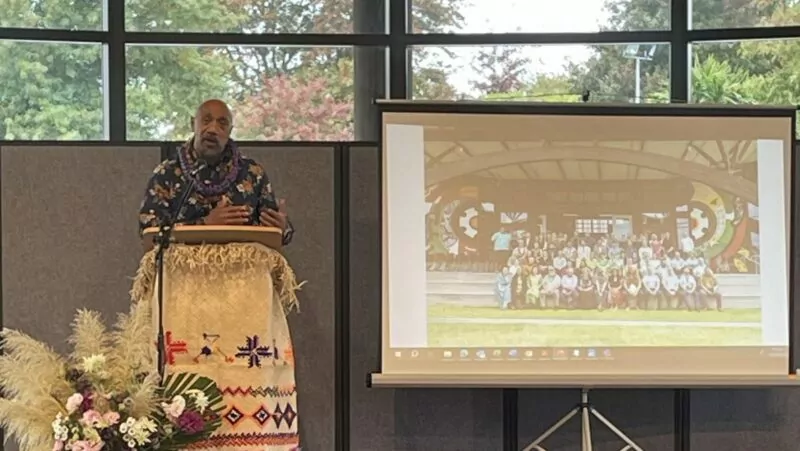
Guest speaker Fuimaono Karl Pulotu-Endemann – a renowned figure in Pacific health – shared valuable insights gained from more than 35 years of experience.
Fuimaono Karl talked about Pasifika cultural frameworks such as Fono-Fale, Sei Tapu: Clinical and Cultural Competency and the Tongan Kalisi Model.
These frameworks and others show the importance of merging clinical and cultural practices and demographic specific approaches to effectively address family violence and sexual violence within Pasifika communities.
Throughout the day, participants shared lived experiences, discussed practitioner wellbeing and presented programme updates within the context of Te Aorerekura – the government’s national strategy to eliminate family violence and sexual violence.
K’aute Pasifika’s fale building provided a safe space for practitioners to reconnect and share knowledge. While Atu-Mai’s focus is on violence prevention, it is important for us to understand the context and issues facing the wider sector.
The value of connecting with others to share knowledge, ideas and experiences helps everyone to work better together so Pasifika communities can thrive.
Learn more about Le Va’s violence prevention programme: Atu-Mai
According to United Nations’ statistics, violence against women and girls affects one in three. On 8 March, Le Va’s Atu-Mai team posted on social media for International Women’s Day, and it was inspiring to see how people around the world are choosing to mobilise others to be the change in their own communities.
It was also a reminder that our work in Aotearoa is part of wider global collective efforts to prevent gender violence. Here are a few examples:
- Le Va’s Atu-Mai programme in Aotearoa New Zealand uses community mobilisation to raise awareness, change mindsets, and equip Pasifika and Tangata Tiriti with appropriate resources, knowledge and skills to stand together against violence.
- A Fiji National Plan pioneered efforts in violence prevention against women and girls by taking a country-wide phased approach using five key strategies to address violence with robust monitoring and evaluation in place.
- In Nepal, The Story Kitchen worked to allow women to find their voice and share their narratives.
- Raising Voices in Uganda uses the SASA! Approach to help to mobilise communities.
- In Colombia, Fundación Mundubat focuses on indigenous women in rural and poorer areas to focus on prevention by challenging systems of patriarchy, racism and classism.
- Breakthrough Trust in India enables training on gender and human rights and utilises multimedia and social media interventions.
- Alafia is working to end a harmful widow practice in Togo, West Africa.
- Serbia’s Association Roma Novi Bečej increases public awareness of early and forced marriage.
- World Hope International in Cambodia supports service providers to help victims of gender violence.
- Al Shehab in Egypt focuses on survivors, including medical, legal, and psychological services.
Explore our Atu-Mai violence prevention programme to learn more about standing together against violence.
Le Va’s senior manager – violence prevention, Paul Tupou-Vea, said the Atu-Mai team is motivated to provide violence prevention support not only for communities and families across Tāmaki Makaurau, but also for anchor partners around the country.
“We’re pleased to have the opportunity to lead this work in the primary prevention space. Sexual violence is an uncomfortable topic, but it has significant, ongoing impacts on our communities. We are looking forward to approaching this issue with rigour and respect,” he said.
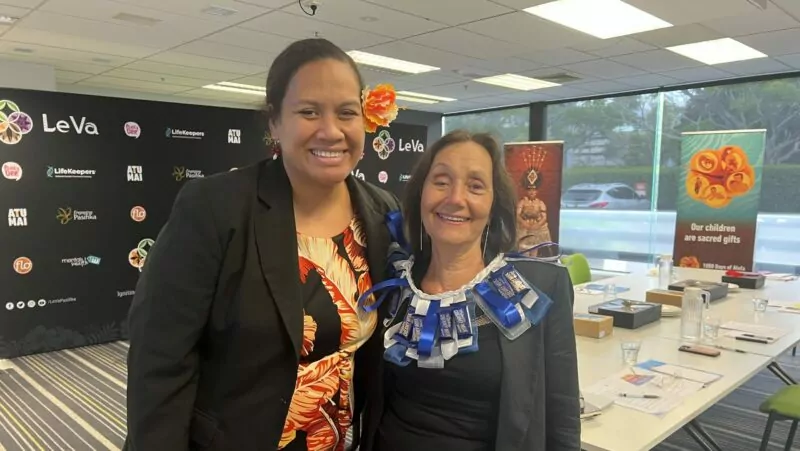
Le Va recently met with ACC’s Prevention Partnerships Lead, Melanie Turner and Māori Community Mobilisation Lead, Anita Albert to further our discussions. General manager, Dr Elizabeth Mati, said the ACC meeting was insightful for the new direction, given Atu-Mai has been running since 2018.
“We are grateful to ACC for supporting our previous Atu-Mai programme, allowing us to support our Pasifika communities to find their own solutions to stop violence before it happens.”
This approach is evident in Atu-Mai’s child sexual abuse prevention work, which resulted in 74 people taking part in nine focus groups to engage in a year-long consultation about issues and potential solutions to preventing abuse in our communities.
Le Va chief executive, Denise Kingi-‘Ulu’ave, says there is still more work to be done in violence prevention. She said, “Sexual violence against children is a taboo subject in many of our Pasifika communities. We want to ensure that all our children are safe and supported to live free from abuse and we urge the government to have the courage to address this issue head on.”
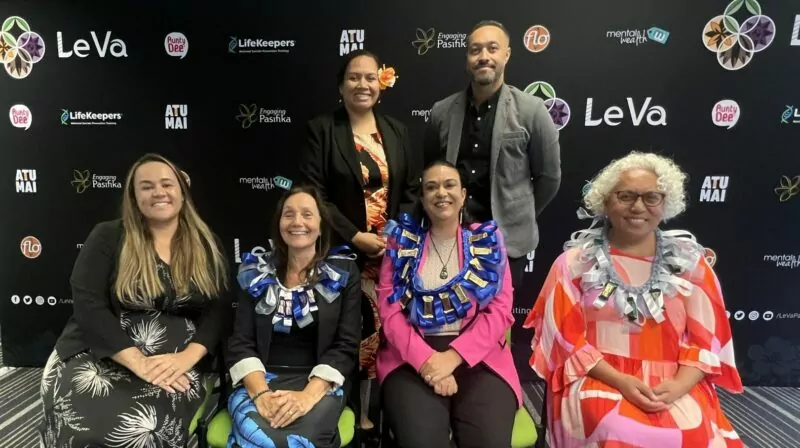
Hon Karen Chhour, the new Minister for the Prevention of Family Violence and Sexual Violence, also visited Le Va in February. She shared some of her views about the sector with the Atu-Mai team and outlined her priorities.
“I want to focus on core priorities we can work on as a sector, and I’m looking at prevention, critical care, disability and mental health,” said the Minister.
___________________________________________
To learn more about Atu-Mai, visit our violence prevention web pages.
In early 2023, Le Va strengthened its partnership with ACC, having worked together to equip Pasifika young people and their families with the knowledge and skills to live violence free since 2018.
As the foremost of sixteen partners, Le Va is spearheading a regional primary prevention initiative in Tāmaki Makaurau, anchored in ACC’s Manini Tua strategy.
General Manager of Le Va, Dr Elizabeth Mati, said, “Le Va will employ our expertise to cultivate community mobilisation for tauiwi in Tāmaki Makaurau. Our experience and partnerships mean we are well placed to offer valuable perspectives and insights on priorities and primary prevention of family and sexual violence.”
In her capacity as Minister for the Prevention of Family Violence and Sexual Violence, Hon Marama Davidson visited Le Va on 27 September to learn more about the joint efforts of the two organisations.
Joined by Kwain Auelua, ACC’s Injury Prevention Partnered Delivery Manager, and Liz Tanielu, Te Puna Aonui Chief Advisor – Pacific, they discussed the exciting future of Atu-Mai and the initiative’s continued impact.
Le Va’s Chief Executive, Denise Kingi-‘Ulu’ave, stressed to Minister Davidson the need to have a concerted focus on child sexual abuse. “Sexual violence against children is a taboo subject in many of our Pasifika communities. We want to ensure that all of our children are safe and supported to live free from abuse, and we urge the incoming government to have the courage to address this issue head on,” she said.
Following the talanoa session, Mr Auelua said he and his team had benefitted from learning alongside Le Va for more than five years. “Our relationship is the true definition of a relational partnership, we’ve moved from transactional to transformational.”
Dr Mati added, “We are grateful to ACC for funding our Atu-Mai programme and for supporting our Pasifika communities to find their own solutions to stop violence. We know that we must invest in primary prevention to stop harm before it begins, and today we took a significant step towards building safer communities.”

(L to R) Liz Tanielu, Hon Marama Davidson, Meg Laing
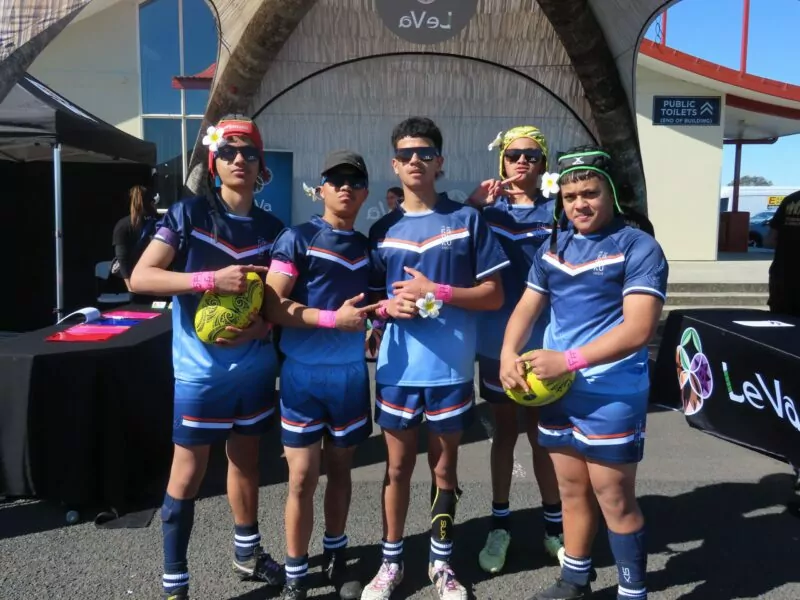
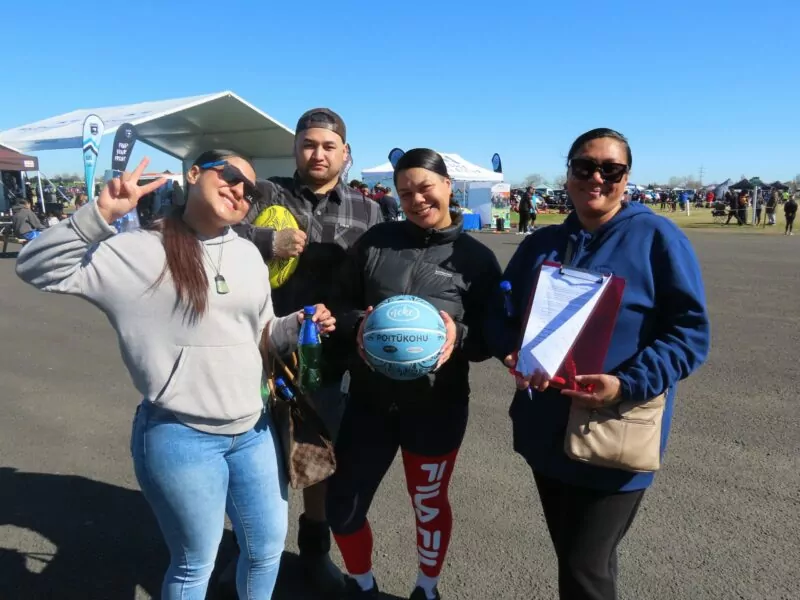
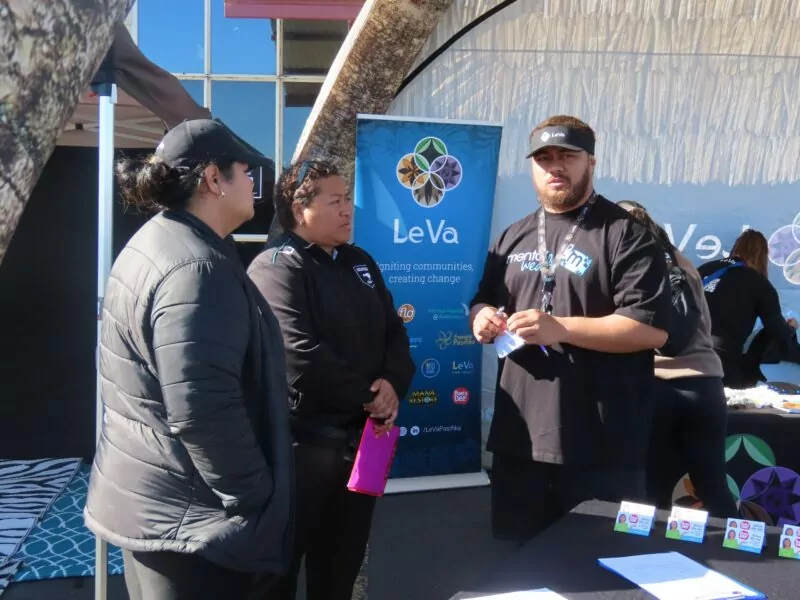
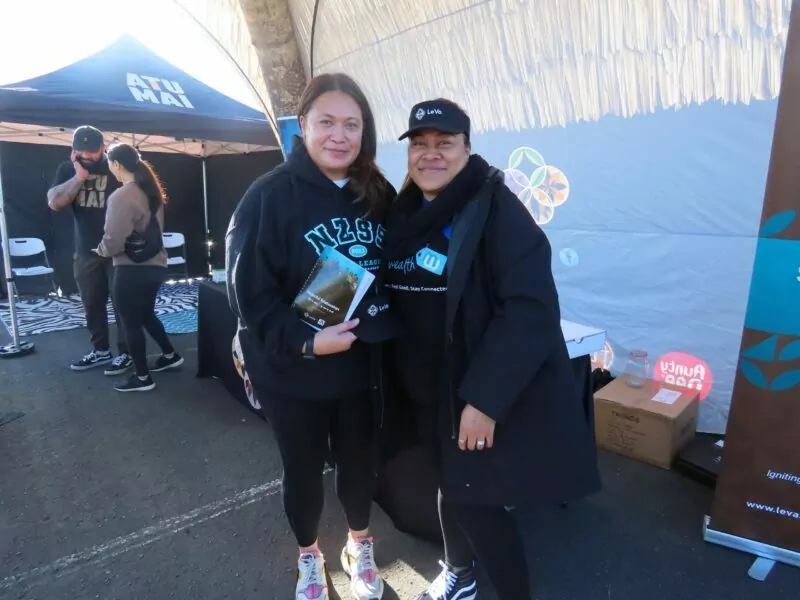
The tournament showcased some of the best young rugby league players from around the country and was a fantastic opportunity for Le Va to engage with Pasifika youth and their families to raise awareness of the importance of mental wellbeing.
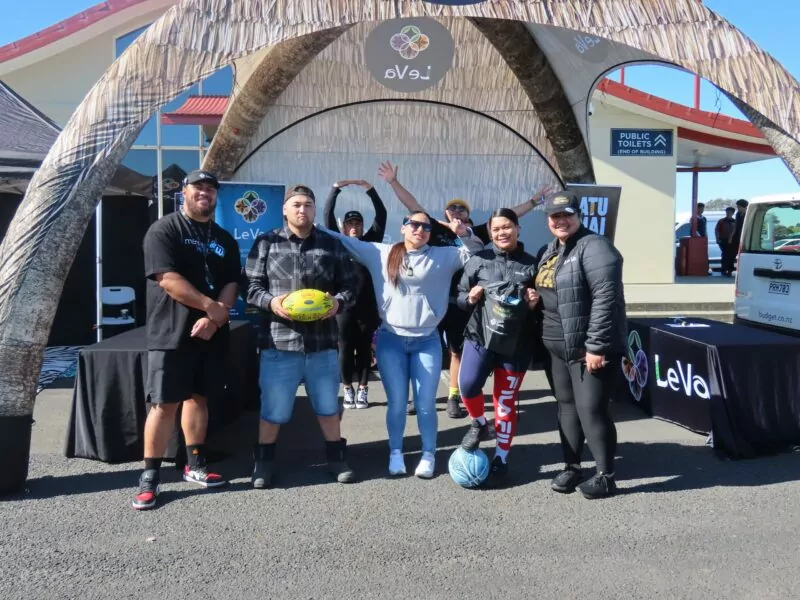
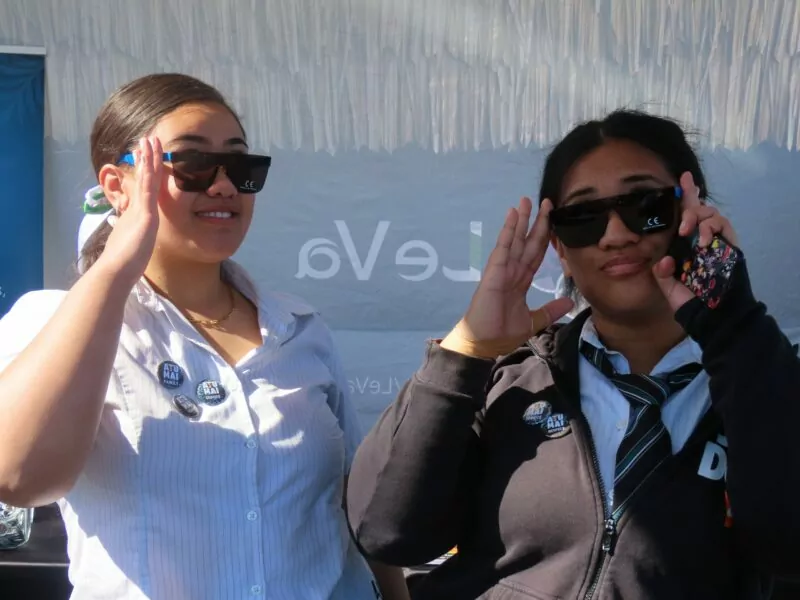
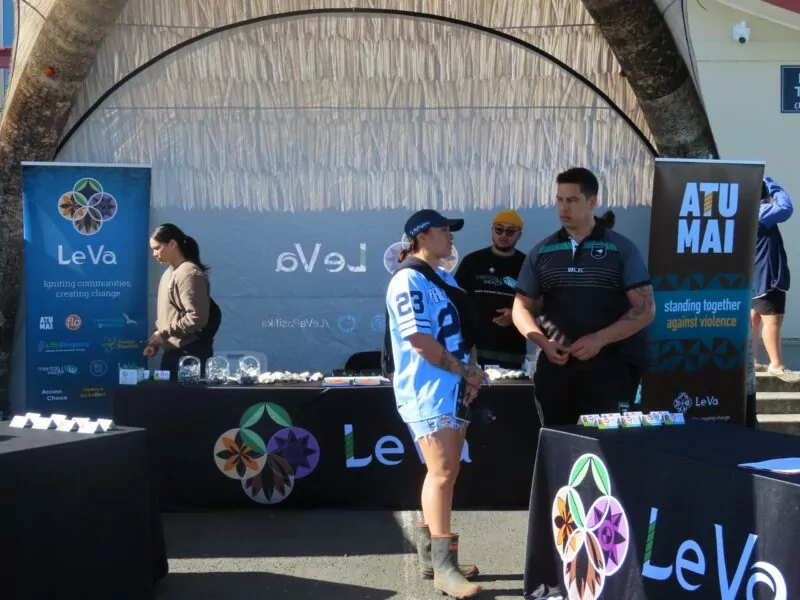
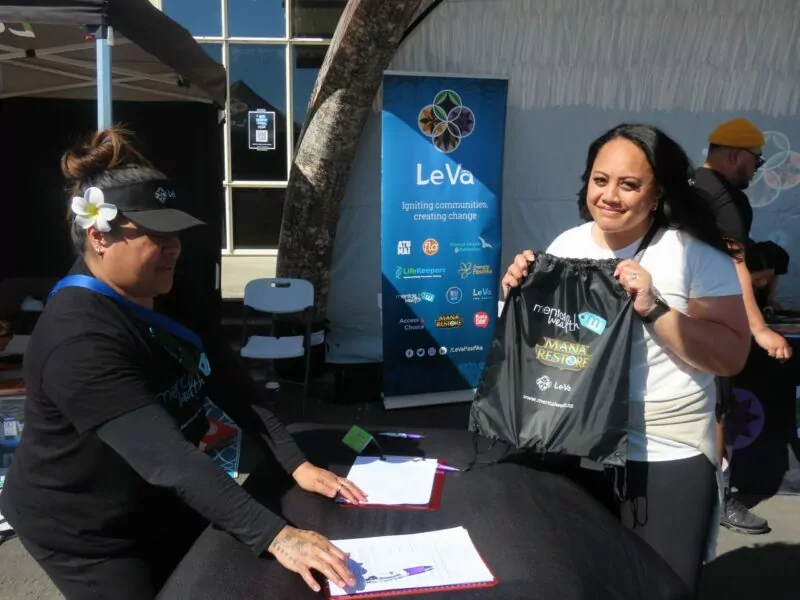
The event was well attended by the rugby league community and Le Va’s colourful inflatable fale was a drawcard for young people, who were attracted by our friendly staff and giveaways.
Creating community connections through meaningful engagement at sporting events is one way Le Va supports better health and wellbeing outcomes for our Pasifika people.
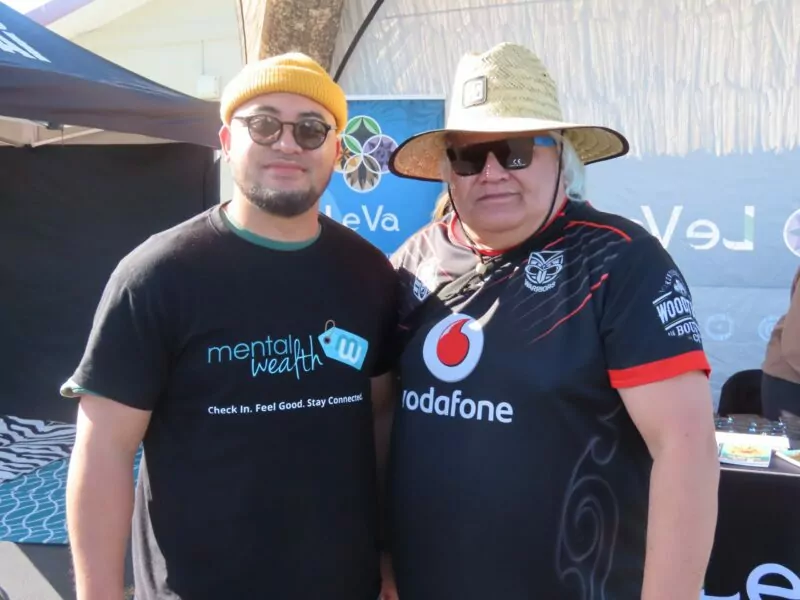
Our ongoing partnership with NZRL and the New Zealand Warriors rugby league team has allowed Le Va to share our messages more widely with a large audience, and to ensure we hear the voices of the community on how we can be of service.
Part of our purpose at the event was to engage with parents on the serious issue of child sexual abuse by conducting a survey to inform a needs analysis. The Atu-Mai team collected more than 100 parent surveys over the two days, with data to feedback into their research.
We greatly appreciated the chance to talanoa with parents, share our initial findings and hear their views on mental health and child sexual abuse. Many thanks to NZRL for inviting us to be part of the wellbeing hub at the event, alongside other organisations and healthcare providers.
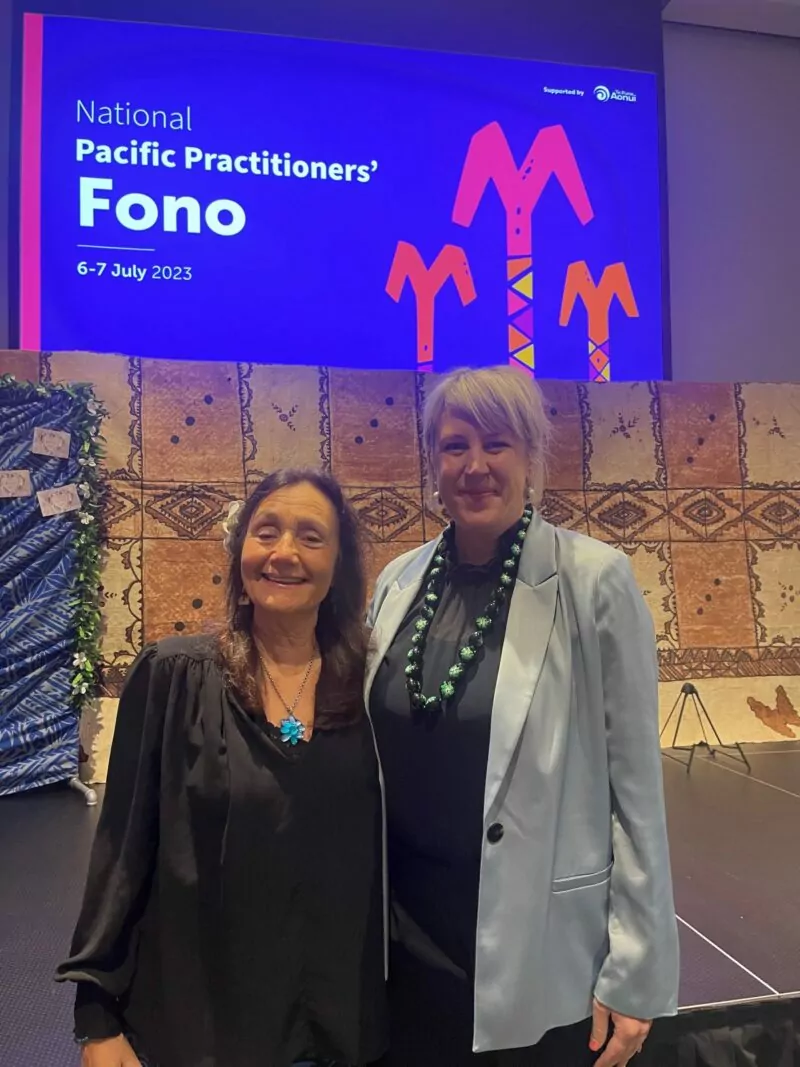
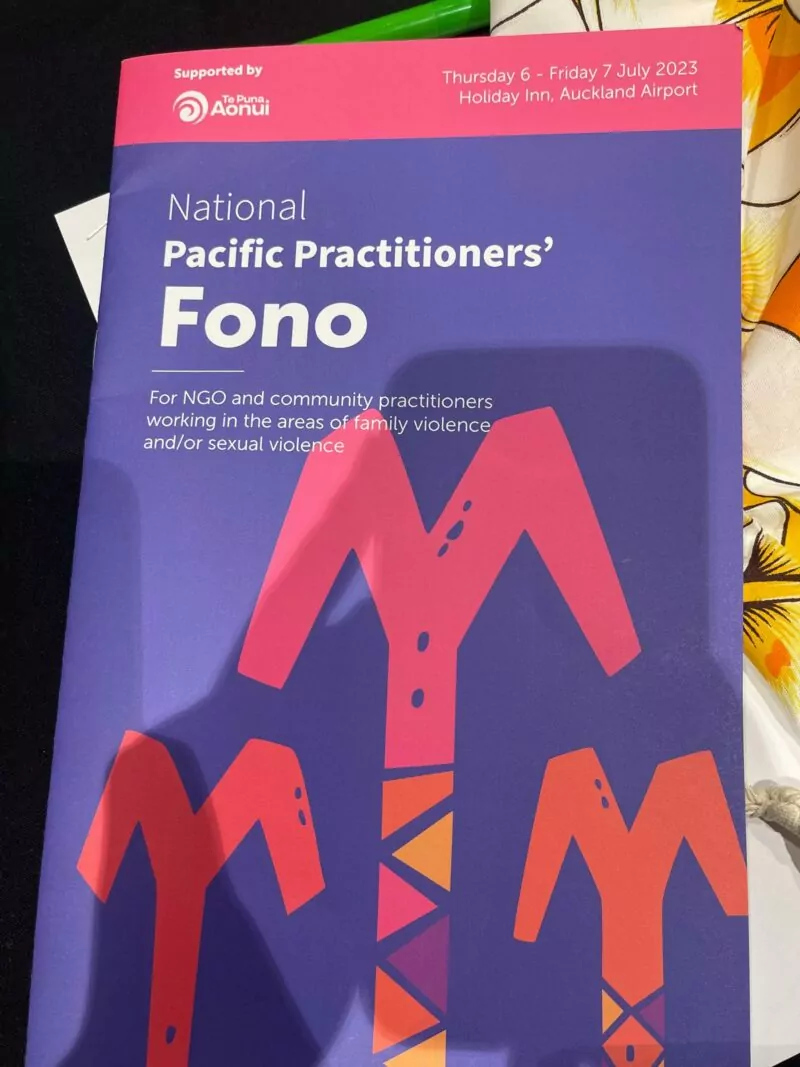
Le Va Chief Executive, Denise Kingi-‘Ulu’ave, and members of our Atu-Mai team were pleased to attend the inaugural National Pacific Practitioners FVSV Fono in Auckland in early July.
Organised by practitioners for practitioners, the focus of the fono was to build and strengthen connections amongst Pacific FVSV (family violence and sexual violence) practitioners and enable them to be better supported in their roles.
General manager of Le Va, clinical psychologist Dr Elizabeth Mati, delivered an insightful presentation on ‘Nurturing our children – preventing child sexual abuse in Pasifika communities’ at the two-day event.

Dr Elizabeth Mati
She spoke about Le Va’s Atu-Mai programme, which is a community-based violence and sexual violence prevention initiative designed to support Pasifika young people, families, and communities to experience safe, healthy, and respectful relationships.
In Aotearoa, evidence shows that Pasifika young people experience high rates of family violence, sexual harm and suicide attempts. Atu-Mai takes a strengths-based approach to bring about positive change.
Le Va developed the programme to equip Pasifika young people and their families with the knowledge and tools to live violence-free. The name Atu-Mai is based on the Cook Islands proverb ‘Aro’aatu, i te aro’a mai – love given, love received’.
Learn more about our Atu-Mai programme.
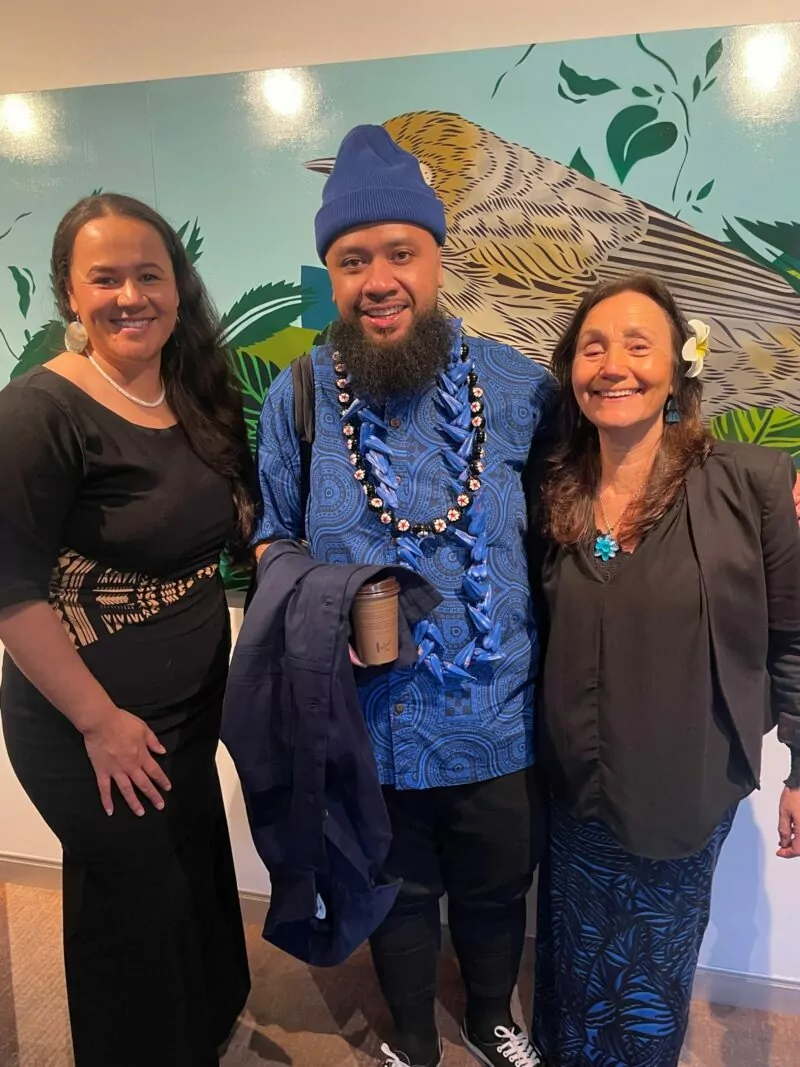
Le Va was honoured to receive a COVID-19 Response Recognition Award in June from Prime Minister Chris Hipkins for its ACC-funded #CatchYourself initiative.
During the COVID-19 outbreak and subsequent lockdowns of 2020 and 2021 in Aotearoa New Zealand, Le Va led an innovative online campaign to help people deal with the impacts of isolation.
Le Va’s leadership recognised that times of great stress and uncertainty, combined with the unprecedented physical isolation caused by the pandemic, could lead to a rise in mental distress, domestic violence, and longer-term social issues for families and communities.
Informed by international evidence and research, the Le Va team developed culturally appropriate digital resources and tools to help people manage their frustrations and maintain respectful relationships within their ‘bubbles’.
Promoted on social media channels with the taglines ‘Respect your bubble’ and ‘Trouble in your bubble?’, the #CatchYourself resources were designed to address a range of potential stressors. These included job insecurity and loss, financial pressures, scarcity of food or other supplies, and increased time spent at home.
The videos and factsheets used an education-based approach to provide information to help families manage the stresses of lockdowns and then transition smoothly back to school and work when restrictions were lifted.
Le Va’s #CatchYourself resources have now been revised to reflect the impacts of crisis events outside of COVID-19, such as the extreme weather events of 2023 and the ongoing cost of living crisis.
You can explore the #CatchYourself suite of practical resources and information on our website: #CatchYourself
Afamasaga’s approach to parenting has changed. He is more conscious about the way he speaks, and more intentional about how he responds to his son. Through the lessons shared at the fono, he has developed a healthier relationship with his family. The wider benefits of his parenting journey has also included reconnecting with his father.
What I like most about the fathers fono, is the open discussions and just good old fashioned talanoa. It enlightened my train of thought for my own personal growth as a new father. It has also helped me want to reunite with my biological father. – Afamasaga
He is now giving more praise and encouragement to his child, who is more engaged in playful learning. By honing his new skills in active listening and supporting routines, his child is more receptive to calm instructions and loving bed-time routines.
To join us at Fathers Fono, register your interest at Events Registration – Le Va
Published with permission from Anauli Karima Fai’ai, Reporter/Director TPP
A new programme called the Fathers Fono is connecting Pasifika dads to combat family violence in response to alarming statistics that show Pacific children are two times more likely to experience physical punishment and sexual harm than any other ethnic group in New Zealand.
Basketball coach Peter Josephs is never afraid to show who’s boss on the court. But at home, it’s a different story.
“Putting yourself at the head of the house, these types of things. Putting yourself at the top, ‘I’m the head of the home’ — no, I believe I am a part of my house, I am a part of my household,” he says.
Now he’s determined to relay that message to other Pasifika dads.
“What the real question is, what is a good Dad and what does that look like? I don’t know. I just know that hitting your kids isn’t helping, so let’s stop that and figure it out from there, you know.”
Statistics show Pacific kids are two times more likely to experience sexual harm and family violence than any other ethnic group in New Zealand.
The ACC has been on the offensive to reduce family violence by taking a prevention approach.
“Most people don’t wake up wanting to harm somebody,” says James Whitaker.
“When violence is reduced and people don’t offend as often, then that’s a good thing, but it’s even better if it doesn’t happen in the first place. That’s ideal, you know. We want to prevent it in the first place.”
As part of their strategy, they’ve provided funding for Le Va to create the Atu-Mai violence prevention programme for Pacific communities.
“They’re encouraging people to talk about things that are quite hard to talk about. If you’re being vulnerable and you’re discussing these things that ride into you and your family, that’s a brave thing to do.”
Under the Atu-Mai banner exists a forum specifically for Pacific dads called the Fathers Fono, which was created earlier this year.
Charles Lavea has been a senior project manager for Atu-Mai since July.
“The development within our children, we wanted to work with fathers in that area and also the development of their roles as fathers in their household and in their communities,” he says.
With Auckland in level 3 lockdown, the role of the Fathers Fono has become even more crucial.
“When people are in a lockdown situation, they might be feeling more stressed than usual, you know, and they’re around their family and that can cause even more of a risk,” says James.
“I think we would see in the statistics there’s a big spike during Covid around violence, and so on the fono, we really want to highlight that and really talk about these topics, because we feel the more we shed light on it, the more we raise awareness. And so we really want to start conversation so that it ripple effects into our communities,” says Charles.
Role models like Peter have jumped on board to help with the programme. He says his upbringing in Ōtara and being raised by his Grandad has helped him to connect with other dads in the fono.
“As a young kid, he used to hit me, but then in his older years when my kids were born and I was being quite hard — like I was telling them ‘you better not do that’ — he was just like, ‘Don’t talk to your kids like that.’ And I was like, ‘What you talking about?’ and he was like, ‘Don’t hit your kids. I was wrong. It will take their confidence away,’” he says.
“When I go out into our communities, it’s just a different vibe with our children. A lot of them have their heads down, shoulders shrunk. That type of submissive stance with a lot of our islanders, that’s still there, and I do feel that the physical discipline is a part of it — not the whole thing but it is a part of it,” he says.
Through the Fathers Fono, Peter is hoping he will make a difference.
“Not everyone’s house is the same; not everyone’s relationships are the same; not everyone’s kids are the same, so it’s important to have many voices that can give you a perspective that will speak to everybody.”
“I think it’s good for Le Va to have lots of perspectives around, even though we’re pushing the same message.”
Where to get help
Safe to Talk sexual harm helpline: 0800 044334, text: 4334, email: support@safetotalk.nz
Hey Bro helpline – supporting men to be free from violence 0800 HeyBro (439 276)
Family violence information line to find out about local services or how to help someone else: 0800 456 450
Oranga Tamariki line for concerns about children and young people: 0508 326 459, email: contact@ot.govt.nz1737,
Need to talk? Free call or text: 1737 for mental health support from a trained counsellor
Youthline: 0800 376 633, free text: 234, email: talk@youthline.co.nz

Le Va is part of the Wise Group. Copyright ©2026
