Mental Health and Wellbeing Strategy: Le Va’s wishlist
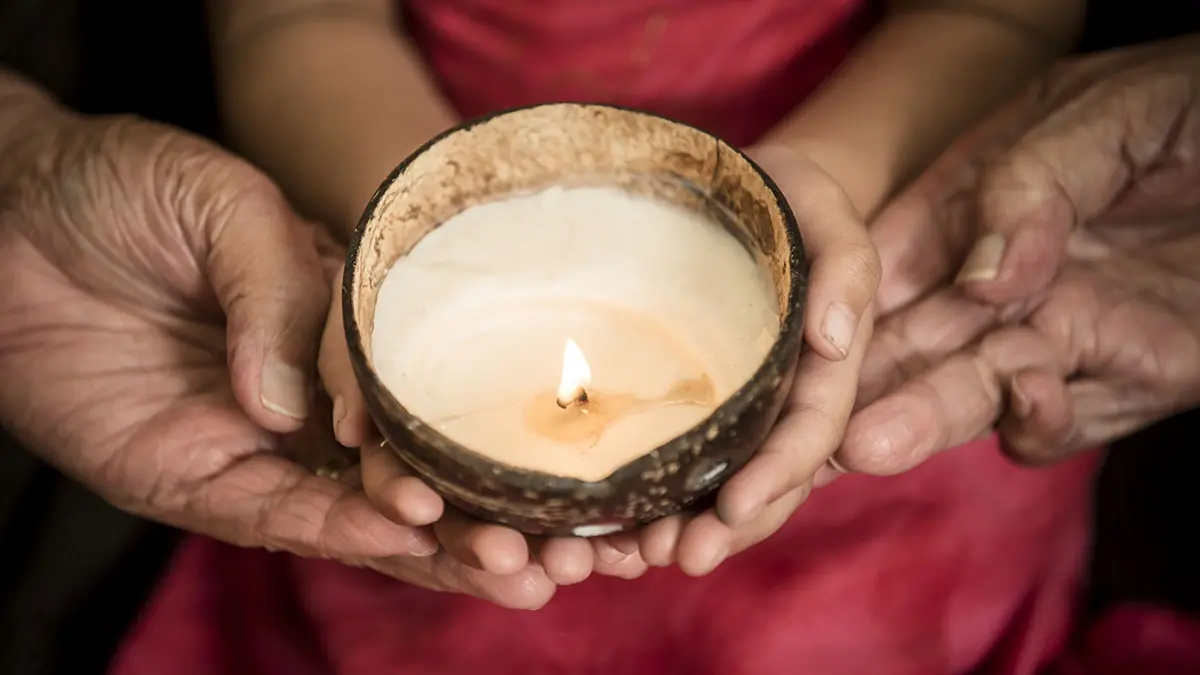
Le Va is a national Pacific organisation committed to supporting people of the moana to unleash their full potential and have the best possible health and wellbeing outcomes.
Le Va welcomes the Government’s forthcoming Mental Health and Wellbeing Strategy as an opportunity to reimagine how we can better serve all New Zealanders. We see it as a pivotal moment that could move Aotearoa beyond crisis response, towards a primary prevention approach grounded in culture, community and care.
Pacific communities in Aotearoa deserve a strategy that reflects the strengths and aspirations of our people – a strategy that addresses systemic inequities while affirming the importance of collective wellbeing, cultural identity and community leadership. To support all people to thrive, the strategy should include a deep understanding of what matters to Pacific people.
Le Va presents the following ten priorities to guide a mental health and wellbeing strategy that creates meaningful and lasting change for our people.
1. Uphold Te Tiriti with genuine partnership
Embed genuine partnership at the heart of the strategy
Tangata whenua are Indigenous to Aotearoa New Zealand. As Tagata Moana, we advise that Te Tiriti o Waitangi must underpin the strategy. Giving effect to the intent of Te Tiriti, through genuine and mana-enhancing relationships with tangata whenua, is essential to the credibility, legitimacy and effectiveness of any mental health and wellbeing strategy in Aotearoa.
2. Nothing about us without us
Include Pacific voices in every decision
The strategy should recognise and value Pacific leadership and genuine power sharing in all spaces (governance, leadership, frontline and community). It should commit to meeting the unique needs and aspirations of Pacific people, representing Pacific worldviews, knowledge frameworks and approaches within the strategy and its implementation.
3. Prioritise prevention to protect future generations
Invest early, take action upstream, and protect communities from crisis
The strategy should prioritise primary prevention by addressing the root causes and risk factors of mental health and addiction challenges. It should focus on supporting young people, families and communities early, before challenges emerge, and strengthening protective factors across the life course.
4. Value Pacific models of mental health and wellbeing
Embrace collective care and holistic wellbeing
Pacific approaches to wellbeing are relational, spiritual, cultural and collective. Aotearoa’s mental health and wellbeing strategy should embrace holistic models of health that reflect Pacific worldviews and lived realities. A strategy grounded in these dimensions will better enable Pasifika peoples to thrive, and ensure services are both culturally safe and meaningful.
5. Solutions lie within our communities
Let communities lead the solutions – they know what works
Our communities already hold the knowledge and solutions to support their own wellbeing. The strategy should ensure direct investment that enables community leaders and organisations to design, deliver and sustain effective mental health initiatives by communities, for communities. It should place decision-making power and funding directly into the hands of the people.
6. Close the cultural digital divide
Make resources accessible to everyone, everywhere, any time
The strategy should provide a clear mandate and pathway for culturally-grounded innovation, including digital tools and services that also reach Pacific communities. It should include a plan to reach those in greater need of tools and enable better access, in ways that are scalable, safe and culturally resonant.
7. Pacific is not one experience
Honour diversity within Pacific communities
Pacific communities are diverse, and Pacific people who are also Rainbow+, disabled or have lived experience of mental distress often face additional barriers to culturally safe and accessible care. The strategy should recognise the different experiences of Pacific people designed to respond to these intersecting realities, rather than assuming a single Pacific experience.
8. Youth voices matter
Include youth to help shape their future
The strategy should actively centre Pacific youth voices and leadership. Pacific young people bring critical insight into what works for their wellbeing. Co-design processes must be accessible, culturally grounded and safe, ensuring initiatives and services reflect the realities, strengths and aspirations of Pacific young people.
9. Grow a culturally safe and capable workforce
Nurture cultural safety to effectively support our community
A culturally safe and competent mental health workforce means better outcomes for Pacific people. The strategy should prioritise the growth of the Pacific mental health and addiction workforce, with early investment and recruitment through to leadership development and retention. It should also ensure the mainstream workforce is equipped to deliver culturally safe, responsive care that strengthens trust and improves access, experiences and outcomes for Pacific communities.
10. Back the strategy with action, funding and accountability
Turn promises into action with investment, implementation and accountability
A strategy without dedicated investment and action is merely a promise. To deliver meaningful and lasting change, the strategy should be reinforced by long-term funding and clear implementation timeframes. This includes defined milestones, measurable outcomes and transparent reporting to ensure Pacific priorities are included and fully realised. Anything less risks repeating cycles of hope without change.
Related stories
Le Va is back and bringing the energy to Polyfest 2026
March 18, 2026


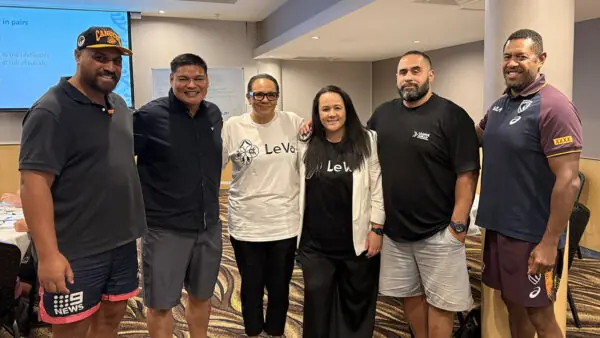
Across the Tasman: Strengthening NRL wellbeing through Mānava Ola
February 9, 2026
Related Workshops and Training
Healing Centred Care for Pasifika
Supporting the workforce with knowledge and skills to work with Pasifika people who have experienced trauma.
Tu Tonu: Cultural Case Formulation
An enhanced level training for registered healthcare professionals working within Pasifika Access & Choice services.
Navigating Mental Health
This workshop aims to equip the Access and Choice workforce with the knowledge and skills to recognise and respond to mental health challenges encountered in Pasifika Primary Mental Health and Addiction (PPMHA) services.