The vision of the Matua Collective as a trusted source of Pacific cultural wisdom, supervision, mentoring and leadership support is exactly what our workforce needs.”
Sisilia Tuna Kaimanu Tiseli, Pacific Cultural Advisor – Kari Centre ICAMHS
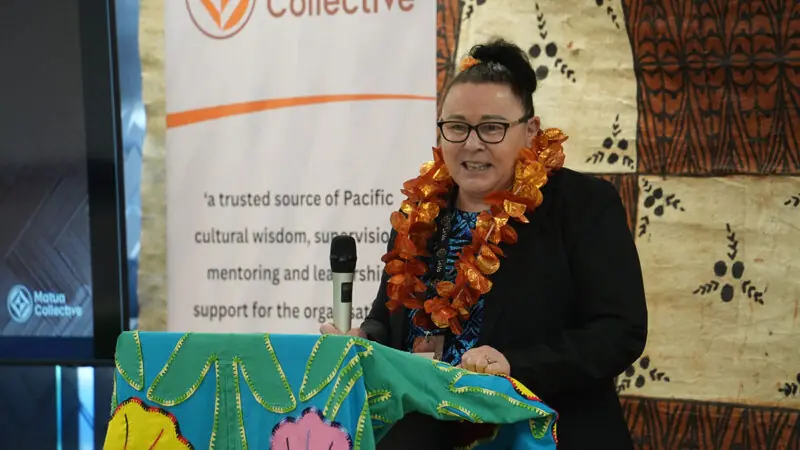
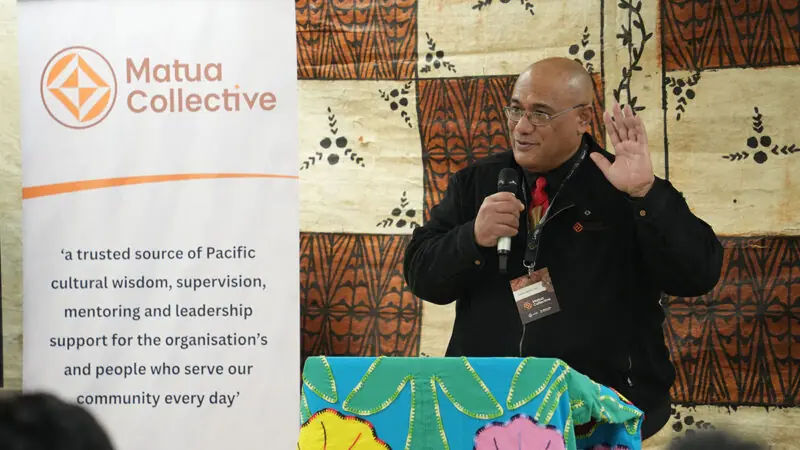
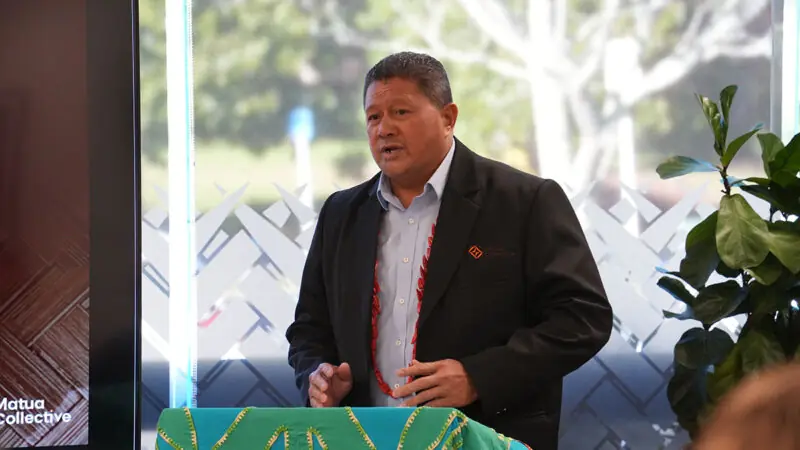
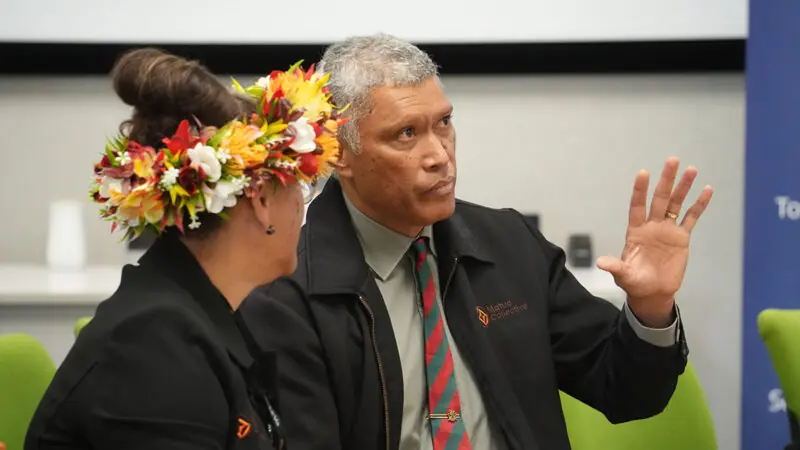
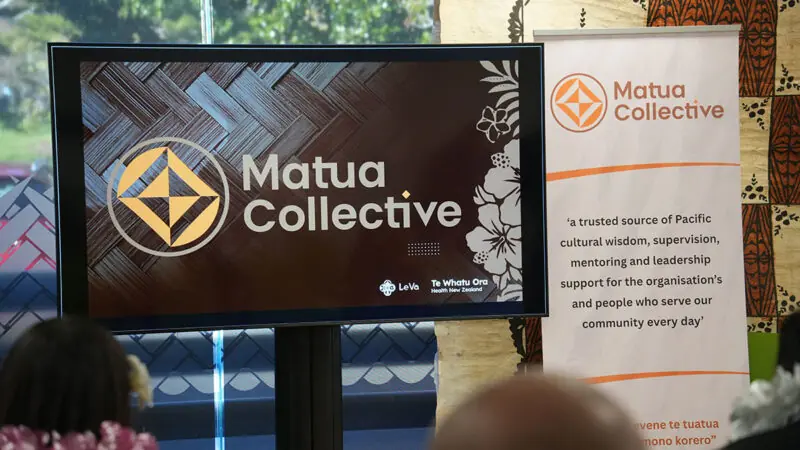
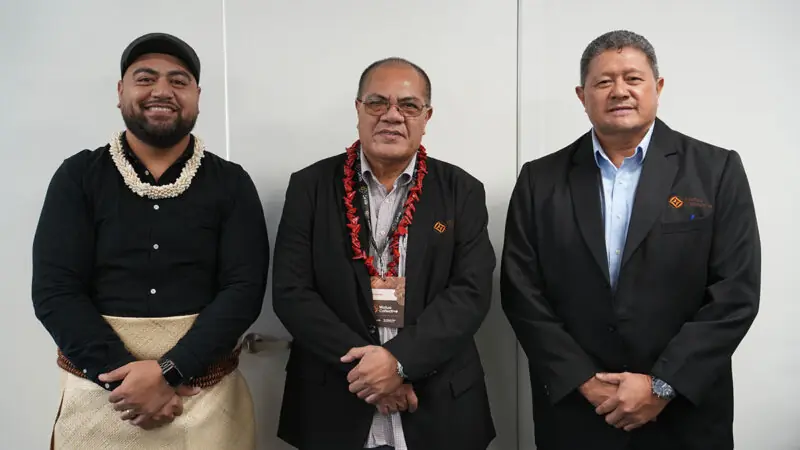
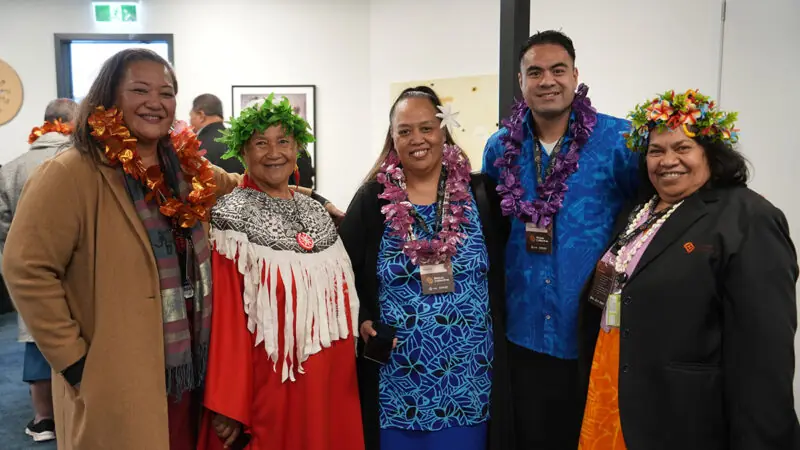
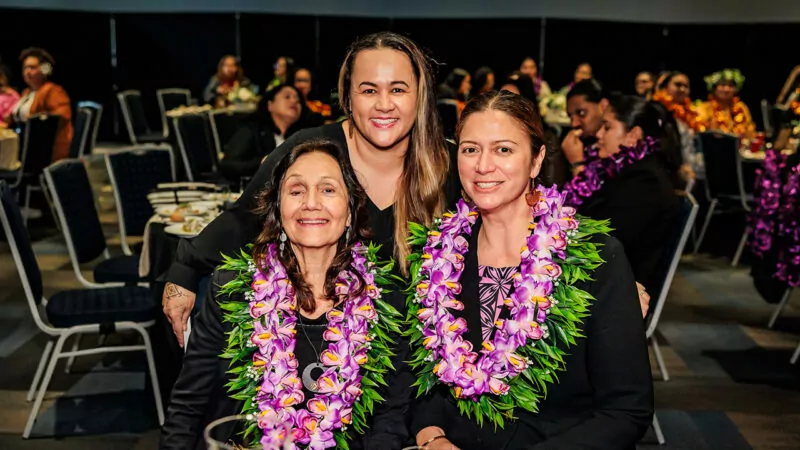
Le Va, alongside Te Whatu Ora, supported the launch of the renewed Matua Collective at the end of June, recognising the importance of strengthening Pacific-led leadership and cultural wisdom to improve health and wellbeing outcomes for Pacific peoples.
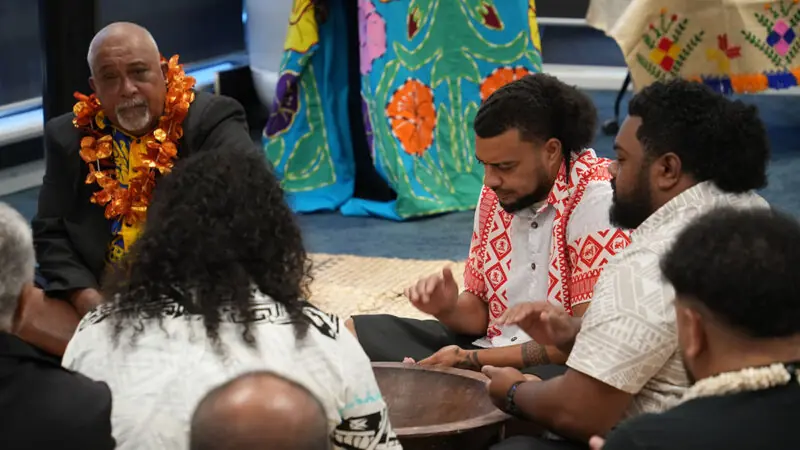
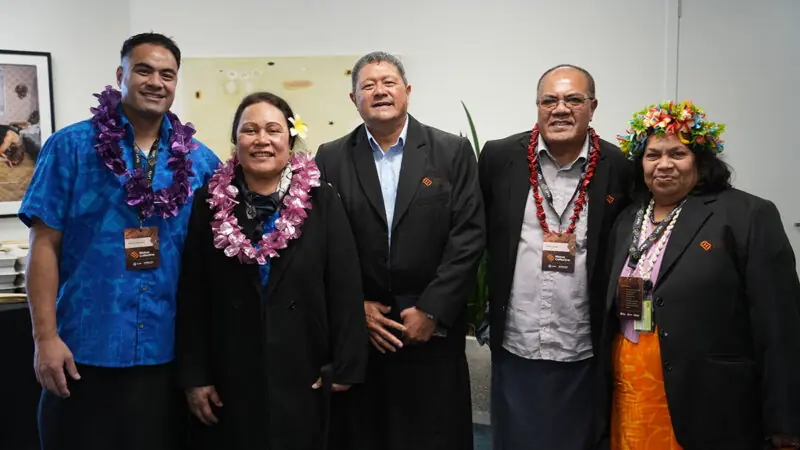
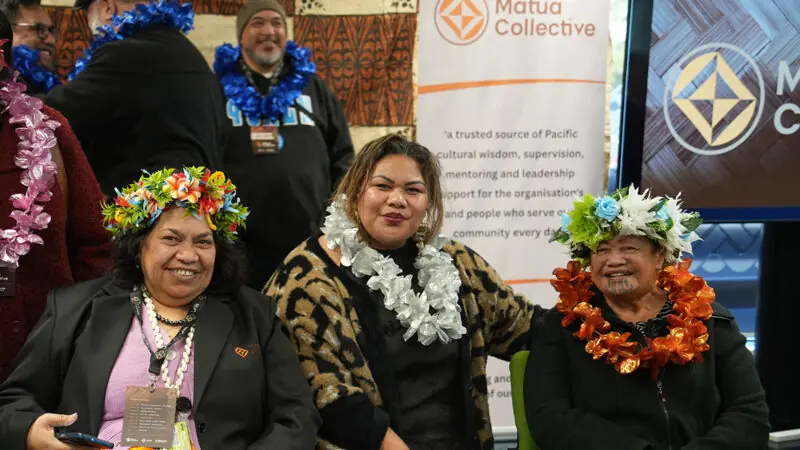
The launch event brought together sector partners, community leaders, health providers, churches and Pacific champions around a shared vision for stronger, thriving Pacific communities.
It was an inspiring day – a time to reconnect, strengthen relationships and recognise that lasting change begins with trust, grows through solesolevaki (working together for the collective good), and is shaped by mahani hakohako (integrity) at every step.
But most of all, it was an opportunity to honour the matua – the elders and leaders whose decades of tautua (service), leadership and advocacy paved the way for everyone in the room.
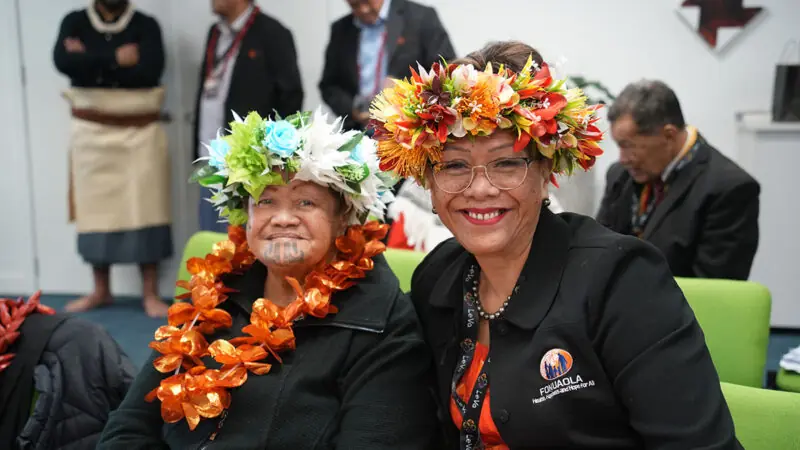
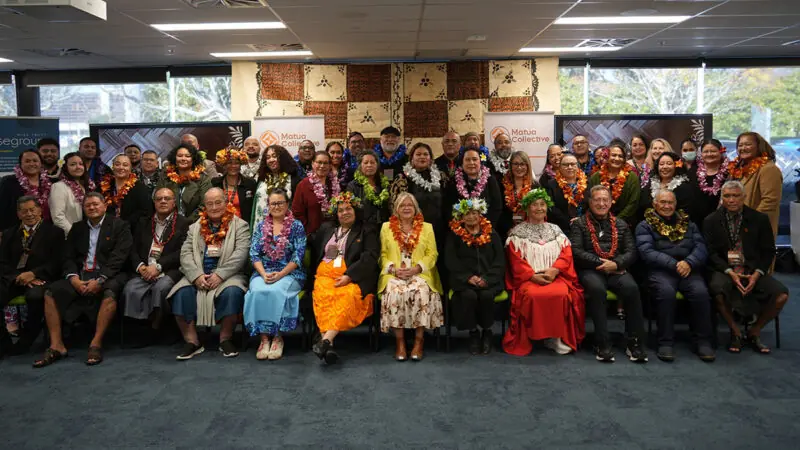
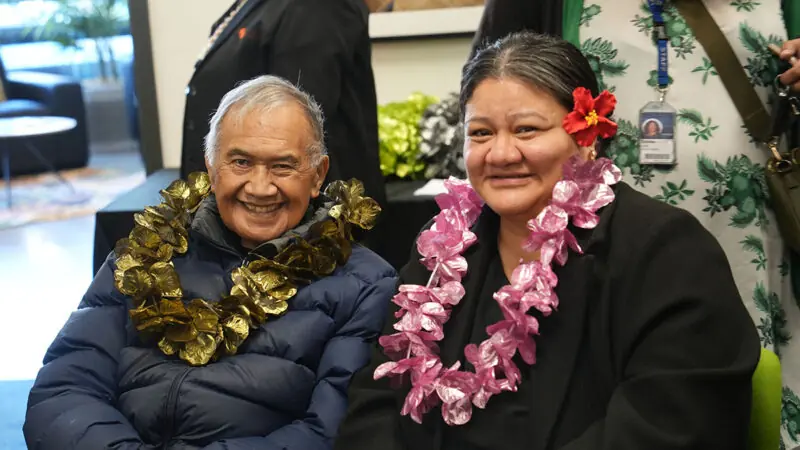
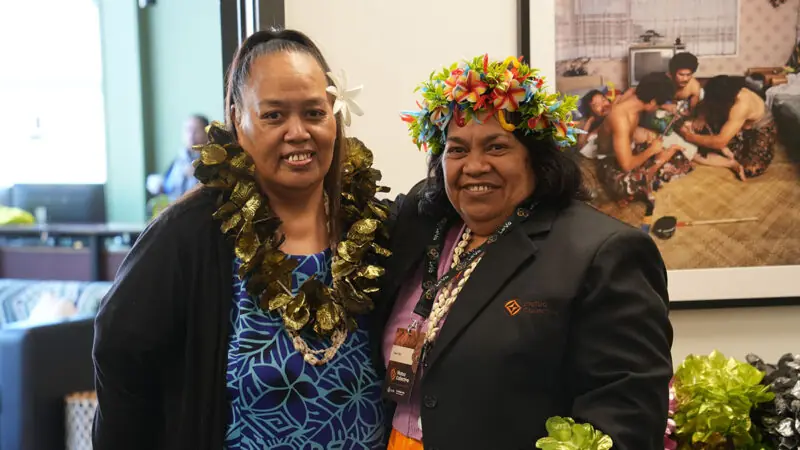
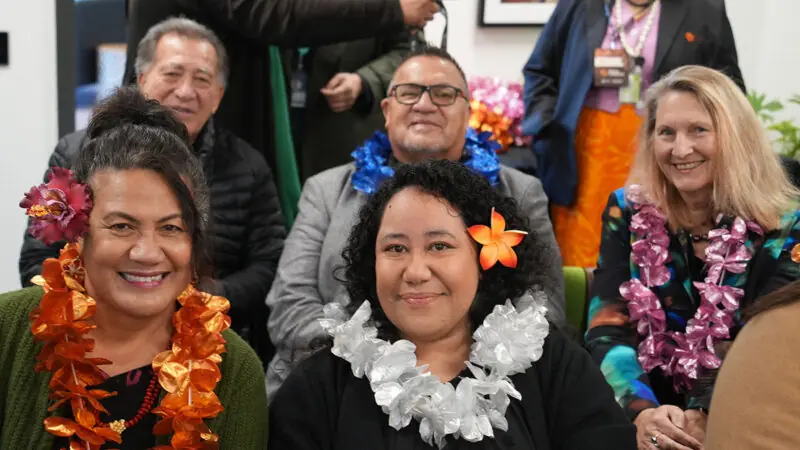
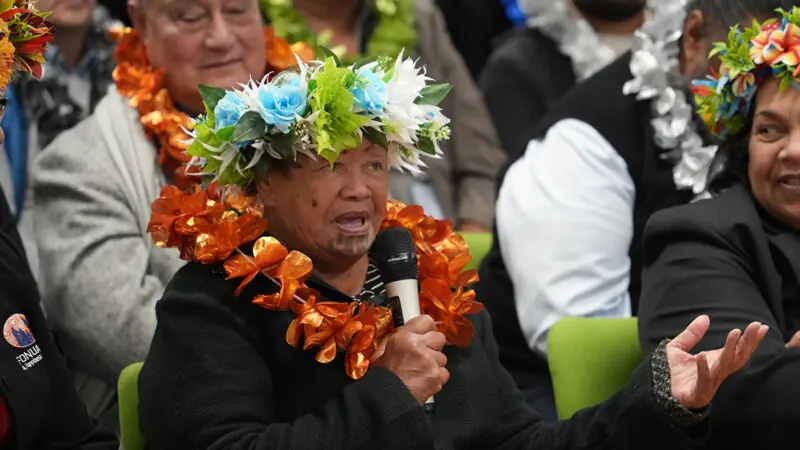
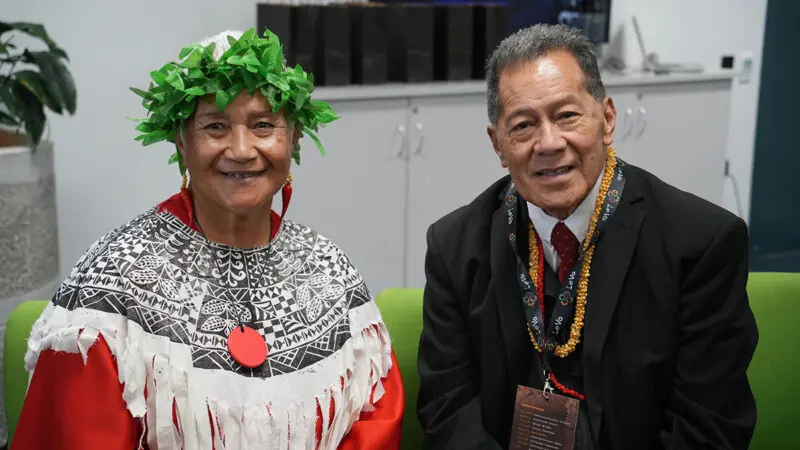
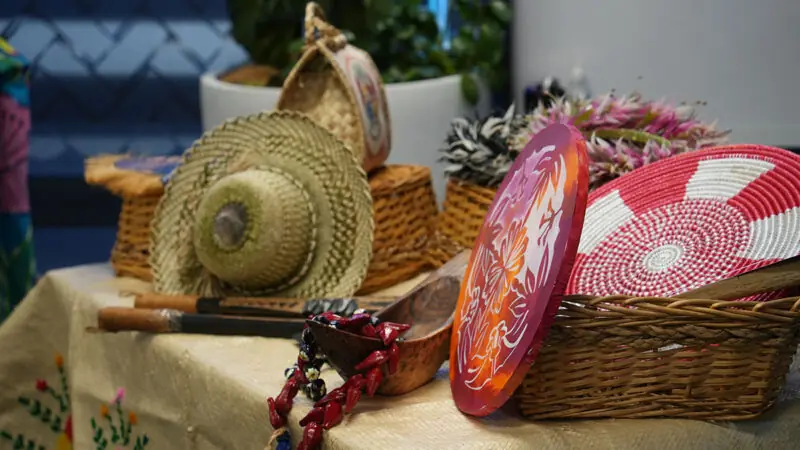
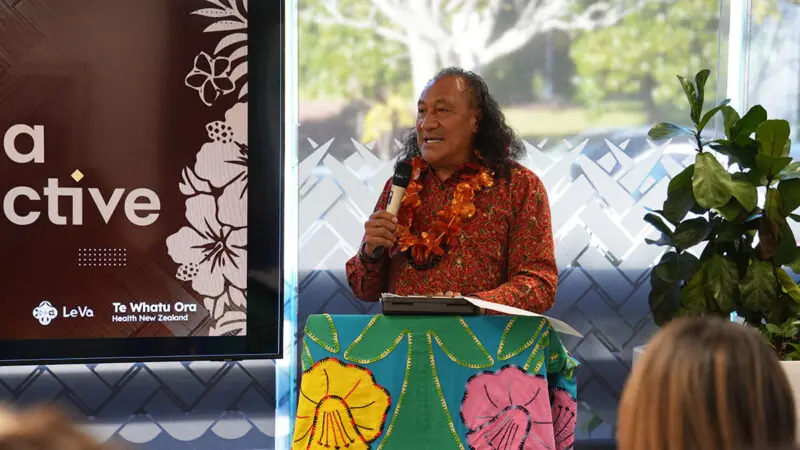
The event opened with a meaningful kava ceremony, led by Matua Collective Vice-Chair, Qoriniasi Tuifagalele. It continued with an overview from the Collective’s Chair, Rouruina Emil’e-Brown and keynote speeches from Pauline Fuimaono Sanders (National Director Pacific Health, Te Whatu Ora), Mati Dr Elizabeth Mati (CE, Le Va), Natalie Leger (COO, Fonua Ola), and Pakilau Manase Lua (Pasifika Equity Lead, Le Va and Wise Group).
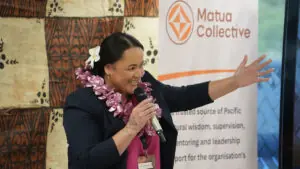
Mati Dr Elizabeth Mati, Le Va CE
Le Va Chief Executive, Mati Dr Elizabeth Mati, said in her keynote speech, “Le Va and the Matua Collective have shared a longstanding relationship built on trust, shared purpose and a commitment to our communities.
“As we look ahead, I hope this Collective continues to grow in influence; I hope more services recognise the value of matua as an essential part of their workforce; and I hope our communities continue to benefit from the wisdom that only our elders can provide.”
The launch also introduced the Matua Collective’s 2025–2030 Strategic Action Plan, grounded in Te Mana Ola | Pacific Health Strategy and built around the Three W Framework – Wellness, Wait Time and Workforce.
Three priorities, one purpose: reflecting what Pacific communities have long been asking for, and holding a shared responsibility to deliver it.
At its heart, the day reaffirmed the value of Pacific-led leadership, where lived experience, cultural wisdom and strategic thinking work together to shape better decisions for Pacific lives.
It was also a reminder that leadership is grounded in alofa (love), expressed through genuine care, service and an unwavering commitment to the wellbeing of Pacific peoples.
Sisilia Tuna Kaimanu Tiseli, a Pacific Cultural Advisor at Kari Centre ICAMHS who attended the launch summed up her experience: “For perhaps the first time in a long time, I felt a profound sense of belonging. I felt seen. I felt understood.
“Most importantly, I felt reassured that there are leaders who recognise that Pacific cultural leadership is not an addition to healthcare – it is fundamental to how we care well for our people. The vision of the Matua Collective as a trusted source of Pacific cultural wisdom, supervision, mentoring and leadership support is exactly what our workforce needs.”
Le Va gives thanks to everyone whose presence and tautua made the day one of connection and renewed commitment to Pacific communities. The vaka keeps moving, carried by the legacy of our matua, guided by the communities who continue to show us the way forward.
Learn more about the Matua Collective.
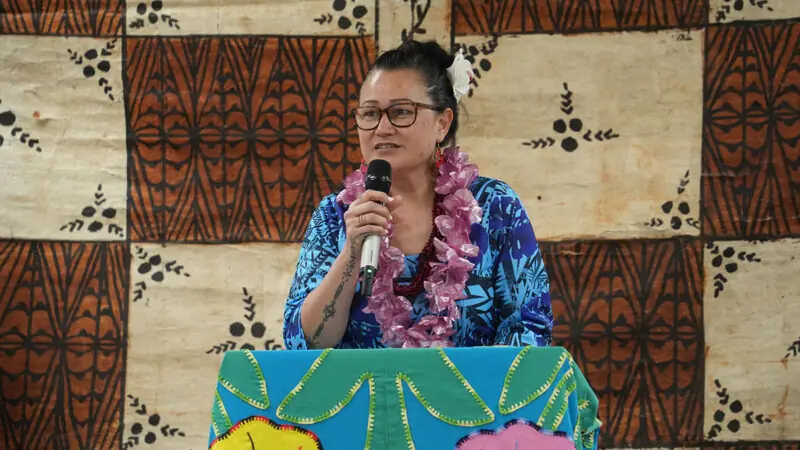
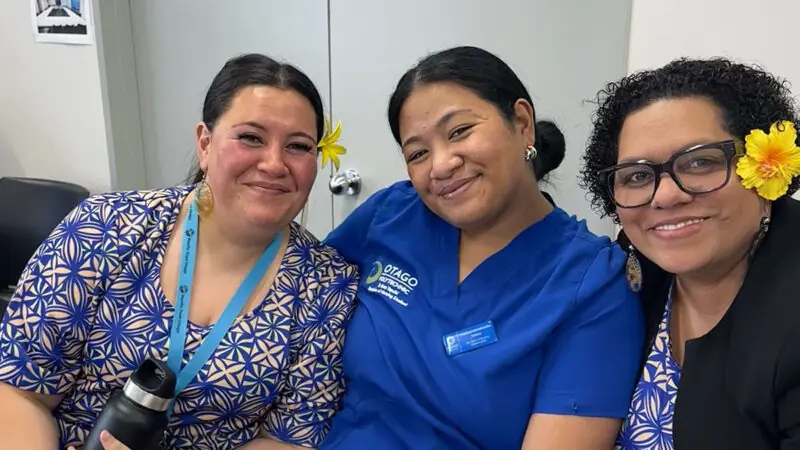
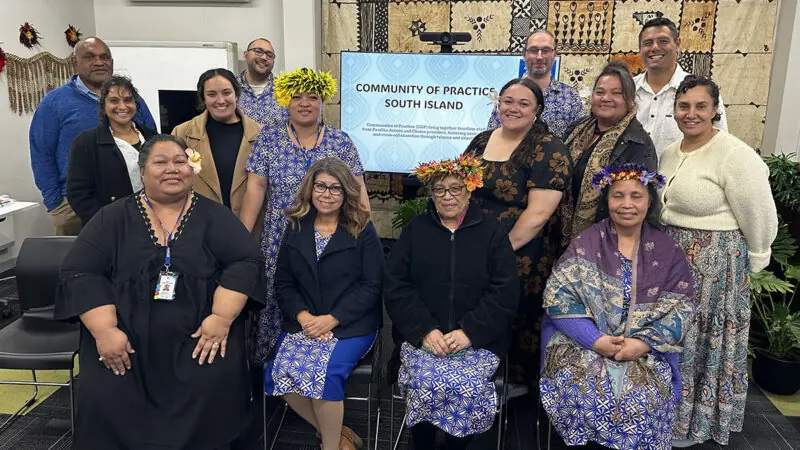
On 21 May, Pacific Access & Choice providers from across the Southern region gathered in Ōtepoti Dunedin for a primary mental health and addiction workforce Community of Practice (CoP), creating space for connection, shared learning and reflection.
A highlight of the day was hearing from Pacific Trust Otago (PTO) founders Keni Moeroa and Maria Lucas, who shared the story of how PTO came to be.
Through talanoa and storytelling, participants gained insight into the many years of volunteering, community advocacy, relationship building, and quiet determination that helped establish and grow Pacific wellbeing services in Otago.
Keni and Maria painted a vivid picture of a time when resources were scarce, but the freedom to innovate and respond to the needs of Pacific communities was real.
They spoke about the power of working collectively, building trust, and ensuring representation reflected the full diversity of Pacific ethnic groups across the southernmost regions of Te Waipounamu.
For many in the room, the talanoa offered something that isn’t always captured in reports or organisational profiles. It gave a rich understanding of the relationships, community leadership and dedication that helped shape PTO and still influence its work today.
The day also included a hands-on sensory modulation workshop facilitated by the Pacific Island Advisory Charitable Trust (PIACT), giving participants practical tools and strategies to support emotional regulation and wellbeing. The session sparked rich discussion about how sensory approaches can be applied within Pacific primary mental health and addiction settings.
The whole event was a reminder of the unique value of Communities of Practice. Beyond sharing knowledge and resources, they create space to hear the stories that are often untold, to learn from those who have paved the way, and deepen our understanding of other organisations and ways of working.
As Pacific primary mental health and addiction providers across the South continue serving our communities, stories like those shared by Keni and Maria highlight the importance of connection, service and collective effort in building something that lasts.
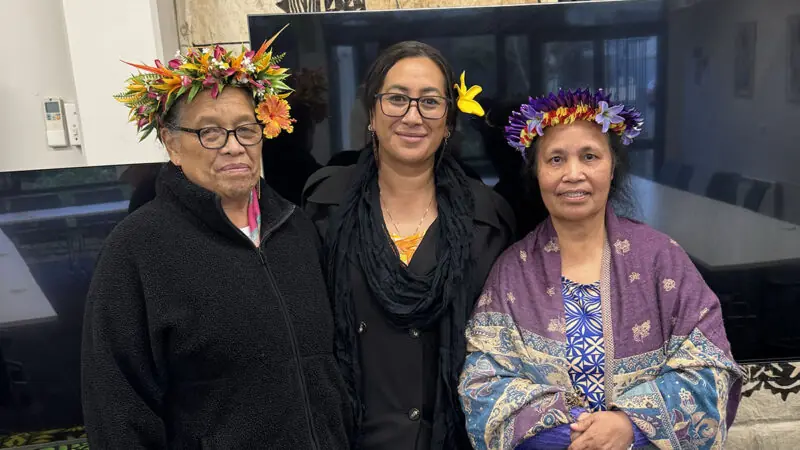
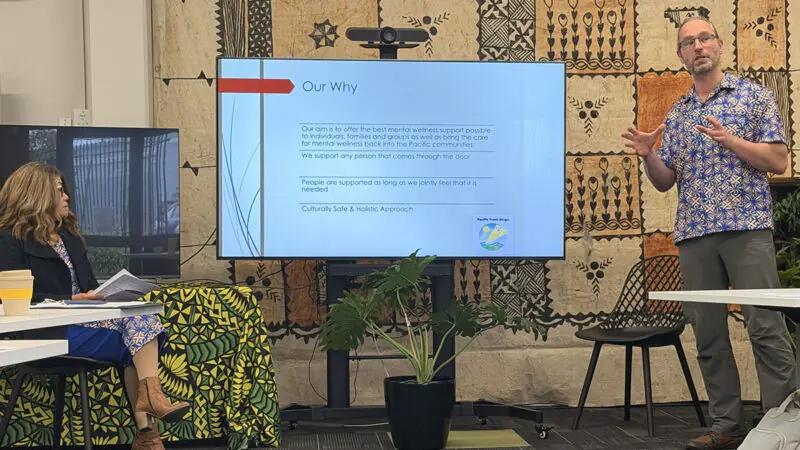
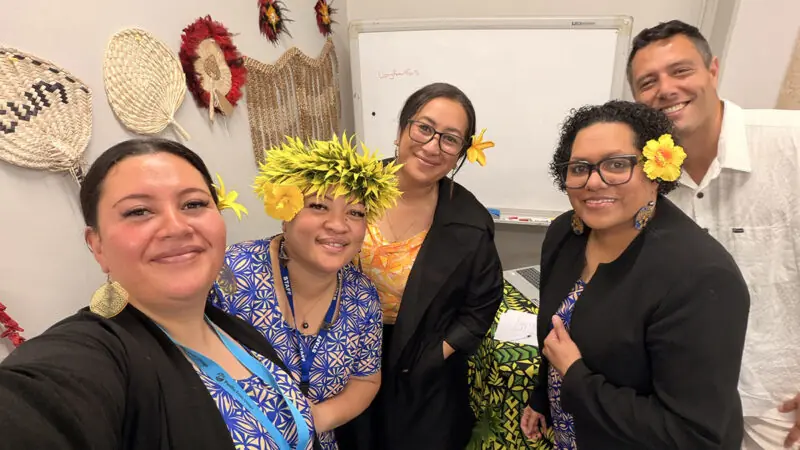
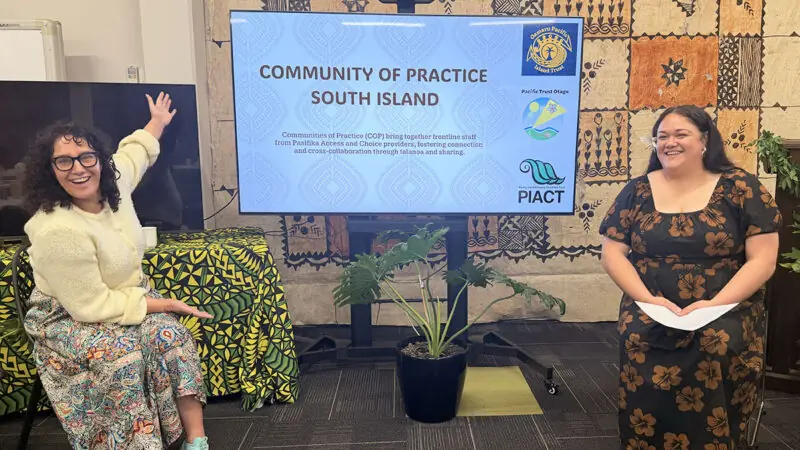
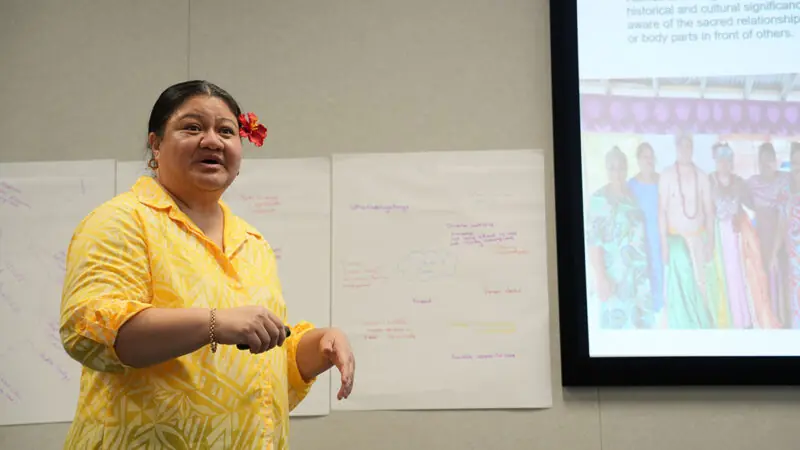
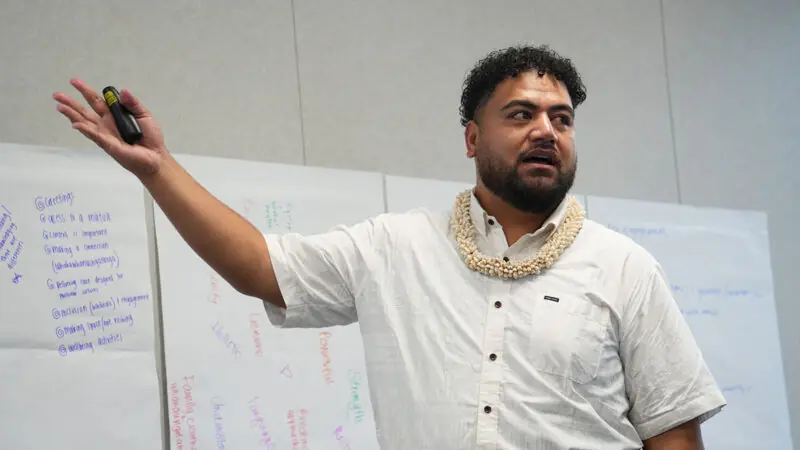
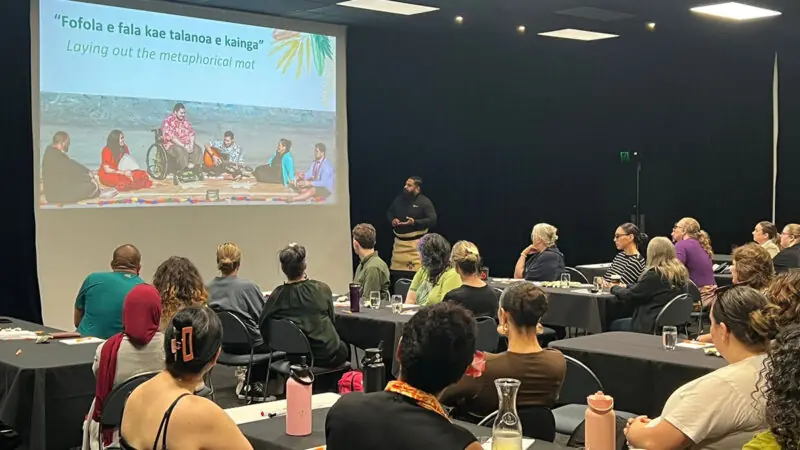
At the heart of Le Va’s Engaging Pasifika cultural competency training is the desire to truly show up for Pasifika communities. We do this by strengthening the confidence, capability and cultural responsiveness of the health and disability workforce that serves our people.
The Engaging Pasifika training is practical and values-led, grounded in real experiences that bring learning to life. Participants leave with more than knowledge, they leave with a deeper understanding of why culturally responsive care matters, and the tools to put it into practice.
This year, that work has been reaching more people than ever.
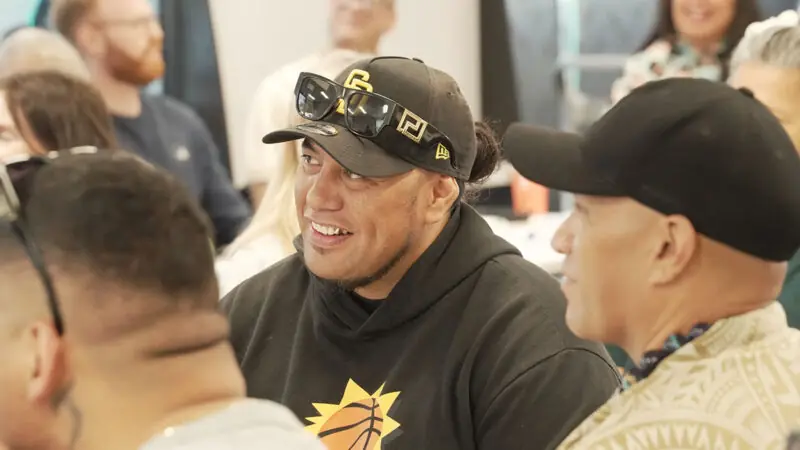
Across seven workshops in Auckland, Whangārei, Christchurch, Wellington and Dunedin, 224 health and disability workers were open to learning about Pasifika peoples, our values, our stories and what it means to be truly seen and supported.
The feedback says it all:
“This was honestly amazing, informative, engaging and interactive. The perspectives provided and resources we are able to use long term, great networking and kai, definitely keen for future training.” – Wellington participant.
“Thank you for the careful and engaging way you presented the course. Loved the use of humour to get points and information across. Good mix of activity and listening.” – Christchurch participant.
Participants have described the training as informative and welcoming. Many say that hearing real-life stories helps contextualise learning in a personal and relatable way, giving a deeper understanding into Pacific ways of being.
When health and disability workers across Aotearoa are empowered to build stronger, more respectful connections with Pasifika families and communities, real change can follow – stronger relationships, better access to services, and improved outcomes over time.
This is what Le Va’s work is about, helping to build a workforce with the foundational skills, knowledge and attitudes to support these outcomes – a workforce that genuinely engages with our Pasifika communities in a meaningful way.
Learn more about Engaging Pasifika.
Across Tāmaki Makaurau, there is a quiet but significant shift occurring within the Pacific youth wellbeing workforce.
At the centre of this is a growing collective of Pacific youth practitioners and support staff, working across a range of services and walking alongside young people every day with care, cultural knowledge and a deep commitment to their communities.
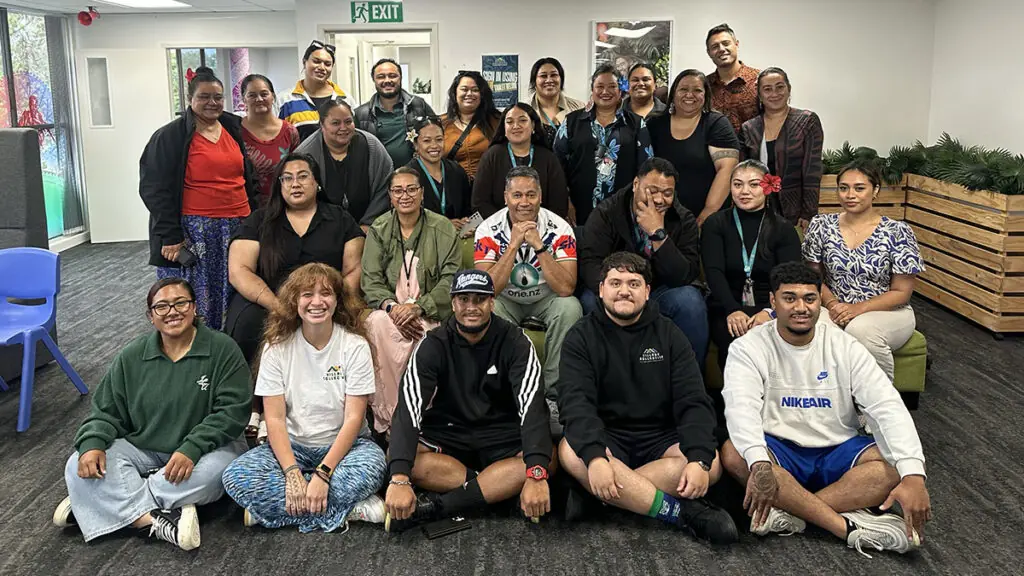
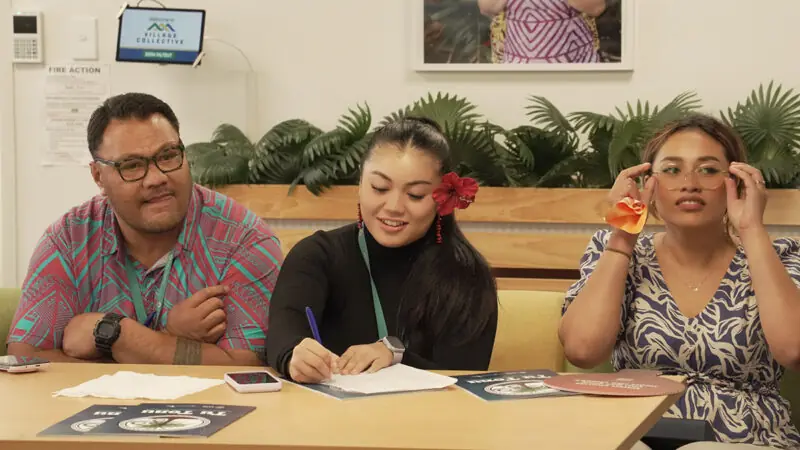
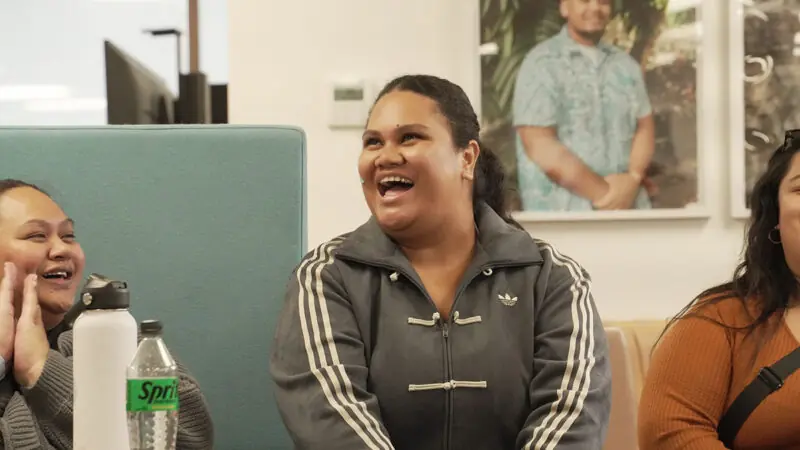
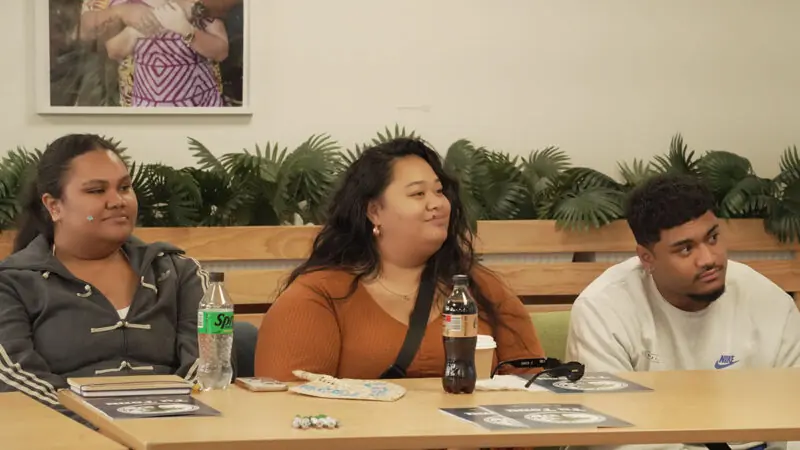
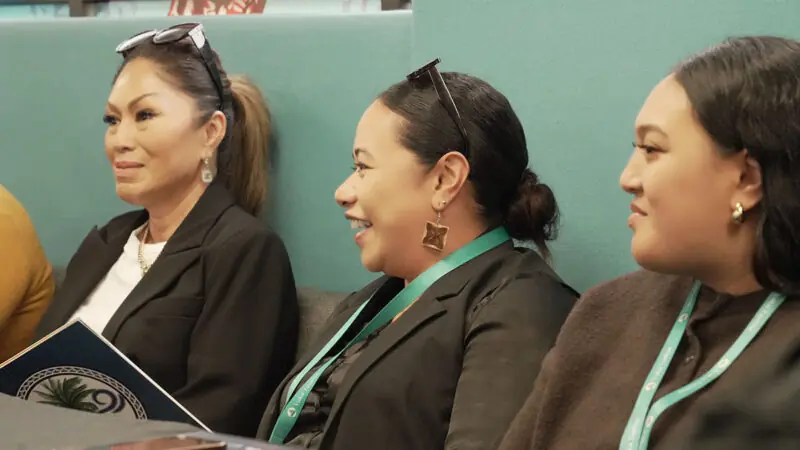
In recent weeks, many of these workers have come together through a series of Le Va trainings hosted by Village Collective. These sessions have provided more than professional development. They have created meaningful opportunities for connection, shared learning and the strengthening of relationships across organisations in the Auckland region.
Village Collective’s leadership in hosting this series is significant. As a service dedicated to supporting Pacific Rainbow+ communities, they continue to create space for conversations that are often challenging, yet essential for the wellbeing of Pacific people. This leadership was also visible at Polyfest 2026, where Le Va and Village Collective both had a strong presence. Engaging with young people in this environment reinforced the importance of ensuring the workforce remains connected to the communities it serves.
For many Pacific communities, topics such as trauma and addiction have historically been difficult to discuss, often shaped by stigma and silence. Despite this, these issues continue to impact Pacific communities at disproportionate levels. Strengthening a workforce that can respond in culturally grounded, safe and confident ways is critical.
An important outcome emerging from this training series is the growing community of practice among the Pacific workforce in the Auckland region. Staff from different organisations are learning alongside one another, building relationships and strengthening connections across the sector. Opportunities for this level of collaboration have been limited, yet are clearly valued, with a strong appetite from the workforce to continue engaging in collective learning spaces.
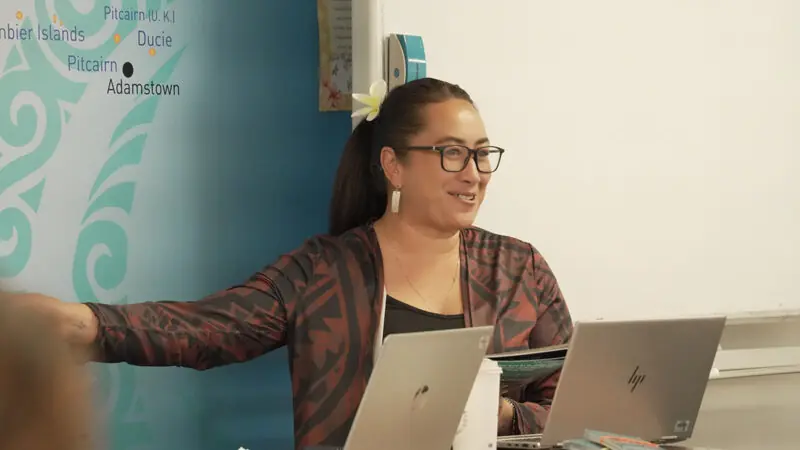
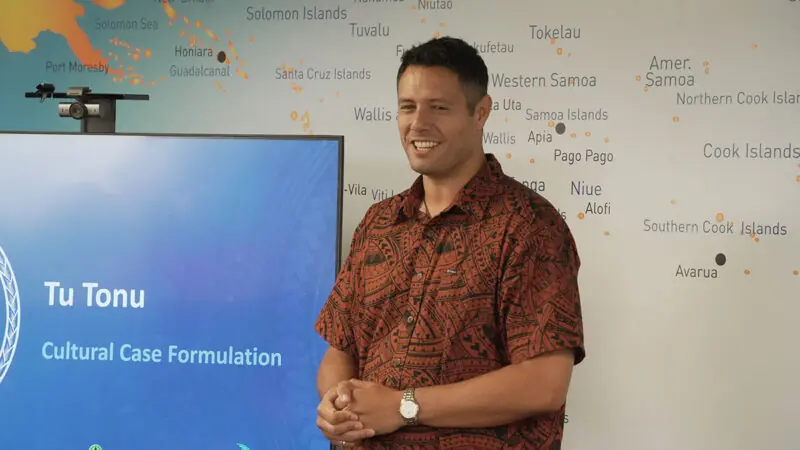
Le Va has delivered a series of our trainings to support this capability development, including ‘Navigating Addiction’ and ‘Healing Centred Care for Pasifika.’ Participants have included teams from Village Collective, Fonua Ola, Vaka Tautua, Penina Trust, and others within the Auckland region, with strong representation from the youth workforce. This programme of work will continue with Le Va’s ‘Tu Tonu: Cultural Case Formulation’ training, further strengthening culturally grounded approaches to supporting tagata ola.
This approach reflects Le Va’s broader commitment to strengthening the Pacific wellbeing workforce through knowledge and skills, through connection, shared purpose and collective responsibility. Investing in the youth wellbeing workforce is an investment in the future, ensuring that Pacific communities are supported by a workforce that is both capable and culturally grounded.
Learn more about Le Va’s Mental Health & Addiction trainings here.
For Toleafoa Mark Esekielu, Le Va’s senior manager for mental health and addiction, this year’s Cutting Edge addiction workforce hui stirred up a lot of reflection.
“Conferences have always brought value for me – not just the sessions, but reconnecting with peers, the chance to pause, reflect and reset. Cutting Edge 2025: Te toka tū moana was no different.
Looking back to see how far we’ve come
More than 17 years ago, I was a service manager for a Pacific non-government organisation in Christchurch. Our mental health and addiction team back then consisted of one clinician for youth and one for adults, making up the bulk of all the Pasifika practitioners in the South Island.
One thing stood out at Cutting Edge in those days – we didn’t see many of our own people, few Pasifika practitioners at all. I still remember joining my first teleconference for the National Pacific Treatment Forum (Addiction) with four teams across Aotearoa and only eight practitioners. The Pasifika addiction workforce was small enough that you could fit us all on one teleconference line.
The realities for our Pasifika addiction workforce in those early days were stark. We didn’t yet know how significant the harm from alcohol and other drugs was for Pasifika. We didn’t have data on access rates or unmet need, and didn’t have integrated holistic Pasifika solutions. We did know, and still know, “E fofo le alamea le alamea” – that the solutions for Pasifika communities come from within our own communities.
A changing landscape
Fast forward to Cutting Edge 2025, and the energy in the room was unmistakably different – a larger Pasifika presence, stronger voices, more community-led solutions, more cultural grounding. Our aspirations have grown, and so has our clarity.
During the event, Helen Schmidt-Sopoaga was honoured with a DAPAANZ Lifetime Membership award for more than 20 years of service to the addiction sector in Aotearoa. This lined up beautifully with Phil Siataga’s keynote reflection, “E lele le toloa, ae o nisi timi e lē, toe fo’i i le vai, ‘ā e su’e se is nofoaga e malu ai – Though the toloa may return home, sometimes we find other places to live and call home.”
Aotearoa is our new home, and the world is different now. Our Pacific homelands have evolved into significant transit routes and destinations in the illicit drugs trade. Fiji, Samoa and Tonga have seen a surge in drug consumption and drug related crime, as domestic and international criminal networks move drugs through and to Aotearoa, Australia and the wider Pacific.
After 17 years, what do I take away from Cutting Edge 2025?
The Pasifika addiction workforce in Aotearoa is stronger, more skilled, more grounded and more connected than ever before. But the system we work in still has some way to go in responding to what our communities need.
Many of the reflections I walked away with align closely with what Pasifika communities continue to call for – a mental health and addiction system that honours who we are, how we heal and the realities we face as Pasifika people.
We know the path forward. Our communities are the experts in their own lives and they have told us again and again what works. Our lives are lived holistically, so our solutions need to be holistic. We belong to different ethnicities, are from different islands, and have different experiences of coming to and living in Aotearoa. So work with us, work with the experts when seeking to understand.
So many things have changed, but so much of what matters has not. This continues to drive our Pasifika addiction workforce to serve, grow and learn – so that one more policy, one more organisation, one more interaction with Pasifika people improves and supports us to have better lives.
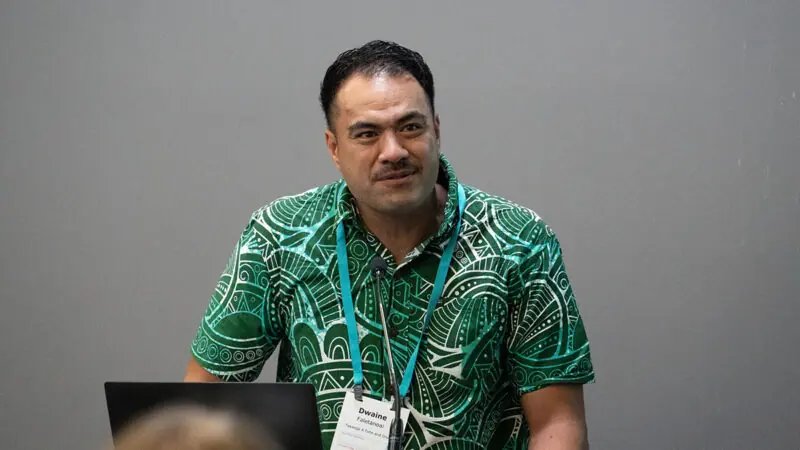
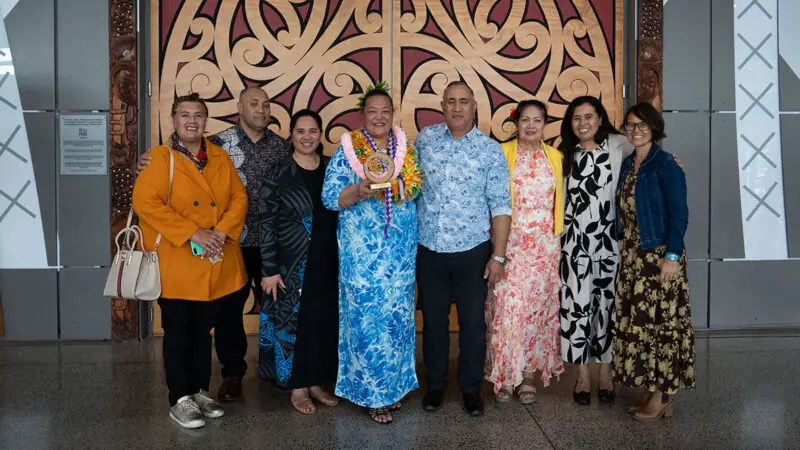
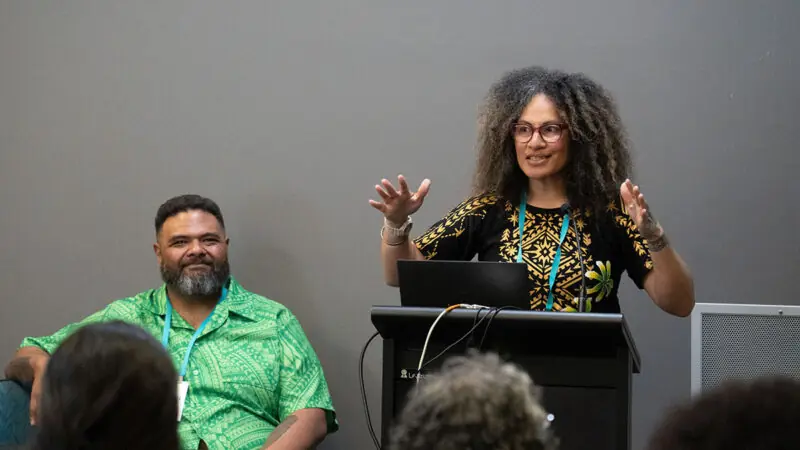
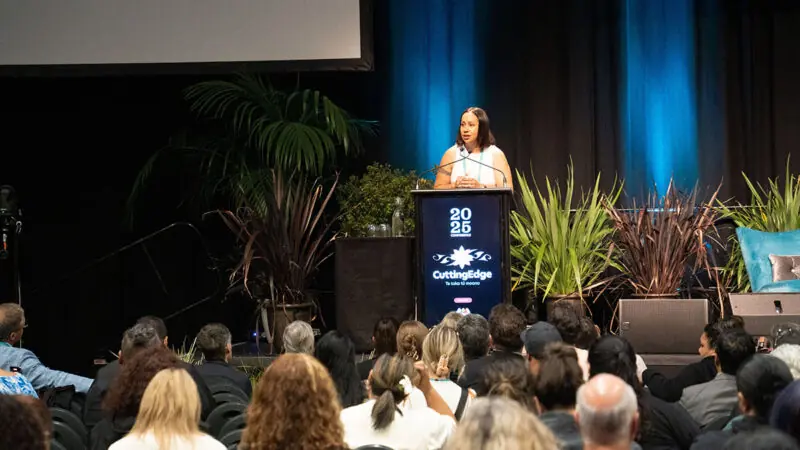
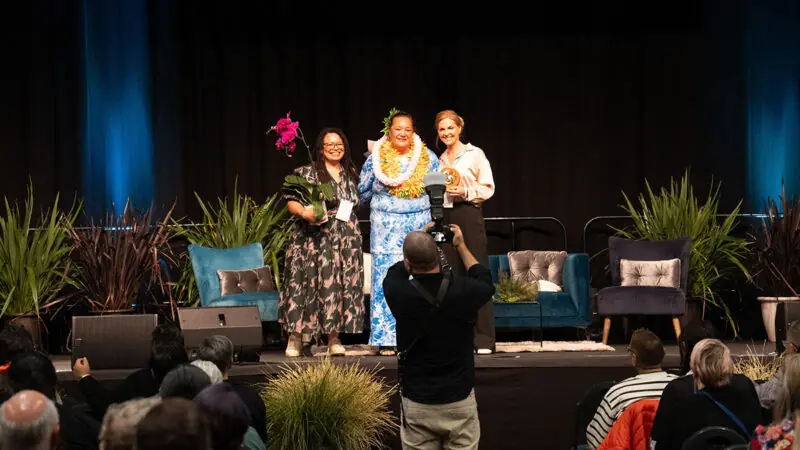
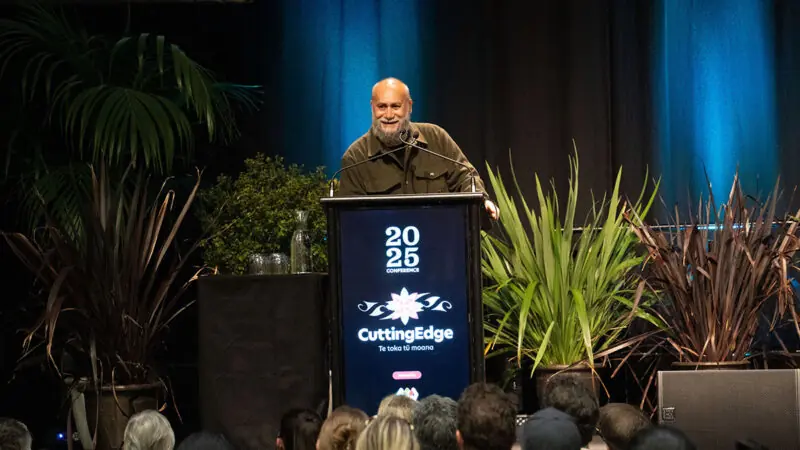
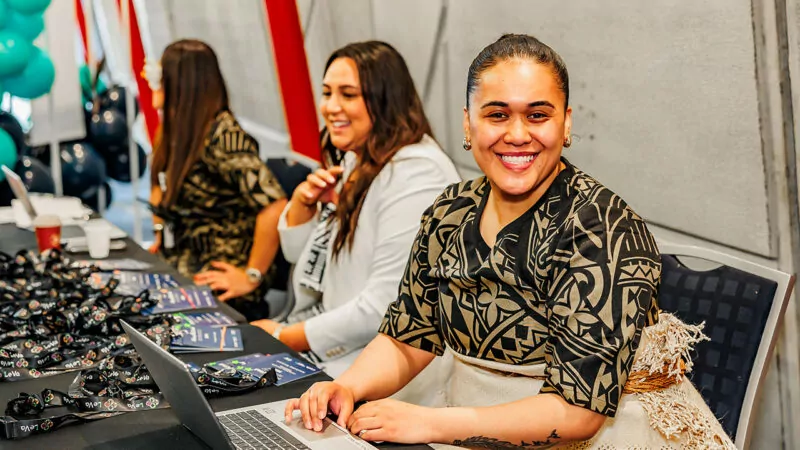
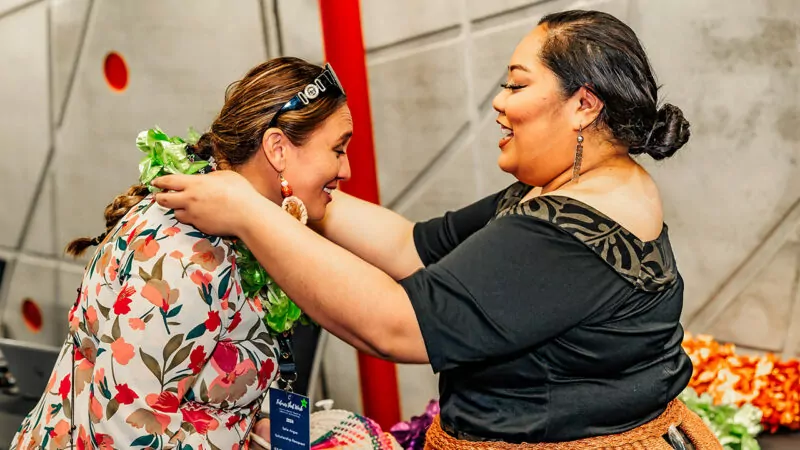
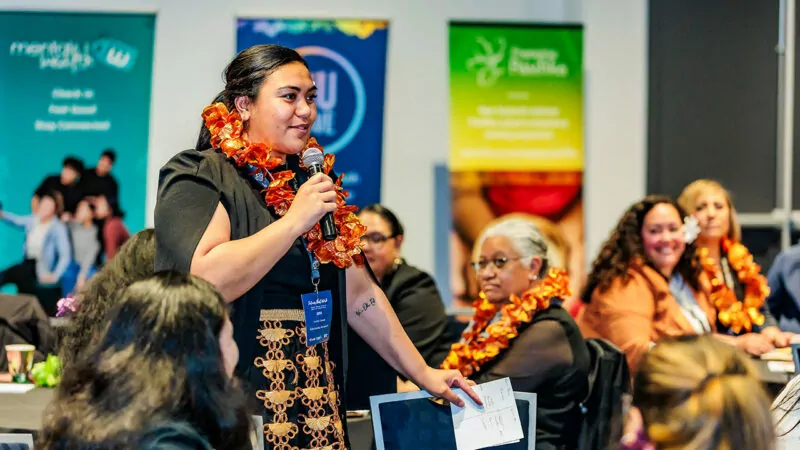
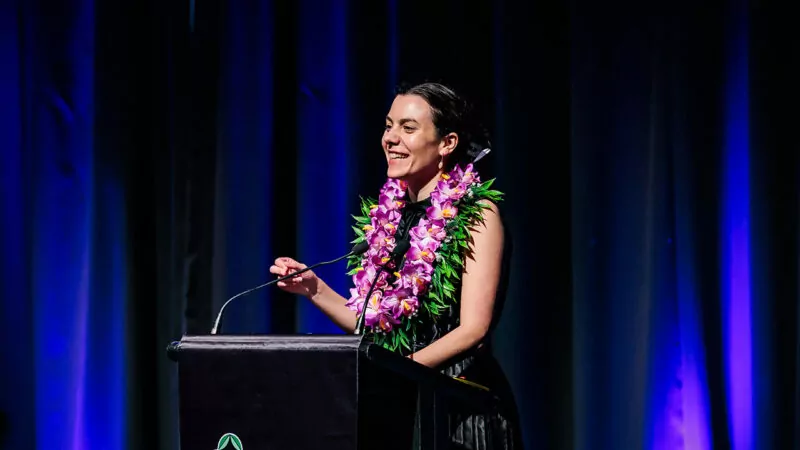
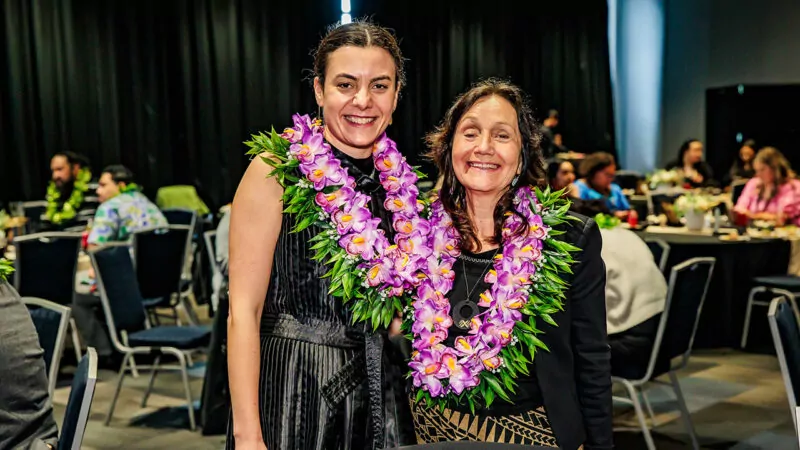
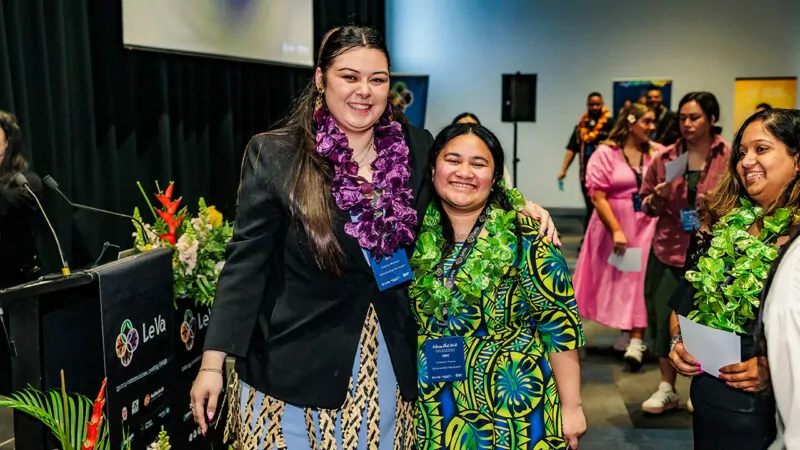
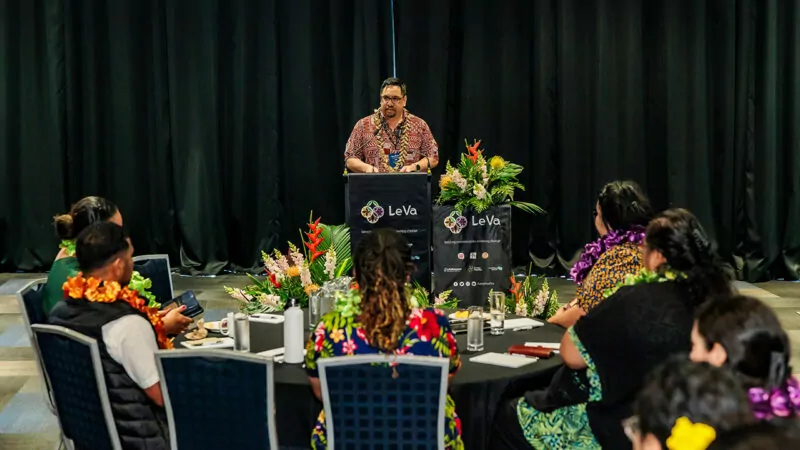
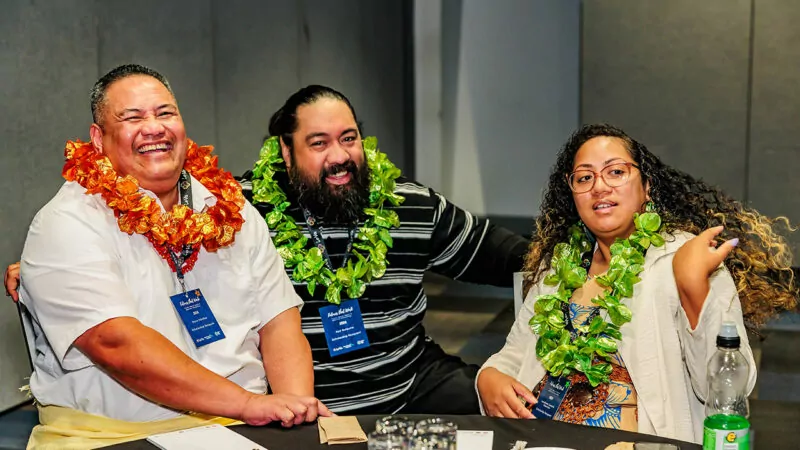
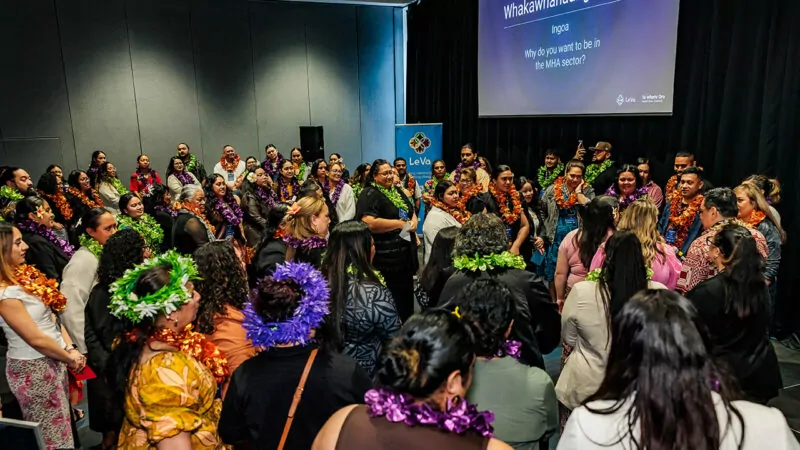
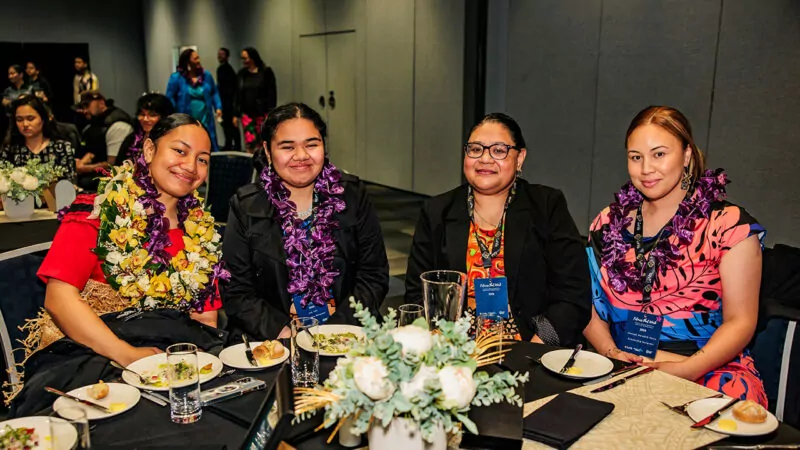
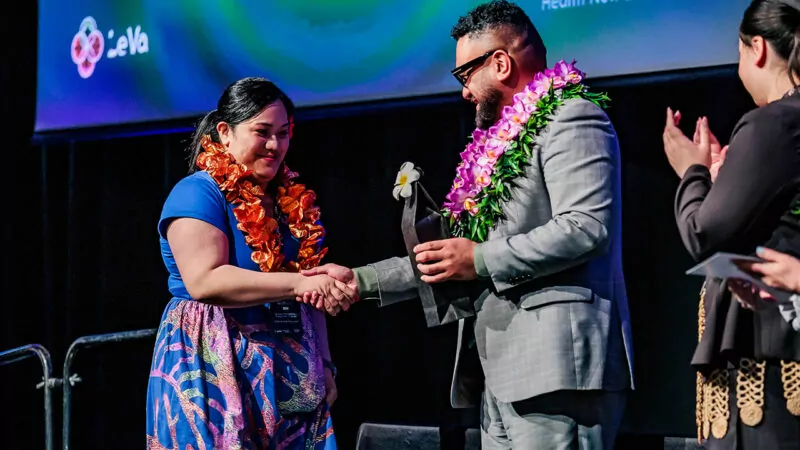
Le Va celebrated the achievements of 163 Pasifika mental health and addiction students this week, with 98 receiving their Futures that Work Pacific Mental Health and Addiction Scholarship awards in person in Manukau on 9 October.
Maria English, CEO of ImpactLab, addressed the students in her keynote speech, saying,
“When I look around this room, my eyes light up. When I see the people coming across the stage, I think about the hundreds, if not thousands, of people whose lives each of you scholars will positively impact.”
Pacific people in Aotearoa New Zealand have higher rates of mental illness and substance abuse than the general population, with lower rates of access to services and poorer health outcomes overall.
Le Va’s Futures that Work Pacific Mental Health and Addiction Scholarship, funded by Health New Zealand – Te Whatu Ora, aims to reverse this trend by supporting the development of the Pasifika mental health and addiction workforce.
The Futures that Work programme offers more than just financial support – students receive mentoring, cultural and pastoral care, and help with identifying career pathways in the sector.
Le Va chief executive, Denise Kingi-‘Ulu’ave, said to the students, “There is still much work to be done to address the disparities in mental health and addiction services for Pasifika. But with each of you here today, I am filled with hope.”
Le Va is part of the Wise Group. Copyright ©2026
