Communities urged to stay connected as Māori and Pacific suicide rates show ongoing concern
The latest provisional suicide data released by the Chief Coroner and Te Whatu Ora show that while the overall Aotearoa rate of suspected self-inflicted deaths has not changed significantly, Māori continue to experience the highest suicide rates in Aotearoa, while Pacific peoples experience concerning and inequitable levels of suicide risk compared with other population groups.
For Māori, the rate of suspected self-inflicted deaths has increased slightly, reminding us that inequities persist. Each life lost represents immeasurable mamae for whānau, hapū and iwi across the motu. This ongoing pattern highlights the urgent need to strengthen Māori-led solutions grounded in whakapapa, whanaungatanga and manaakitanga.
“These statistics remind us that suicide prevention must continue to be led from within our communities” says Tiana Watkins, Senior Manager Suicide Prevention – LifeKeepers at Le Va.
“To make lasting change, every part of the system – health, education, justice and social service – must work together so that prevention is stitched into the fabric of how we care for our people.”
Le Va’s Mana Akiaki: LifeKeepers for Māori training supports communities to protect and uplift each other through culturally grounded suicide prevention training and resources – led by Māori, for Māori. When our people are equipped to notice distress, connect and respond in mana-enhancing ways, lives are saved.
For Pacific communities, the data show rates that remain steady. Behind these numbers are families, churches and villages who continue to carry deep grief and powerful resilience. Le Va’s FLO: Pasifika for Life and Mānava Ola: LifeKeepers for Pacific trainings strengthen the protective factors within Pacific culture – connection, faith and family – that help keep our communities safe.
In an interview with PMN News, Leilani Clarke, Le Va’s Senior Manager Suicide Prevention – Pacific, highlighted the importance of these educational and awareness programmes which train both the workforce and communities to recognise signs of distress.
“We teu le vā, we nurture our relationships, because connectedness is a key thing for us as Pacific peoples,” she says. “And when we stay connected, we stay protected. There is hope out there, there is support out there … There’s always hope and help.”
Related stories
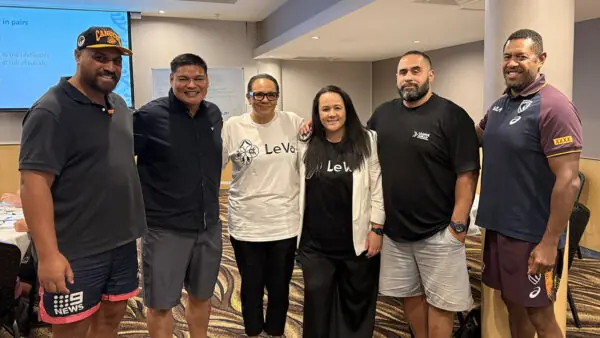
Across the Tasman: Strengthening NRL wellbeing through Mānava Ola
February 9, 2026
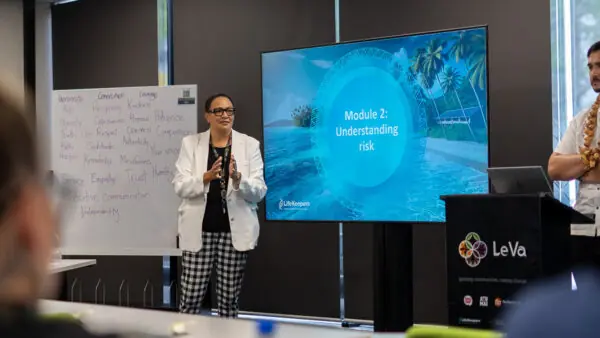
Finding hope: Community suicide prevention initiatives saving lives
January 27, 2026
Digital novel ‘Wayfinders of the Digital Moana’ available on Discord
September 8, 2025

Related Workshops and Training
Mānava Ola: LifeKeepers for Pacific
Mānava Ola: LifeKeepers for Pacific is a national suicide prevention training through a Pasifika lens.
LifeKeepers
LifeKeepers is New Zealand's national suicide prevention training, blending global expertise with local insights for a community-focused programme.
Mental Wealth
Mental Wealth is a mental health training that focuses on topics such as anxiety, depression, how to check in on a friend and coping strategies for mental distress.