For Le Va’s Atu-Mai violence prevention team, community leadership continues to play a vital role in strengthening wellbeing across South Auckland.
Timo Morisa is a prime example of an Atu-Mai community mobiliser whose commitment to uplifting young people has created meaningful opportunities for learning and growth.
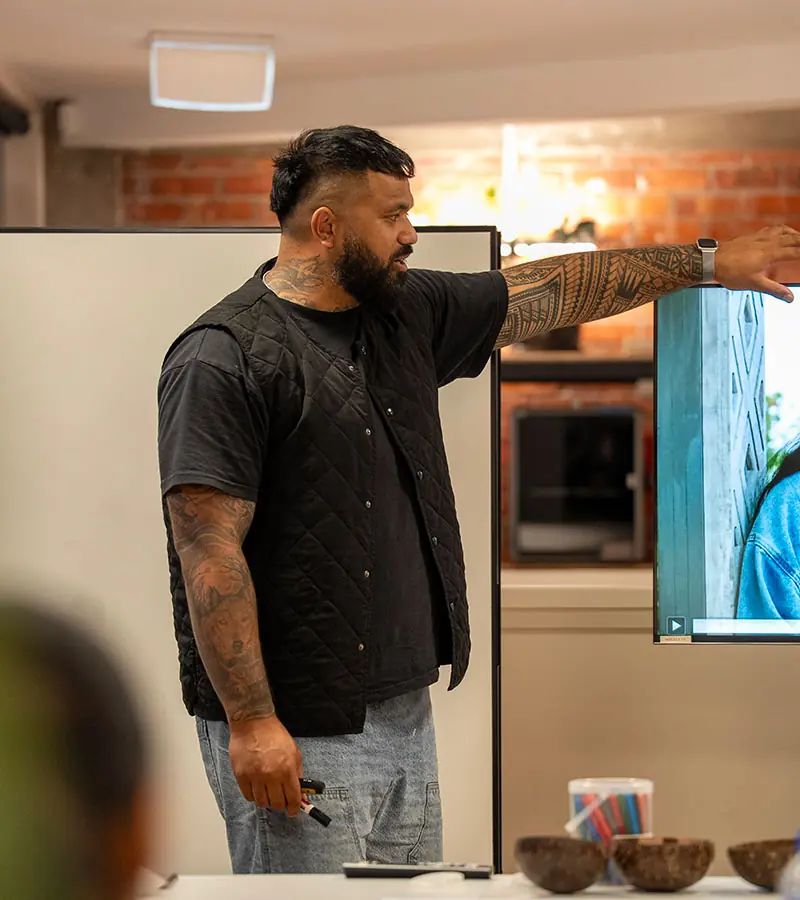
Timo’s approach is rooted in relationship. Over the past year, he has worked closely with Le Va – coordinating youth workshops, opening doors to connect with students and whānau, and inviting the team to celebrate alongside students at Papatoetoe High School’s Pasifika graduation.
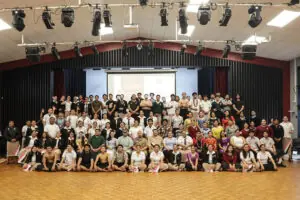 During Samoa Language Week in June, Timo brought together more than 100 students from Papatoetoe and Manurewa High Schools for a special Samoan so’otaga (gathering) focused on celebrating language and culture.
The gathering was a vibrant space for young people to strengthen their connection to their fa’asinomaga (identity) and take pride in the unique gifts they bring to their schools, families and communities.
Through cultural exchange, language presentations, meaningful talanoa and relationship-building activities, students were encouraged to explore what it means to stand confidently in who they are.
Research and lived experience show us that when young people have a strong sense of where they come from and values to guide them, they are more likely to experience a sense of belonging, gaining in confidence and resilience.
Culture is more than something to celebrate – it is a genuine protective factor for wellbeing. When young people feel connected to their culture, they are better equipped to navigate challenges, build healthy relationships and contribute positively to their communities.
The day reflected the power of community mobilisation in action. Through leaders like Timo, we create trusted spaces where young people can connect, learn and thrive.
It is through these partnerships that communities continue to strengthen the wellbeing of future generations and build a foundation for lasting positive change.
Learn more about Le Va’s Atu-Mai violence prevention programme.
In a vibrant celebration of the people, culture and creativity of South Auckland, more than 18,000 people filled Māngere Town Centre on 27 May for Twosevenfive (275) Day, a community event bringing together local businesses, youth, families and leaders.
Le Va’s Atu-Mai violence prevention team were at the heart of it all, offering a space to pause and quietly reflect in amongst the music, markets and local talent on display.
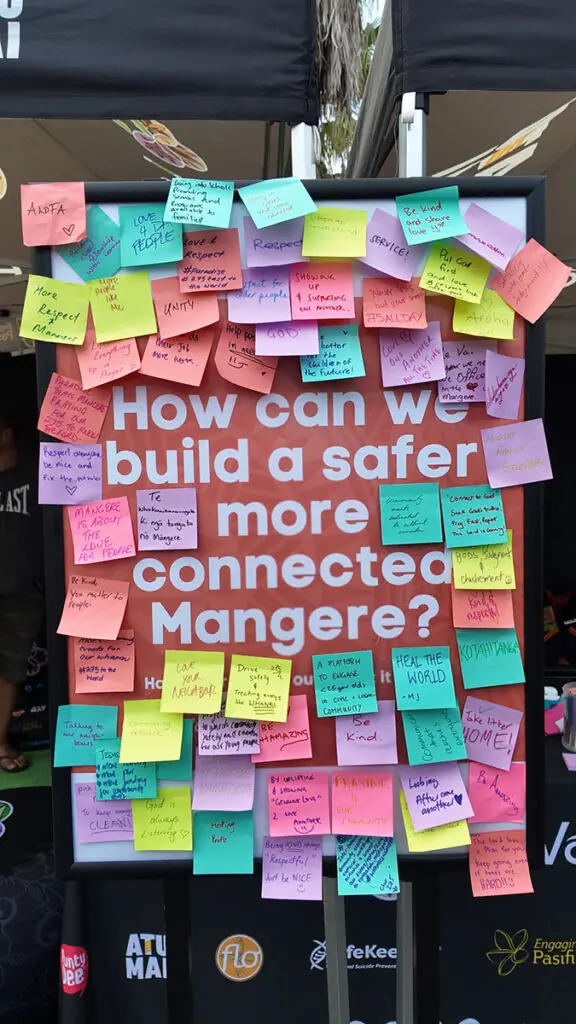 At the centre of the Atu-Mai activation was a community storyboard, an invitation to respond to a simple but powerful question: “How can we build a safer and more connected Māngere?”
The response from the community was overwhelmingly positive. People of all ages stopped to share their thoughts, experiences and hopes for the future. Themes of kindness, respect, cultural pride and looking out for one another were woven throughout the day, reflecting the deep care that exists within this community.
The storyboard became more than an activity; it became a platform for community voice, a starting point for talanoa, and a reminder of the collective responsibility we share in creating safe and connected communities.
Events like 275 Day show the power of community mobilisation in action: engaging people where they already gather, celebrating local strengths, and building awareness of the support available to individuals and families.
Central to Atu-Mai’s work in violence prevention is the belief that real change happens through trusted relationships. A community leader who embodies this is Savele Refiti or Fitz, co-founder of the Twosevenfive Foundation.
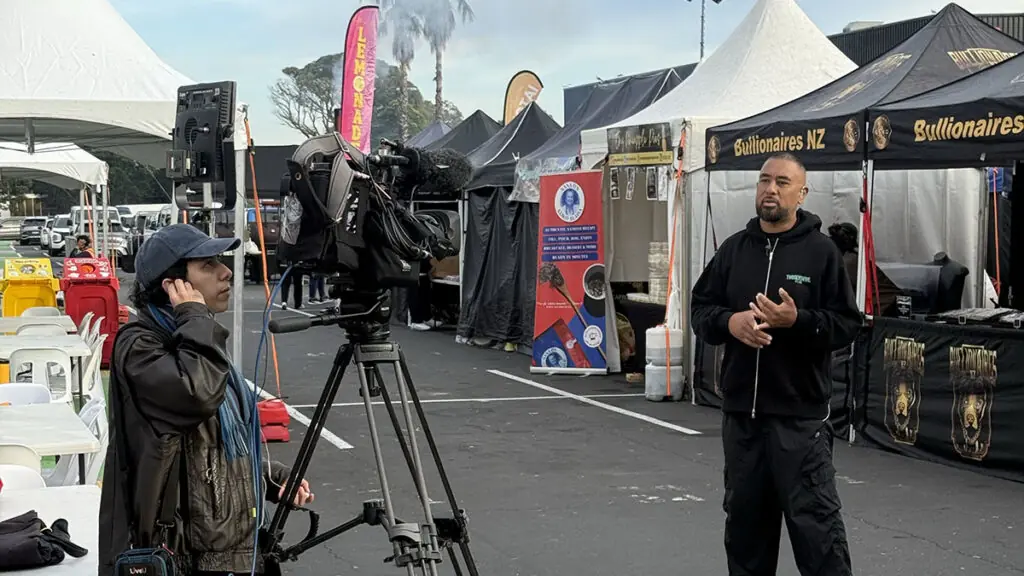
Over the past year, Fitz has partnered with Le Va’s Atu-Mai team to host Men’s and Fathers Fono, creating spaces where men can come together to talanoa about wellbeing, relationships, and family. His mana within the community and his genuine commitment to the people of Māngere reflect the kind of leadership that strengthens protective factors and promotes positive change.
275 Day was a living example of how safer, more connected communities grow from within, by listening to community voices, investing in relationships and finding leaders with a vision of building stronger futures together.
Learn more about Le Va’s Atu-Mai violence prevention programme.
In recent weeks, Le Va’s Atu-Mai violence prevention team has reached more than 345 young people across sites in south and east Auckland – from festival grounds to school halls, sports clubs and career expos. Every engagement carries a shared message: that culture, relationships and identity are the foundations of a safer, thriving community.
Polyfest: More than a celebration
At Polyfest 2026, the Atu-Mai team ran a roaming mic and camera while supporting Le Va’s wider youth wellbeing survey. The conversations we captured are now being woven into video reels for our ‘Stories of Change’ social media series, spreading and normalising the kinds of conversations that build resilience, even for young people who weren’t at Polyfest. One young person shared: “Using my culture makes me feel safe like I’m home.”
McAuley High School: In-depth engagement
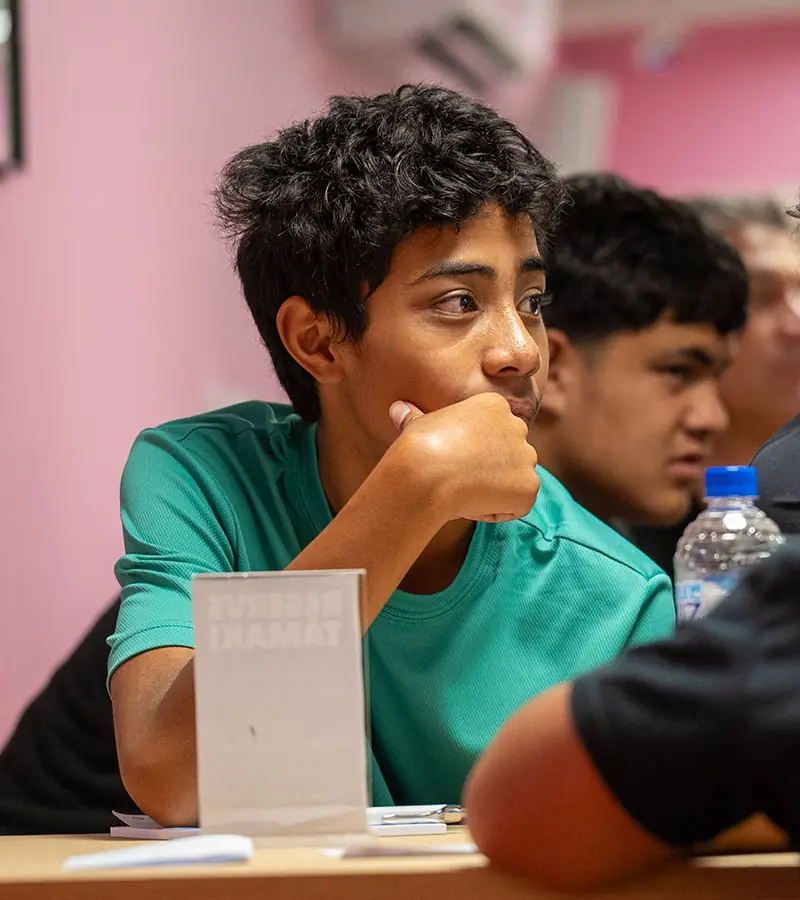
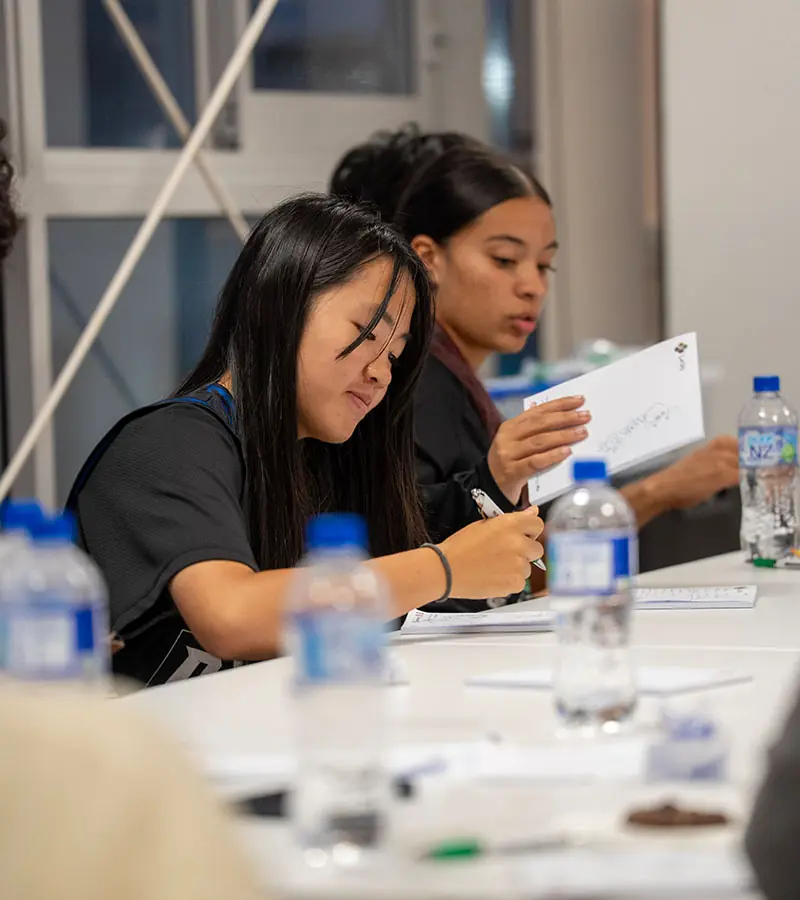
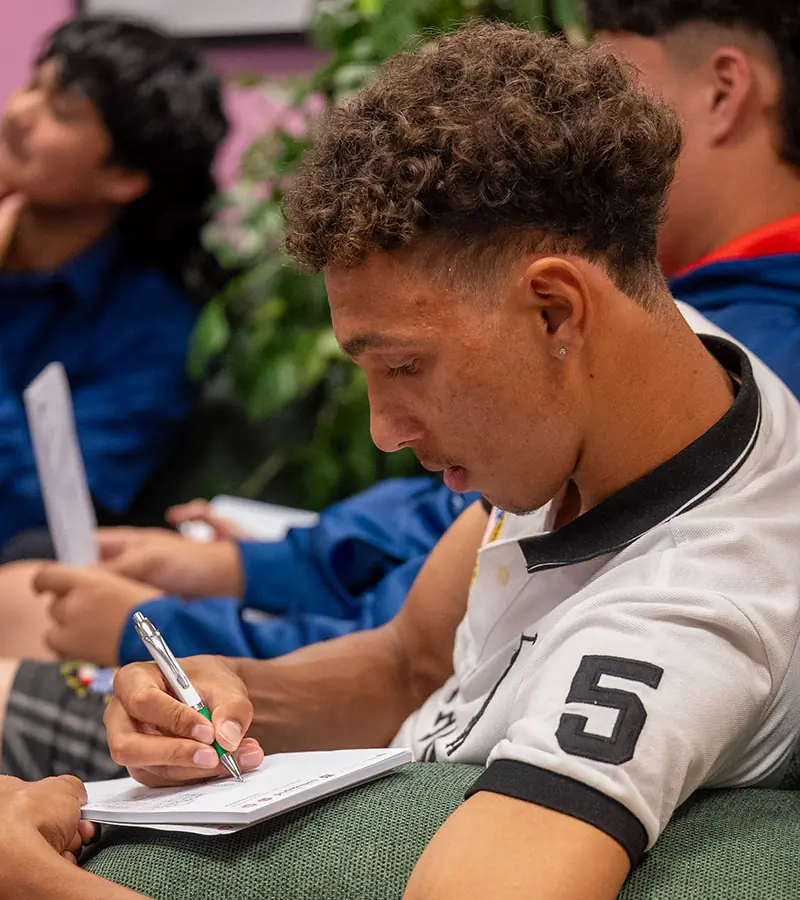
At McAuley High School, we delivered our full three-workshop programme, a transformative approach, to 127 Year 13 students:
- I AM explores cultural identity and Pacific values as practical tools for navigating relationships and decisions.
- Respectful Relationships builds frameworks around consent and boundaries, grounded in those cultural values.
- Upstander helps young people move from bystander to someone who shows up for others in practical, safe ways.
Students reflected: “Values help us to stay grounded in our culture” and “staying quiet can hurt people.” They wanted “to take the lead when people are in need, because people assume someone else will do it” and valued “being able to identify signs of an unhealthy relationship” and “understanding more about healthy relationships and how important those are.”
When 127 young people – future parents, colleagues and leaders – make that shift from passive bystander to active, caring community member, it can change cultural norms.
GI Eagles: Showing up in community spaces
In east Auckland, we engaged around 25 young people at GI Eagles, thanks to community leader Manuel Walker who opened the door, ensuring youth have access to Atu-Mai’s workshops. We also supported GI Eagles’ March for Mana suicide awareness event – a reminder that sports clubs are trusted spaces and standing alongside them extends the reach of our kaupapa.
Strive Innov8 Expo and the Lifeskills Job Fair: Meeting taiohi where ambition lives
At the Strive Innov8 Expo and Lifeskills Job Fair, we connected with around 180 young people thinking about their futures and what kind of adults they want to be. Being present in spaces where taiohi are focused on ambition allows us to link aspiration to the cultural and relational foundations that make those futures meaningful.
Why it matters
Young people don’t thrive or struggle in isolation. They are shaped by family, community, culture, and environment. Atu-Mai’s workshops, talanoa, ‘Stories of Change’, and community presence all reflect one belief: that building protective factors across multiple levels and spaces is how we shift the conditions that allow violence to take hold.
When a Year 13 student can name their values and apply them to a difficult relationship decision, that is prevention. When a young person at a career expo walks away with a stronger sense of self, that is protection. When a video reel sparks a household conversation, that is reach.
This is Atu-Mai’s work – meeting people where they are and building something that lasts.
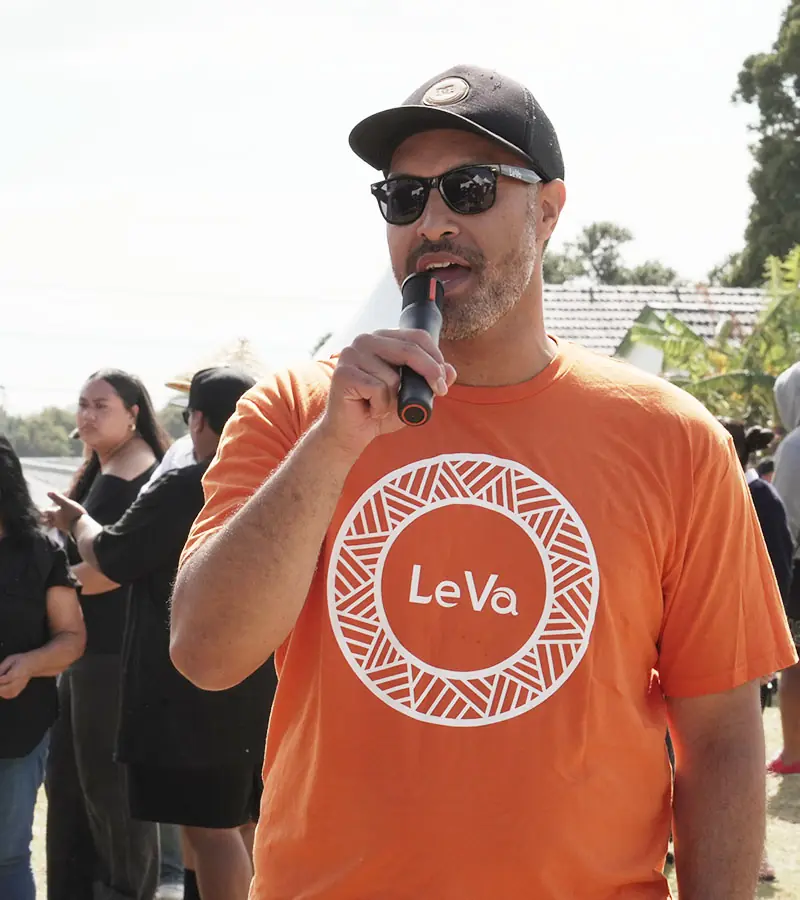
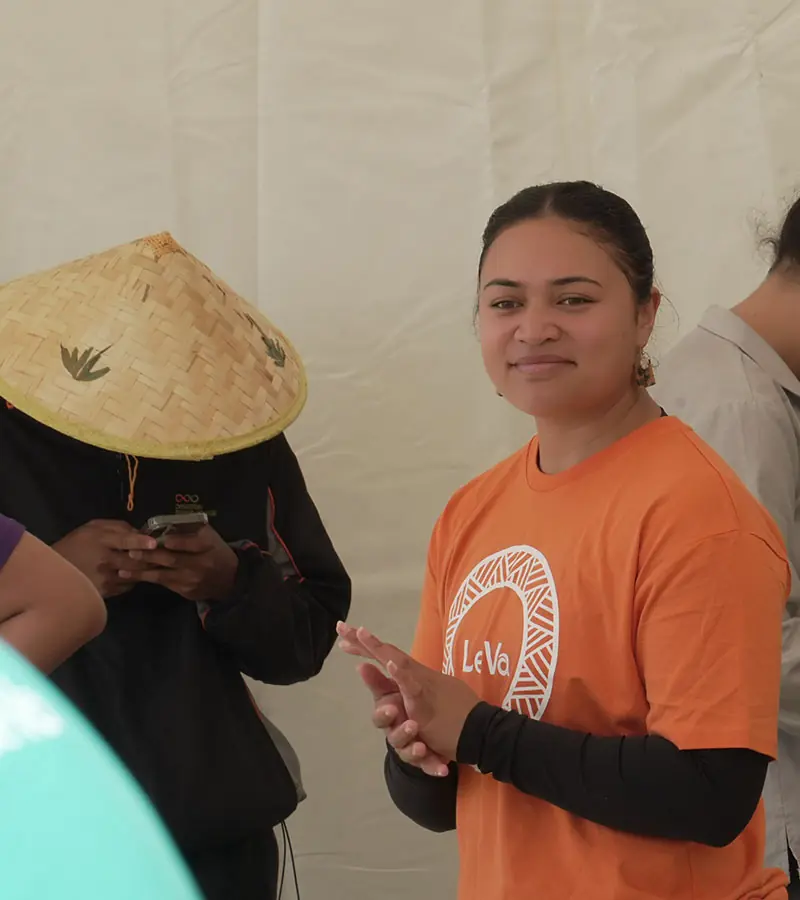
To find out more about Le Va’s Atu-Mai violence prevention mahi or to book a workshop with your group, visit Atu-Mai or contact the team at atumai@leva.co.nz.
Atu-Mai’s Upstander violence prevention programme is underway with six new community mobilisers this season.
As part of Le Va’s primary prevention efforts, the Atu-Mai team has held important training sessions aimed at knowledge sharing and equipping our Upstanders to recognise harm in communities and look at how we can work collectively to prevent it.
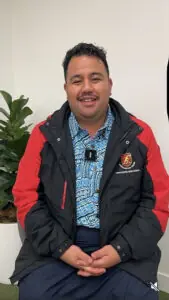
Timo Morisa
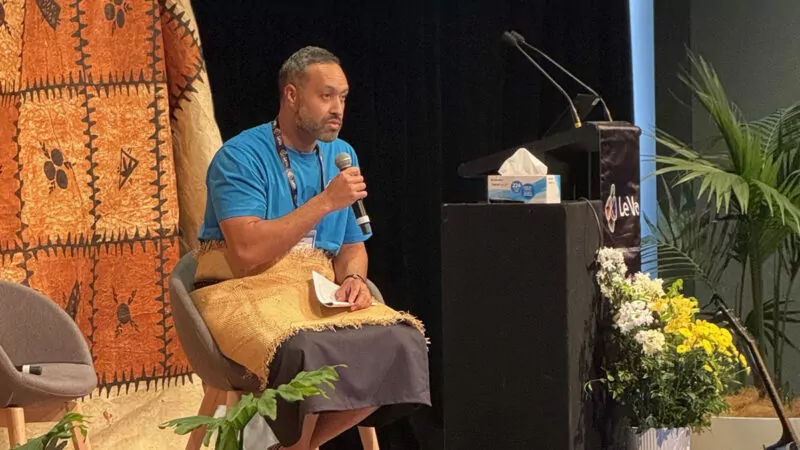
New upstander Timo Morisa is a Dean and teacher at Papatoetoe High School by day, but he also serves in many other different community spaces – including church.
“I do not take lightly the work I do,” he says. “The difference we make in the work today helps prepare us for the next day and the generations to come.”
He says sexual violence and child sexual abuse are tough topics to discuss in Pasifika communities, but we do need to talk about it more.
“Things do happen and, as leaders, we have to address it, call it out and create solutions and not sweep things under the carpet to make our communities safer.”
After the training, each mobiliser will plan their own activities to prevent sexual violence in different settings from church to schools as well as gyms and sports clubs and Atu-Mai will be supporting each one with their work.
Our approach is to raise awareness about sexual violence and prevention measures in a way that connects with our Pasifika community.
Le Va’s Atu-Mai podcast series continues to gain traction with two more episodes being released in June and July.
The podcast series for Atu-Mai highlights a series of guests to discuss topics such as sexual violence prevention and stopping child sexual abuse.
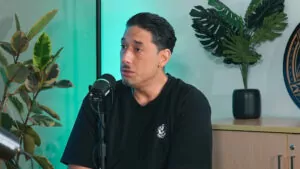
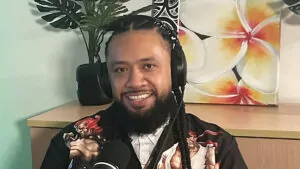
PJ King
Podcast guest Peter Jared (PJ) King is a basketball youth development advocate and founder of online forum, Kiwi Daddies.
PJ shares about his child sexual abuse in this podcast episode and says it was really important to talk about it. As a father, he says it was also important to be honest with his children.
“Knowing proper words for your body parts, knowing what sex is, giving them a proper explanation. And hey, that’s for when you are older, when you’re ready for it you know, it’s not for now.
“So, if anybody comes to you and tries to be that way then you let me know. They don’t have to let everyone know you just tell me please. Like, tell me as you father.
“I’m living proof that a boy can grow up in poverty and seeing sexual violence, to grow up to be someone else and take ownership of your story, good bad and ugly, and continue to heal. That’s the most gangster stuff you can do.”
Matt Brown
Guest Matt Brown will share some valuable insights into his life experiences on his podcast episode, to be released in July.
“Thanks for the opportunity to speak here – such an honour but my heart is for our community,” he says.
“My message for them is to heal. Because to show up for yourself first, and then you can show up for your family, has to start with you. Your childhood trauma was not your fault, but your healing is absolutely your responsibility.”
The very first podcast episode was with Moeapulu Frances Tagaloa, who is a survivor of faith-based organisations who gave evidence at the Commission of Inquiry into Abuse.
Another episode features a conversation with two Methodist church ministers, Rev. Uesifili Unasa and Rev. Ikilifi Pope, talking about sexual violence prevention.
The Atu-Mai series was produced as part of ongoing efforts to reduce stigma, silence, and shame by talking about sexual violence, and to also help inform and equip people with tools to prevent it.
Atu-Mai says knowing systemic factors that contribute to sexual harm and discuss various risk and protective factors is very important too.
Listen now to the Le Va Podcast Atu-Mai series on Spotify or You Tube.
June marks the end of term for our current Atu-Mai community Upstanders following a season of trainings, workshops and community activations.
Le Va’s Atu-Mai violence prevention team engaged local leaders in the community to help educate and raise awareness about sexual violence prevention and stopping child sexual abuse, and has produced a series of Stories of Change to highlight their efforts.
Our busy team has continued to support each community mobiliser to run their exciting community activations, working in different spaces including events, men’s groups, schools, women’s refuge and churches.
Fale Pasifika Women’s Refuge Practice Lead, Sharee Sauni, says she wanted to be an Atu-Mai community mobiliser because there’s still more work to be done to change the thinking around sexual violence prevention – especially with the elderly and older generation.
“I want to find ways that I can raise awareness or normalise conversations with community, within our families, about sexual violence,” she says.
She has shared the Atu-Mai training with mothers and staff at her work.
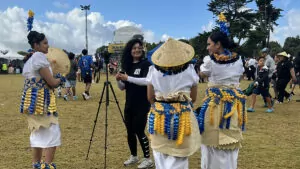
Pelea Fruean interviewing students at Polyfest 2025
Pelea Fruean, who interviewed people at Polyfest 2025 and during Le Va’s Global Pacific Solutions conference, said it was about breaking the stigma and silence for youth by having conversations.
“I really enjoyed the activation training I went through to be able to put me in a position to mobilise safely, and I think it’s helped me in my own personal relationships and even at work,” she says.
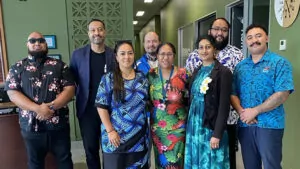
Aisina Olo-Tulaga with Deans from her school
South Auckland school counsellor, Aisina Olo-Tulaga, says being an Upstander was a great opportunity. She arranged for her school Deans to come to Le Va for an Atu-Mai training session.
“Building my kete of knowledge in child sexual abuse and prevention is really the key to preventing child sexual abuse,” she says.
And Josh Macfarlane from Man Alive says the Atu-Mai programme has had a lasting impact on his life and the lives of those around him.
“Transformative impact for me – massively yeah and I’m noticing the people that I work with it having an impact and it’s being taken home and actually being put in place – which has got to be transformative, hasn’t it?”, he says.
Our Atu-Mai primary prevention programme supports community mobilisation as a suitable way raise more awareness in the community about sexual violence and share about prevention measures in an effort to change attitudes, hearts and minds about a topic many Pasifika people find uncomfortable topic to even talk about.
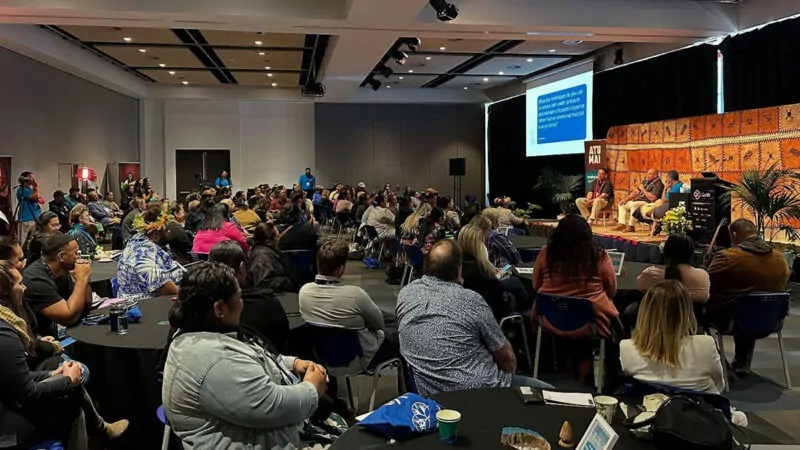
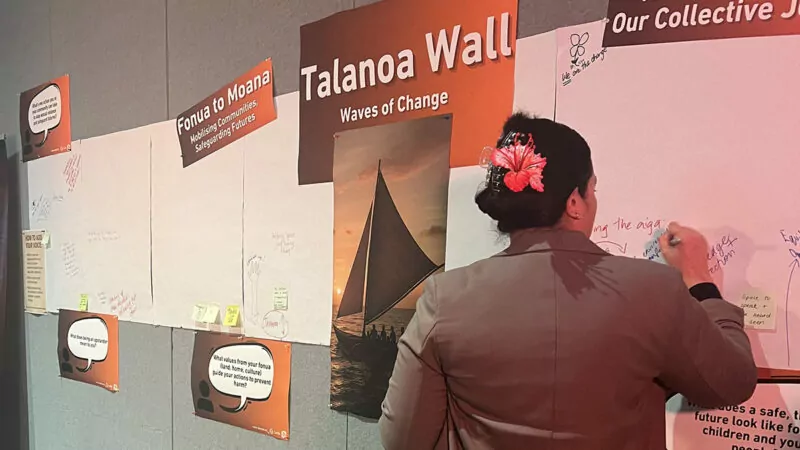
The Fonua to Moana stream at Le Va’s 2025 Global Pacific Solutions conference provided a focused platform for advancing Pacific-led approaches to the primary prevention of sexual violence and child sexual abuse.
Grounded in Pacific values and knowledge systems and anchored in the theme “Mobilising Communities, Safeguarding Futures”, the stream brought together practitioners, youth, community leaders and system stakeholders to strengthen partnerships, challenge cultural silence and build sustainable solutions to protect tangata moana.
Day One
Day One focused on community-led action and systems-level change to prevent sexual violence. Sessions highlighted the power of cultural knowledge, the importance of supporting Māori and Pacific male survivors, and the need for stronger cross-sector collaboration. The day reinforced that prevention must be grounded in indigenous values, led by communities and supported by systems that are responsive and inclusive.
“Our communities already have the solutions, they just need support with systems and resources for them to mobilise and create change in their own communities.”
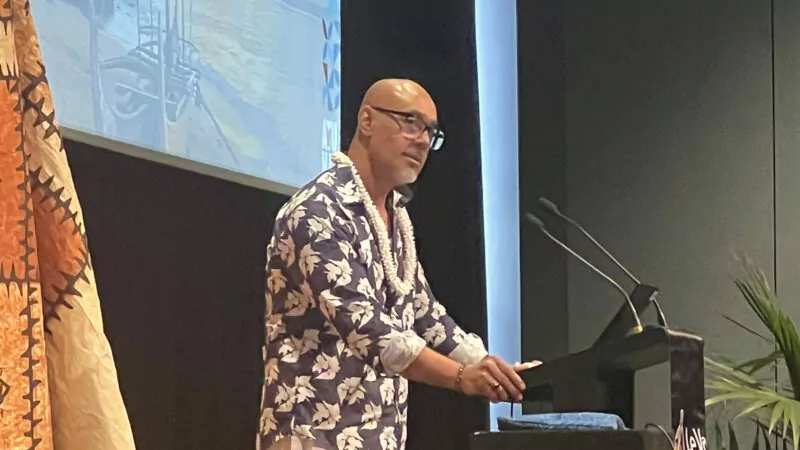
Ailupotea Taituuga Mirofora Mataafa-Komiti shared highlights from Le Va’s community mobilisation work alongside community Upstanders, focused on activating communities to engage in learning about healthy relationships, consent, sexual violence, child sexual abuse and positive parenting.
She launched Atu-Mai’s “Nurturing our Children” child sexual abuse prevention resources and emphasised Le Va’s approach, which ensures that all initiatives are culturally relevant, clinically safe and community led.
“The Bros need to see Bros in these spaces, so they feel seen.”
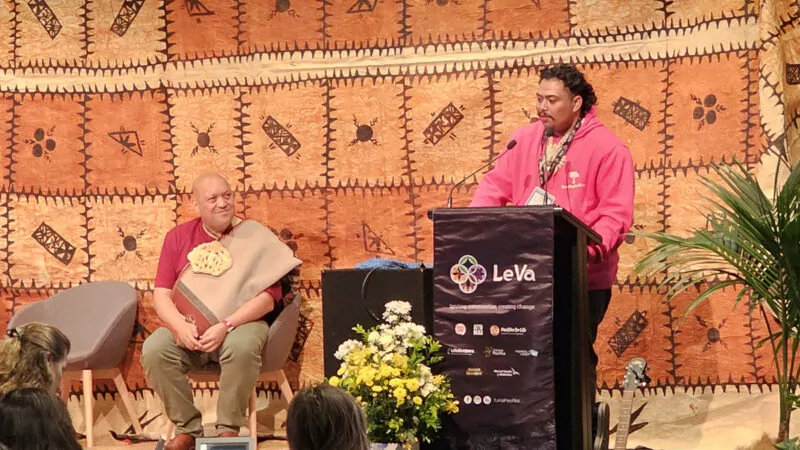
Dr Alexander Stevens II highlighted the unique risk factors and challenges experienced by Māori and Pacific men. He also emphasised the nuances and complexities of sexual violence experiences for men and boys who identify as Rainbow, people with disabilities and those of lower socio-economic status. As an advocate of mentoring the next generation of leaders, Dr Stevens II invited his student and mentee, Sione Finau to share his perspective and experiences as a young Pacific man navigating these spaces.
“We need to prioritise primary prevention and in all simplicity, that begins at home with our own children.”
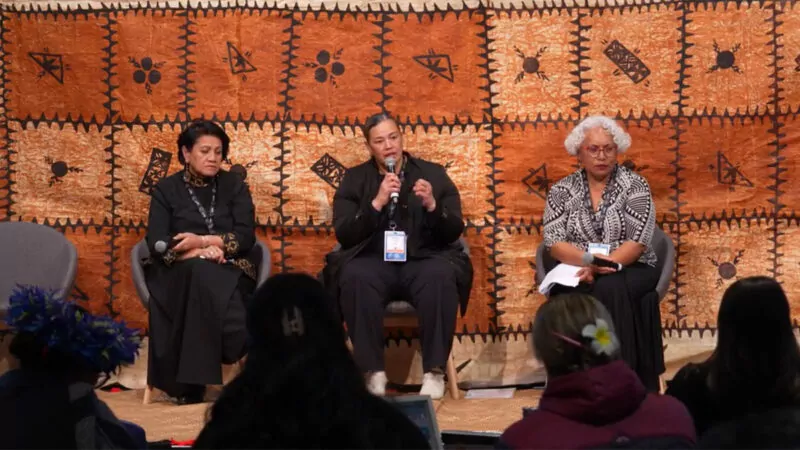
The ‘Sexual Violence Sector and Systems’ panel, featuring Sylvia Yandall (HELP), Serena Curtis (MSD) and Liz Tanielu (Te Puna Aonui), explored how effective violence prevention requires recognising both strengths and gaps within current systems.
The panellists emphasised that prevention must be a shared responsibility across all levels of the system, with cultural knowledge positioned not as an add-on, but as essential infrastructure for sustainable, community-led change.
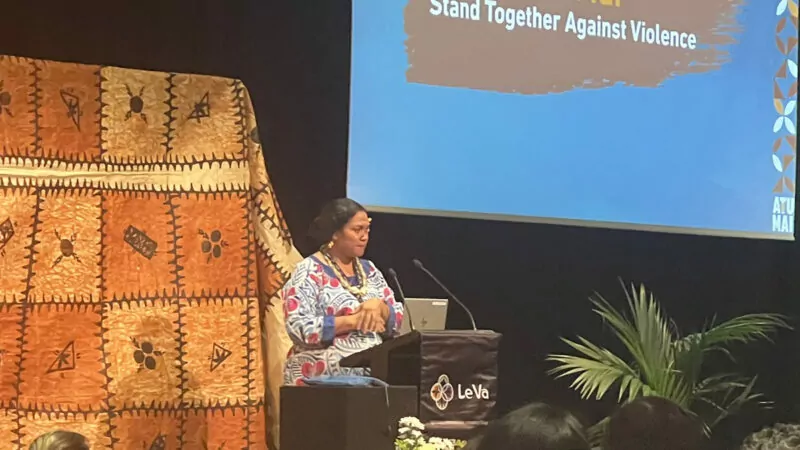
Day Two
“It is our responsibility to role model what healthy masculinity looks both on and off the field. Make our boys know that it is okay to not be okay. There is no judgement.”
‘Growing Men Who Are Upstanders’ was a session that explored the influential role of men, particularly within sports, in shaping and sustaining healthy gender norms. Jerry Seuseu (NZRL, Wellbeing Manger) and PJ King (Basketball Foundation Limited, Director) addressed how culturally grounded models of masculinity, rooted in values such as alofa (love), fa’aaloalo (respect) and tautua (service) can be powerful tools in challenging harmful norms and promoting protective behaviours.
By moving away from the expectation to “harden up” and positioning men as key allies, the stream contributed to a shift towards normalising vulnerability as strength and supporting the emotional wellbeing of young men as an essential part of violence prevention.
“Our communities hold the solution. We need to engage and get them involved as they know what works best for them.”
Dr Jade Le Grice delivered a compelling kōrero on the importance of reclaiming Māori understandings of sexuality, wellbeing and safety as essential to preventing sexual violence. Framing the conversation through tikanga and mātauranga Māori, she explored how traditional concepts such as ‘tapu’ and ‘noa’ offer culturally rooted protective factors, and the impact of colonial disruption on current experiences of harm. She called for prevention approaches that centre Indigenous knowledge, strengthen whānau-led solutions and restore balance through cultural reconnection.
“Youth are not waiting for tomorrow, they are already out there leading and influencing change for our people. As parents and elder, you just need to give us the space to thrive.”
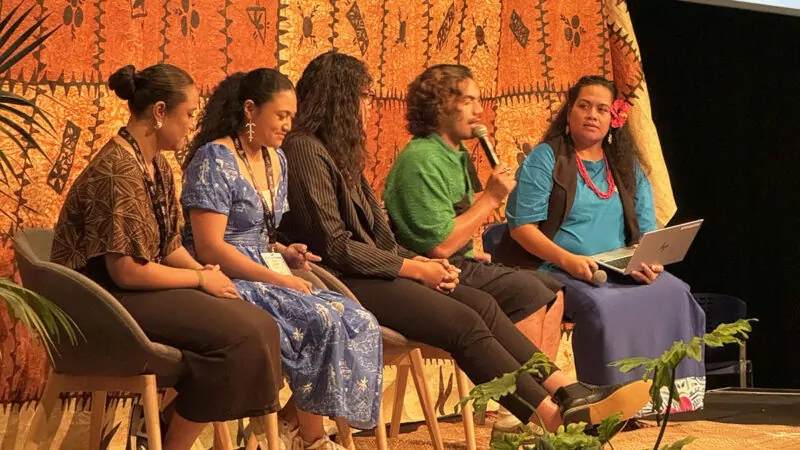
Our youth-led panel brought powerful insight and honesty to the forefront of the violence prevention conversation. Pelea Fruean, Kasi Valu, Mariner Fagaiva and Nele Kalolo shared the realities of navigating consent, identity and relationships while confronting silence, stigma and outdated norms. They called for open, intergenerational dialogue and safer spaces where young people can speak and be heard without fear or shame.
Their messages were clear: prevention starts with honest conversation; culture must evolve to protect rather than silence; and being an upstander is not just a role, it’s a responsibility. This session reinforced that young Pacific leaders are not waiting for permission to lead change, they are already doing it.
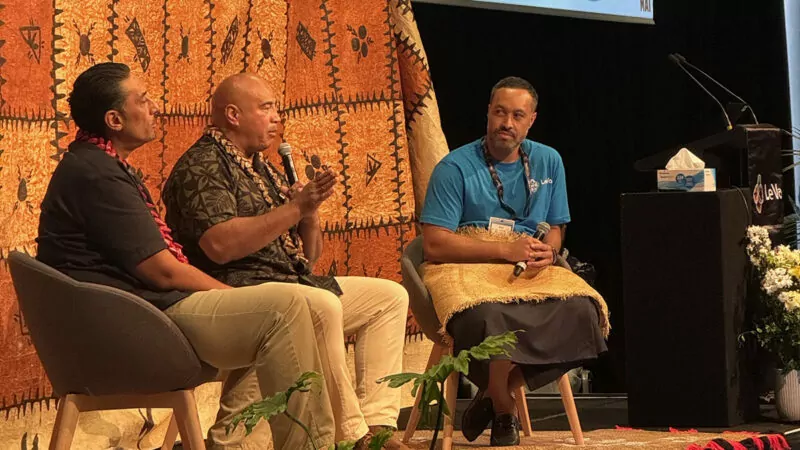
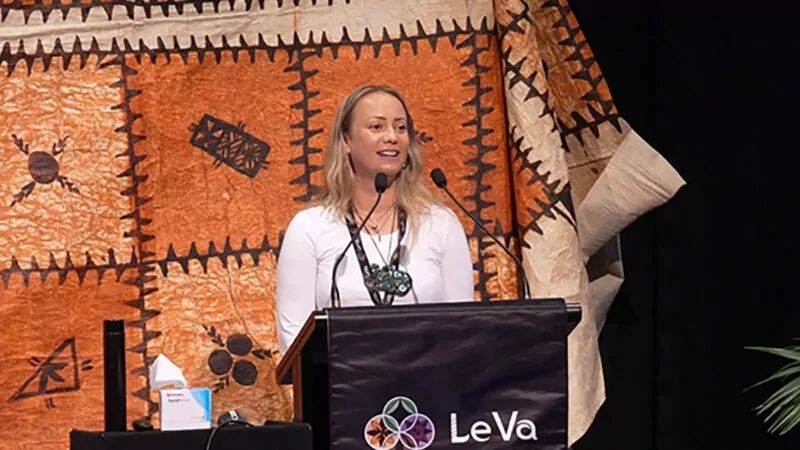
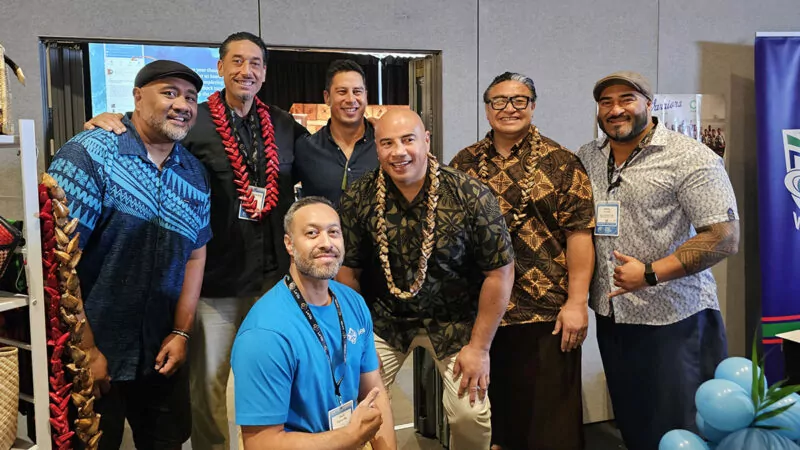
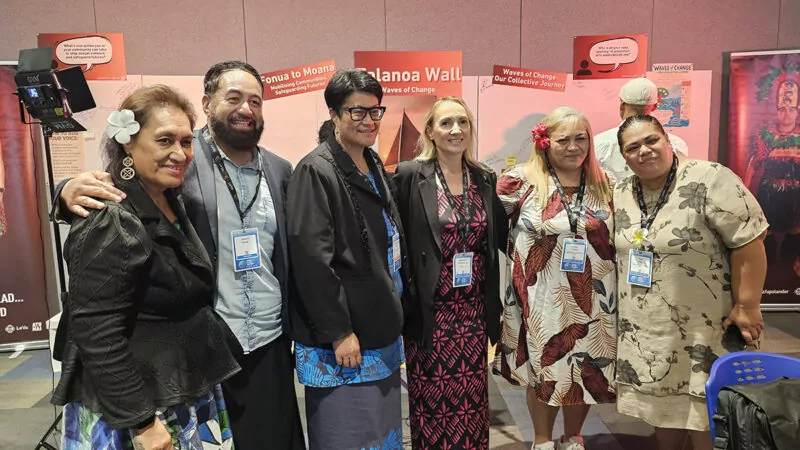
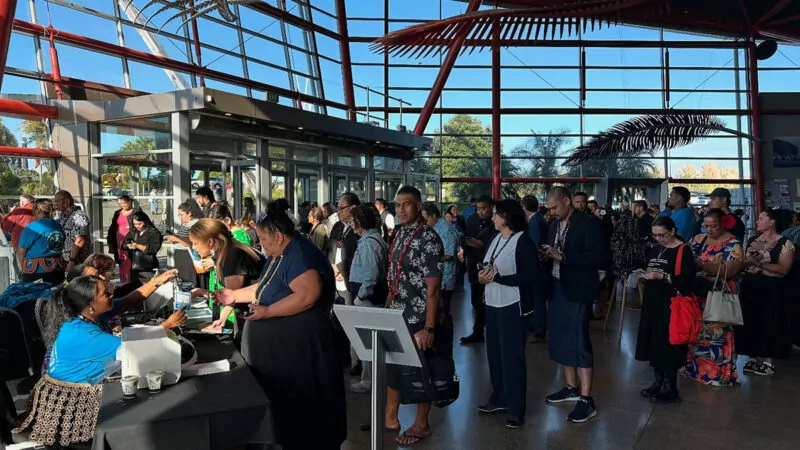
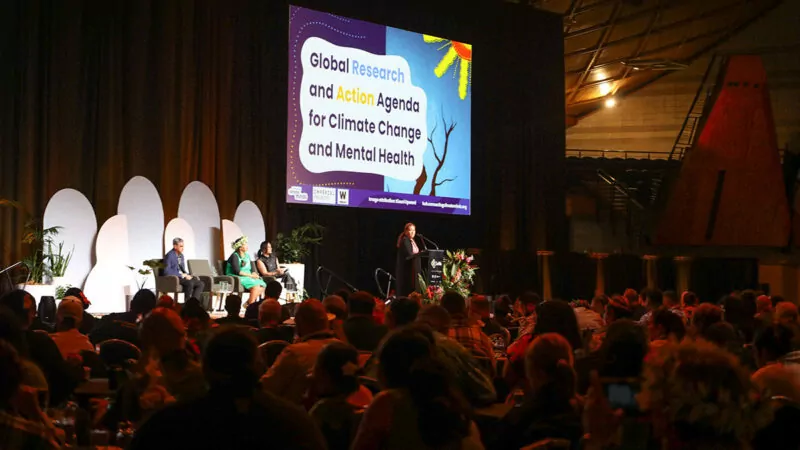
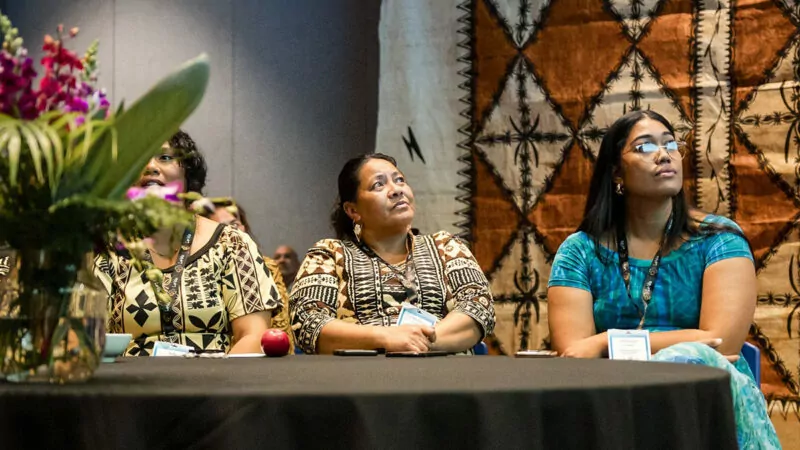
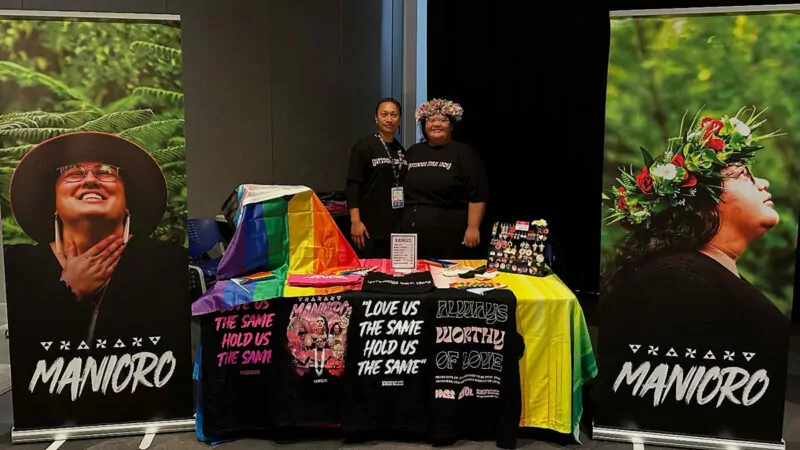
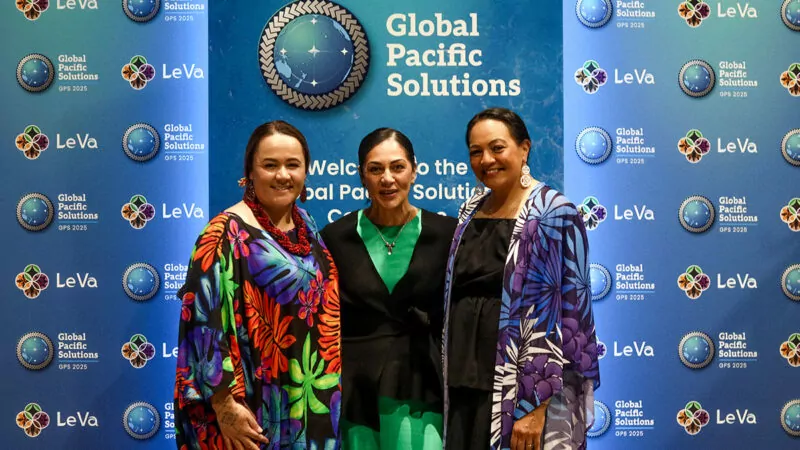
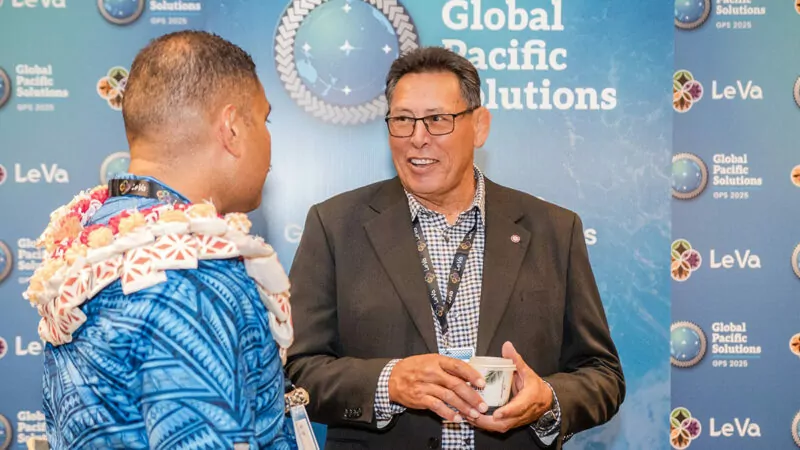
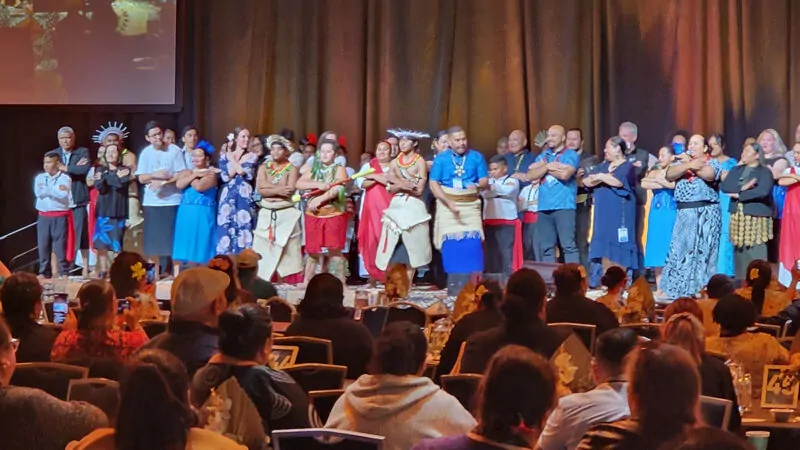
Over two impactful days in April, around 700 people joined together at the Due Drop Events Centre in Manukau for Le Va’s Global Pacific Solutions 2025 conference – uniting Pacific leaders, academics, international guest speakers, workforce and community members in a tour de force of strengths-based solution seeking.
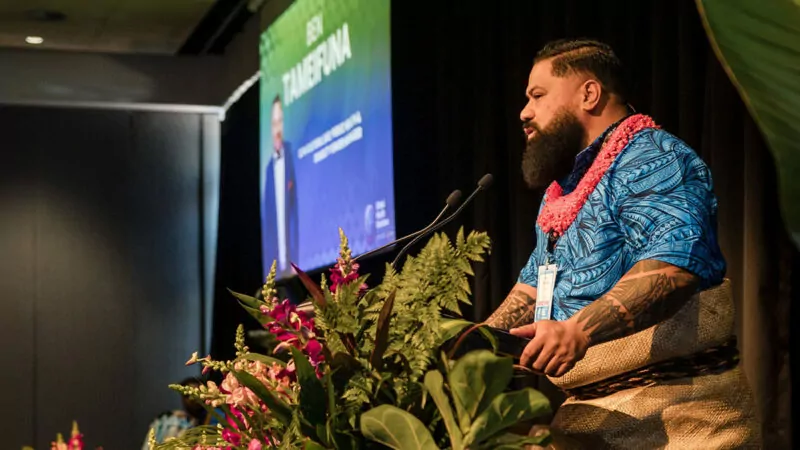
Bringing to light tough topics such as child trafficking, suicide prevention, climate change, child sexual abuse, equity for disabled people and the ever-growing demand for mental health and addiction support workers, GPS 2025 was an event that opened minds, challenged the status quo and inspired hope for all who attended.
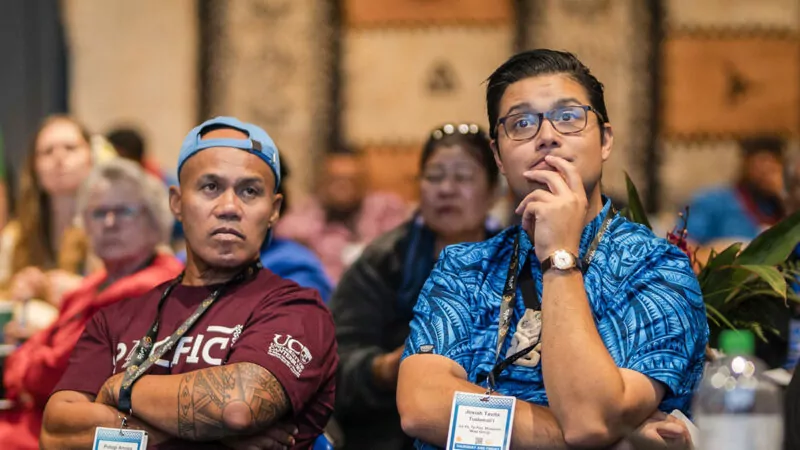
At times, the audience was moved to tears upon hearing transformative stories of overcoming adversity, fighting for justice and connecting to culture in a way that enhances our true selves.
Inspirational plenary speakers and breakout presenters communicated passionately, sharing their expertise to advance the knowledge of all who listened.
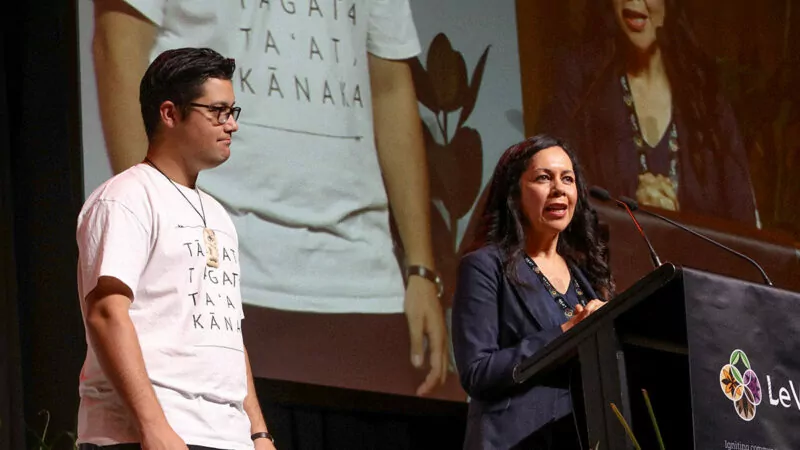
When opening the ‘Nurturing our Children’ plenary panel at GPS 2025, Le Va’s chief executive, Denise Kingi-‘Ulu’ave, said, “It is both an honour and a solemn responsibility to welcome you to today’s panel discussion on child sexual abuse and child trafficking across the wider Pacific.
“This is a conversation that demands our full attention, our collective expertise and most importantly, our unwavering commitment to action.
“The Pacific is home to diverse and resilient communities, but it is not immune to the global crises of child sexual exploitation and trafficking.”
We know that the solutions lie within our communities – GPS 2025 was an opportunity to bring together into one space the hearts, spirits and minds of hundreds of people, all eager to ignite change and promote the power of Indigenous intelligence.
Over the coming weeks, Le Va will be sharing many of the insights and solutions that were explored throughout Global Pacific Solutions 2025, with gratitude to everyone who was present and contributed to this important kaupapa.
Please subscribe to our eNewsletter to learn more: www.leva.co.nz/subscribe
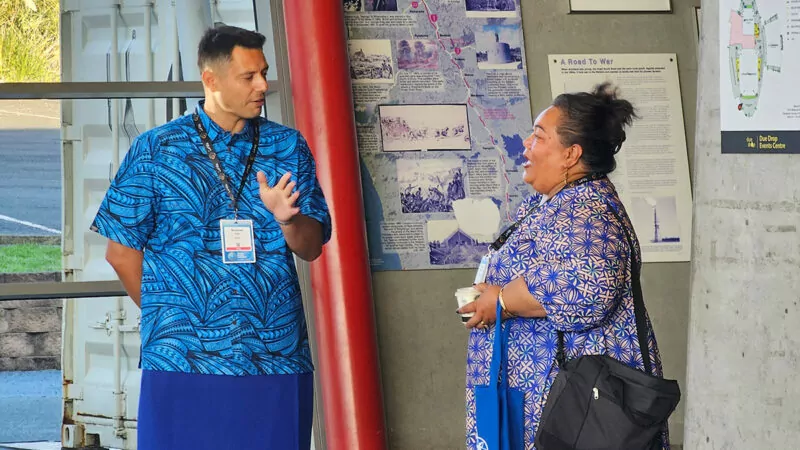
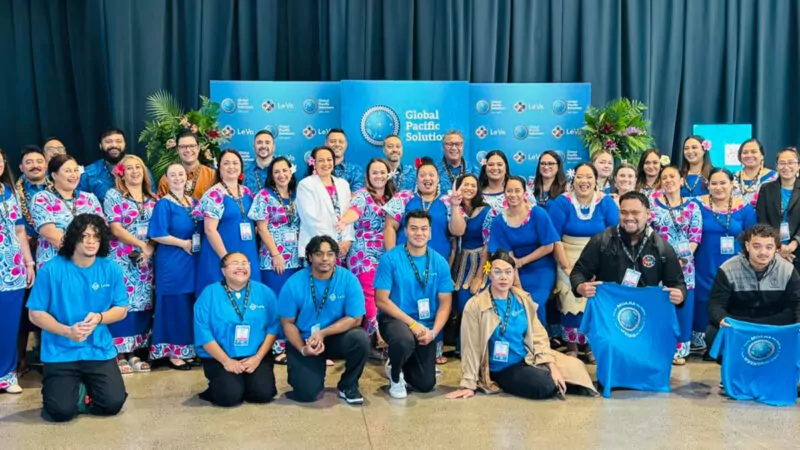
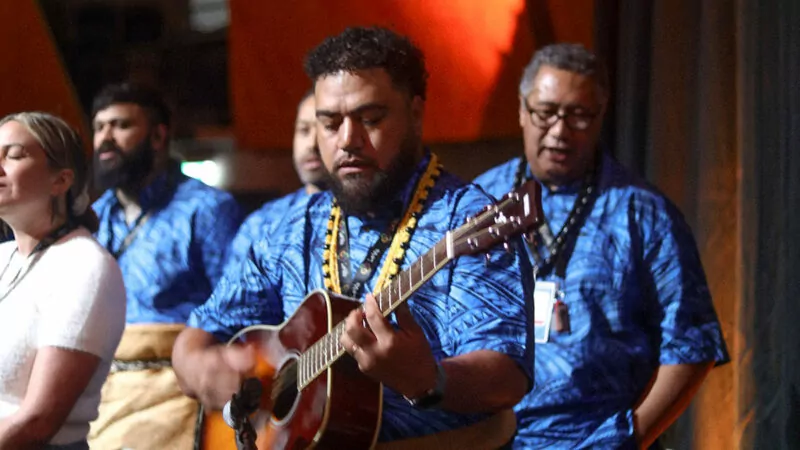
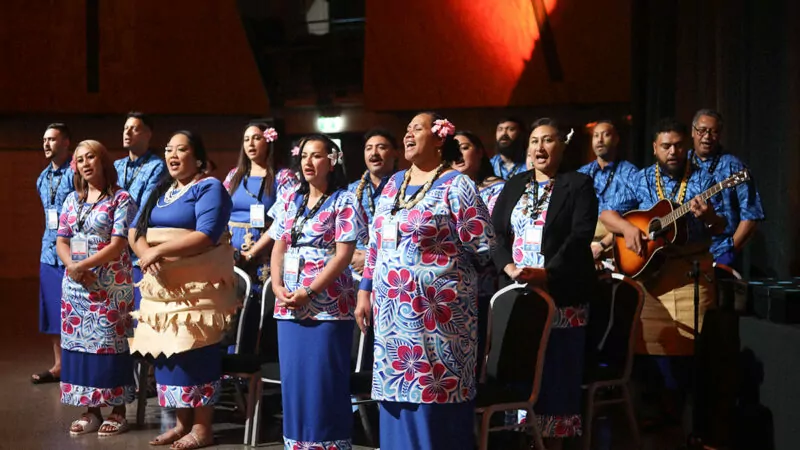
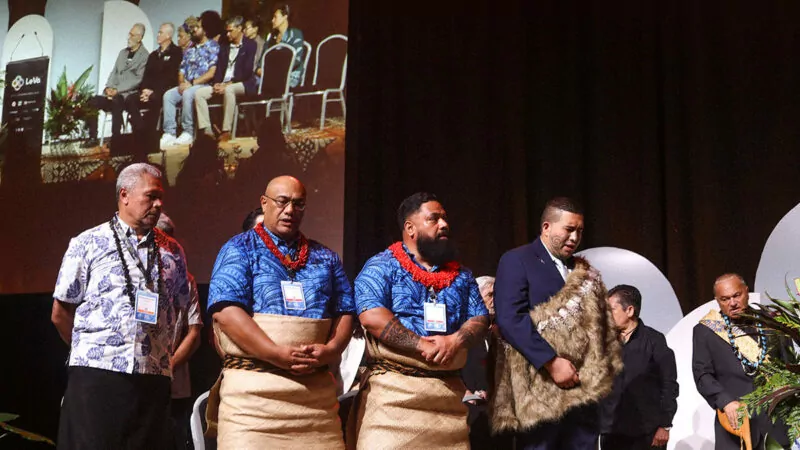
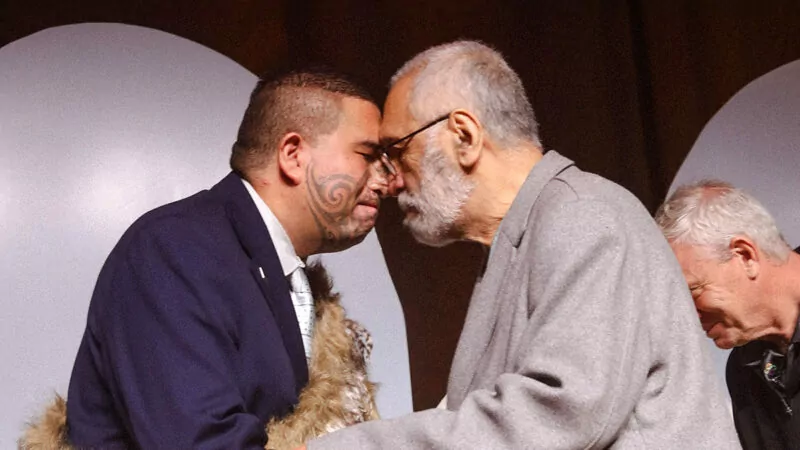
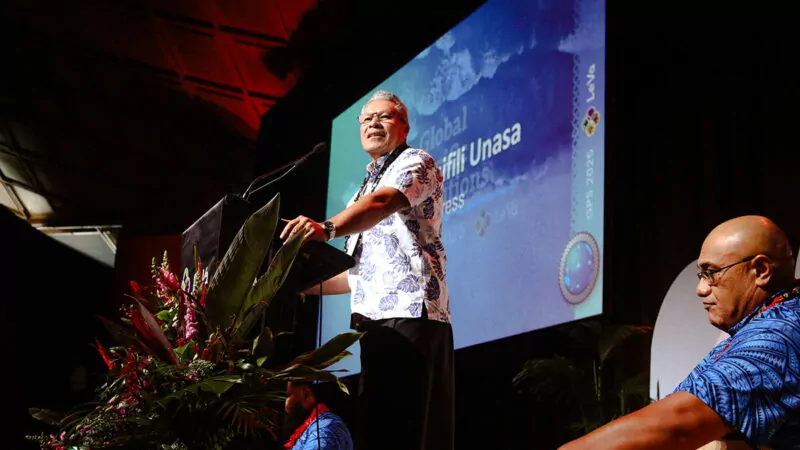
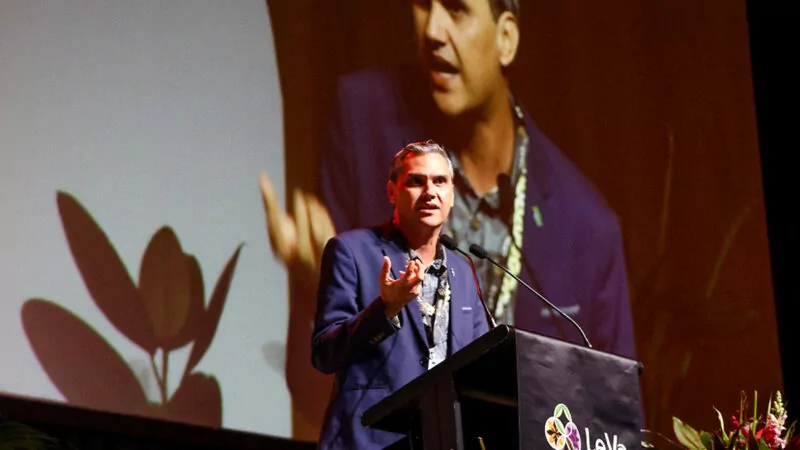
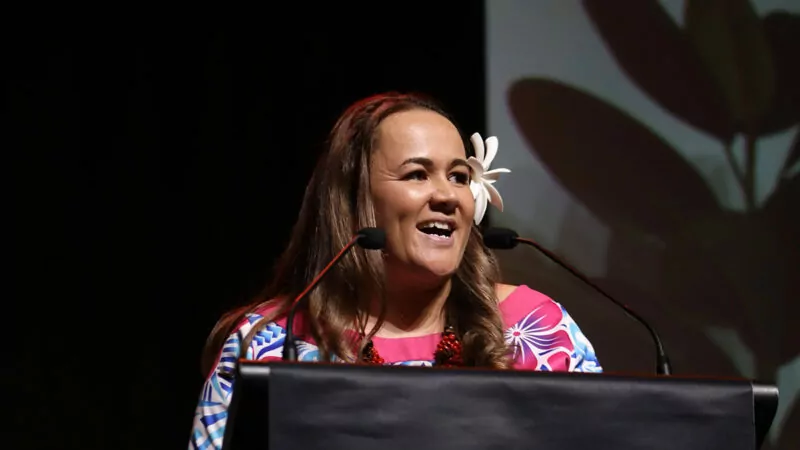
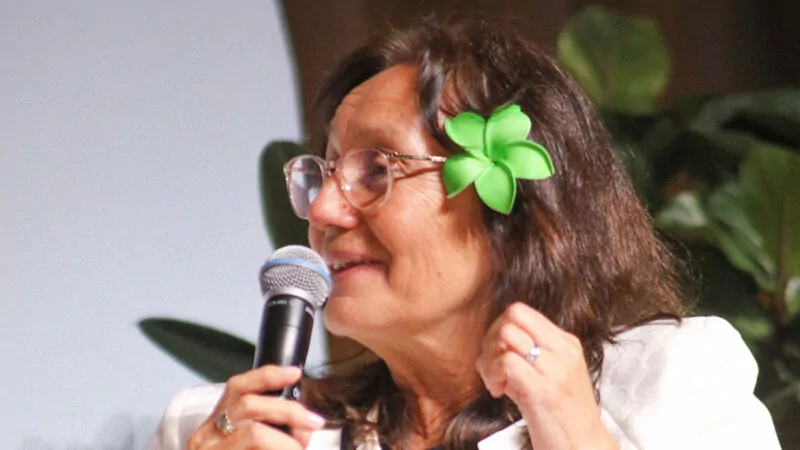
Ake Felix and Holly Walmsley support Le Va’s Atu-Mai Upstander movement to help raise awareness about preventing sexual violence and child sexual abuse, especially in Pasifika communities.
“I was interested in being an Upstander because, like I say in our culture, it can be quite a taboo topic to discuss,” says Ake, who is of Samoan and Māori descent.
“I wanted to be part of that shift by building that space to have the knowledge and confidence to speak about these topics and understand it is not a taboo topic, and it can be normalised, and people can feel confident speaking about sexual abuse and sex in general and helping and assisting other people in their families as well,” she says.
Holly, whose career has largely been in the sexual harm space so far, is a huge fan of Le Va’s programmes.
“Oh, I love Le Va, and I did the LifeKeepers [suicide prevention] course and thought it was awesome and thought this is going to be cool, I just know it.
“You really want to prevent it from happening in the first place – I mean there’s a lot of amazing work being done in this space and I’m excited to be in the prevention space with all these awesome people.”
Both women work as Community Health Promoters for Sexual Wellbeing Aotearoa and both are interested and supportive of the work Le Va’s Atu-Mai team is doing in the primary prevention space. Upstander Ake is also keen to engage the Pacific community more.
“I’d love through this mahi to engage our community in these types of talanoa, through workshops and social platforms as well,” says Ake who also wants resources to be easier to access by community as well.
She says it’s also about changing perspectives.
“One of the goals for me is to give the tools maybe our parents and generation before did not have,” says Ake.
“And setting up the scene to build new paths for others in the community to take steps as well.”
Le Va’s Atu-Mai Upstanders have begun their next wave of innovative community mobilisation activations, working to prevent sexual violence in different spaces including schools, community organisations, clubs and churches across Tāmaki Makaurau Auckland.
Community leaders, trained through the Atu-Mai Upstander programme, are delivering workshops and hosting talanoa (conversations) in their communities to raise awareness for the prevention of sexual harm.
Their activities cover topics like building healthy relationships, understanding boundaries and consent, and creating healthy gender norms.
Le Va’s senior manager for violence prevention, Paul Tupou-Vea, says he is proud to see community leaders breaking the silence around topics related to sexual violence.
“Traditionally there are cultural barriers that make it uncomfortable to talanoa about sexual harm or sexual safety,” he says.
“That makes it all the more important and powerful when we start to shine the light on these issues.”
The Atu-Mai team held several sexual violence prevention training sessions in 2024 to share knowledge about the causes, risks and protective factors of sexual harm in our communities, focusing on how we can all work together to bring about change.
Le Va’s Atu-Mai community engagement leads have been working alongside to support our Upstanders.
One of the leads, Charles Lavea, says his work with men and fathers has helped, especially when it comes to healthy masculinity norms.
“Men and fathers having a safe space to talanoa openly is a powerful step towards transformation,” he says.
Charles added that when men feel safe to share, reflect and challenge harmful norms without fear of judgement, that’s when real change starts to take place.
“By strengthening leaders’ capabilities, we create environments where respect, consent, and positive masculinity become the norm,” he says.
Le Va is part of the Wise Group. Copyright ©2026
