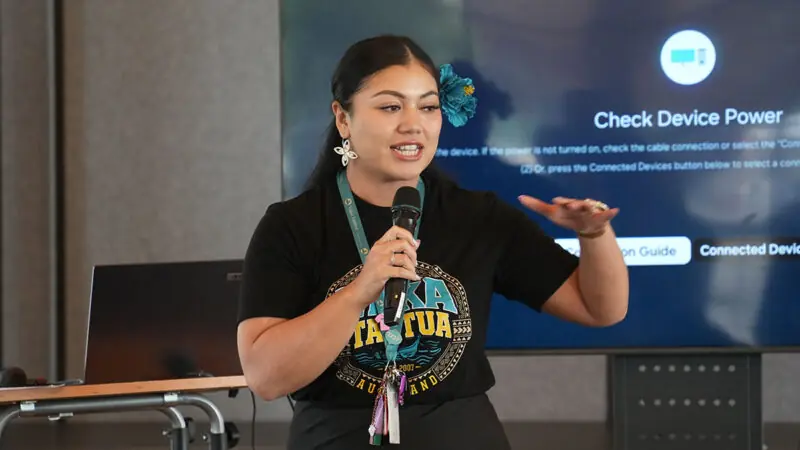
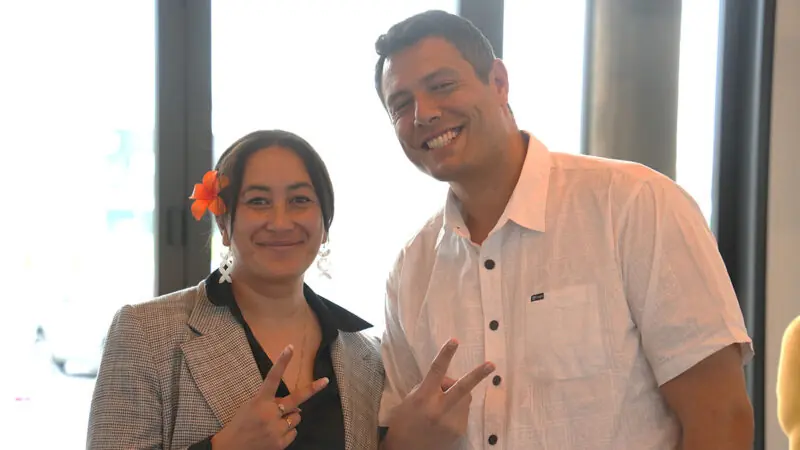
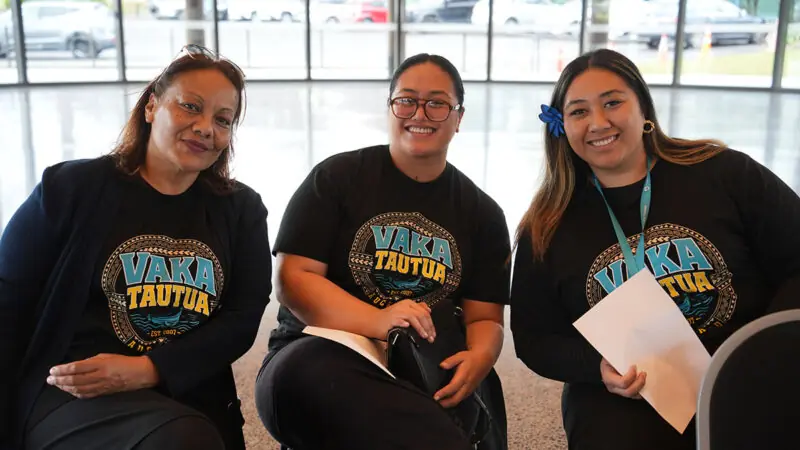
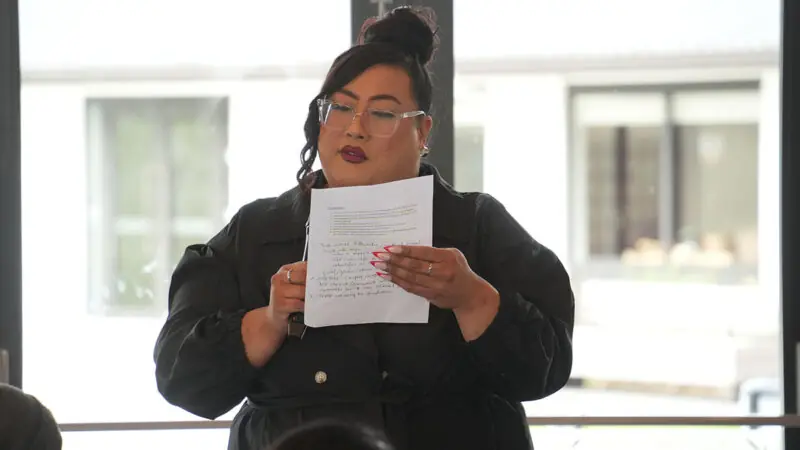
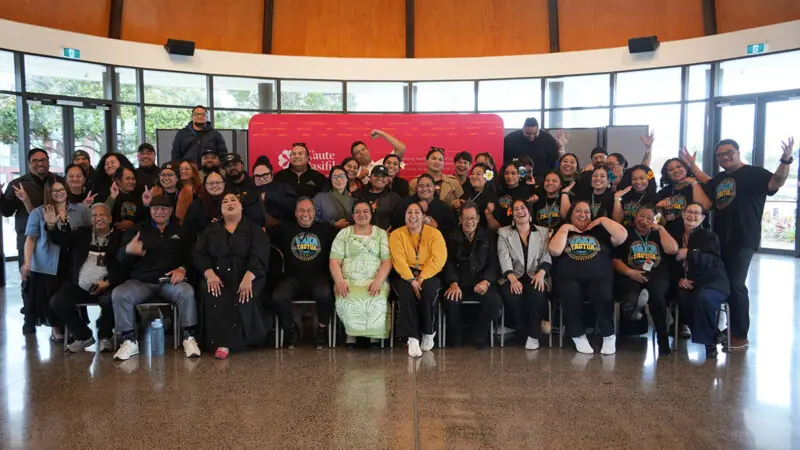
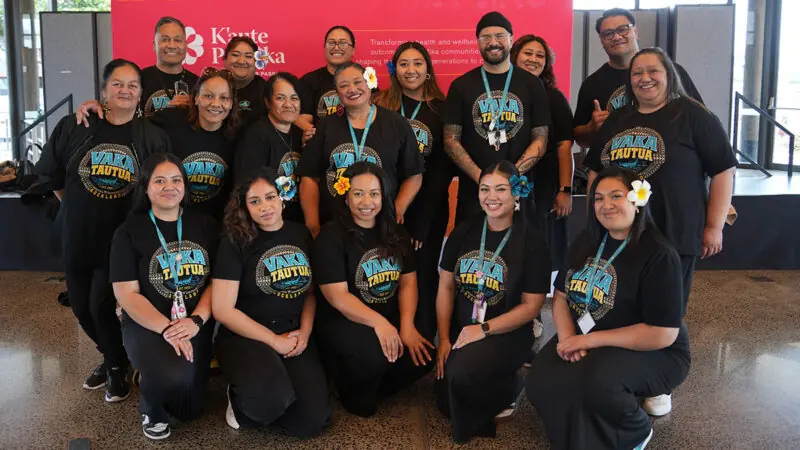
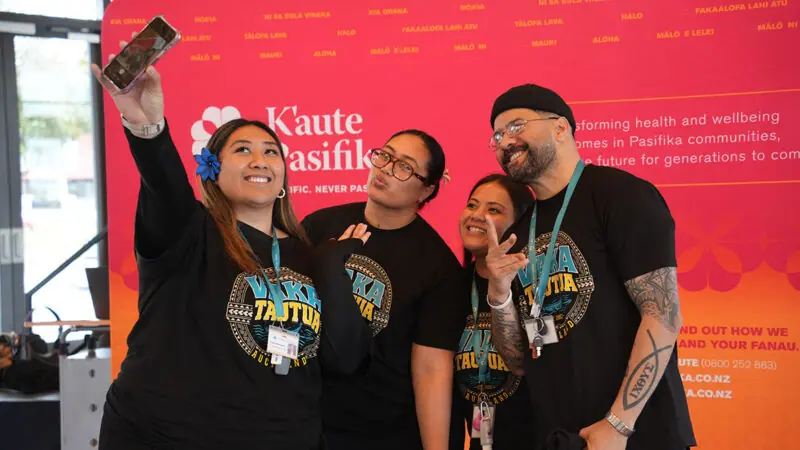
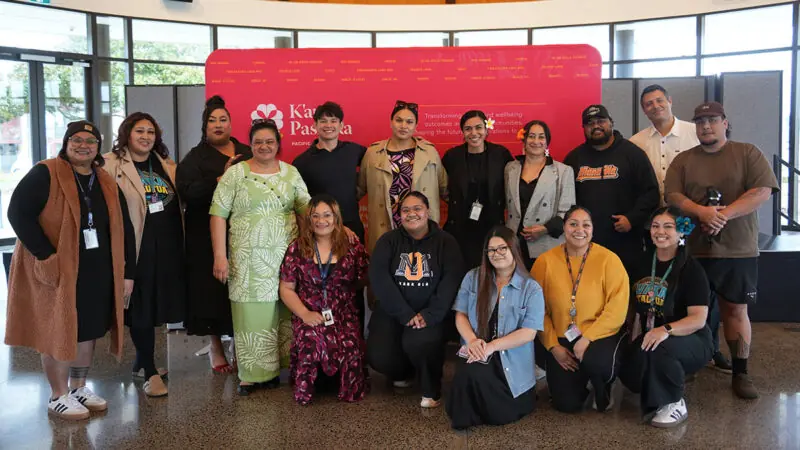
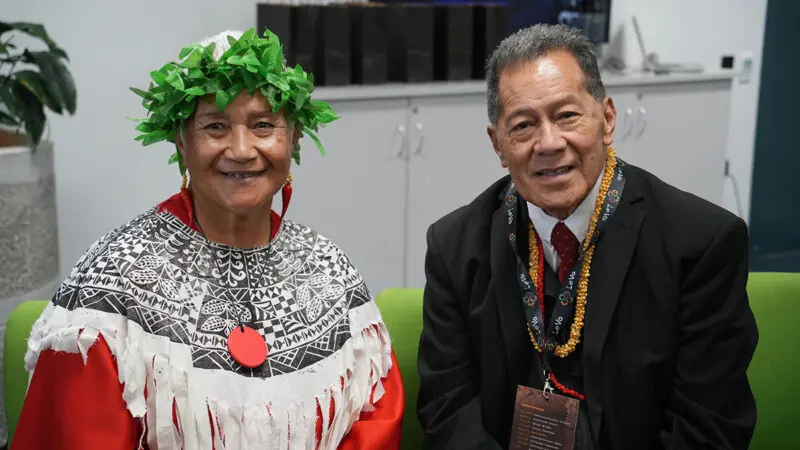
Pacific mental health and addiction practitioners from across Tāmaki Makaurau Auckland and Kirikiriroa Hamilton came together recently for a day of connection, learning and collective reflection at the Access and Choice Northern Region Community of Practice.
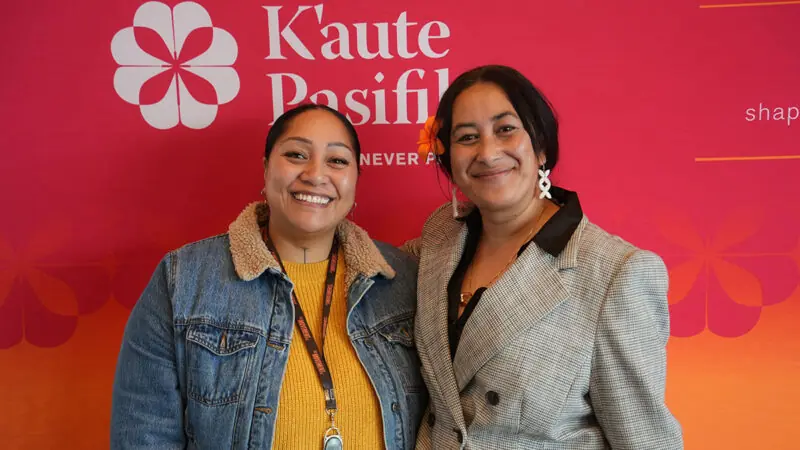
Facilitated by Le Va and generously hosted by K’aute Pasifika at their beautiful fale, the gathering was an opportunity to for the Pacific Access and Choice workforce to build relationships and trust across organisations while learning from diverse experiences and expertise.
As one participant said, “Despite the distance or organisation, the work we are doing is meaningful, is intentional and is needed in our Pacific communities.”
Communities of Practice provide space to strengthen the va between practitioners, share knowledge and innovation, and support reflective practice. As part of Le Va’s onoing support for the Pacific Access and Choice workforce, we facilitate these opportunities because we believe that when people are connected across services and regions in this way, capability grows, collaboration deepens and the Pacific communities we serve feel the benefit.
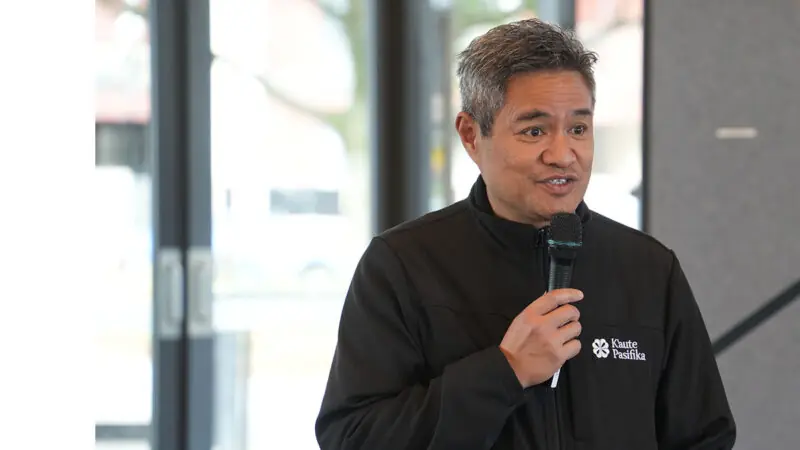
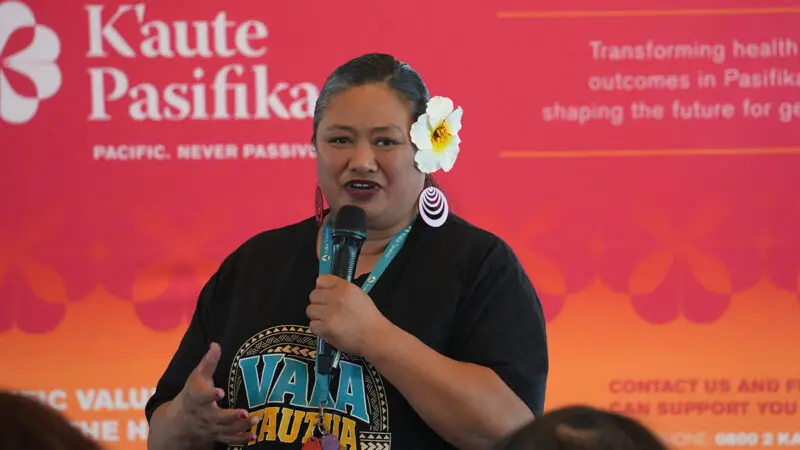
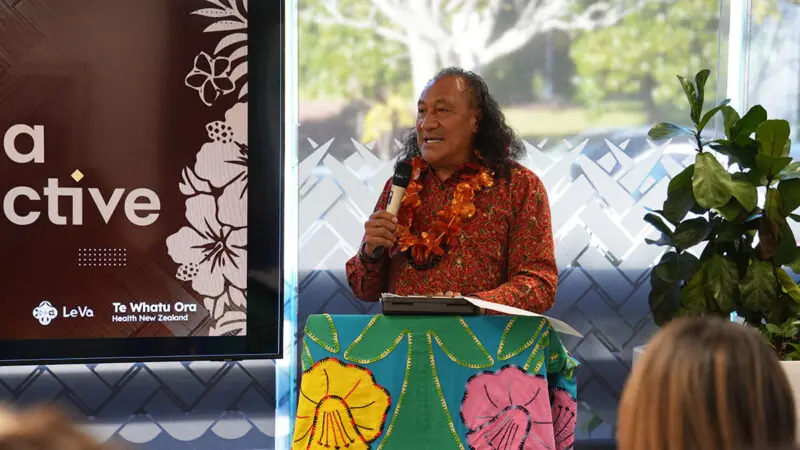
The day opened with a warm welcome from K’aute Pasifika Chief Executive, Taulapapa Wilmason Jensen, who shared reflections on K’aute Pasifika’s journey, vision and commitment to improving the wellbeing of Pacific and wider communities in Aotearoa.
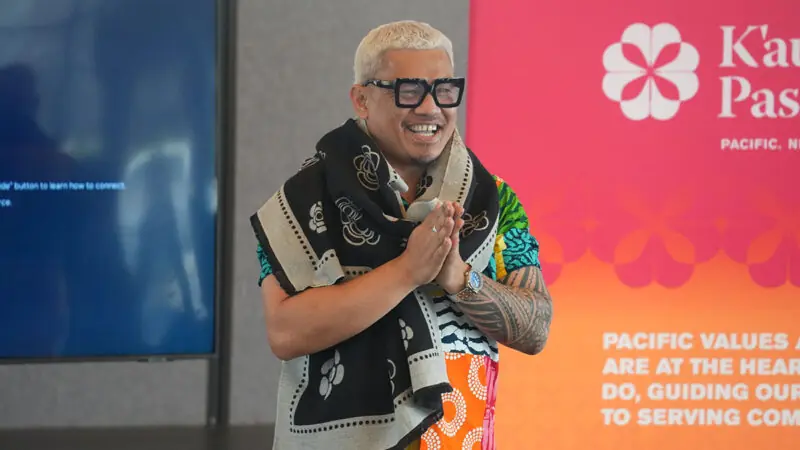
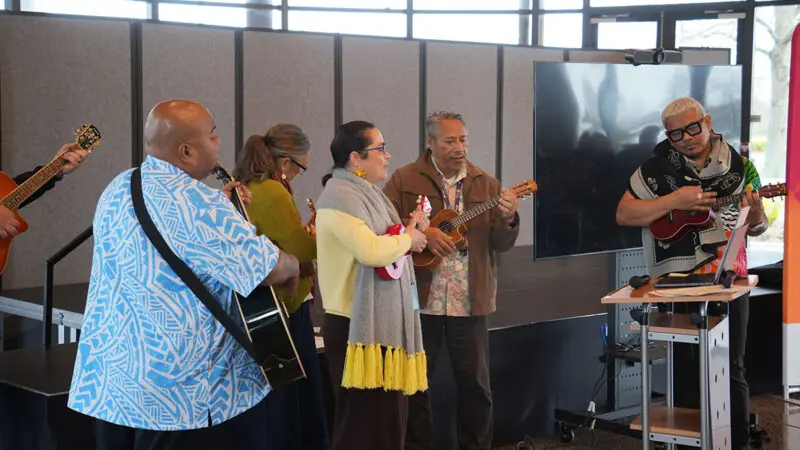
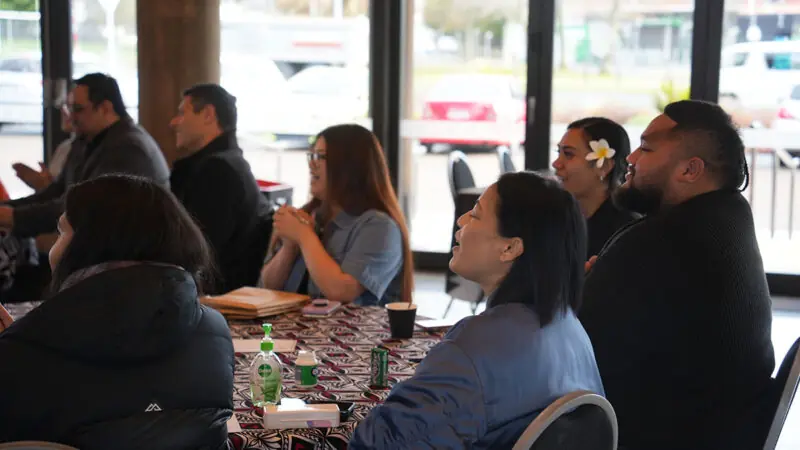
Practitioners then toured the K’aute Pasifika village itself, gaining a firsthand appreciation of their holistic, community-centred approach and getting a closer look at the breadth of services K’aute Pasifika provides and the kaupapa guiding their work.
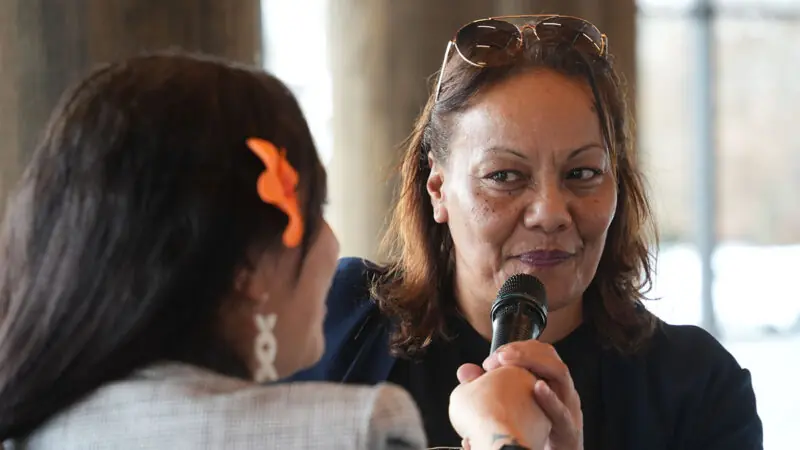
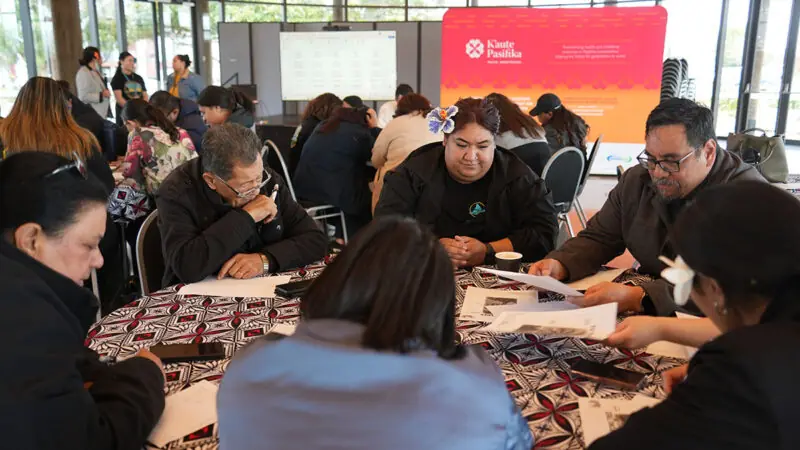
The afternoon turned to collaborative practice learning, with participants bringing real-life case studies from their own work to collectively explore complex situations in a safe and supportive space.
Mixed groups from across the sector shared talanoa about different approaches, perspectives and ways of working. These conversations highlighted the richness of collective wisdom across the Pacific workforce and reinforced that no single organisation holds all the answers, we are stronger when we learn together.
Feedback from a participant highlighted that, “Connecting with other agencies and discussing case studies, hearing how they would approach situations differently to how I would was a good insight on how to improve my practice.”
Meitaki ma’ata to K’aute Pasifika for your generous manaakitanga, your warm hospitality, and for opening your doors to our Pacific Access and Choice workforce. Sharing your journey, your spaces and your knowledge made for a genuinely meaningful day of learning and connection.
Learn about Fenoga Pule, Le Va’s initiative supporting our Pacific primary mental health and addiction workforce: Fenoga Pule
We do not need to create Pacific disabled leaders. They are already here.
– Mati Dr Elizabeth Mati
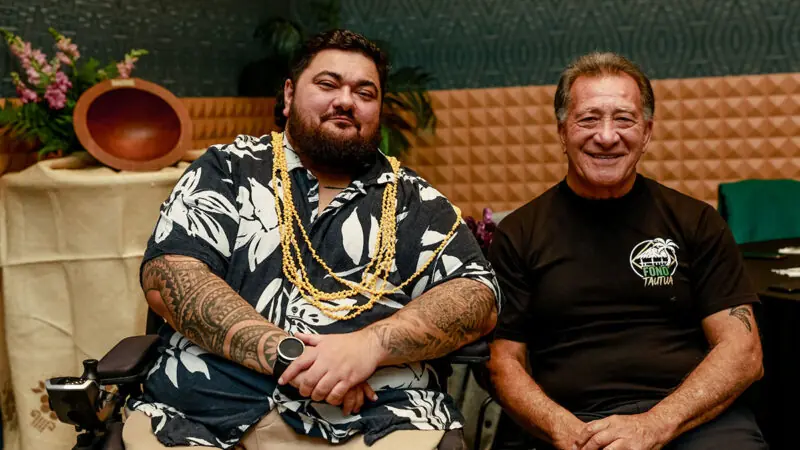
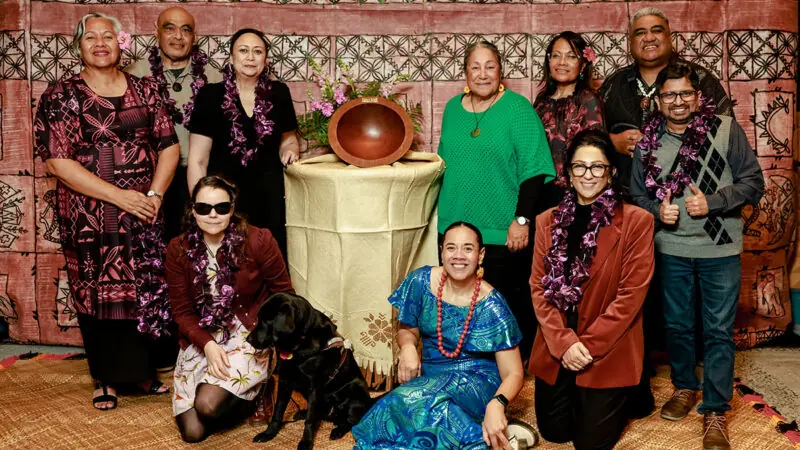
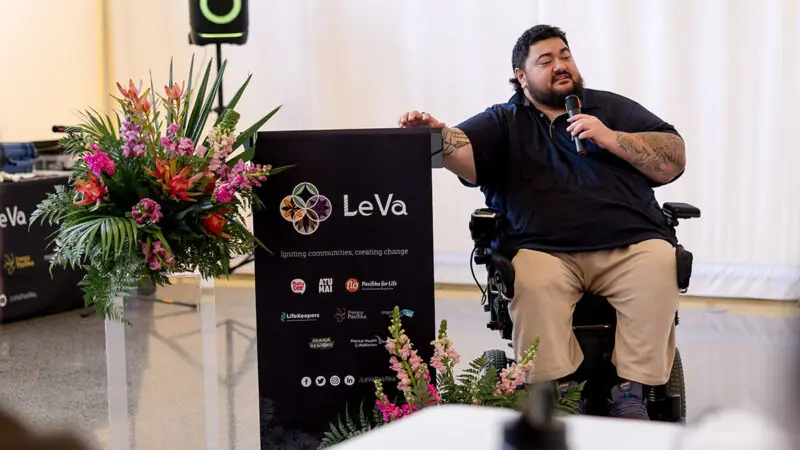
On the evening of 22 July, Le Va and Whaikaha – Ministry of Disabled People created space for a special moment: the introduction of the first Faiva o Ta’ita’i Pacific disability leadership cohort.
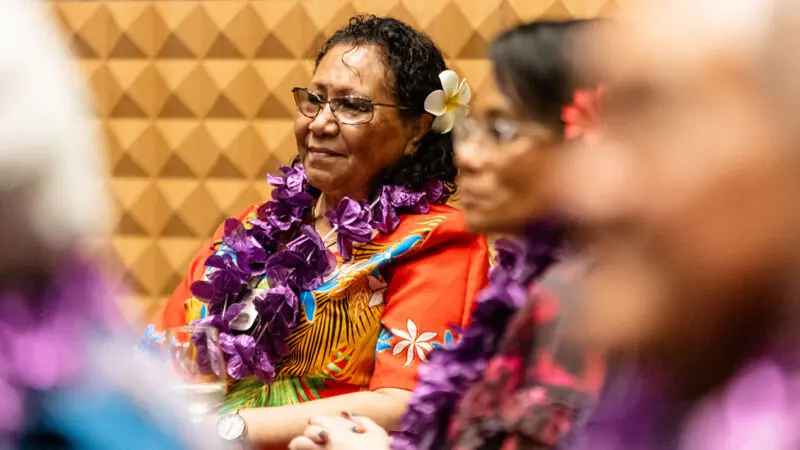
The official launch event resonated with an energy and heart that could be felt throughout the room as a mix of anticipation, pride and hope that a long-held goal was about to be achieved.
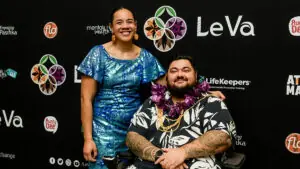
Felicia Manase and Kramer Hoeflich
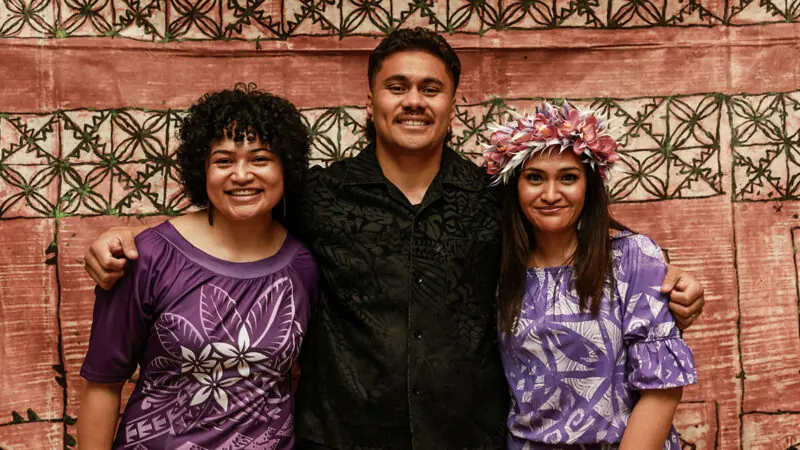
MCs Kramer Hoeflich and Felicia Manase, disability champions and members of Le Va’s Faiva Ora leadership group, kept the evening flowing with warmth and humour.
They welcomed a room full of Pacific disabled leaders, their families and the people who championed this kaupapa into being, including Le Va’s senior manager for disability and public health, Ben Tameifuna, and Whaikaha Chief Advisor Pacific Peoples, Tofa Suafole Gush.
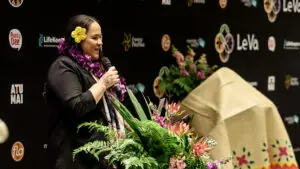
Mati Dr Elizabeth Mati
Chief executive of Le Va, Mati Dr Elizabeth Mati, said in her keynote speech, “We do not need to create Pacific disabled leaders. They are already here.” What has often been missing, she said, is the opportunity, the platform and the investment.
That is what Faiva o Ta’ita’i, a phrase that speaks to the craft of leadership, sets out to change. Faiva o Ta’ita’i draws on Le Va’s well established and groundbreaking Le Tautua Pasifika leadership programme, reimagined through a disability lens.
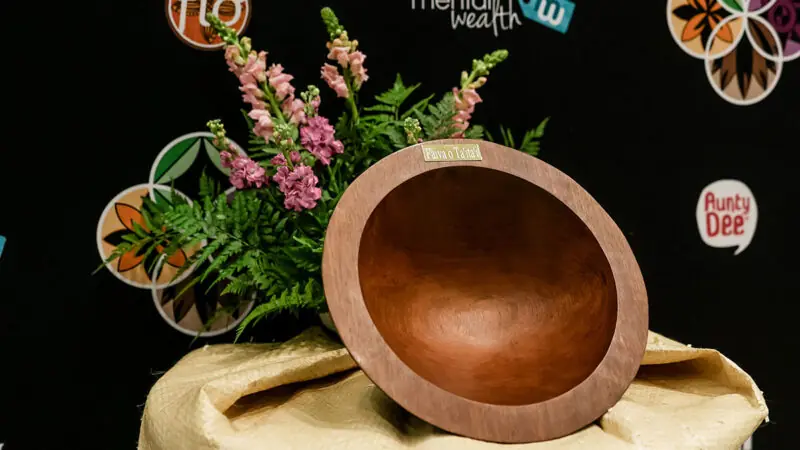
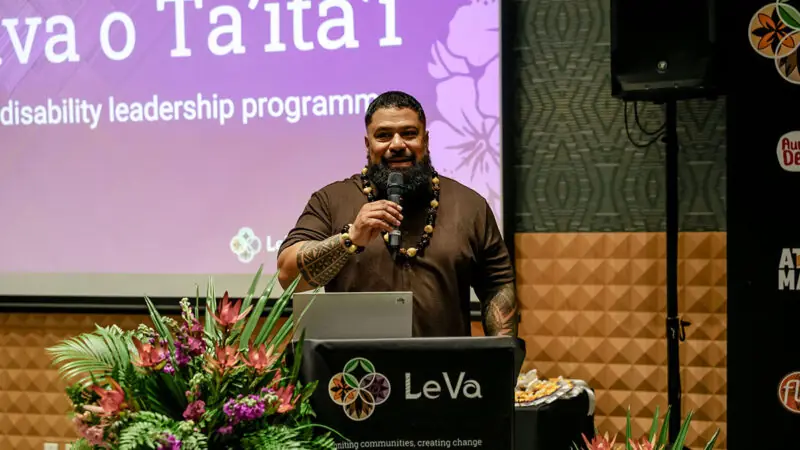
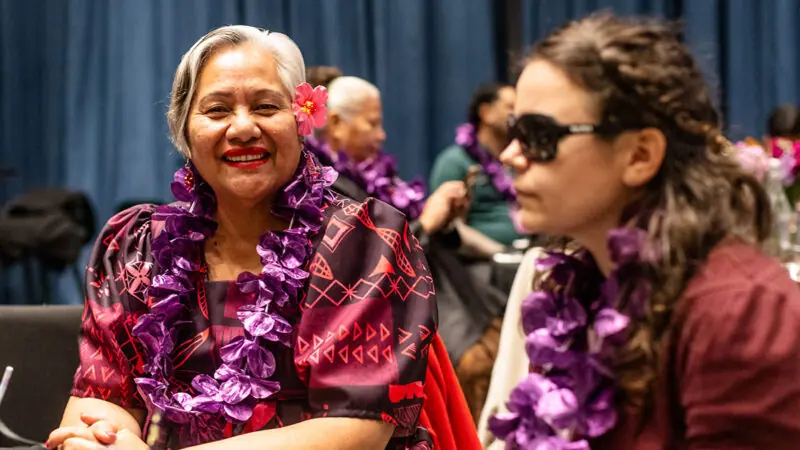
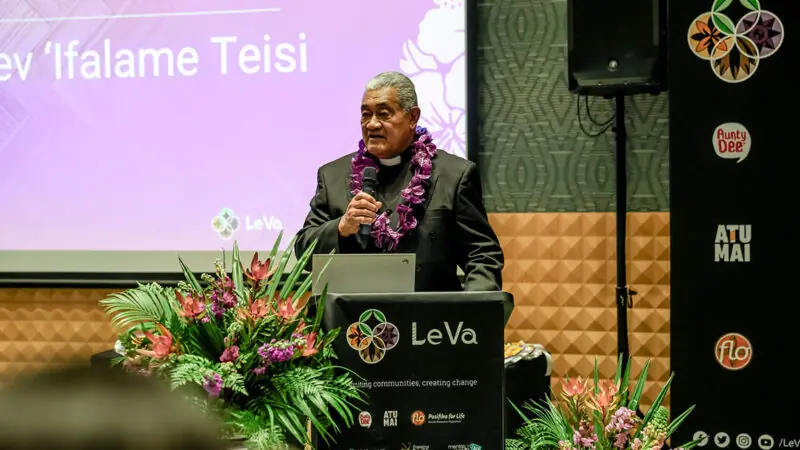
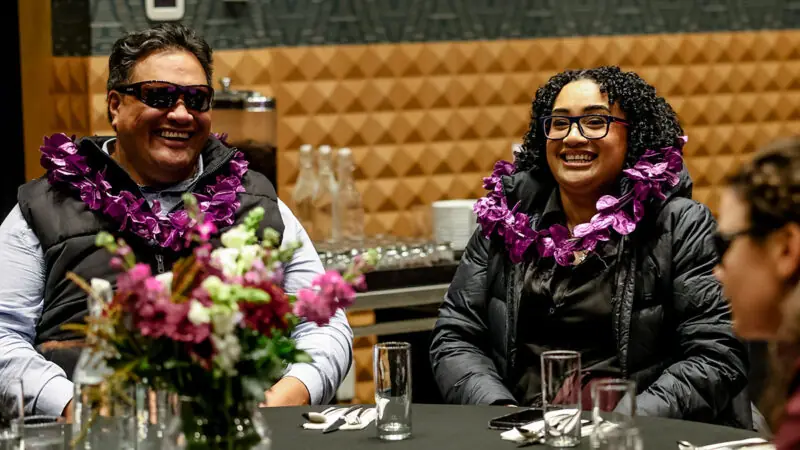
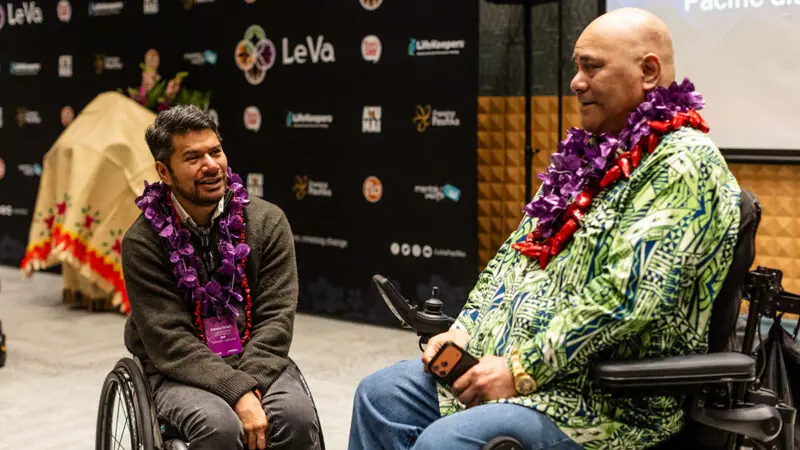
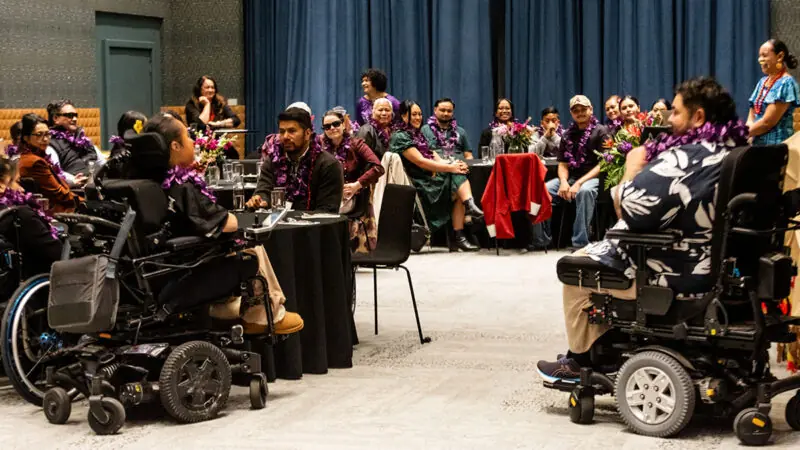
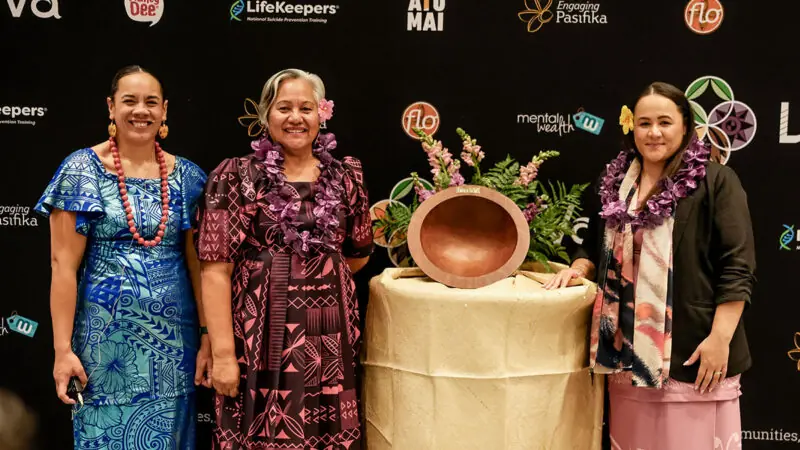
“Leadership is tautua,” Dr Mati said. “It is about showing up for others, creating opportunities where none existed before, ensuring every voice has the chance to be heard, and having the courage to create positive change.”
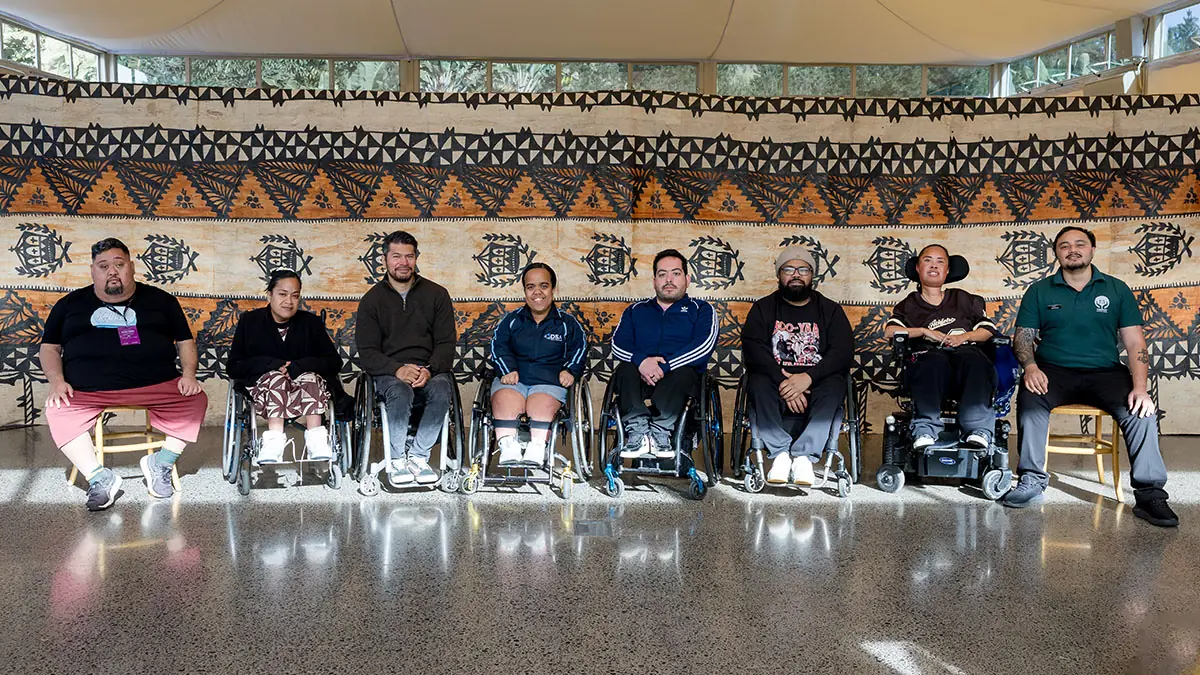
For the eight participants selected for this inaugural cohort, the evening marked the start of something more than just another workshop.
The following two days brought the participants together on Puketutu Island for leadership sessions and presentations that were equal parts connection, reflection and challenge.
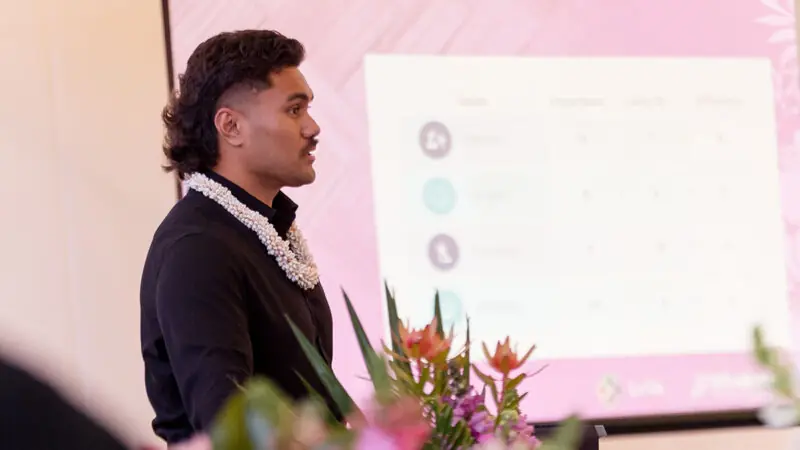
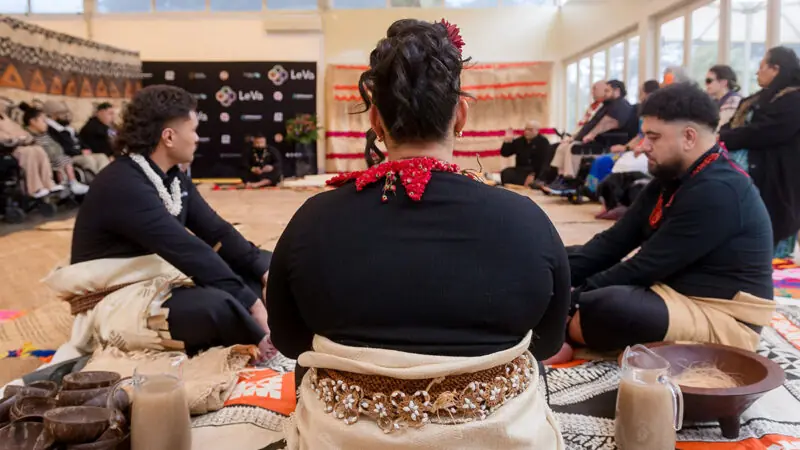
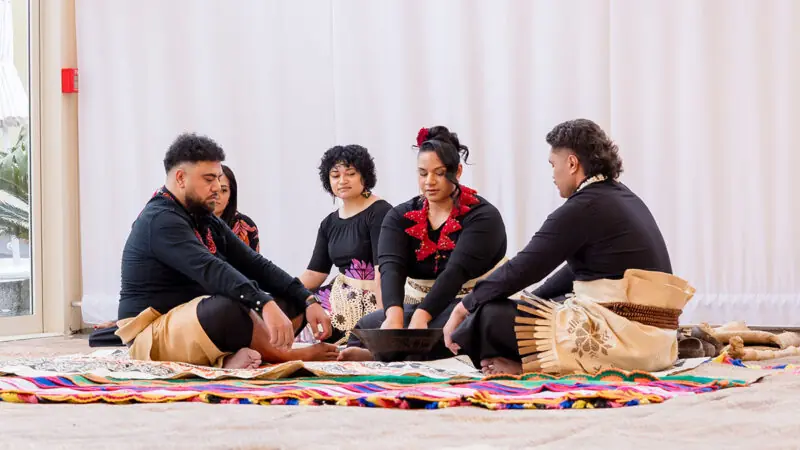
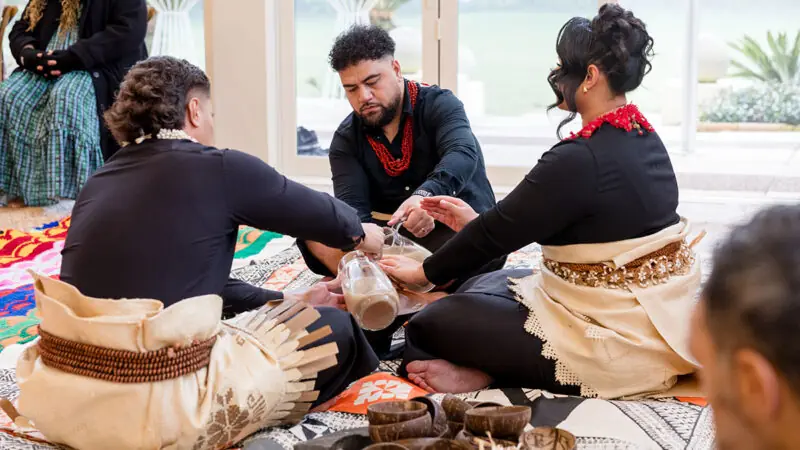
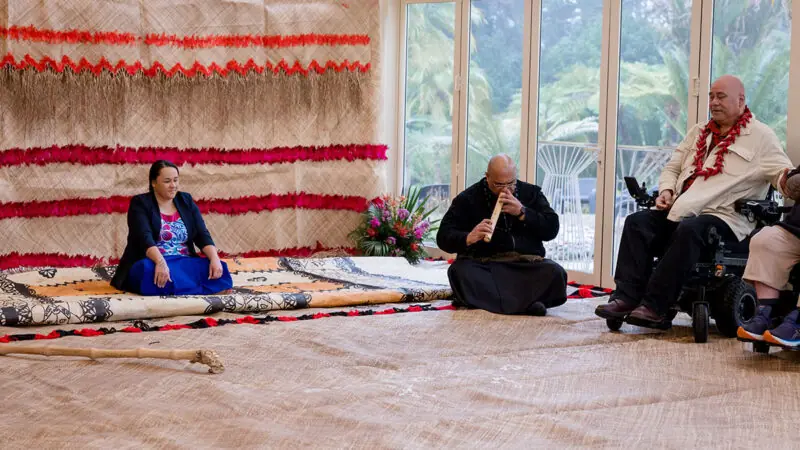
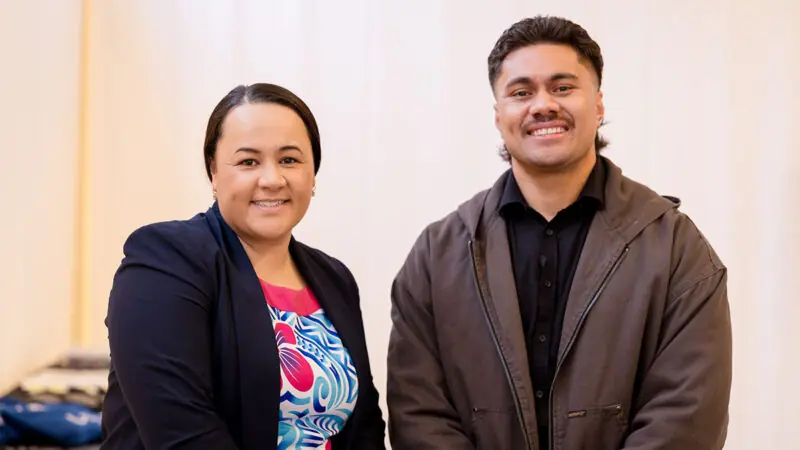
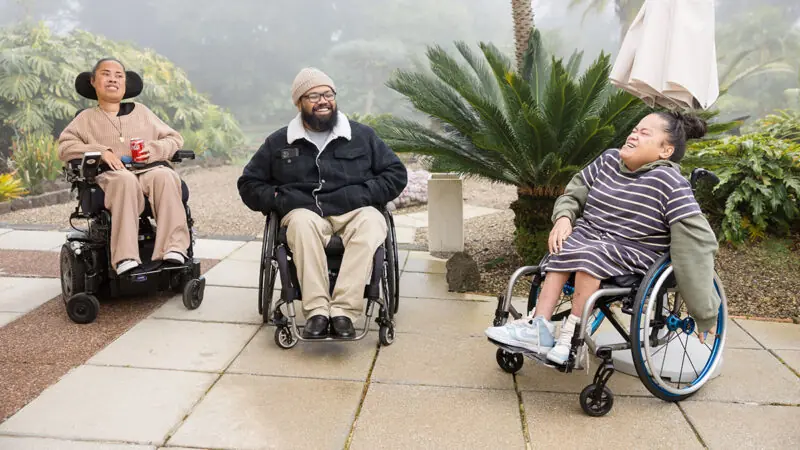
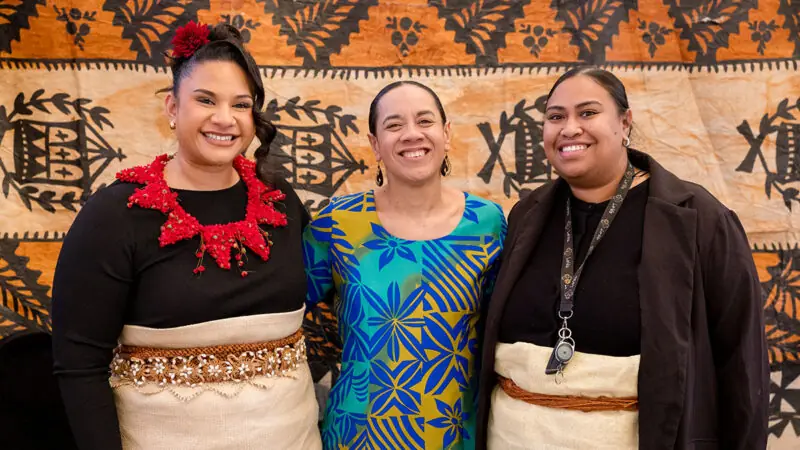
Day One opened with a traditional Tongan kava ceremony, grounding the group in ceremony and respect before the work began, a fitting start for a programme built on cultural identity as much as leadership skill.
Day Two continued with conversations spilling from the formal learning sessions into meal breaks, where some of the richest learning happened.
As the first cohort through the programme, these leaders carry a responsibility beyond their own journeys. Their experiences will help shape the path for every Pacific disabled leader who follows.
Their leadership was never in question. Now, it has a platform to match.
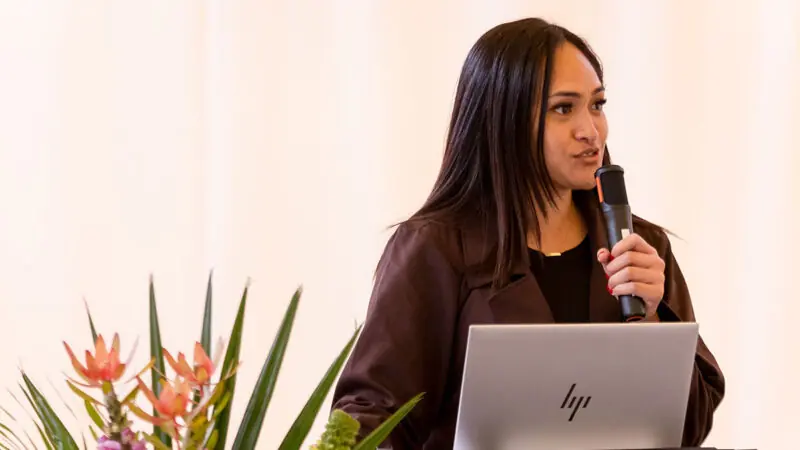
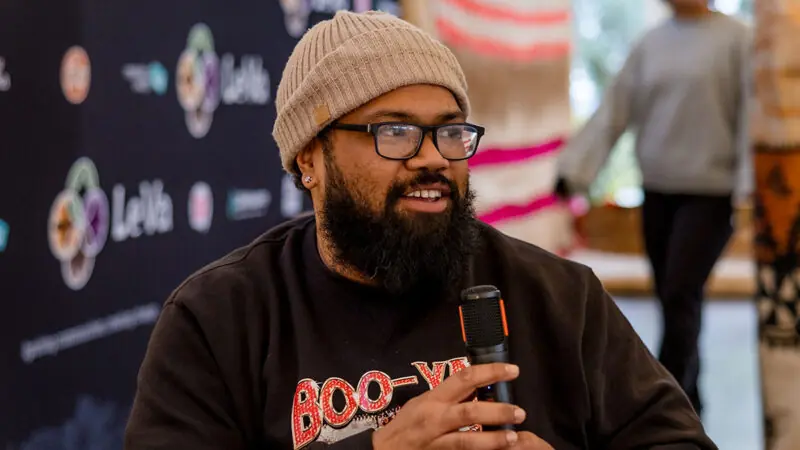
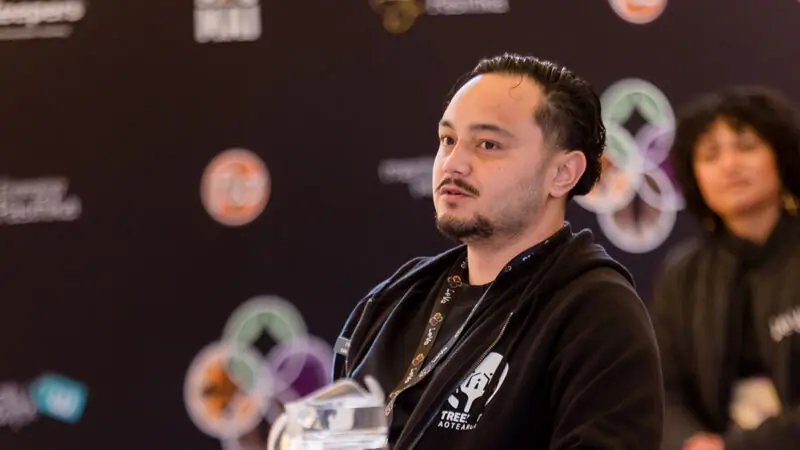
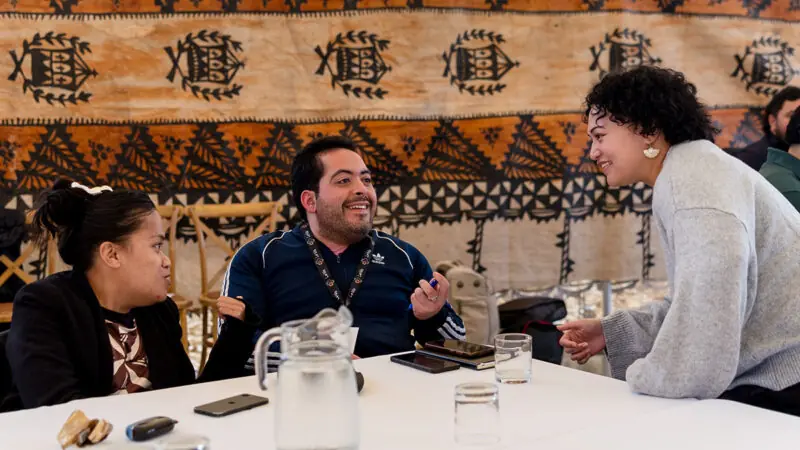
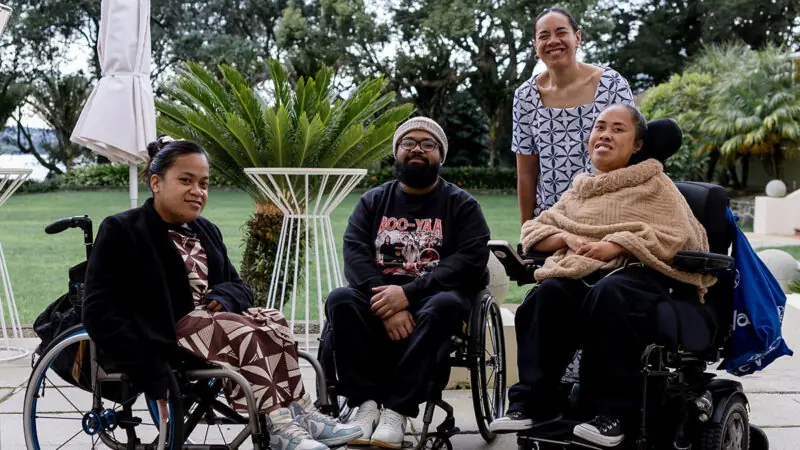
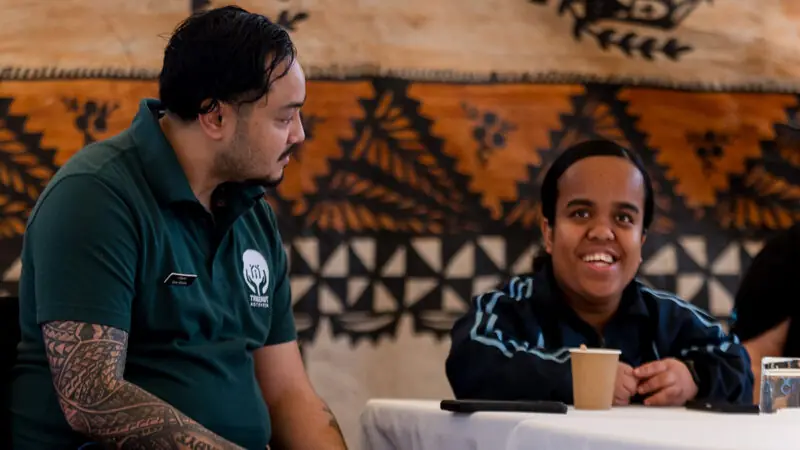
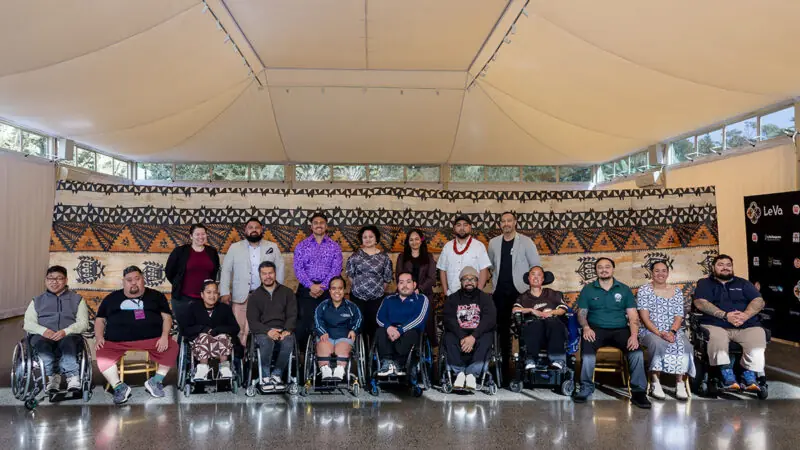
Congratulations to the 2026 Faiva o Ta’ita’i cohort:
- Jordan Kareroa
- Lavinia Lovo
- Tainafi Lefono
- Tupou-Uangafa Aiona Manu
- Daniel Foliaki
- John Nu’uausala
- Naomi Vailima
- Solomon Brown
As Pasifika, we often achieve through the support of our wider village. Being a part of Le Va reminded me that there are many people invested in seeing us succeed.
Matanoko McDonald is no stranger to hard work and high achievements, balancing training and competing internationally in Olympic weightlifting with studying and working full-time in mental health.
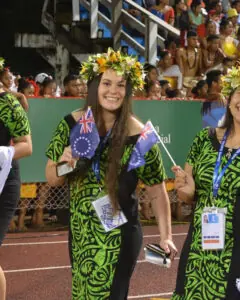
A New Zealand-born Cook Islander, whose grandmother and great grandparents were born on Palmerston Island, Matanoko recently qualified by merit to represent the Cook Islands at the 2026 Glasgow Commonwealth Games.
With characteristic humility, she acknowledges, “It is an honour to represent our people and showcase the strength of Pasifika on the world stage.”
Matanoko is also currently completing her final year of a Master of Applied Social Work at Massey University and writing a research report focused on Pacific mental health, an area she hopes to continue contributing to in her future work.
Matanoko says that receiving Le Va’s Futures that Work Pacific Mental Health and Addiction Scholarship during her studies made a significant difference, “It eased some of the financial pressure and allowed me to focus more fully on my learning and placement experiences.”
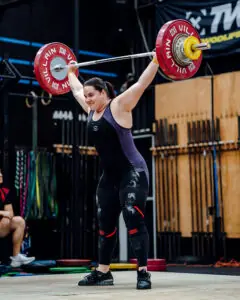
As for many students, balancing study, work and personal commitments has been challenging at times. Throughout Matanoko’s postgraduate journey, she has worked full-time in mental health and completed social work placements, all while training and competing internationally in Olympic weightlifting.
Le Va’s support helped Matanoko deal with some of the challenges that come with holding so many responsibilities all at once. “As Pasifika, we often achieve through the support of our wider village, being a part of Le Va reminded me that there are many people invested in seeing us succeed,” she says.
Matanoko encourages other Pacific people to apply for Le Va’s Futures that Work scholarship: “The scholarship provides meaningful support and can make a real difference throughout your studies. We need more Pasifika people in helping professions, and opportunities like this help create pathways for us to succeed and give back to our communities.”
For anyone considering a career in mental health and addiction, her message is clear: “Go for it! If you are passionate about supporting others and being part of change in your community, it is a career where you can make a real difference.”
Le Va congratulates Matanoko on her outstanding achievements in her studies and career, and wishes her the best of luck in her Commonwealth Games bid at Glasgow 2026 – Kia Manuia!
Learn more about Le Va’s Futures that Work Scholarship.
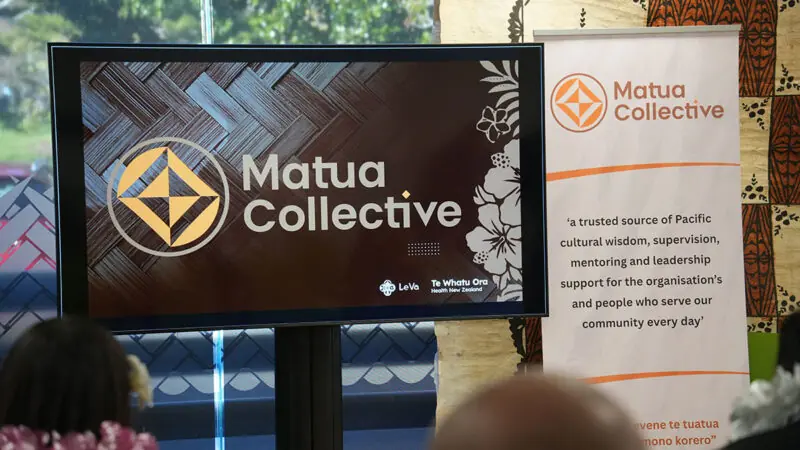
The vision of the Matua Collective as a trusted source of Pacific cultural wisdom, supervision, mentoring and leadership support is exactly what our workforce needs.”
Sisilia Tuna Kaimanu Tiseli, Pacific Cultural Advisor – Kari Centre ICAMHS
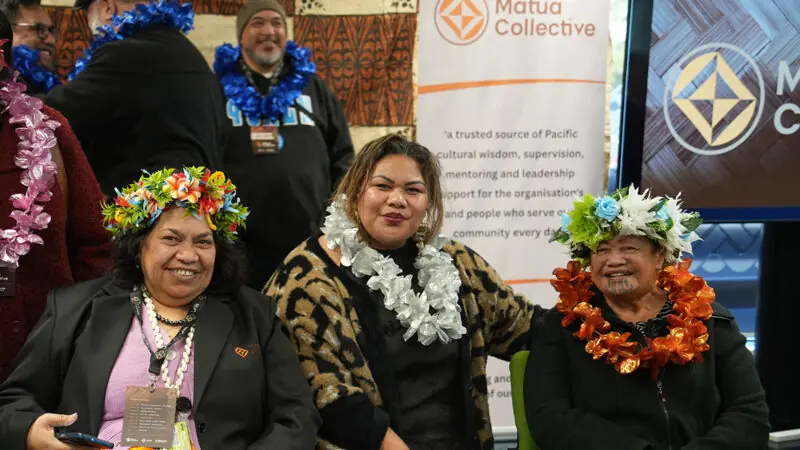
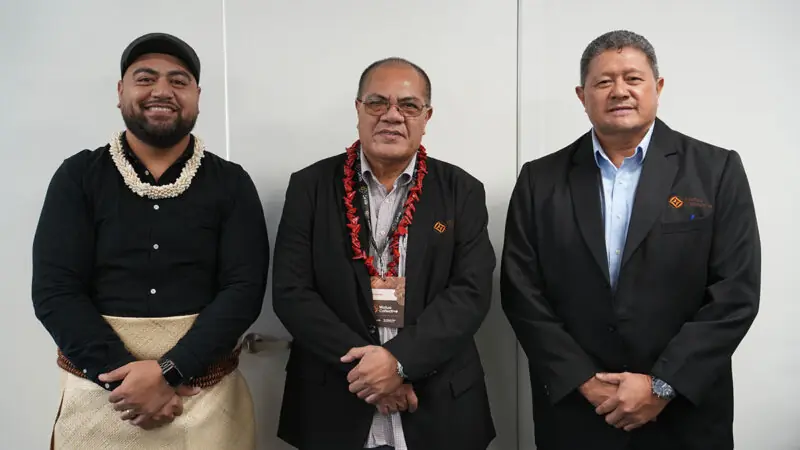
Le Va, alongside Te Whatu Ora, supported the launch of the renewed Matua Collective at the end of June, recognising the importance of strengthening Pacific-led leadership and cultural wisdom to improve health and wellbeing outcomes for Pacific peoples.
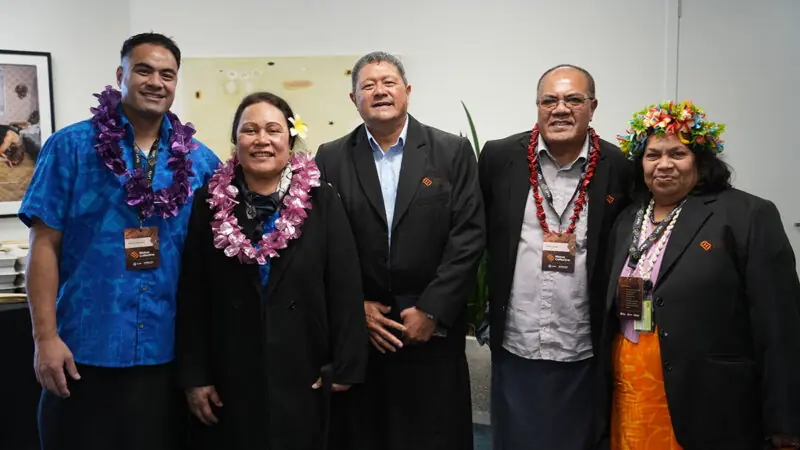
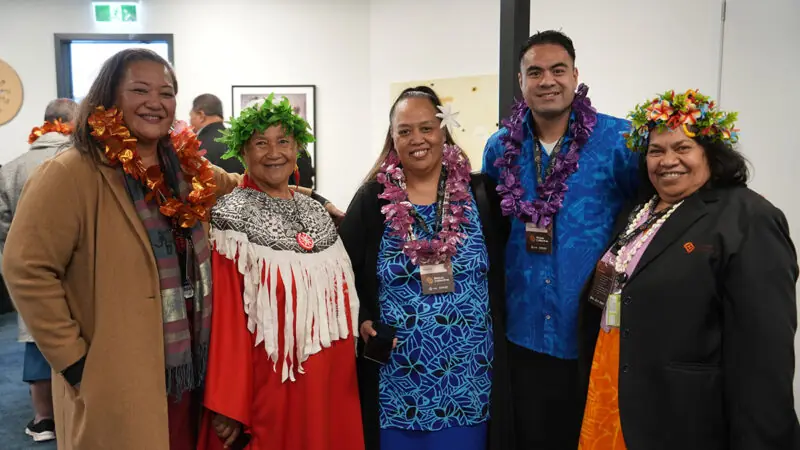
The launch event brought together sector partners, community leaders, health providers, churches and Pacific champions around a shared vision for stronger, thriving Pacific communities.
It was an inspiring day – a time to reconnect, strengthen relationships and recognise that lasting change begins with trust, grows through solesolevaki (working together for the collective good), and is shaped by mahani hakohako (integrity) at every step.
But most of all, it was an opportunity to honour the matua – the elders and leaders whose decades of tautua (service), leadership and advocacy paved the way for everyone in the room.
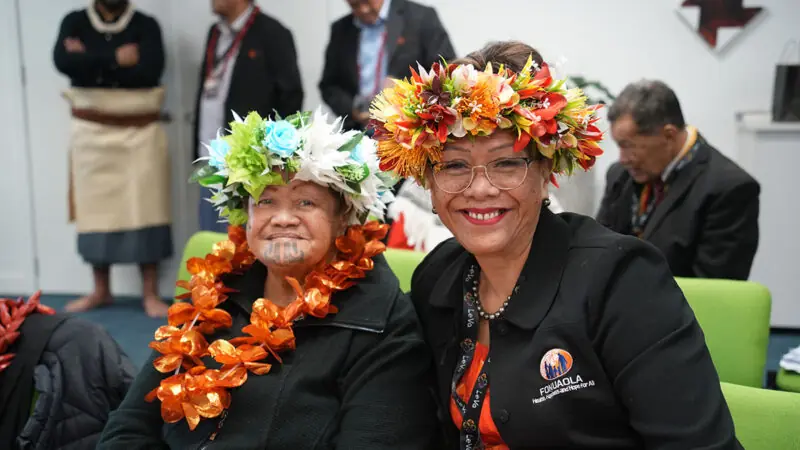
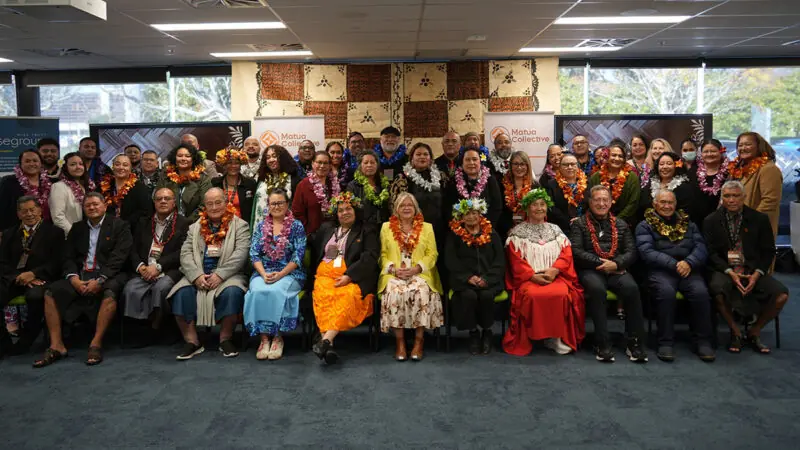
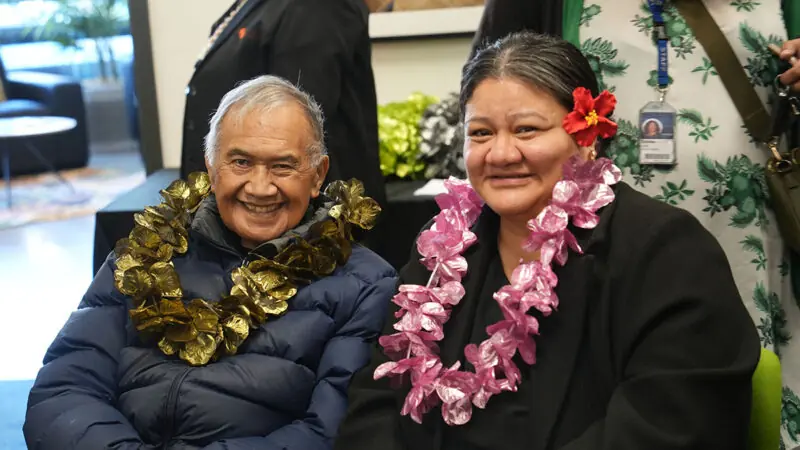
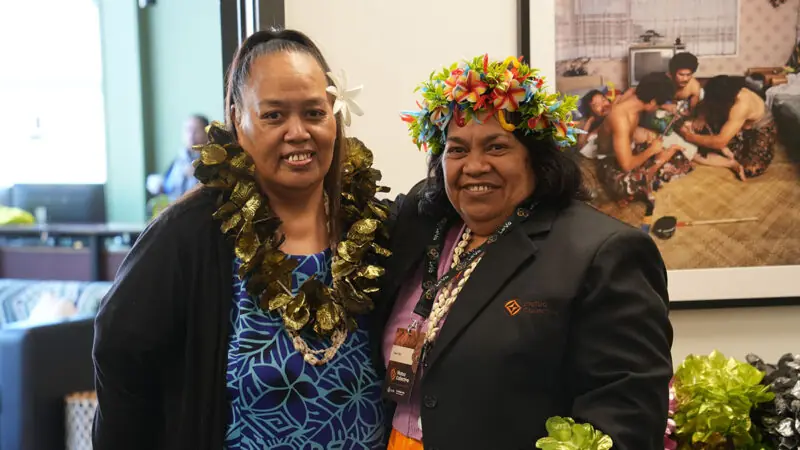
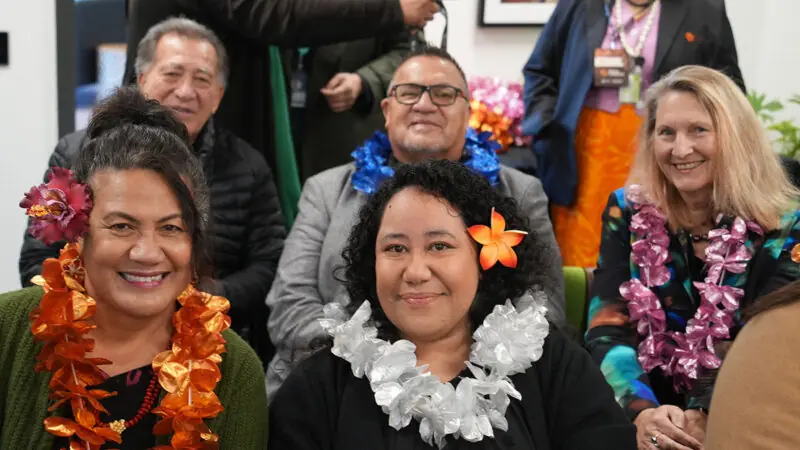
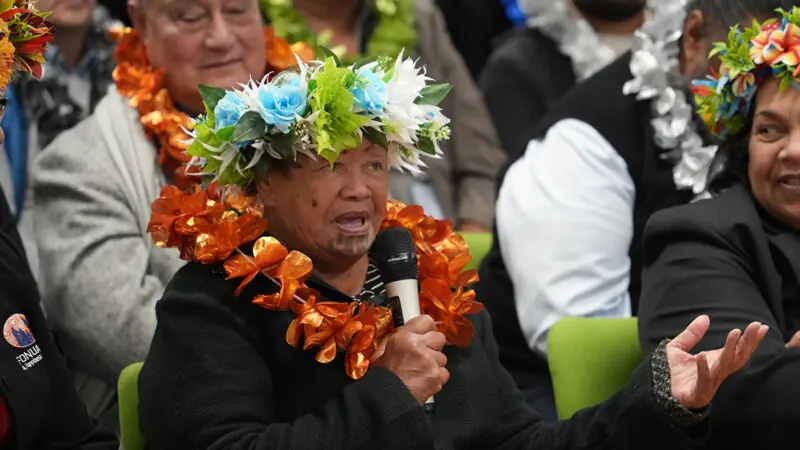
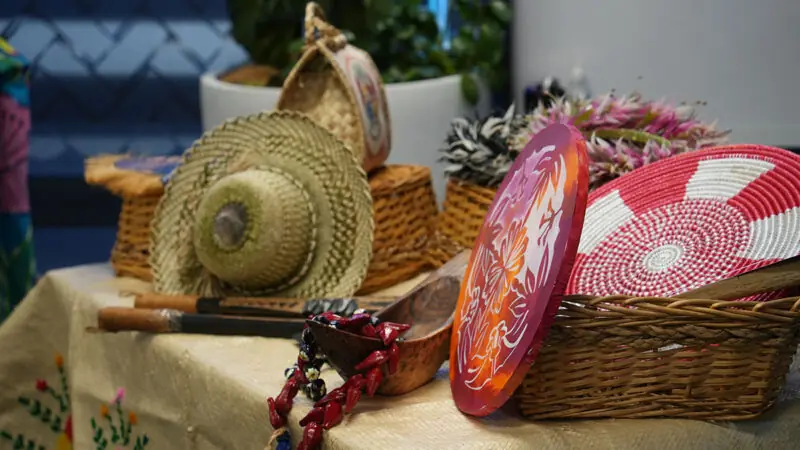
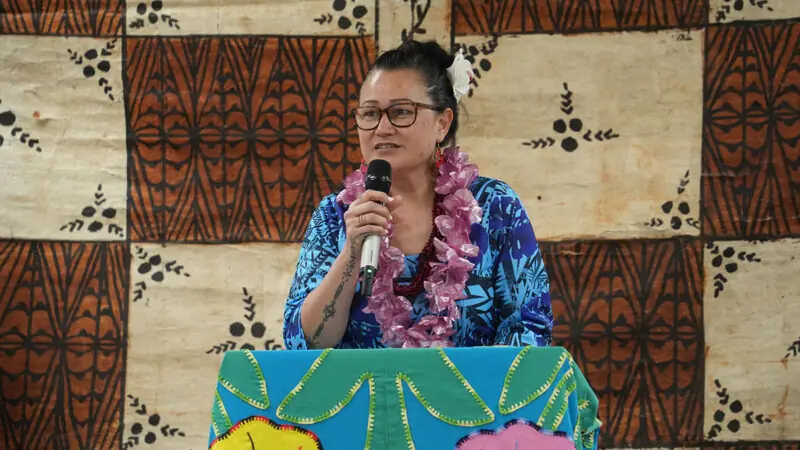
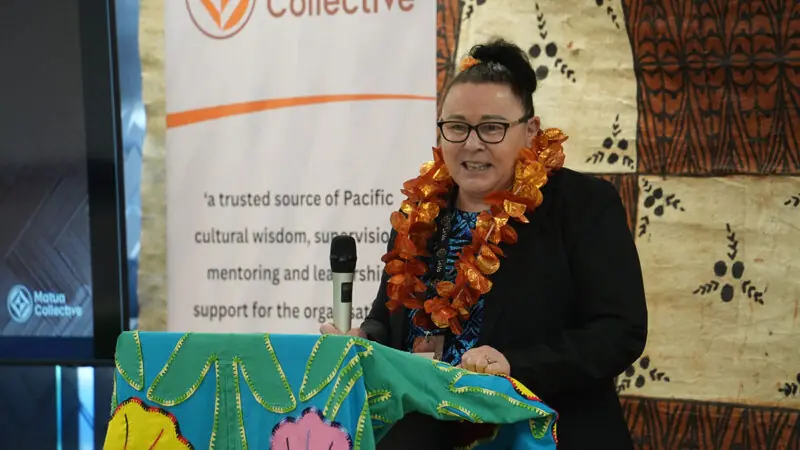
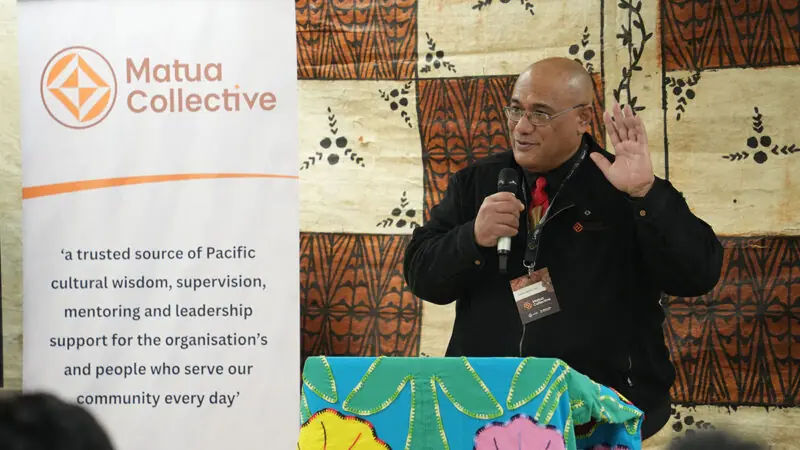
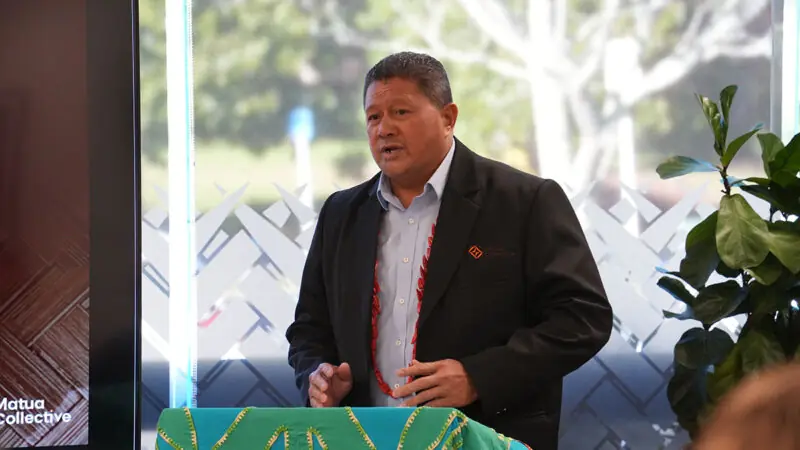
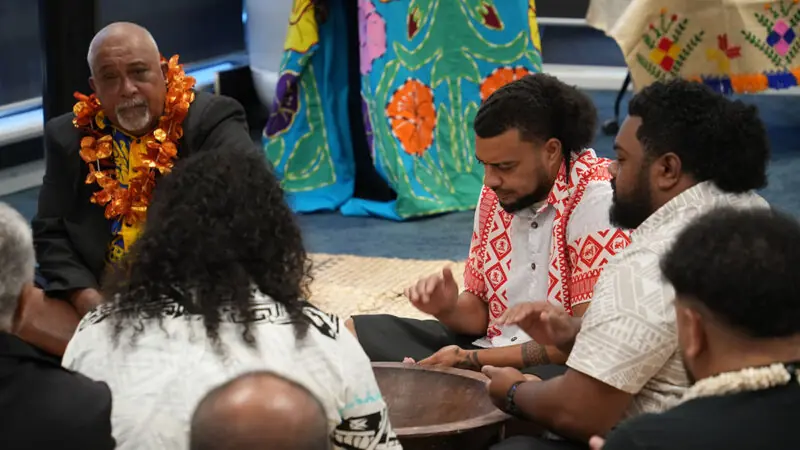
The event opened with a meaningful kava ceremony, led by Matua Collective Vice-Chair, Qoriniasi Tuifagalele. It continued with an overview from the Collective’s Chair, Rouruina Emil’e-Brown and keynote speeches from Pauline Fuimaono Sanders (National Director Pacific Health, Te Whatu Ora), Mati Dr Elizabeth Mati (CE, Le Va), Natalie Leger (COO, Fonua Ola), and Pakilau Manase Lua (Pasifika Equity Lead, Le Va and Wise Group).
Mati Dr Elizabeth Mati, Le Va CE
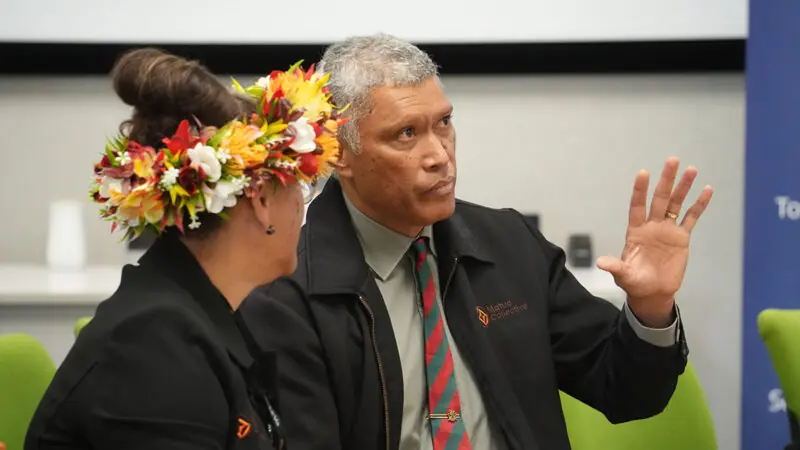
Le Va Chief Executive, Mati Dr Elizabeth Mati, said in her keynote speech, “Le Va and the Matua Collective have shared a longstanding relationship built on trust, shared purpose and a commitment to our communities.
“As we look ahead, I hope this Collective continues to grow in influence; I hope more services recognise the value of matua as an essential part of their workforce; and I hope our communities continue to benefit from the wisdom that only our elders can provide.”
The launch also introduced the Matua Collective’s 2025–2030 Strategic Action Plan, grounded in Te Mana Ola | Pacific Health Strategy and built around the Three W Framework – Wellness, Wait Time and Workforce.
Three priorities, one purpose: reflecting what Pacific communities have long been asking for, and holding a shared responsibility to deliver it.
At its heart, the day reaffirmed the value of Pacific-led leadership, where lived experience, cultural wisdom and strategic thinking work together to shape better decisions for Pacific lives.
It was also a reminder that leadership is grounded in alofa (love), expressed through genuine care, service and an unwavering commitment to the wellbeing of Pacific peoples.
Sisilia Tuna Kaimanu Tiseli, a Pacific Cultural Advisor at Kari Centre ICAMHS who attended the launch summed up her experience: “For perhaps the first time in a long time, I felt a profound sense of belonging. I felt seen. I felt understood.
“Most importantly, I felt reassured that there are leaders who recognise that Pacific cultural leadership is not an addition to healthcare – it is fundamental to how we care well for our people. The vision of the Matua Collective as a trusted source of Pacific cultural wisdom, supervision, mentoring and leadership support is exactly what our workforce needs.”
Le Va gives thanks to everyone whose presence and tautua made the day one of connection and renewed commitment to Pacific communities. The vaka keeps moving, carried by the legacy of our matua, guided by the communities who continue to show us the way forward.
Learn more about the Matua Collective.
As Pacific people, we do not study alone, so being part of Le Va was about doing things as a collective and also celebrating success.
When Dr Jack Scanlan walked across the stage at Massey University in May 2026 to graduate as Aotearoa New Zealand’s first Pacific Doctor of Social Work, he carried with him the hopes and dreams of his Samoan mother, āiga and ancestors.
A New Zealand-born Samoan, proudly hailing from Māngere, South Auckland, and the villages of Faleula and Vaiusu/Vaigaga in Samoa, Dr Scanlan made the valedictory address on behalf of the other students graduating that day.
“It’s a real honour to be named valedictorian. I want to thank our family and friends – those who have passed on and everyone in our lives who has supported our journey. Today is the day we get to carry you all across the stage with us,” he said.
Alongside completing his doctorate, Dr Scanlan also works as a social work lecturer for Massey University and is a former recipient of Le Va’s Futures that Work Pacific Mental Health and Addiction Scholarship.
When starting over as a mature student, his last assignment in the early 90s had been handwritten. Having to relearn how to study in a digital environment was a challenge:
“Le Va supported me by connecting me with like-minded Pacific students who were in the same boat. Le Va also provided me with a village. As Pacific people, we do not study alone, so being part of Le Va was about doing things as a collective and also celebrating success,” says Dr Scanlan.
His greatest challenge came in the final year of his master’s degree, when his mother tragically passed away. “My mother was my inspiration, my whole world. And thankfully, I was able to honour her – not only by earning my master’s degree with honours, but by being here today with a doctoral thesis named in her honour.”
Receiving the Futures that Work scholarship allowed Dr Scanlan to pursue doctoral research focused on transformational change, and to shift his career from social work leadership in the youth justice field to social work education, where he uses his passion and expertise to inspire others.
To his fellow graduates at Massey University, Dr Scanlan said, “The best is yet to come. Now let’s go out and make our village proud.”
And his message to students considering applying for Le Va’s Futures that Work Pacific Mental Health and Addiction Scholarship is, “Do it! You owe it to yourself, your āiga and the community.”
Learn more about Le Va’s Futures that Work Pacific Mental Health and Addiction Scholarship.
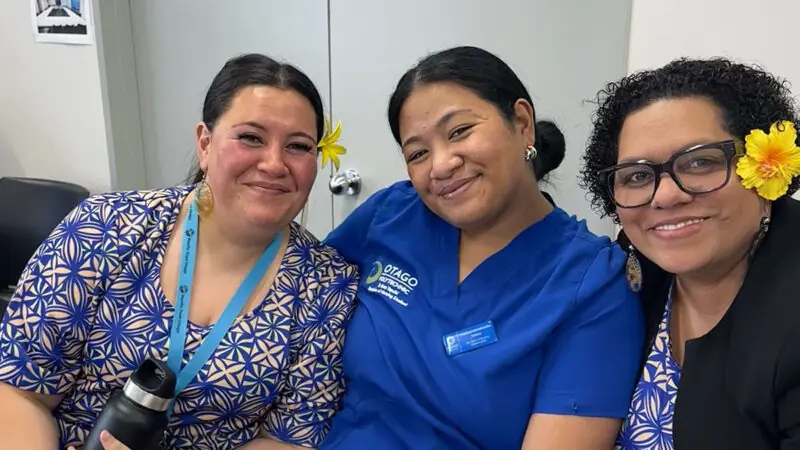
On 21 May, Pacific Access & Choice providers from across the Southern region gathered in Ōtepoti Dunedin for a primary mental health and addiction workforce Community of Practice (CoP), creating space for connection, shared learning and reflection.
A highlight of the day was hearing from Pacific Trust Otago (PTO) founders Keni Moeroa and Maria Lucas, who shared the story of how PTO came to be.
Through talanoa and storytelling, participants gained insight into the many years of volunteering, community advocacy, relationship building, and quiet determination that helped establish and grow Pacific wellbeing services in Otago.
Keni and Maria painted a vivid picture of a time when resources were scarce, but the freedom to innovate and respond to the needs of Pacific communities was real.
They spoke about the power of working collectively, building trust, and ensuring representation reflected the full diversity of Pacific ethnic groups across the southernmost regions of Te Waipounamu.
For many in the room, the talanoa offered something that isn’t always captured in reports or organisational profiles. It gave a rich understanding of the relationships, community leadership and dedication that helped shape PTO and still influence its work today.
The day also included a hands-on sensory modulation workshop facilitated by the Pacific Island Advisory Charitable Trust (PIACT), giving participants practical tools and strategies to support emotional regulation and wellbeing. The session sparked rich discussion about how sensory approaches can be applied within Pacific primary mental health and addiction settings.
The whole event was a reminder of the unique value of Communities of Practice. Beyond sharing knowledge and resources, they create space to hear the stories that are often untold, to learn from those who have paved the way, and deepen our understanding of other organisations and ways of working.
As Pacific primary mental health and addiction providers across the South continue serving our communities, stories like those shared by Keni and Maria highlight the importance of connection, service and collective effort in building something that lasts.
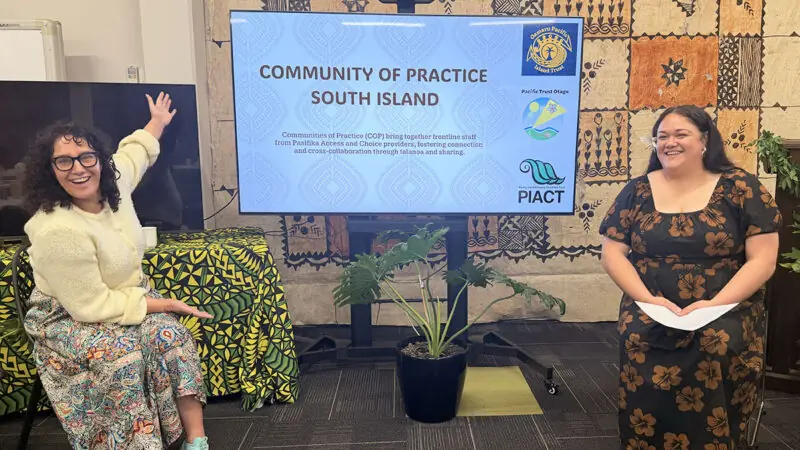
Across Tāmaki Makaurau, there is a quiet but significant shift occurring within the Pacific youth wellbeing workforce.
At the centre of this is a growing collective of Pacific youth practitioners and support staff, working across a range of services and walking alongside young people every day with care, cultural knowledge and a deep commitment to their communities.
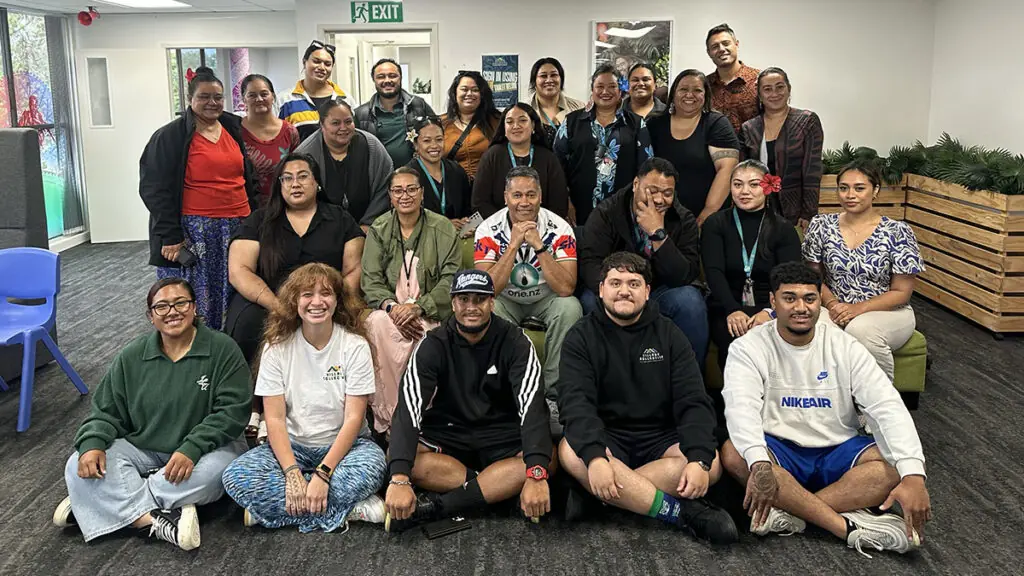
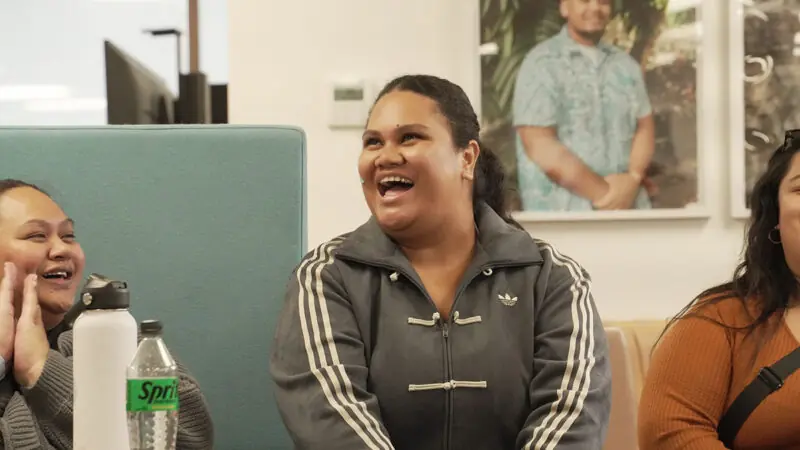
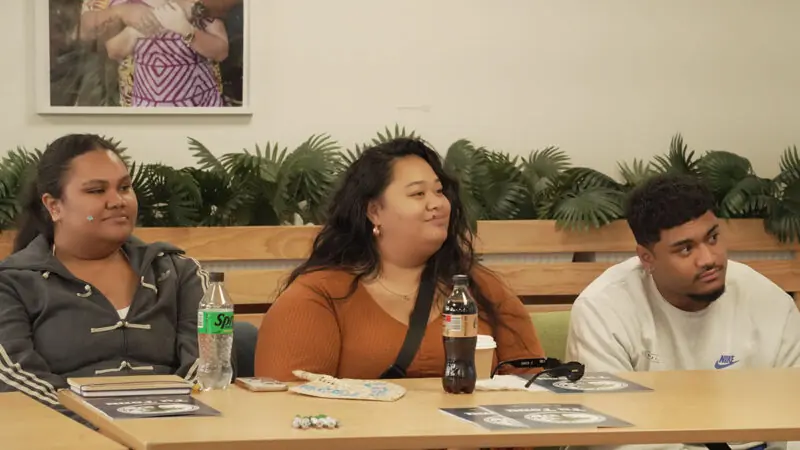
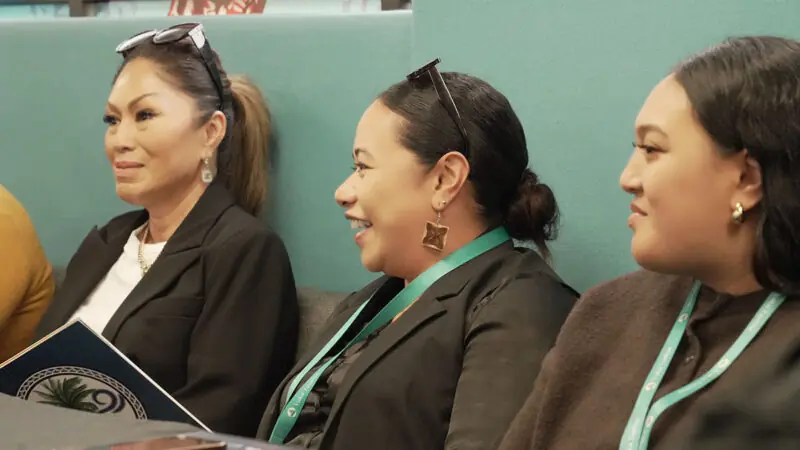
In recent weeks, many of these workers have come together through a series of Le Va trainings hosted by Village Collective. These sessions have provided more than professional development. They have created meaningful opportunities for connection, shared learning and the strengthening of relationships across organisations in the Auckland region.
Village Collective’s leadership in hosting this series is significant. As a service dedicated to supporting Pacific Rainbow+ communities, they continue to create space for conversations that are often challenging, yet essential for the wellbeing of Pacific people. This leadership was also visible at Polyfest 2026, where Le Va and Village Collective both had a strong presence. Engaging with young people in this environment reinforced the importance of ensuring the workforce remains connected to the communities it serves.
For many Pacific communities, topics such as trauma and addiction have historically been difficult to discuss, often shaped by stigma and silence. Despite this, these issues continue to impact Pacific communities at disproportionate levels. Strengthening a workforce that can respond in culturally grounded, safe and confident ways is critical.
An important outcome emerging from this training series is the growing community of practice among the Pacific workforce in the Auckland region. Staff from different organisations are learning alongside one another, building relationships and strengthening connections across the sector. Opportunities for this level of collaboration have been limited, yet are clearly valued, with a strong appetite from the workforce to continue engaging in collective learning spaces.
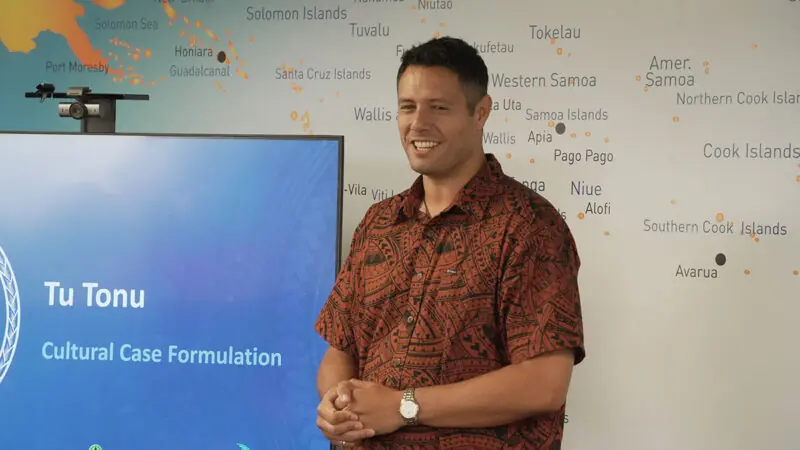
Le Va has delivered a series of our trainings to support this capability development, including ‘Navigating Addiction’ and ‘Healing Centred Care for Pasifika.’ Participants have included teams from Village Collective, Fonua Ola, Vaka Tautua, Penina Trust, and others within the Auckland region, with strong representation from the youth workforce. This programme of work will continue with Le Va’s ‘Tu Tonu: Cultural Case Formulation’ training, further strengthening culturally grounded approaches to supporting tagata ola.
This approach reflects Le Va’s broader commitment to strengthening the Pacific wellbeing workforce through knowledge and skills, through connection, shared purpose and collective responsibility. Investing in the youth wellbeing workforce is an investment in the future, ensuring that Pacific communities are supported by a workforce that is both capable and culturally grounded.
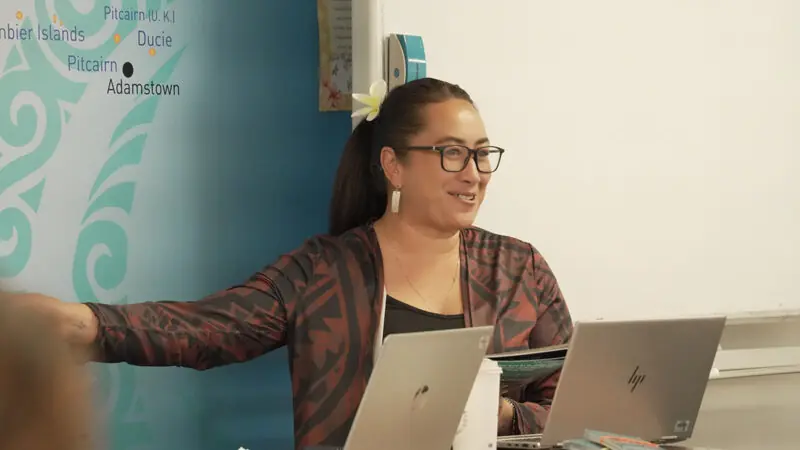
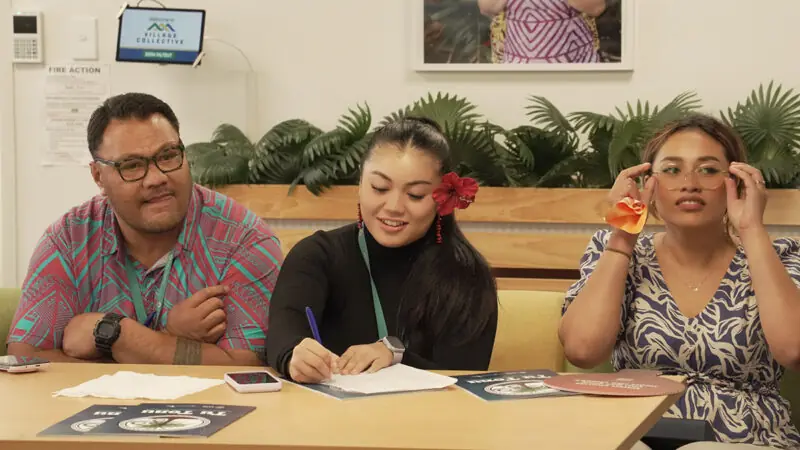
Learn more about Le Va’s Mental Health & Addiction trainings here.
As Aotearoa’s Mental Health and Addiction Workforce Centre for Pacific, Le Va wants to hear directly from our Pacific workforce about your realities, challenges and aspirations, so we can strengthen the system together.
Pacific Mental Health and Addiction workforce survey
We are inviting all Pacific mental health and addiction workers across NGOs, PHOs, Te Whatu Ora, community services, regulated and non-regulated roles, to participate in our national survey.
The purpose of this survey is to understand:
- who makes up our workforce
- training and professional development needs
- access to supervision, coaching and mentoring
- workforce wellbeing and sustainability
- working conditions and what supports people to remain in the workforce.
Your insights will help build a clearer picture of how the Pacific MHA workforce is currently functioning and where further support or investment may be needed.
The survey is anonymous, will be reported in summary form, and no identifying information will be included. Findings will inform Le Va’s workforce programmes and recommendations to funders and government. A summary of the results will also be shared with you and the MHA sector.
The survey takes from 10 to 15 minutes to complete. The survey will be open for completion until 11:59pm on Sunday 29 March.
We would sincerely appreciate your support in completing the survey and sharing this email with Pacific colleagues across your networks.
Key information
Please download our Key Information document to get more detailed background information about our Pacific Mental Health and Addiction Workforce Survey, about our team and why we are asking you to participate.
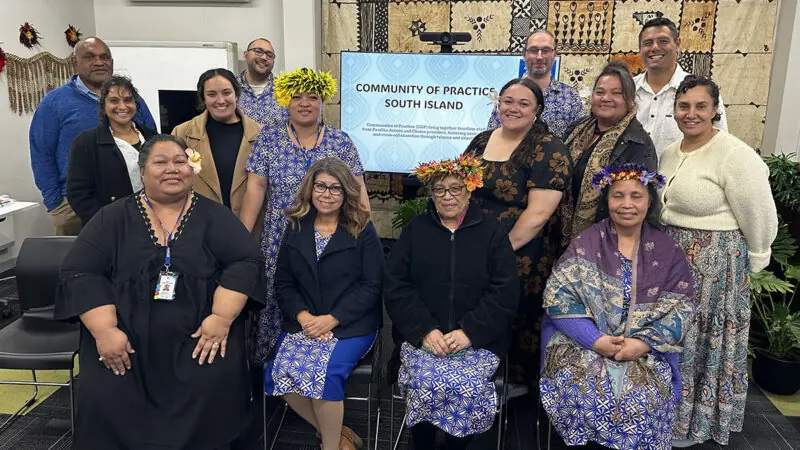
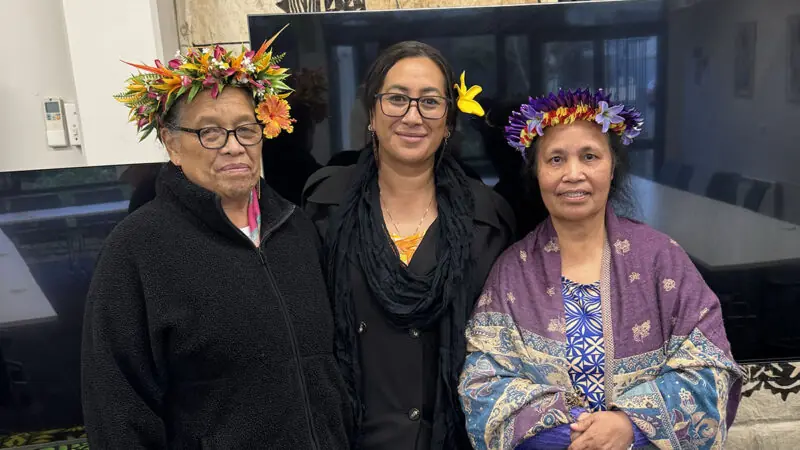
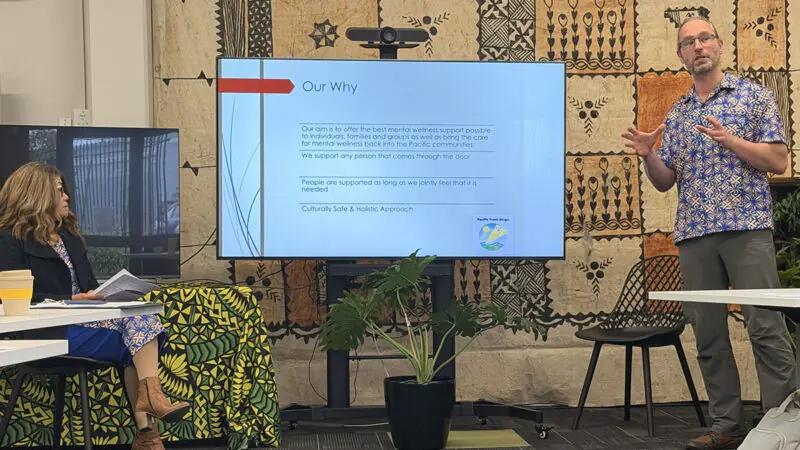
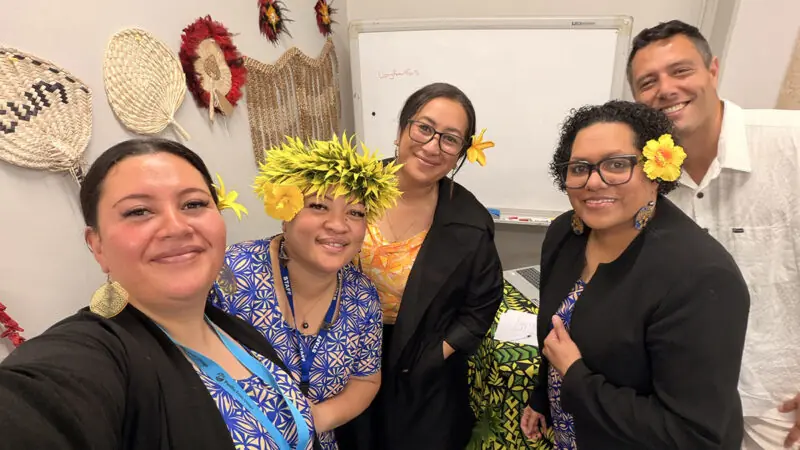
Pacific mental health and addiction workers from across Otago gathered in Dunedin in early 2026 to learn, reflect and share space with others who understand the realities of the work, led by Le Va’s Mental Health and Addiction team.
Nicholas Cao (clinical lead) and Seiuli Angel Timali Tiatia-Siau (senior project coordinator) delivered Tu Tonu: Cultural Case Formulation training in partnership with Pacific Trust Otago, with representation from Oamaru Pacific Island Trust (OPIT).
Collectively, they set the tone for a year focused on strengthening Pacific-led practice across Te Waipounamu South Island.
The session created space for Pacific support workers to strengthen culturally grounded practice and engage in conversations about a practical, culturally anchored way of thinking about Pacific wellbeing and resilience.
This work builds on a strong foundation laid throughout 2025, during which the Le Va team delivered Pacific-led mental health and addiction workforce trainings in Dunedin, Invercargill and Oamaru in collaboration with Pacific Access & Choice providers.
Participants of these previous sessions shared that “the training has helped immensely,” that it “gave good insights that would support my current work,” and that it “reminded me to keep learning, reflecting, and asking for guidance.”
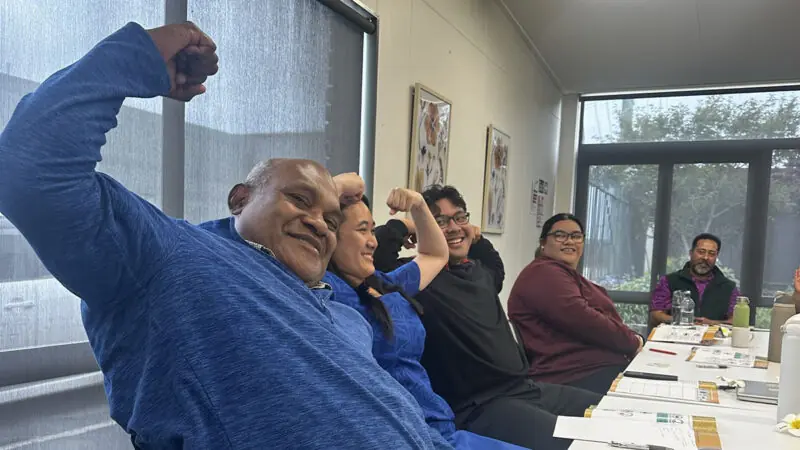
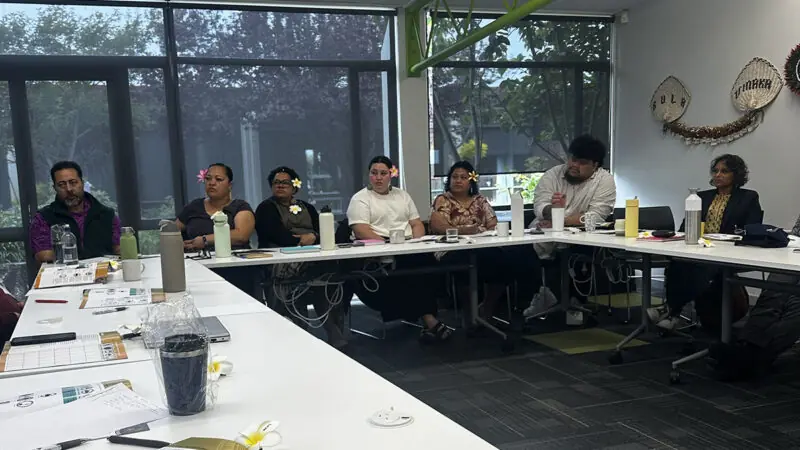
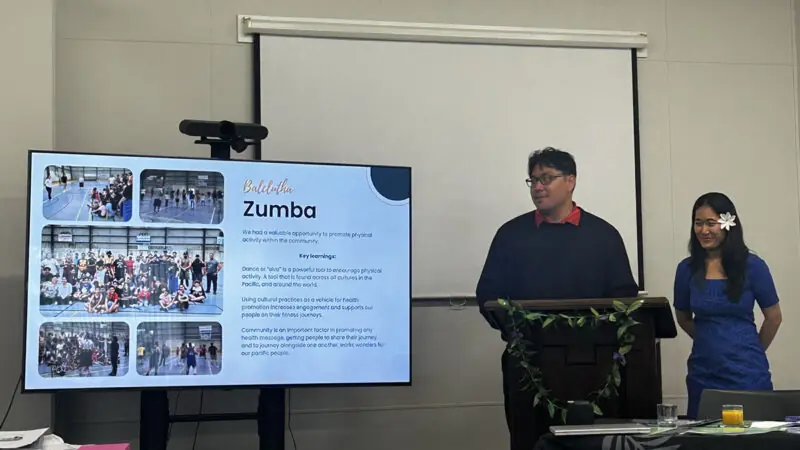
From this foundation, Le Va has begun planning to create Pacific Communities of Practice across the South Island.
Conversations with representatives from all four South Island Pacific Access & Choice providers are helping to shape what these future spaces could look like, informed by workforce activity already underway in other regions.
Pacific Communities of Practice are intended to support connection, shared learning and collective reflection through talanoa, practice sharing and relationship-building.
By Pacific, for Pacific mental health and addiction services are available across the South Island to support Pacific communities, while also providing culturally grounded workplaces for Pacific staff:
- Pacific Trust Otago in Dunedin
- Pacific Island Advisory Charitable Trust (PIACT) in Invercargill
- Oamaru Pacific Island Trust (OPIT) in Oamaru
- Etu Pasifika in Christchurch
Learn more about Le Va’s Fenoga Pule framework for Pasifika Primary Mental Health and Addiction professionals: Fenoga Pule.
Le Va is a national Pacific organisation committed to supporting people of the moana to unleash their full potential and have the best possible health and wellbeing outcomes.
Le Va welcomes the Government’s forthcoming Mental Health and Wellbeing Strategy as an opportunity to reimagine how we can better serve all New Zealanders. We see it as a pivotal moment that could move Aotearoa beyond crisis response, towards a primary prevention approach grounded in culture, community and care.
Pacific communities in Aotearoa deserve a strategy that reflects the strengths and aspirations of our people – a strategy that addresses systemic inequities while affirming the importance of collective wellbeing, cultural identity and community leadership. To support all people to thrive, the strategy should include a deep understanding of what matters to Pacific people.
Le Va presents the following ten priorities to guide a mental health and wellbeing strategy that creates meaningful and lasting change for our people.
1. Uphold Te Tiriti with genuine partnership
Embed genuine partnership at the heart of the strategy
Tangata whenua are Indigenous to Aotearoa New Zealand. As Tagata Moana, we advise that Te Tiriti o Waitangi must underpin the strategy. Giving effect to the intent of Te Tiriti, through genuine and mana-enhancing relationships with tangata whenua, is essential to the credibility, legitimacy and effectiveness of any mental health and wellbeing strategy in Aotearoa.
2. Nothing about us without us
Include Pacific voices in every decision
The strategy should recognise and value Pacific leadership and genuine power sharing in all spaces (governance, leadership, frontline and community). It should commit to meeting the unique needs and aspirations of Pacific people, representing Pacific worldviews, knowledge frameworks and approaches within the strategy and its implementation.
3. Prioritise prevention to protect future generations
Invest early, take action upstream, and protect communities from crisis
The strategy should prioritise primary prevention by addressing the root causes and risk factors of mental health and addiction challenges. It should focus on supporting young people, families and communities early, before challenges emerge, and strengthening protective factors across the life course.
4. Value Pacific models of mental health and wellbeing
Embrace collective care and holistic wellbeing
Pacific approaches to wellbeing are relational, spiritual, cultural and collective. Aotearoa’s mental health and wellbeing strategy should embrace holistic models of health that reflect Pacific worldviews and lived realities. A strategy grounded in these dimensions will better enable Pasifika peoples to thrive, and ensure services are both culturally safe and meaningful.
5. Solutions lie within our communities
Let communities lead the solutions – they know what works
Our communities already hold the knowledge and solutions to support their own wellbeing. The strategy should ensure direct investment that enables community leaders and organisations to design, deliver and sustain effective mental health initiatives by communities, for communities. It should place decision-making power and funding directly into the hands of the people.
6. Close the cultural digital divide
Make resources accessible to everyone, everywhere, any time
The strategy should provide a clear mandate and pathway for culturally-grounded innovation, including digital tools and services that also reach Pacific communities. It should include a plan to reach those in greater need of tools and enable better access, in ways that are scalable, safe and culturally resonant.
7. Pacific is not one experience
Honour diversity within Pacific communities
Pacific communities are diverse, and Pacific people who are also Rainbow+, disabled or have lived experience of mental distress often face additional barriers to culturally safe and accessible care. The strategy should recognise the different experiences of Pacific people designed to respond to these intersecting realities, rather than assuming a single Pacific experience.
8. Youth voices matter
Include youth to help shape their future
The strategy should actively centre Pacific youth voices and leadership. Pacific young people bring critical insight into what works for their wellbeing. Co-design processes must be accessible, culturally grounded and safe, ensuring initiatives and services reflect the realities, strengths and aspirations of Pacific young people.
9. Grow a culturally safe and capable workforce
Nurture cultural safety to effectively support our community
A culturally safe and competent mental health workforce means better outcomes for Pacific people. The strategy should prioritise the growth of the Pacific mental health and addiction workforce, with early investment and recruitment through to leadership development and retention. It should also ensure the mainstream workforce is equipped to deliver culturally safe, responsive care that strengthens trust and improves access, experiences and outcomes for Pacific communities.
10. Back the strategy with action, funding and accountability
Turn promises into action with investment, implementation and accountability
A strategy without dedicated investment and action is merely a promise. To deliver meaningful and lasting change, the strategy should be reinforced by long-term funding and clear implementation timeframes. This includes defined milestones, measurable outcomes and transparent reporting to ensure Pacific priorities are included and fully realised. Anything less risks repeating cycles of hope without change.
Le Va is part of the Wise Group. Copyright ©2026
