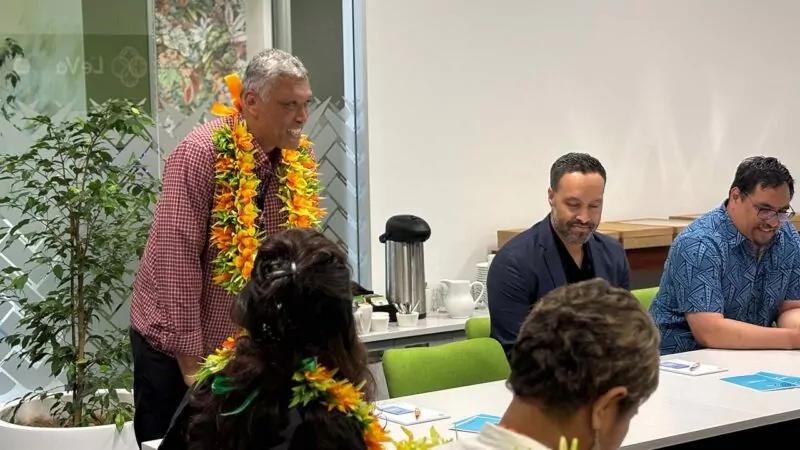
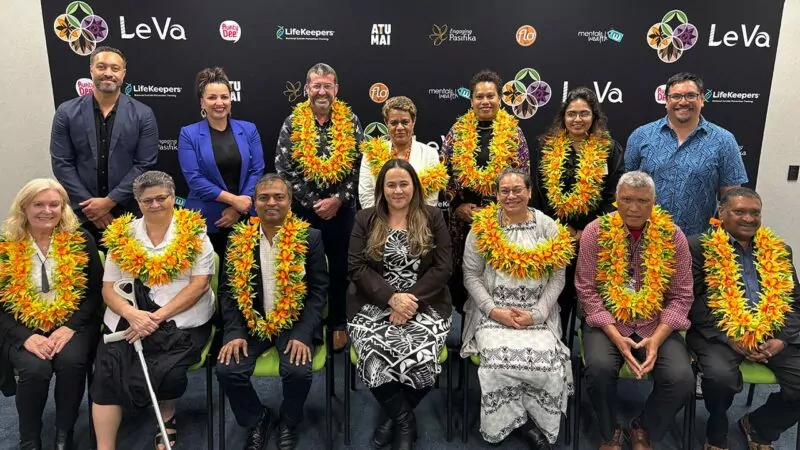
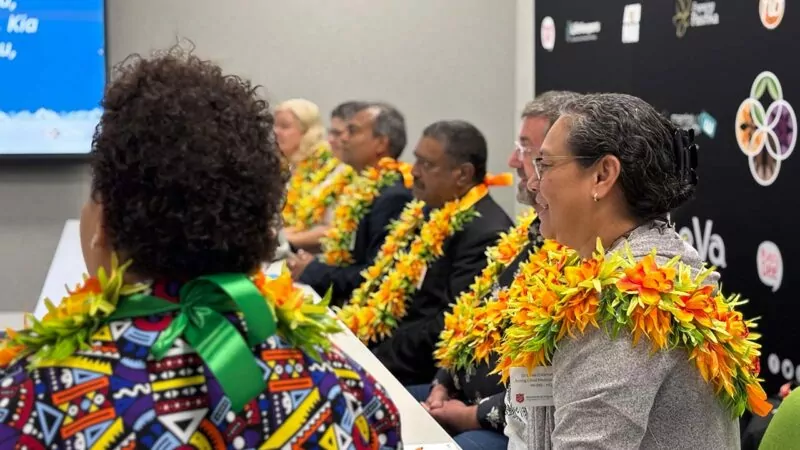
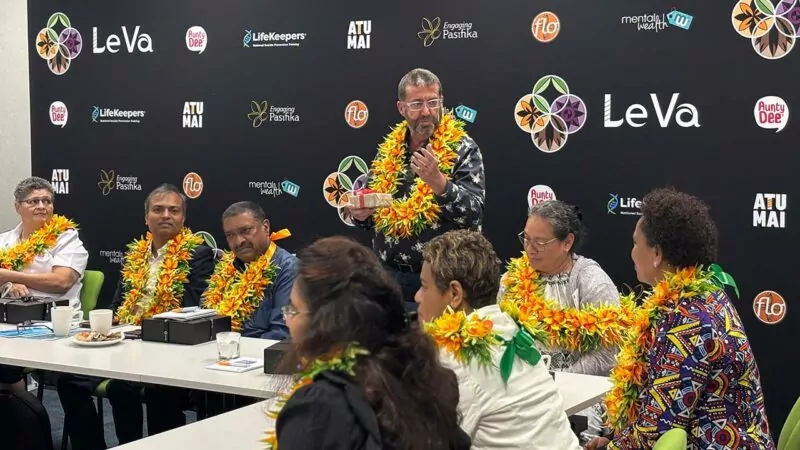
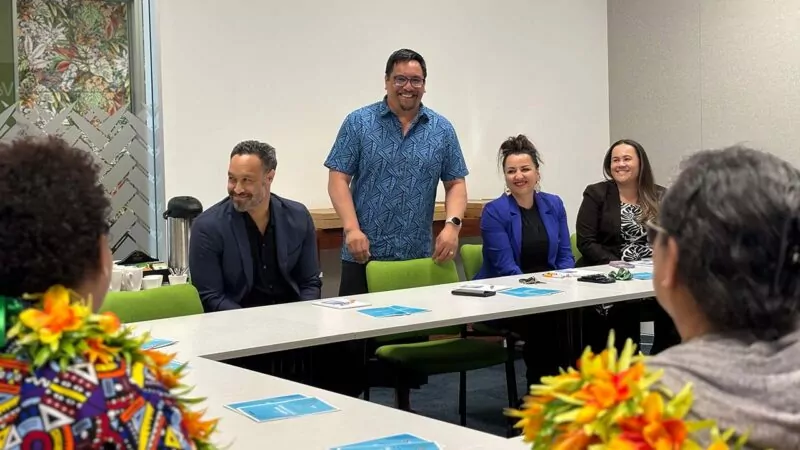
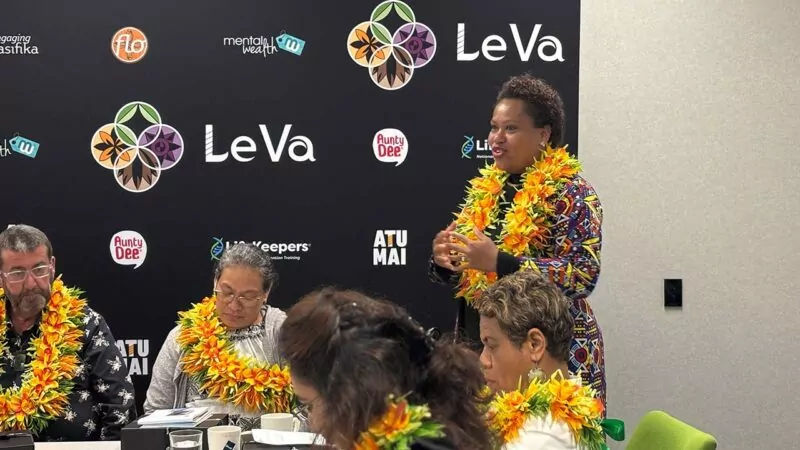
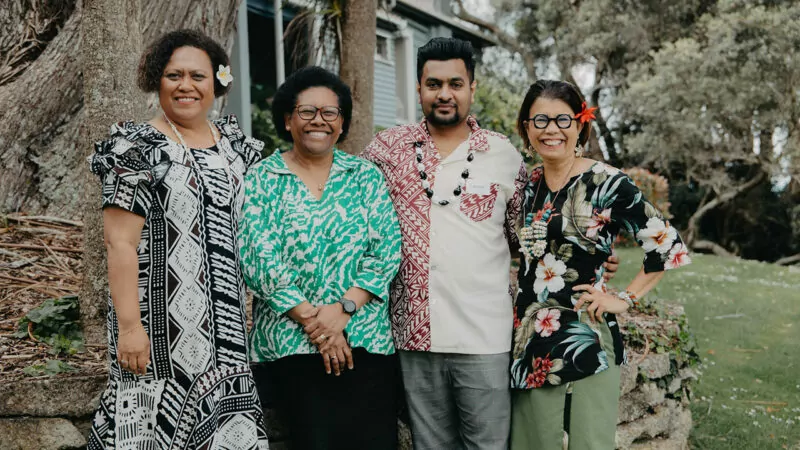
In early November, Le Va welcomed a delegation of mental health and addiction sector leaders representing government, health and NGO services from Fiji.
The delegates, who were part of a study tour sponsored by the Ministry of Foreign Affairs and Trade (MFAT) and hosted by the Salvation Army New Zealand, were keen to learn about Le Va’s successful Pacific health workforce development programmes, particularly in the addiction sector.
Fiji is currently facing a drug use crisis with widespread methamphetamine addiction, especially among their young people, and an associated rise in drug-related mental health problems.
Like many Pacific nations, Fiji is also experiencing similar challenges in health and social issues. The Fijian government is seeking solutions and taking measures to tackle the surge in drug use, which is a problem affecting the wider Pacific and also Aotearoa.
Alongside sharing information about Le Va’s mental health and addiction initiatives, the Le Va leadership team presented on its innovative suicide and violence prevention programmes, such as LifeKeepers and Atu-Mai.
Many connections were made at the meeting, which was a rich opportunity for talanoa and the exchange of ideas and possibilities.
Le Va’s senior manager for mental health and addiction, Toleafoa Mark Esekielu, said of the visit,
“Vinaka vaka levu to our Fijian colleagues for taking the time to join us at Le Va. It was rewarding to connect with high-level government and health sector leaders from Fiji to share ideas and make plans to collaborate in the near future.
“We are grateful to our friends at the Salvation Army New Zealand for reaching out to Le Va, and to MFAT for sponsoring the study tour. We all left the meeting filled with knowledge, inspiration and alofa.”
Le Va acknowledges the importance of trans-Pacific collaboration for the mental health and addiction sector, so all nations across Te Moana-nui-a-Kiwa can support each other and our people to achieve improved outcomes.
Explore Le Va’s addiction workforce resources.
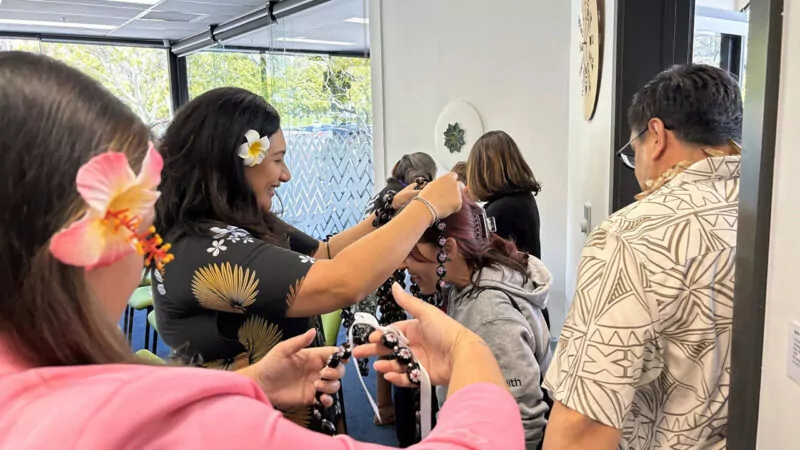
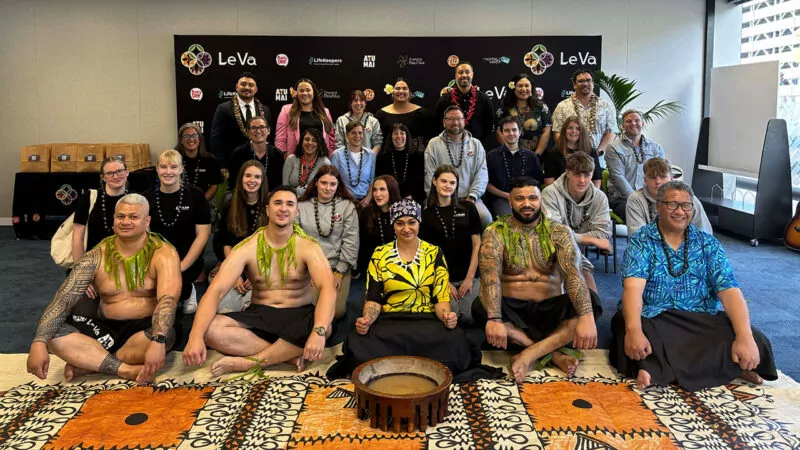
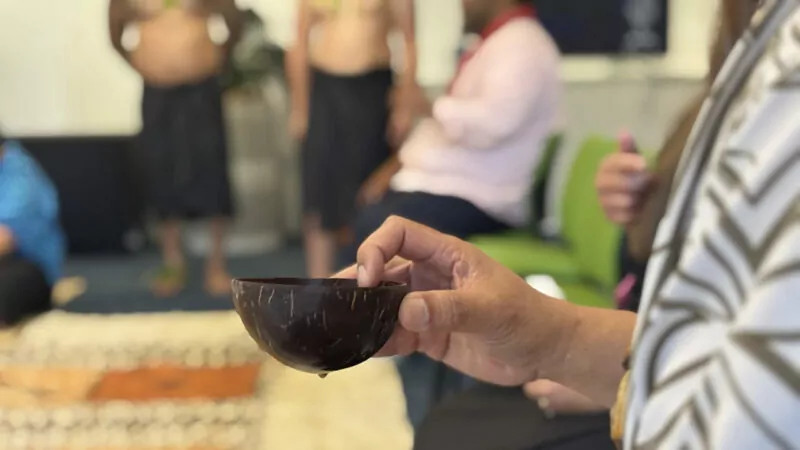
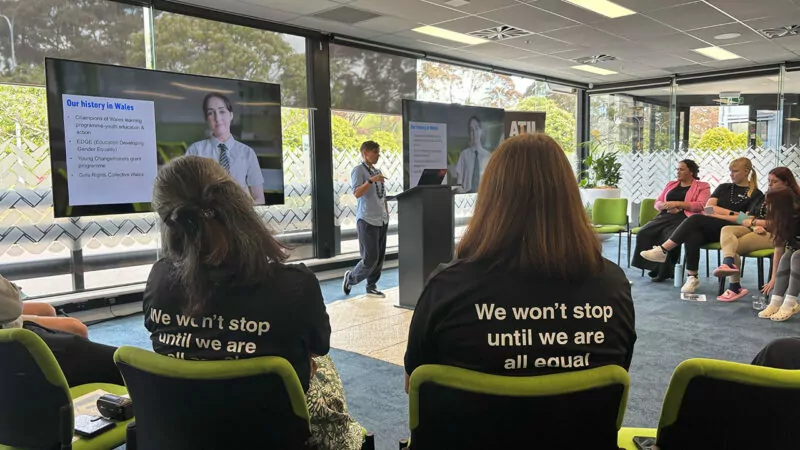
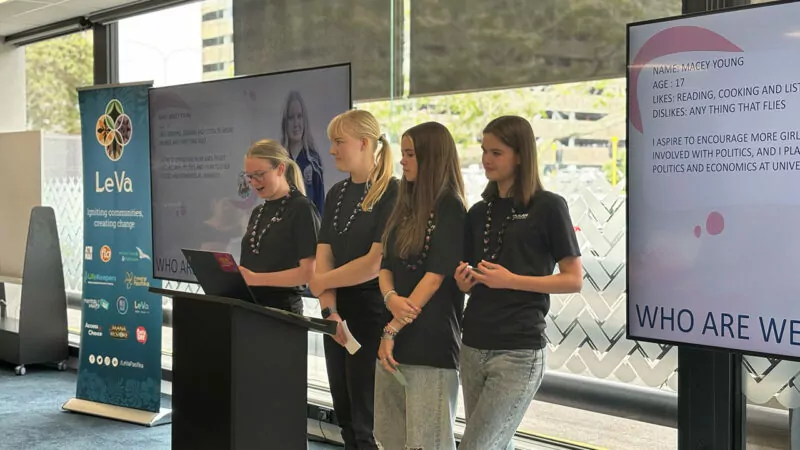
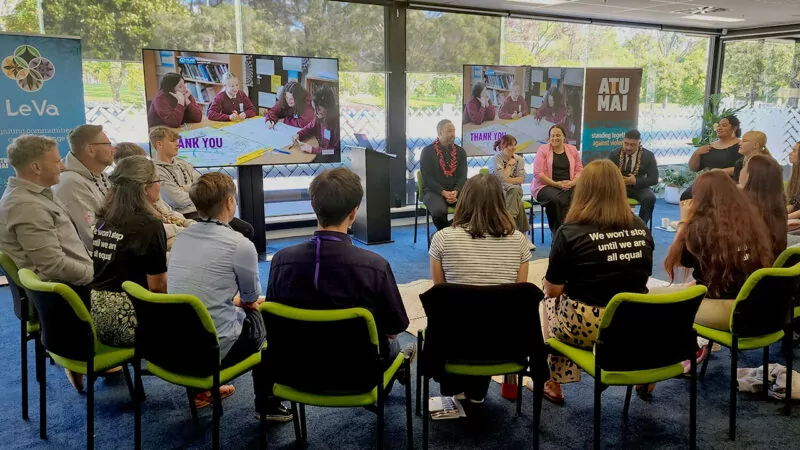
At the end of October, Le Va held a traditional Samoan ‘ava ceremony to warmly welcome 16 visiting professionals and young people working in violence prevention initiatives in Wales.
The Welsh delegation represented Plan International UK, Her Voice Wales, Vale of Glamorgan Council, Greenhill School, Pembrokeshire County Council and Pembrokeshire Youth.
The delegates came to learn about the work being done in the violence prevention sector here in Aotearoa New Zealand. Their visit came about after She Is Not Your Rehab founder, Matt Brown, visited Wales last year.
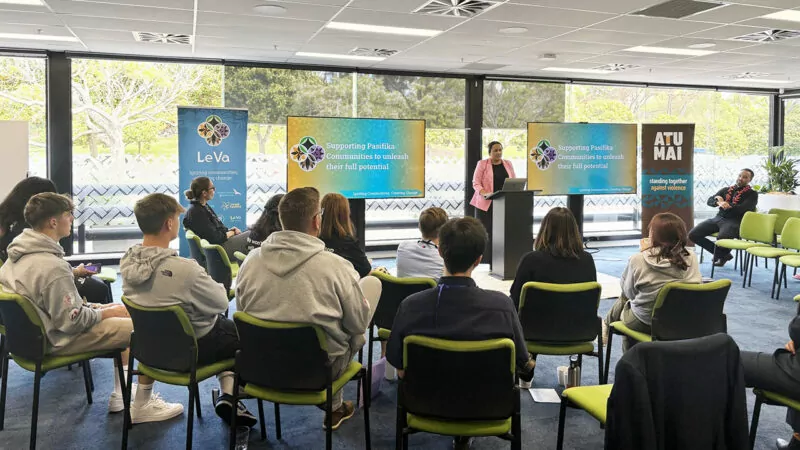
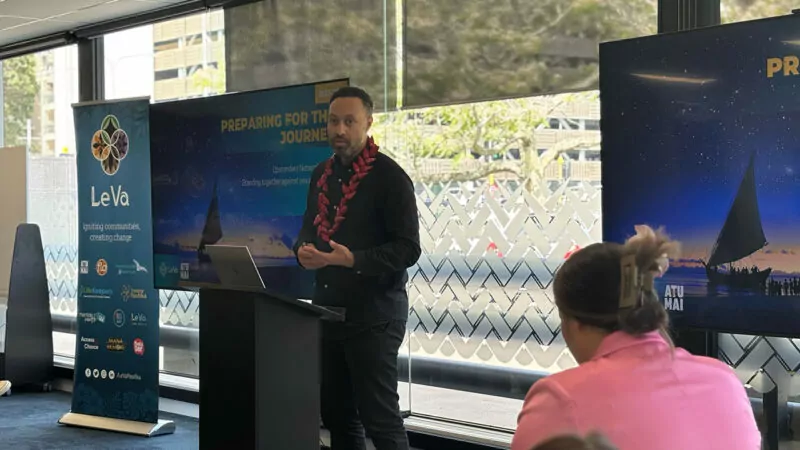
Dr Elizabeth Mati, Le Va’s general manager, shared about Atu-Mai’s spearhead nationwide violence prevention programme with its focus on Pasifika youth and their families.
Le Va senior manager Paul Tupou-Vea spoke about Atu-Mai’s current community mobilisation approach to sexual violence prevention.
“It was great to share insights about our important work and hear from our visitors. The group are doing some amazing work in Wales, and it was really encouraging to see how involved young people are,” he said.
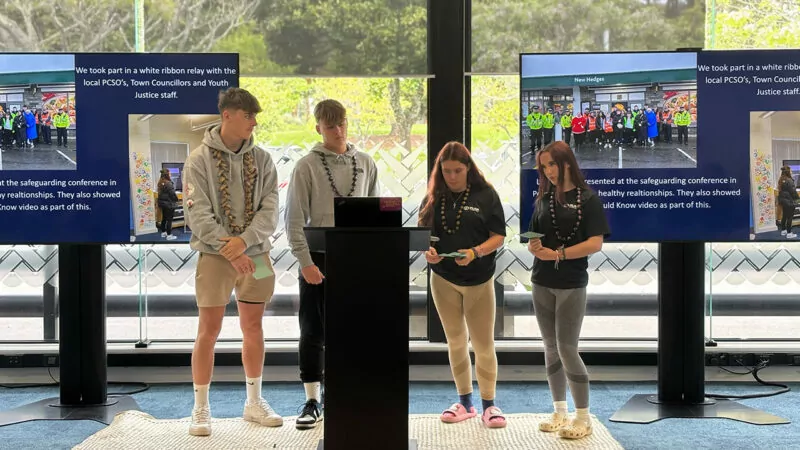
Youth delegates from Greenhill School felt moved by the conversations and the safe environment created.
One student said, “The group had an incredible day with a really moving emotive day. Thank you, Le Va, for sharing space with us and we look forward to working with you in the future.”
With the support of ACC, Le Va’s Atu-Mai team was glad to share space to enable the exchange of knowledge and insights into violence prevention work with each group’s respective communities.
For Le Va’s learning and evaluation lead, Hidoria Onesemo-Tuilaepa, the visit was uplifting.
“I left our engagement with the Welsh delegates feeling inspired by the various initiatives and projects they are facilitating, especially by the youth! Also inspiring how the Welsh Government has invested in the prioritisation of primary prevention,” she said.
Le Va community engagement lead, Charles Lavea, said it was a prime opportunity to learn.
“It allowed me to connect with people from the other side of the world who share a deep passion for advocacy and community support in violence prevention. I am grateful for the opportunity to share knowledge and experience working in the prevention space.”
ACC’s Dr Hala Nasr reflected that the experience allowed her to learn professionally and fill her cup personally. She added that Charles’ conversation with the group about Atu-Mai’s Father’s Fono programme resonated strongly.
“(Charles) made such an impact on the two young men in the group – the mana and compassion you showed in the small interactions you had with them were so appreciated,” she said.
Wales Programme and Advocacy Manager, Anne-Marie Lawrence, said the group loved their time at Le Va.
“We did a reflection session with the young people before they left to fly home and some of them said the meeting with you was the highlight of the trip. I don’t think accolades come much higher than that,” she said.
“We learnt so much from you and we really enjoyed our time with you, the memories created from such a special day will stay with us for a lifetime. Thank you from the bottom of our hearts.”
On 30 October 2024, the Chief Coroner released the latest annual provisional suicide statistics for Aotearoa.
These figures play a vital role in shaping and guiding suicide prevention efforts across the motu, supporting the work of organisations like Le Va that are dedicated to saving lives.
The data shows that, overall, there has been no change in the rate of suicide. In the financial year to 30 June 2024, 617 people died by suspected suicide and the rate was 11.2 people per 100,000.
Le Va chief executive, Denise Kingi-‘Ulu’ave, said, “While understanding these statistics and monitoring any changes is important to our suicide prevention efforts, we must not lose sight of our people behind the numbers – those who have died by suicide and the individuals, family members, whānau, friends and communities who have tragically lost their loved ones.”
In 2023, Aotearoa witnessed a significant and encouraging decline in the provisional suicide rate among Pacific people, dropping from 9.2 to 5.1 per 100,000 people while this year, there has been a slight increase to 7.7 per 100,000 people.
Community-focused solutions
At Le Va, we believe the solutions to preventing suicide are found within our communities. On 25 October 2024, Le Va held a community fono (meeting), ensuring a safe space for communities to provide insights and recommendations on the government’s draft suicide prevention action plan for 2025-2029.
With more than 20 community members actively contributing, the fono was a successful collaborative event. Co-facilitated by Le Va’s senior managers for suicide prevention – Leilani Clarke and Tiana Watkins – the gathering encouraged open, bold discussions, bringing a grassroots perspective to both health-led and cross-government actions to suicide prevention in Aotearoa.
Feedback from the fono was that in Aotearoa we need to focus on prevention and make sure the voices of those with lived experience are heard. Our communities said that addressing factors like poverty, family violence and mental health is a form of suicide prevention, and we should prioritise support for the people, families, whānau and communities who have experienced suicide.
Suicide prevention training
Le Va has two groundbreaking national suicide prevention training programmes:
LifeKeepers – New Zealand’s national suicide prevention training programme – has trained more than 18,000 everyday people with the knowledge, skills and confidence to intervene when someone is at risk of suicide. These are ordinary people playing their part in the prevention of suicide.
FLO: Pasifika for Life is Aotearoa’s first national Pasifika suicide prevention training, designed to engage and empower Pasifika communities to prevent suicide by enhancing protective factors and reducing risk factors associated to suicide.
These programmes, grounded in evidence and culturally responsive methods, ensure clinically safe, community-driven interventions.
Suicide prevention resources
Recently Le Va launched a new digital resource – ‘After a suicide attempt’ – providing critical guidance for those supporting individuals post-attempt. This resource is freely accessible and aims to bolster support systems during vulnerable recovery periods. Our resource can be downloaded from the Le Va website.
Le Va remains committed to supporting our Pasifika and Māori communities to find their own solutions to suicide, through initiatives such as our Pasifika Suicide Prevention Community Fund, referrals to Te Rau Ora Māori Suicide Prevention Community Fund, and Mana Akiaki: LifeKeepers for Māori.
We will continue to work collaboratively with our communities and other agencies in the suicide prevention sector to help reduce the rates for Pasifika, and for Māori who are still overrepresented in these statistics.
Our approach of enhancing protective factors and mitigating risk factors can foster resilience and lead to improved wellbeing to help prevent suicide. Through our collective efforts we hope to see a reduction in suicide rates for all people of Aotearoa.
Tiana Watkins, senior manager for suicide prevention at Le Va, opened day two of the 2024 Indigenous Wellbeing Conference with her inspiring keynote speech – ‘Empowering communities: LifeKeepers’ culturally responsive approach to suicide prevention in Aotearoa.’
LifeKeepers is Le Va’s national suicide prevention training programme, crafted with deep cultural respect and understanding for the unique needs of local communities.
At its core, LifeKeepers is a holistic kaupapa that blends internationally validated practices with rich local knowledge and cultural insights.
This fusion ensures the programme is clinically sound and closely attuned to the cultural and community contexts of Aotearoa.
Mana Akiaki – LifeKeepers for Māori is a version of LifeKeepers that weaves te reo me ōna tikanga Māori throughout, empowering whānau to build the courage and confidence to prevent suicide.
During her session, Tiana (Ngāi te Rangi, Ngāti Pūkenga, Ngāti Ranginui and Kai Tahu) explored how LifeKeepers empowers key community members – from youth workers and Māori wardens, to sports coaches and caregivers – with the skills to recognise, respond to and support those at risk of suicide.
She shared how LifeKeepers fosters Communities of C.A.R.E. (Connect, Ask, Respond, Engage), creating safer, stronger communities by integrating culture and tradition into suicide prevention strategies.
Attendees agreed it was a powerful session that highlighted the importance of uplifting Indigenous voices and creating lasting change.
The Indigenous Wellbeing Conference celebrates Indigenous community, culture and identity to help advance social and emotional wellbeing for all First Nations Australian, Māori and Pasifika people.
Learn more about our LifeKeepers programme.
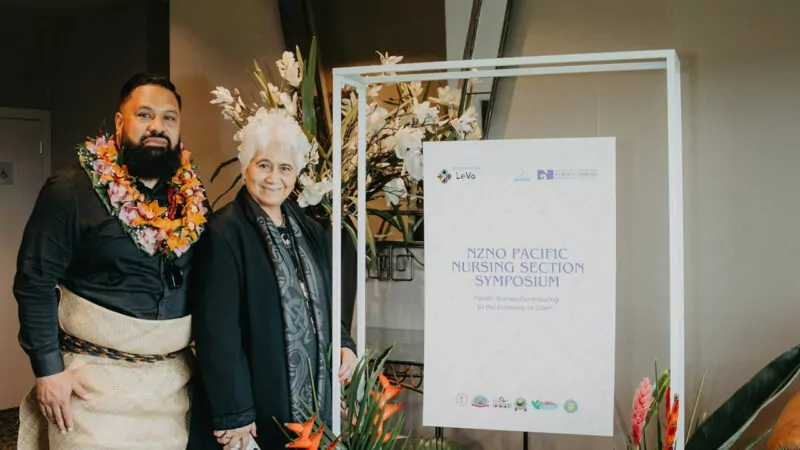
“Pacific Nurses: Contributing to the Economy of Care” was theme for the Pacific Nursing Section Symposium and AGM 2024, held in Tāmaki Makaurau Auckland on 11 October and sponsored by Le Va.
The event brought together several generations of Pacific nurses and inspirational keynote speakers to network and share insights about the current and future state of healthcare in Aotearoa New Zealand.
Ben Tameifuna, Le Va’s cultural lead and senior manager for public health and disability, opened the day by honouring senior Pasifika nurses with a powerful challenge:
“One of the main priorities for Le Va is to build the capacity and capability of the Pacific public health workforce ensuring we are carrying on the legacy that is already there. Ask yourself what is your legacy?
“What would you like to be remembered for in nursing and what will you leave behind for the next generation of nurses? As the well-known quote goes, ‘What you leave behind is not what is written on your headstone, but what is woven into the lives of others.’”
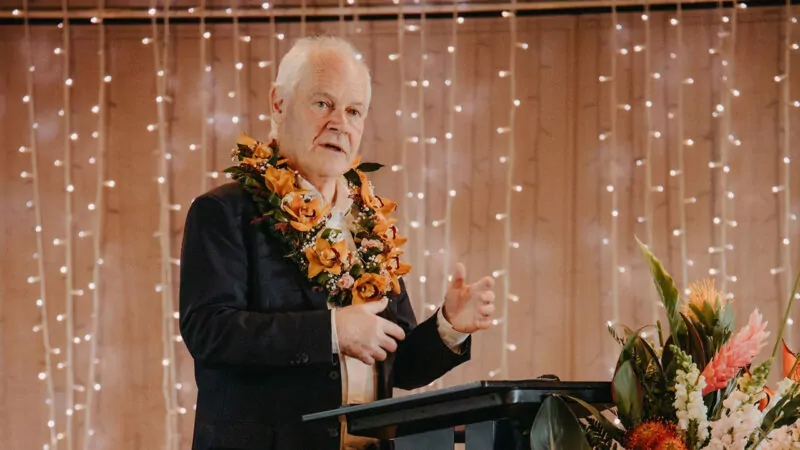
Sir Collin Tukuitonga, Associate Dean Pacific at the Faculty of Medical & Health Sciences at the University of Auckland, and Paul Goulter, Chief Executive Officer of the New Zealand Nursing Organisation, shared valuable insights on leadership and the vital contributions Pacific nurses make to the healthcare sector in Aotearoa.
It was inspiring for our Pacific nurses to be in a room filled with their peers and to hear from those with more than 40 years of experience as well as aspiring nursing students, excited to enter the workforce.
Ana-Malie Poe said, “It really was an honour to be able to experience one of these Symposiums for Pacific Nurses as a student. I was so encouraged and felt so empowered to be surrounded by such amazing, strong Pacific Nurses… Thank you so much for encouraging us students to keep going and knowing we have the most amazing support behind us makes the journey so much more worthwhile, carrying on that legacy.”
Le Va was honoured to support this symposium in collaboration with the Tongan Nurses Association and the Pacific Nursing Section. We look forward to future collaboration in the public health space.
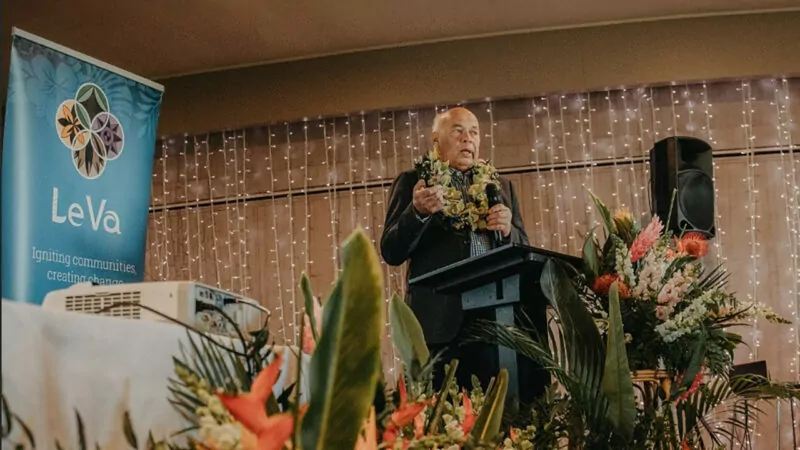
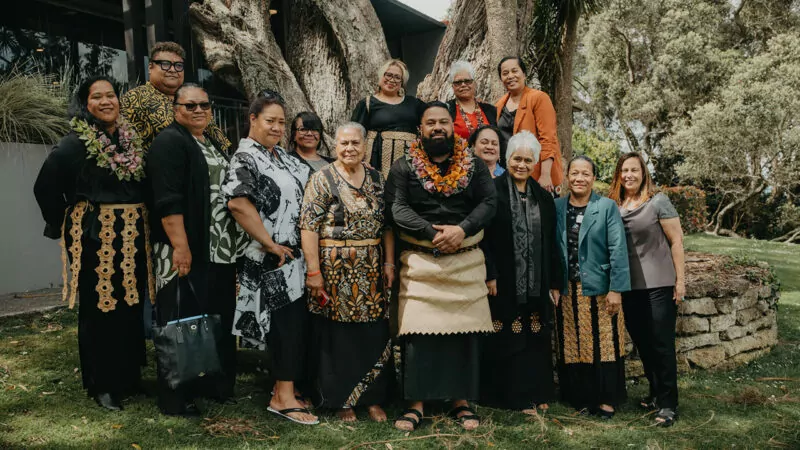
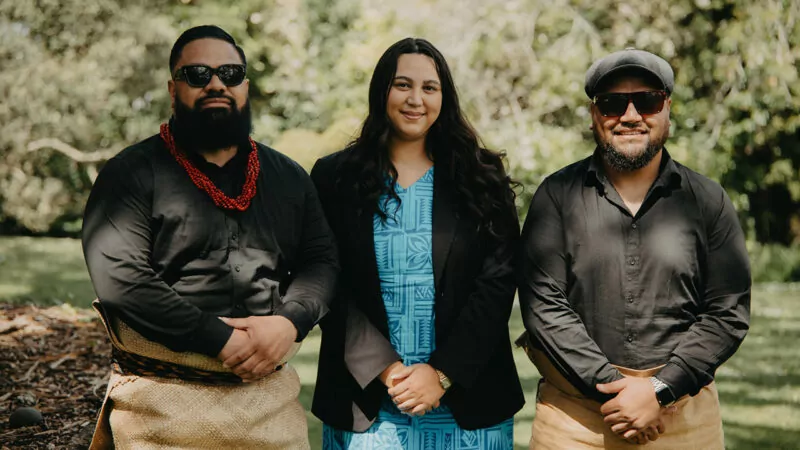
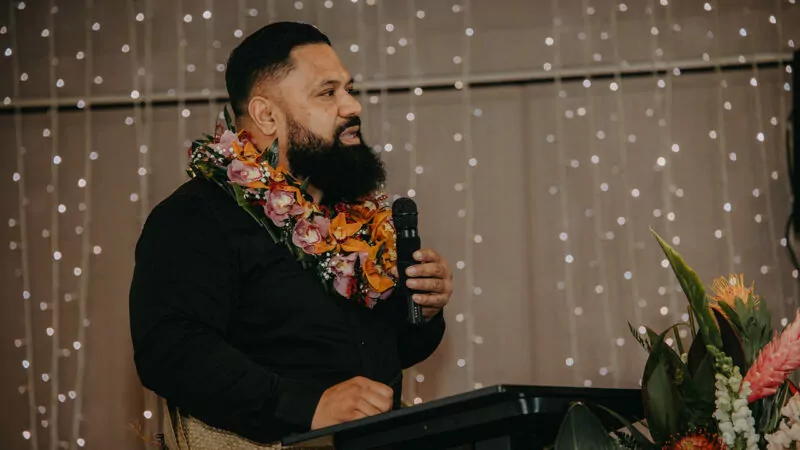
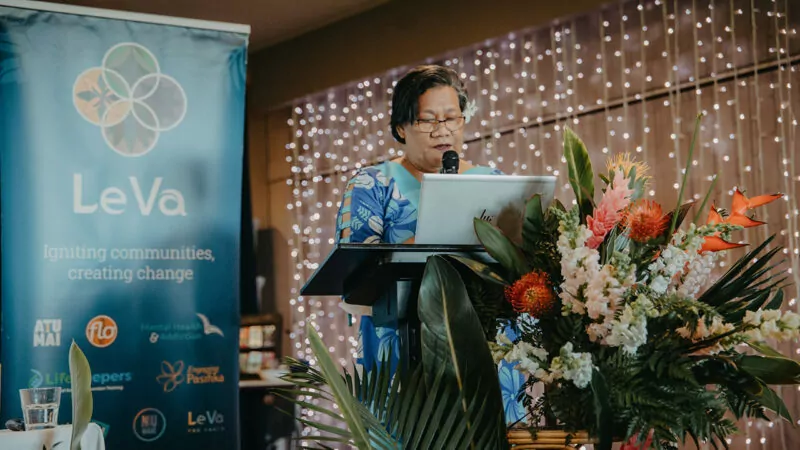
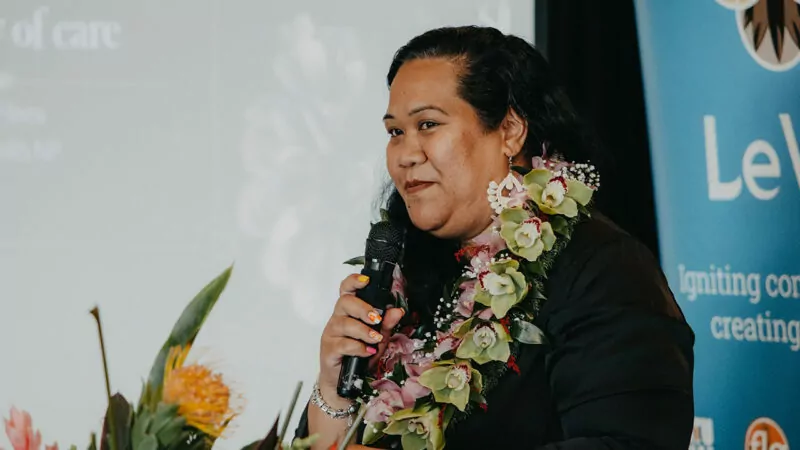
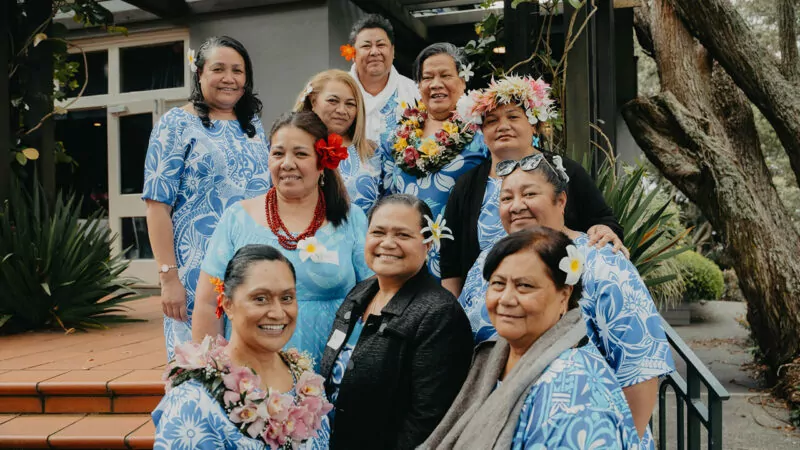
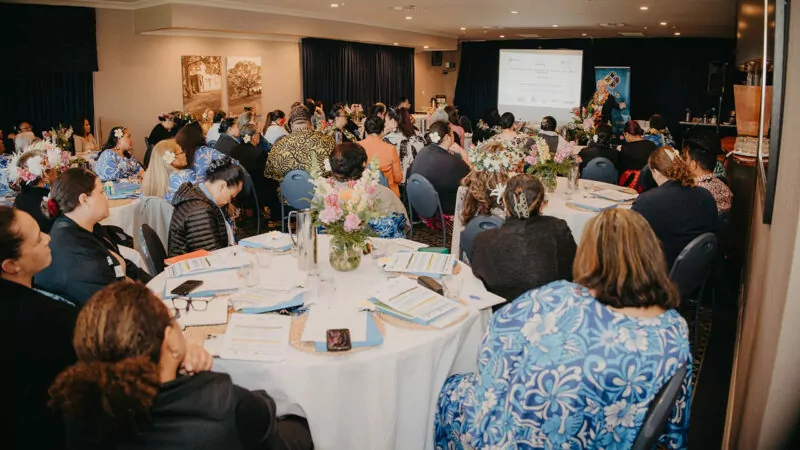
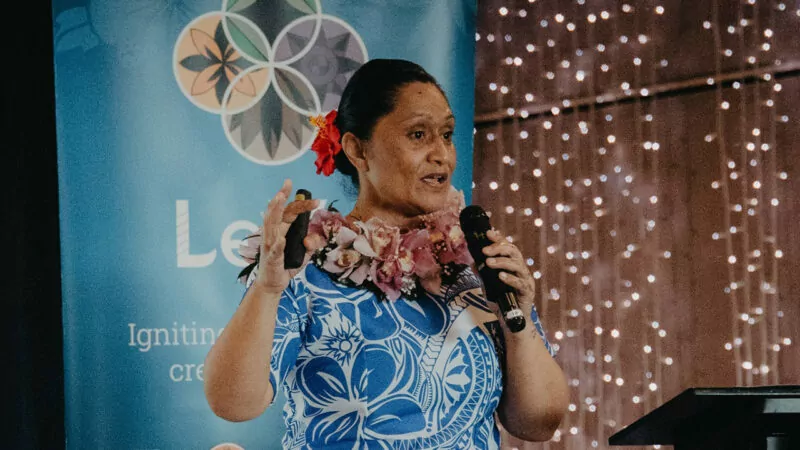
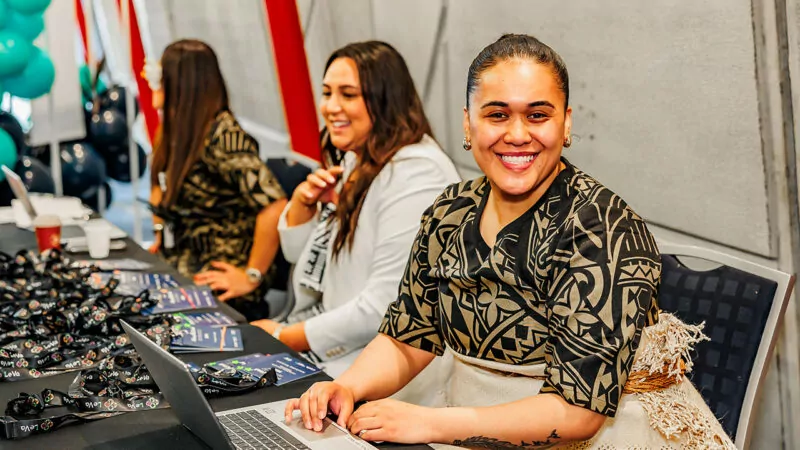
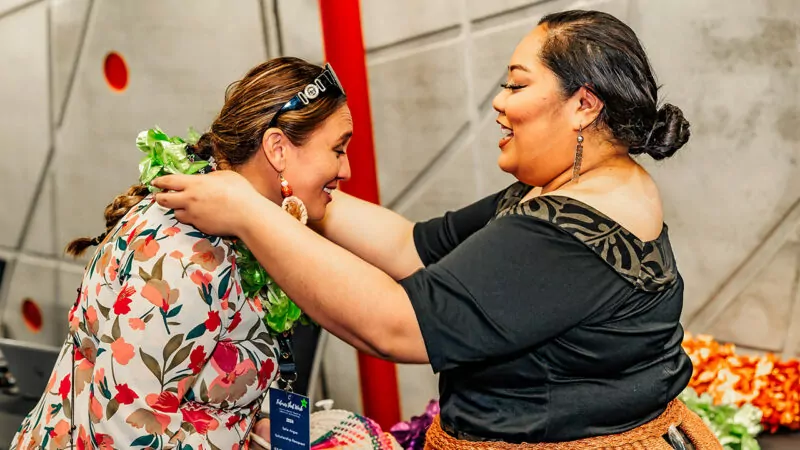
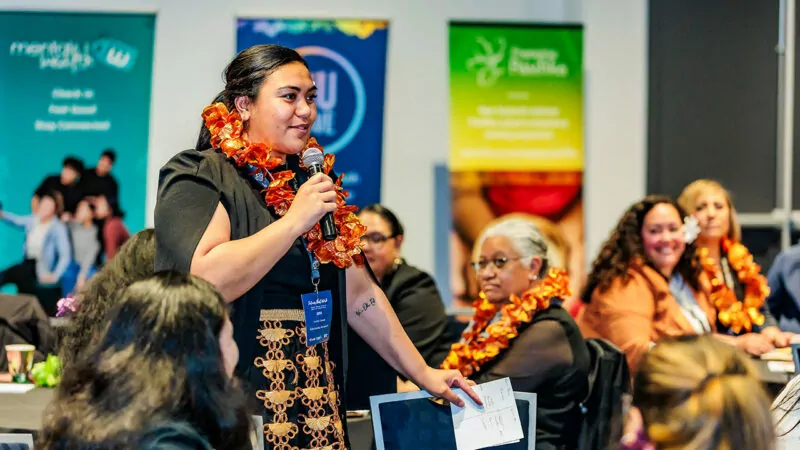
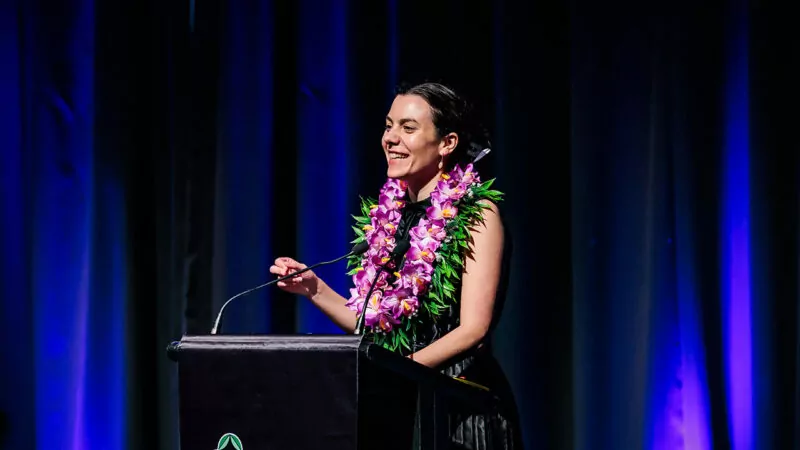
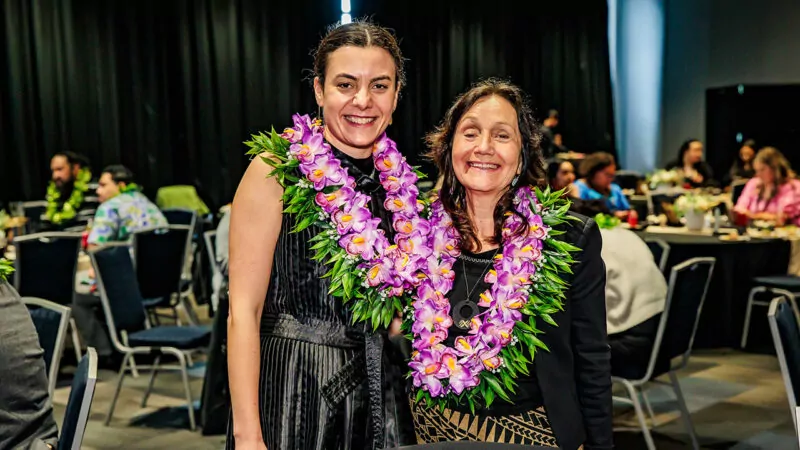
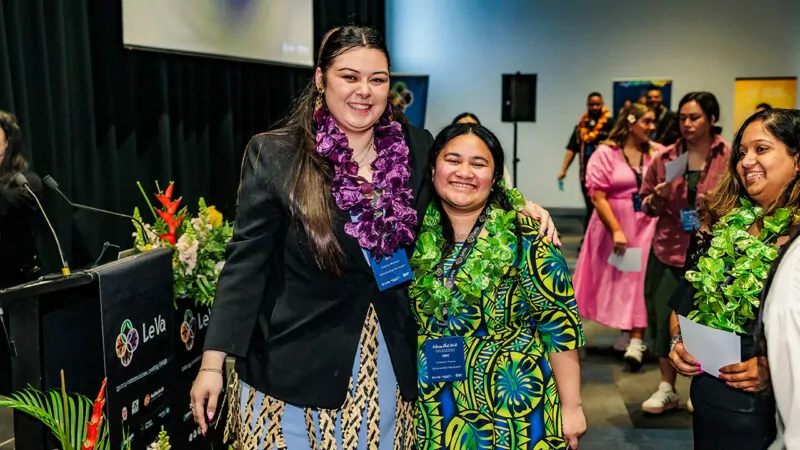
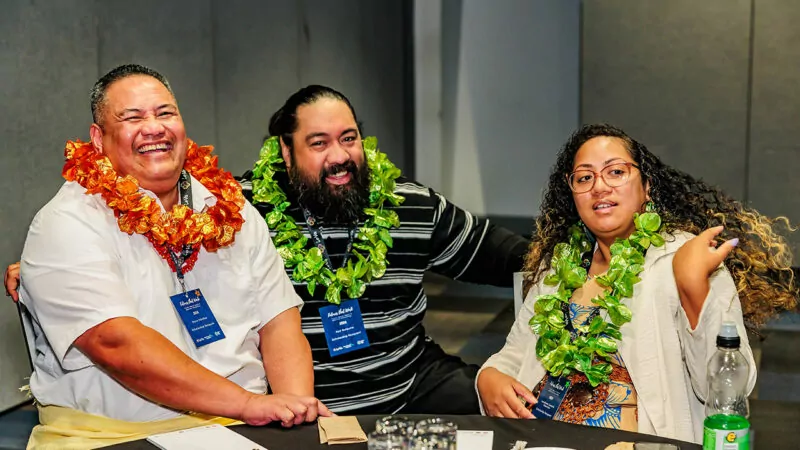
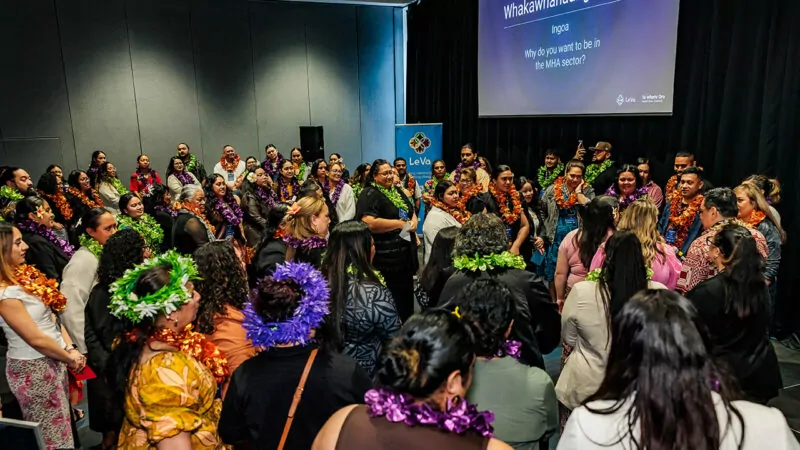
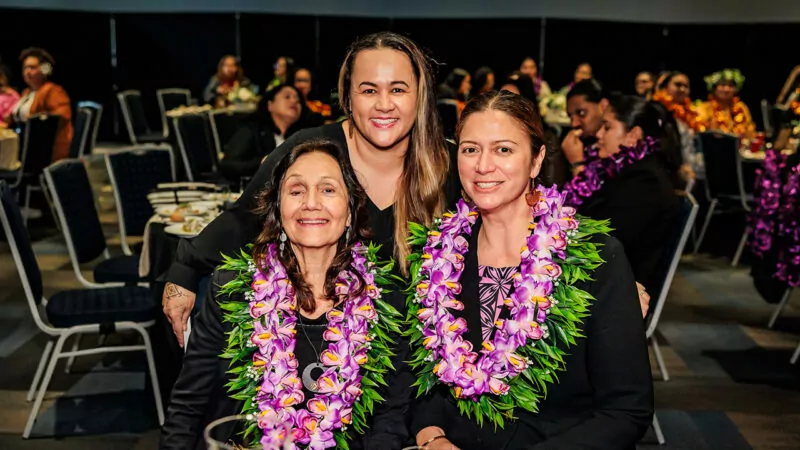
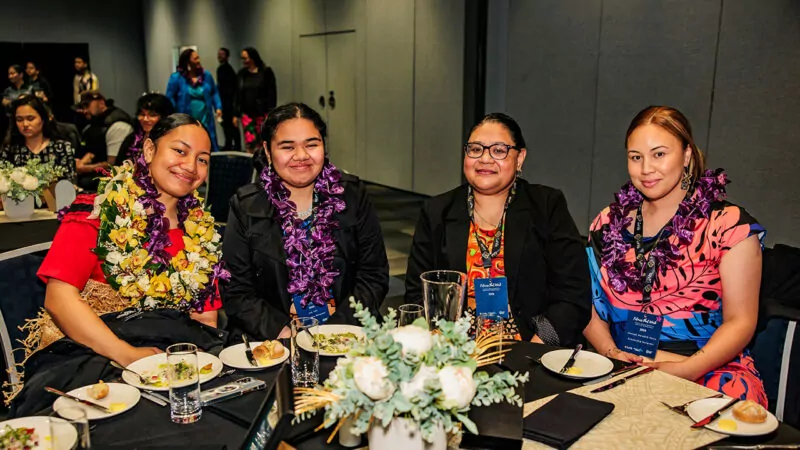
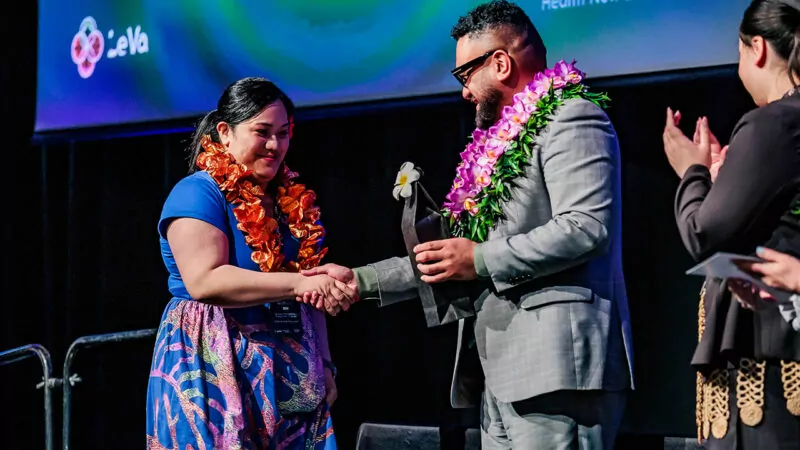
Le Va celebrated the achievements of 163 Pasifika mental health and addiction students this week, with 98 receiving their Futures that Work Pacific Mental Health and Addiction Scholarship awards in person in Manukau on 9 October.
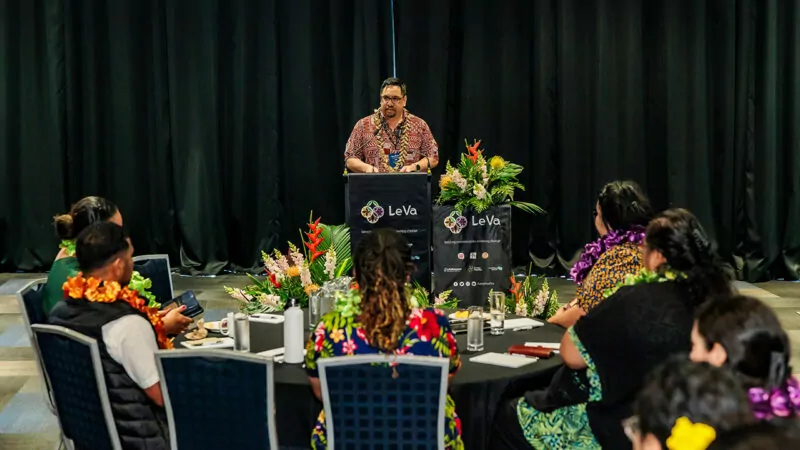
Maria English, CEO of ImpactLab, addressed the students in her keynote speech, saying,
“When I look around this room, my eyes light up. When I see the people coming across the stage, I think about the hundreds, if not thousands, of people whose lives each of you scholars will positively impact.”
Pacific people in Aotearoa New Zealand have higher rates of mental illness and substance abuse than the general population, with lower rates of access to services and poorer health outcomes overall.
Le Va’s Futures that Work Pacific Mental Health and Addiction Scholarship, funded by Health New Zealand – Te Whatu Ora, aims to reverse this trend by supporting the development of the Pasifika mental health and addiction workforce.
The Futures that Work programme offers more than just financial support – students receive mentoring, cultural and pastoral care, and help with identifying career pathways in the sector.
Le Va chief executive, Denise Kingi-‘Ulu’ave, said to the students, “There is still much work to be done to address the disparities in mental health and addiction services for Pasifika. But with each of you here today, I am filled with hope.”
As part of the Wise Group – which is a Te Tiriti-based group – Le Va has a shared commitment to understanding and upholding our responsibilities and obligations to the articles of Te Tiriti o Waitangi.
To honour that commitment, our team showed support for the Māori language throughout Te Wiki o te Reo Māori.
We put extra effort into our weekly waiata practice, harvested harakeke and tried our hands at weaving, and of course we shared kai to celebrate the week.
This year’s theme for Te Wiki is ‘Ake ake ake – A Forever Language’, representing the resilience, adaptability and endurance of te reo Māori long into the future.
While some of the Le Va team are fluent or confident in speaking te reo Māori, others are on a learning journey or may know a few kupu Māori.
Through cultural activities and kōrero about the language, we can all learn a little more to help ensure that te reo Māori becomes a living, forever language of Aotearoa.
Kia kaha te reo Māori!
-
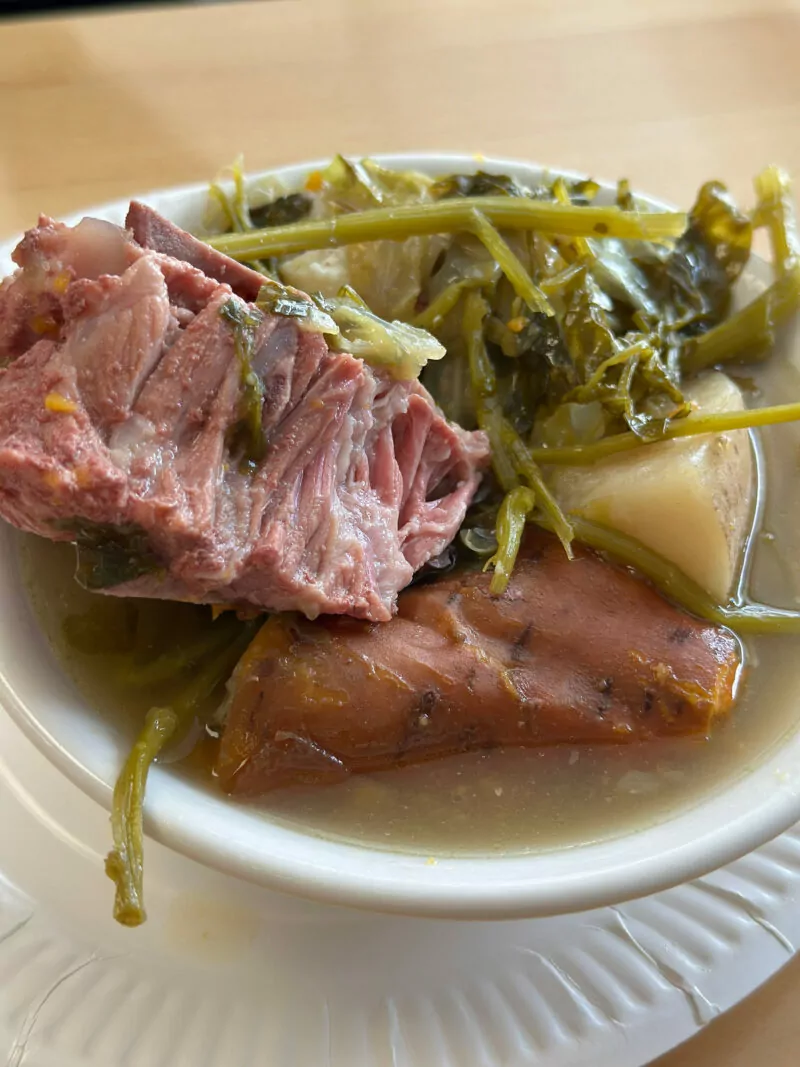
- Sharing Kai
-
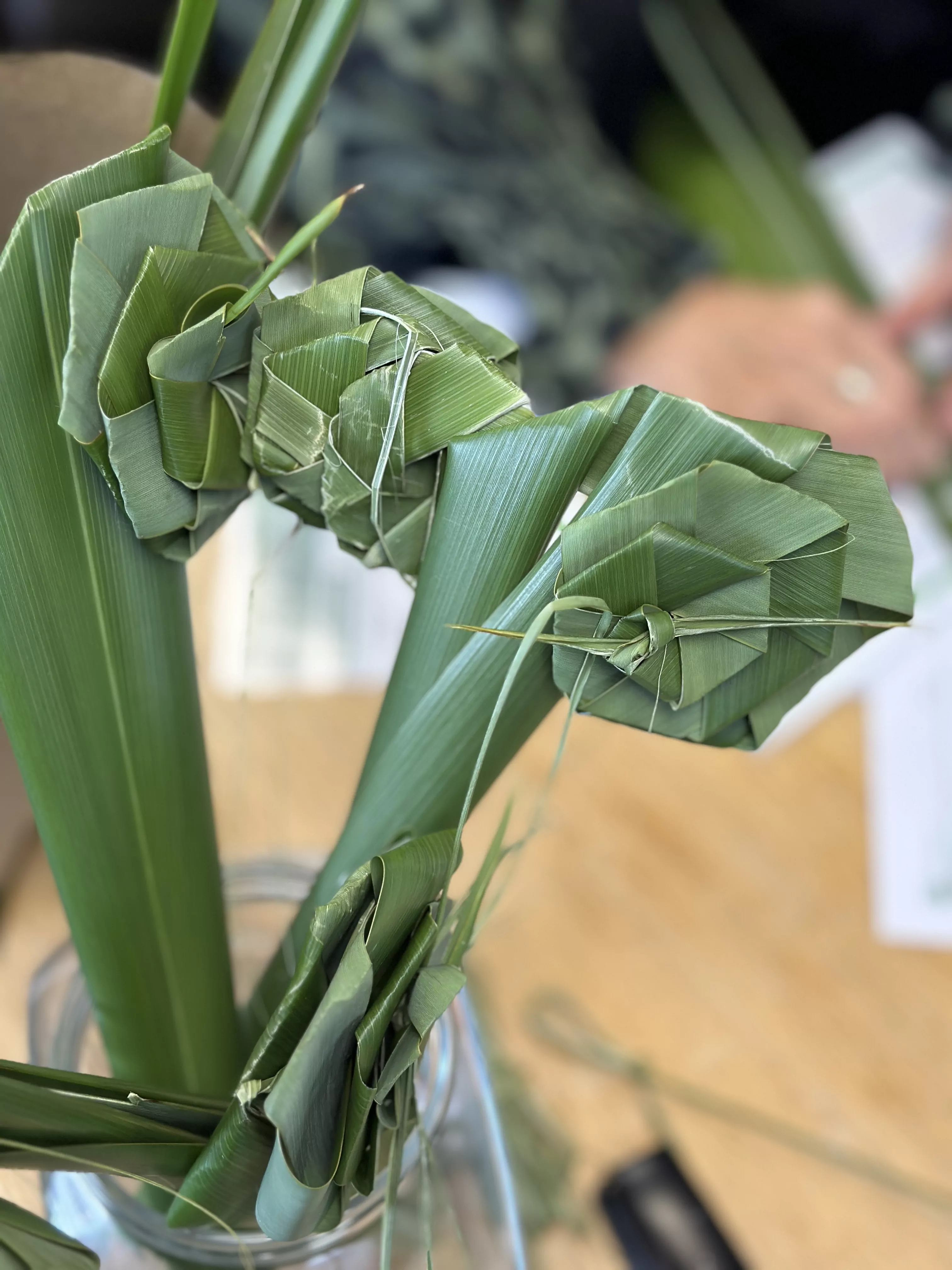
- Harakeke flowers
-
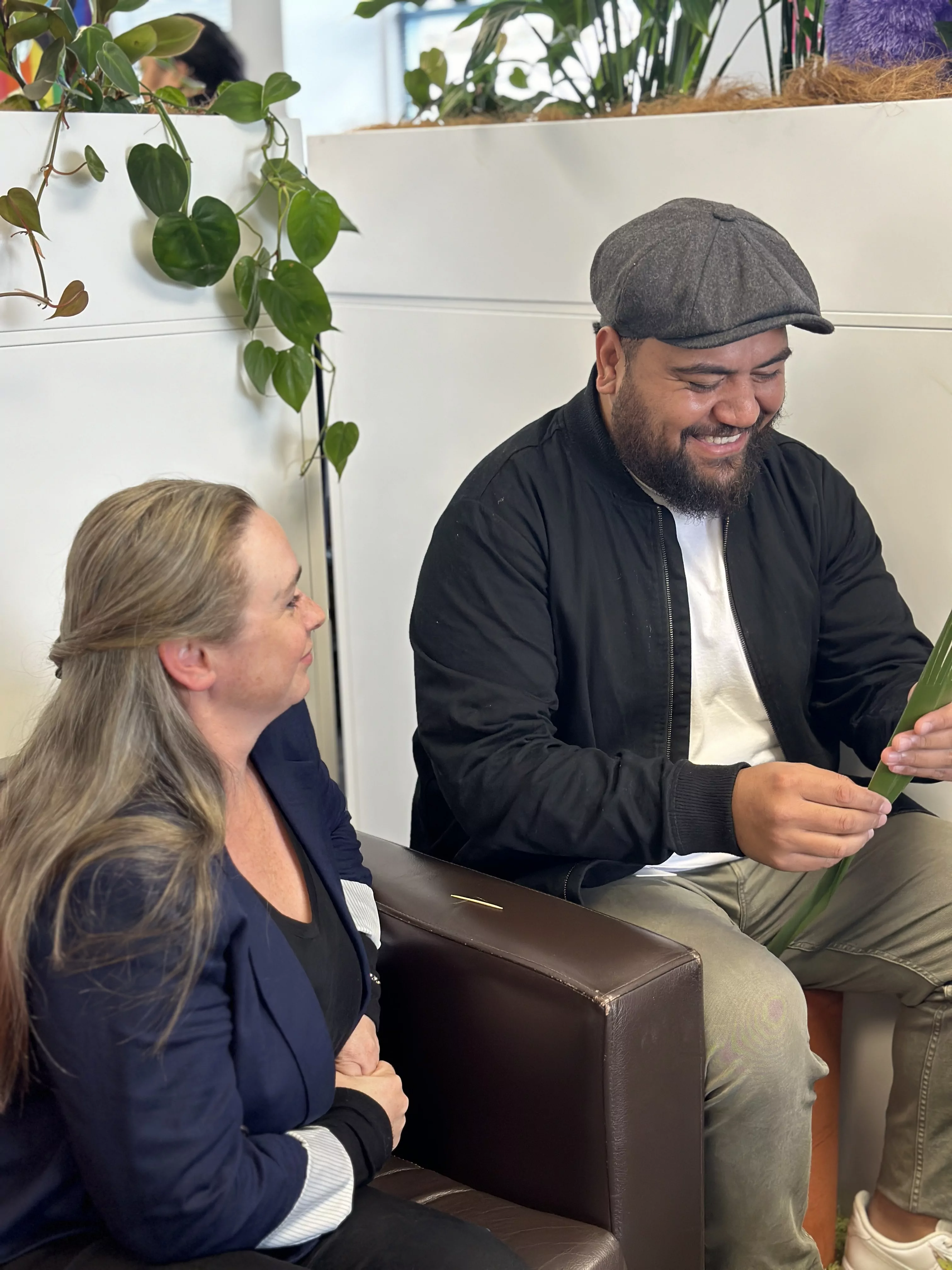
- Heather Hammond and Max Tuipulotu
-
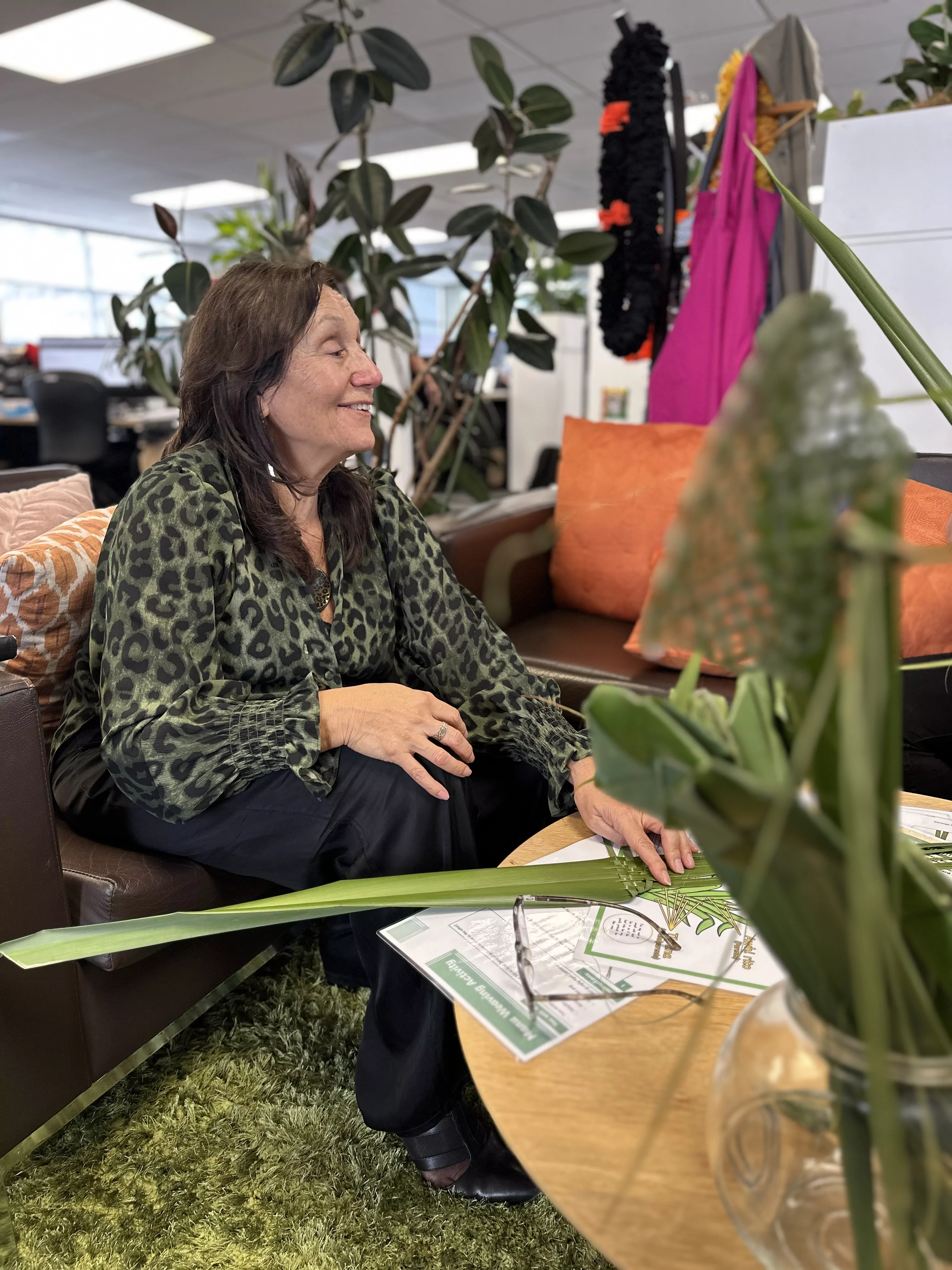
- Denise Kingi-‘Ulu’ave
-
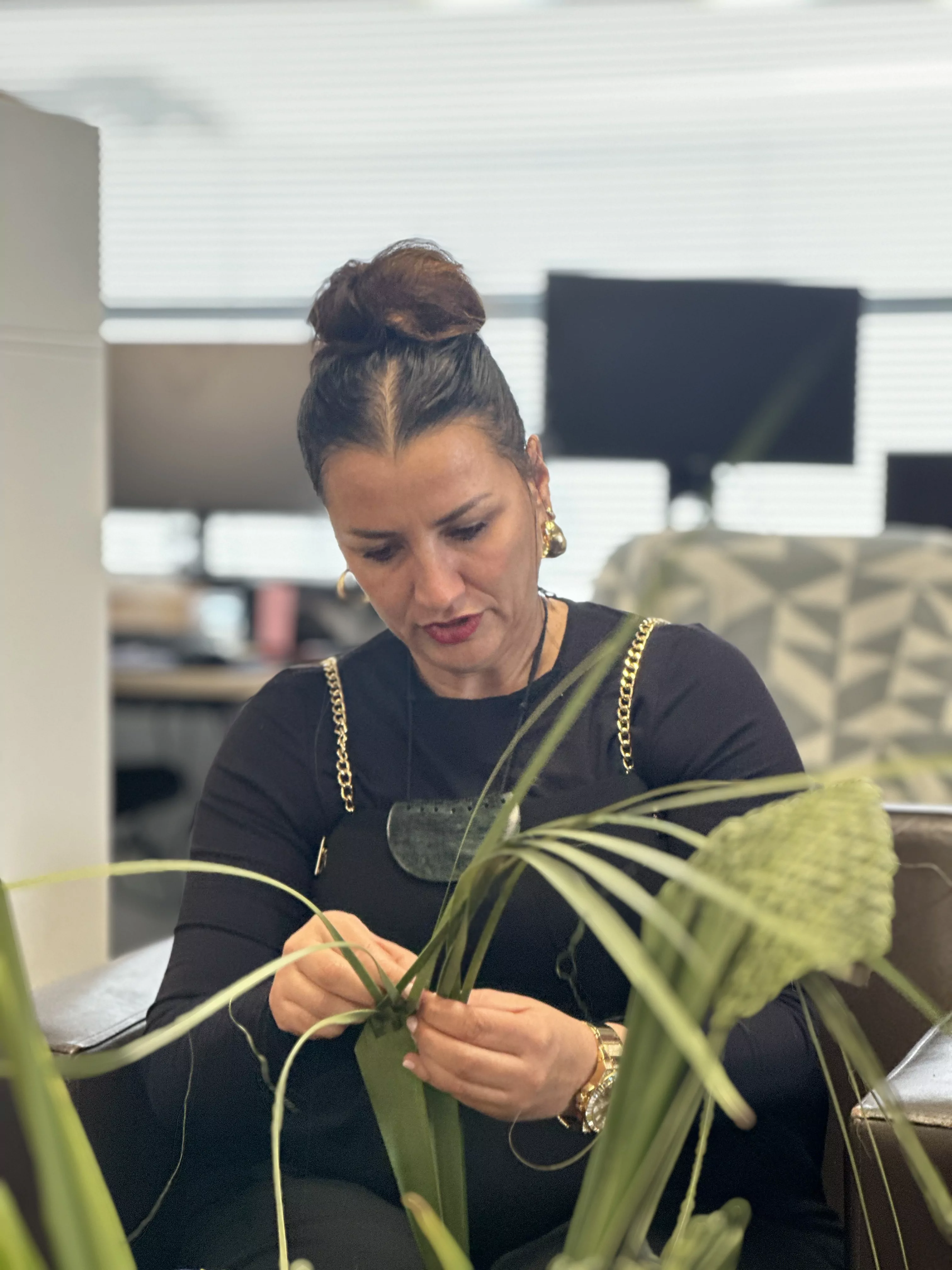
- Tiana Watkins
-
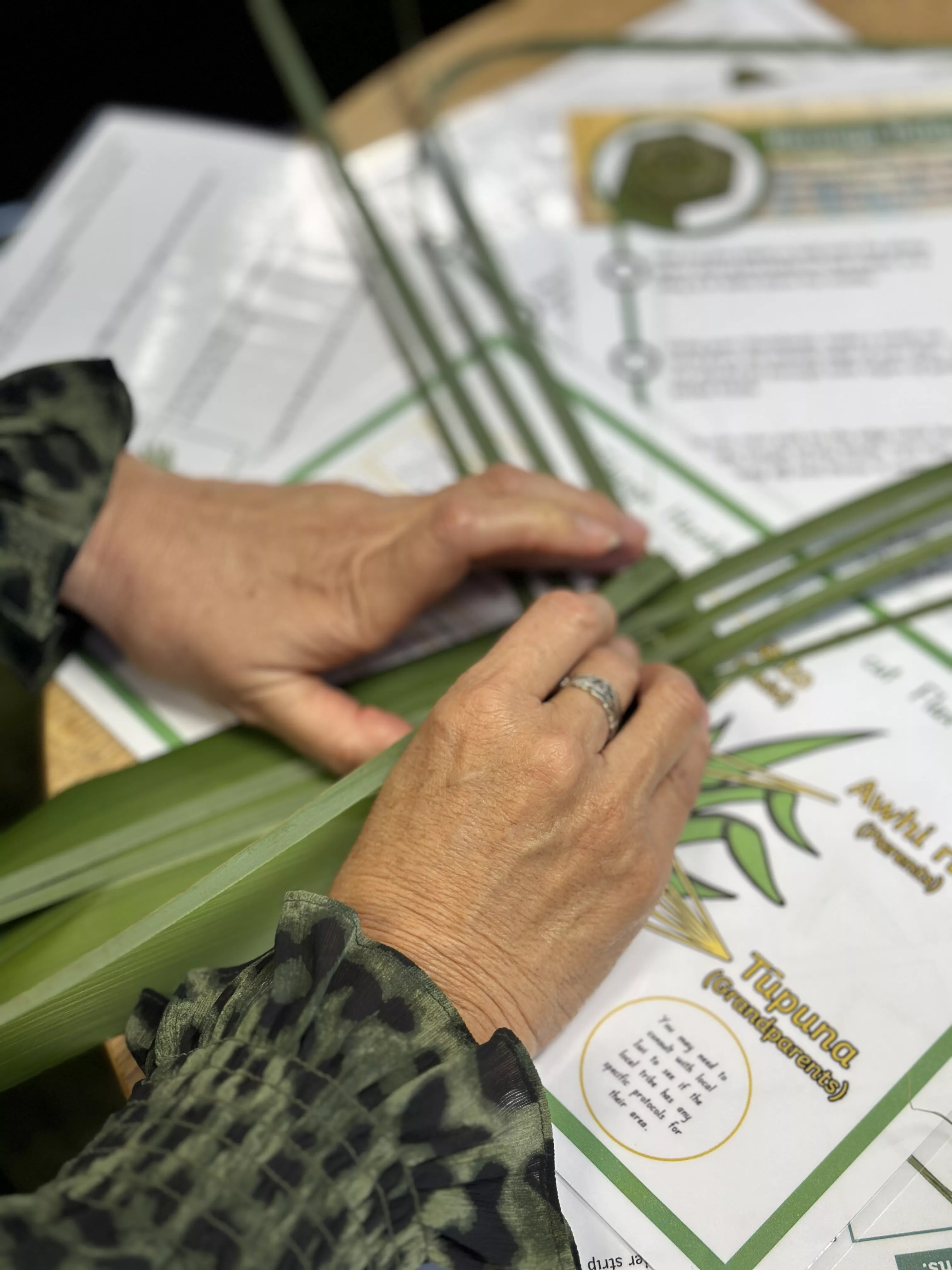
- Weaving Harakeke
Our Le Va team had an amazing time diving into these two beautiful Pacific cultures and connecting over traditional kai, songs and dances.
At the start of August our new mental health and addiction project coordinator, Melanie Goodwright – who hails from Aitutaki, put us through our paces by teaching the team ura – a traditional dance of the Cook Islands.
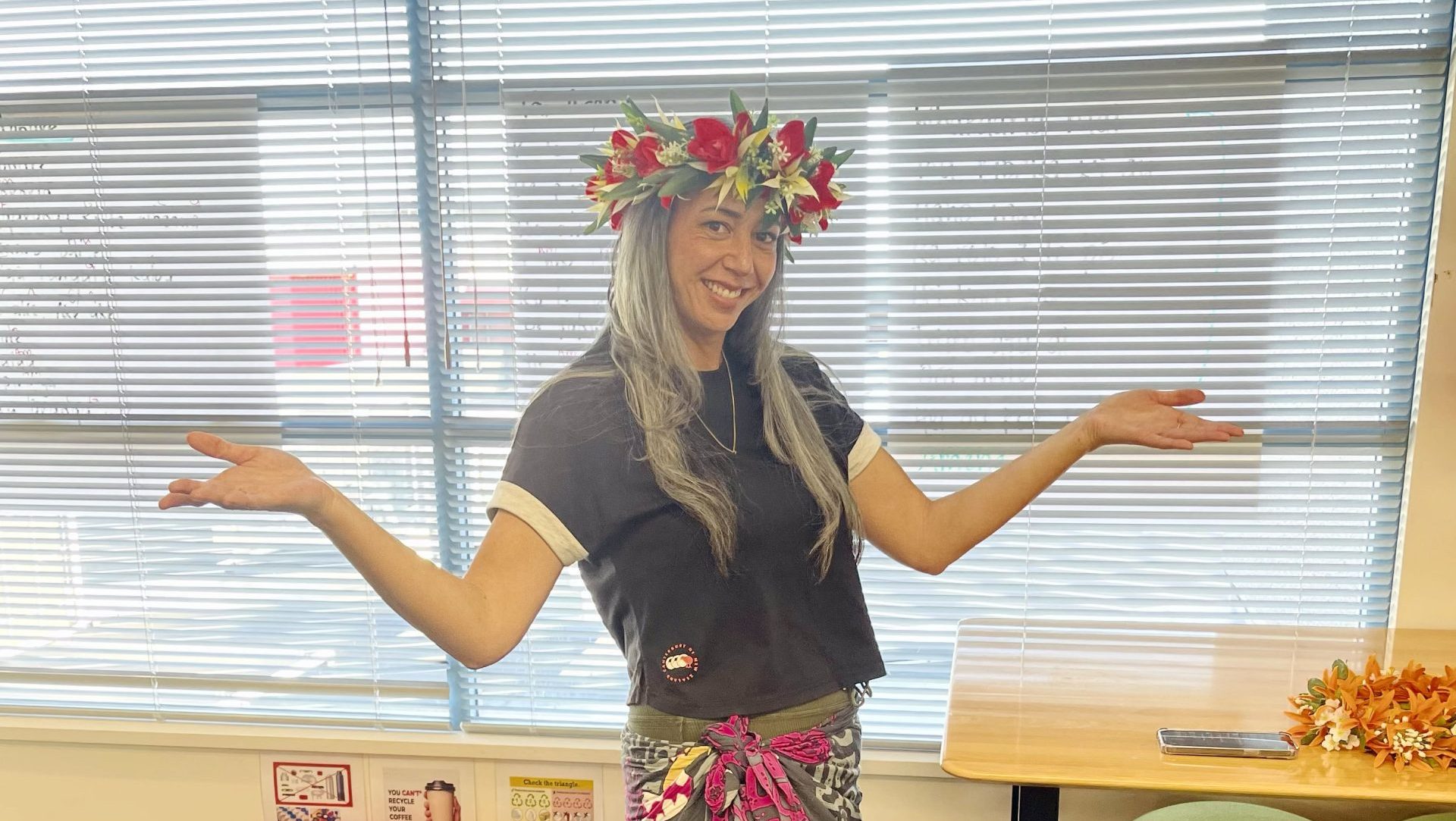
Melanie Goodwright leads the ura
This week our Tongan team members treated us to a Tongan feast and taught the whole team a powerful Tongan hymn and dance.
Honouring our heritage is one way we support wellbeing at Le Va, in the knowledge that having a strong cultural identity is a good protective factor that can help us through tough times.
We encourage everyone to join in and share in our celebrations, because connecting with people is another way to ensure we strengthen wellbeing.
You can explore our Top 5 Tactics for Pasifika wellbeing here.
“Love us the same, hold us the same” is the powerful message of Nevertheless – a Māori, Pasifika and Takatāpui Rainbow+ mental health non-profit organisation.
Le Va was privileged to receive Rainbow Competency Training from Nevertheless this month, giving our staff an invaluable opportunity to grow as allies.
Shaqaila Uelese and Maia Wati-Cooper, co-founders of Nevertheless, led an invigorating talanoa on topics such as navigating religion and sexuality, a history of Rainbow+ communities in Aotearoa, MVPFAFF+/Takatāpui terminology and gender-inclusive language.
They were joined by panellists Alieta Uelese, Usufonoimanu Peseta Betty Sio and Danae Malo, who generously shared their stories of parenting and being members of the Rainbow+ community.
Nevertheless, based in Te Matau-a-Māui Hawkes Bay, was set up to support the holistic wellbeing of individuals, whānau and aiga who are Takatāpui or Pasifika Rainbow+ communities.
Their mission is to create safe spaces for Māori and Pasifika Rainbow+ peoples to be free to be heard, seen and be their full authentic selves without denying any part of their holistic identity out of shame or stigma.
Nevertheless also established the Manioro Festival, a three-day festival for Takatāpui, Pasifika Rainbow+, MVPFAFF+ and LGBTQIA+ peoples and whānau including communities, organisations and churches.
‘Manioro’ means to make a noise, to create a disturbance. As Shaqaila said during the training session, ‘Disruption provides opportunity for growth.’
At Le Va, we are committed to identifying and addressing inequities to serve our diverse communities in an equitable way.
Taking part in this essential training from Nevertheless represents a step towards fulfilling our purpose of igniting our communities and creating positive change, through better understanding of how to support our MVPFAFF+, Takatāpui, and Rainbow+ communities.
_____________________________________________
Visit neverthelessnz.com to learn more about their important work, and check out our Rainbow Pasifika page for a list of support services.
“Our Pasifika don’t care what you know until they first know you care.”
Le Va’s general manager, Dr Elizabeth Mati, recently had the opportunity to present at the inaugural National Rugby League (NRL) Psychologist Conference in the Hawkesbury Valley in New South Wales, Australia.
Dr Mati, who is also a registered Clinical Psychologist, joined her esteemed colleagues Professor Jioji Ravulo (University of Sydney), David Solomona (NRL Wellbeing and Players Pasifika Manager) and Shane Senituli (Registered Psychologist) to hold a talanoa (discussion) on Pasifika culture.
The talanoa explored the nuances of Pasifika worldviews and cultural practices and the importance of nurturing the va (relational space) when engaging with Pasifika people.

Talanoa on Pasifika culture
The NRL works with mental health organisations such as Le Va for specialist referrals and guidance in developing education and support programmes for players.
The NRL Wellbeing & Education team, led by Senior Wellbeing & Education Manager Paul Heptonstall, is pioneering in this space – promoting the holistic wellbeing of their athletes on and off the field.
Le Va is proud of our ongoing partnership with the NRL, providing expert advice on Pasifika mental health and championing Pasifika wellbeing initiatives for more than a decade.

NRL Psychologist Conference
Le Va is part of the Wise Group. Copyright ©2026
