We don’t bring the answers, we bring our hands. Our job is not to lead the work, but to walk with those who already are.” – Denise Kingi-‘Ulu’ave
Pacific Population Health Summit 2025 | Garapan, Saipan | 16–18 June 2025
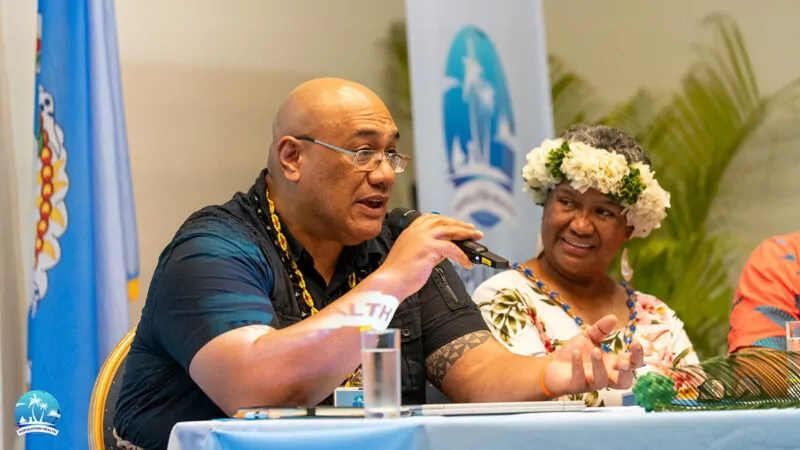
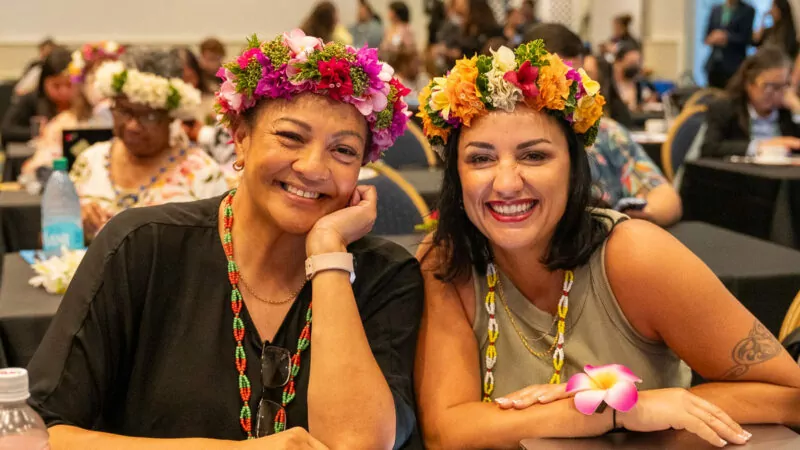
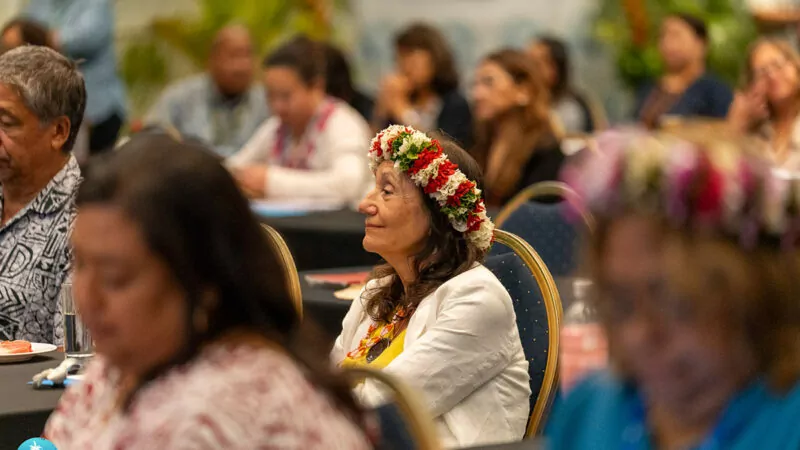
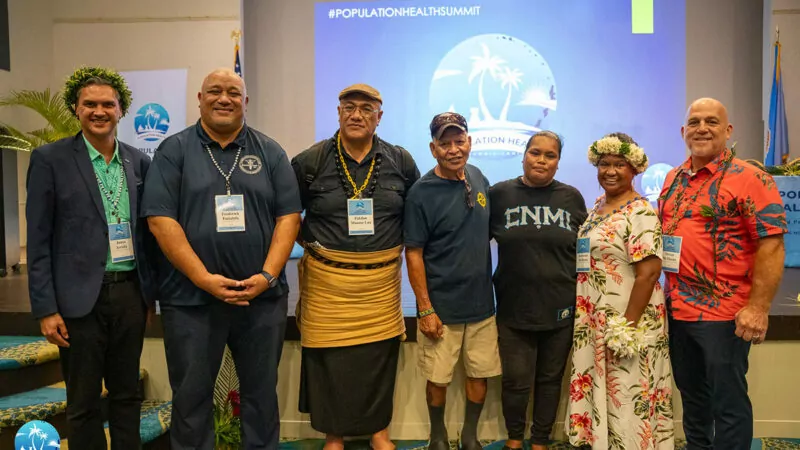
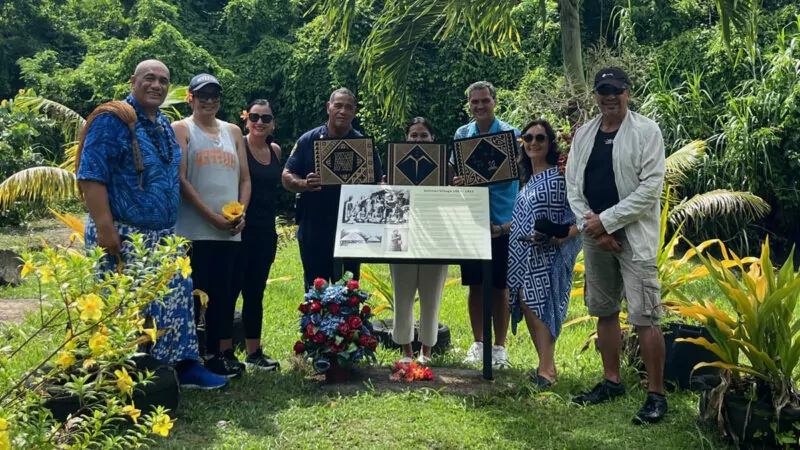
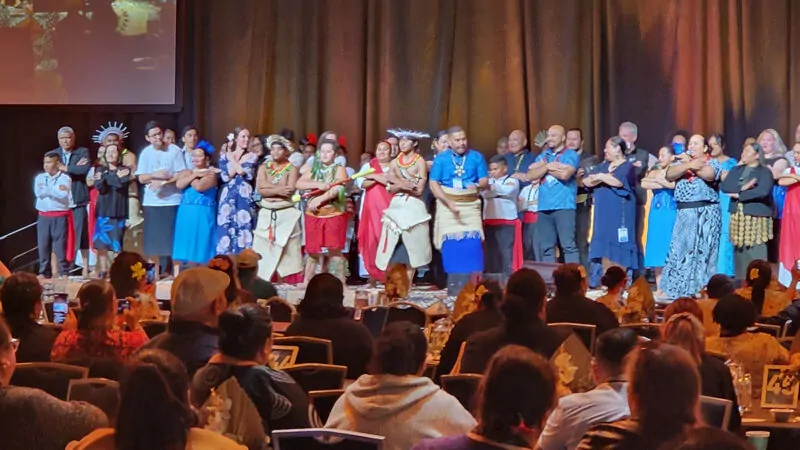
Earlier this month, four members of our Le Va team had the profound honour of travelling to Saipan in the Northern Mariana Islands to attend and contribute to the inaugural Pacific Population Health Summit, with the theme of ‘Navigating Pathways Through the Pacific: Building Healthier and Stronger Island Communities.’
Sponsored to present, be keynote speakers and deliver suicide prevention training, Le Va’s small but mighty contingent from Aotearoa was privileged to share in talanoa and learning alongside passionate changemakers from across the Blue Continent.
Our team
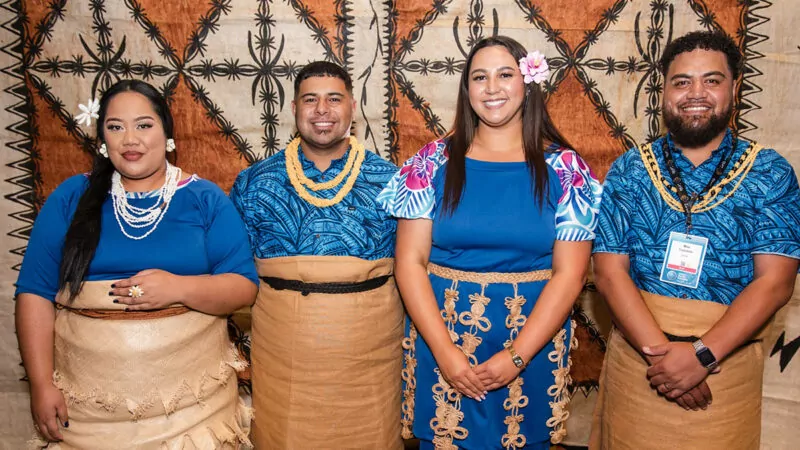
Representing Le Va were chief executive Denise Kingi-‘Ulu’ave, Pasifika equity lead Pakilau o Aotearoa Manase Lua, and senior managers for suicide prevention Leilani Clarke and Tiana Watkins. Each brought a depth of cultural knowledge, lived experience and professional leadership in suicide prevention and mental wellbeing. The strength of their presence went beyond their knowledge and expertise, manifested in their shared commitment to cultural integrity, aroha and collective uplift.
Keynotes, talanoa and wānanga
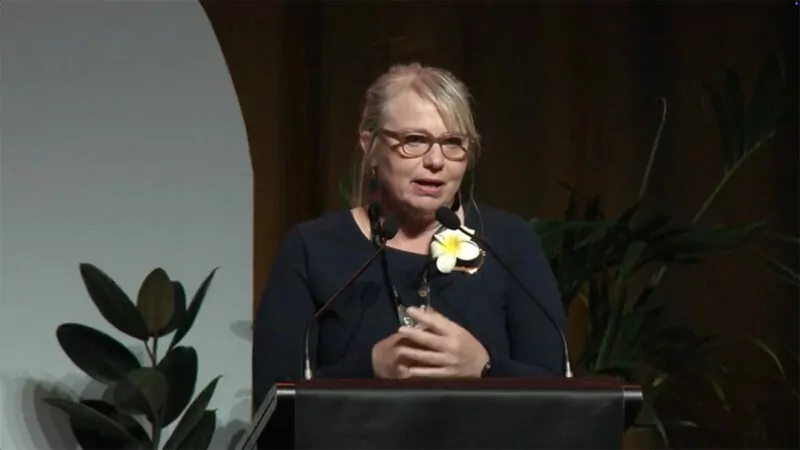
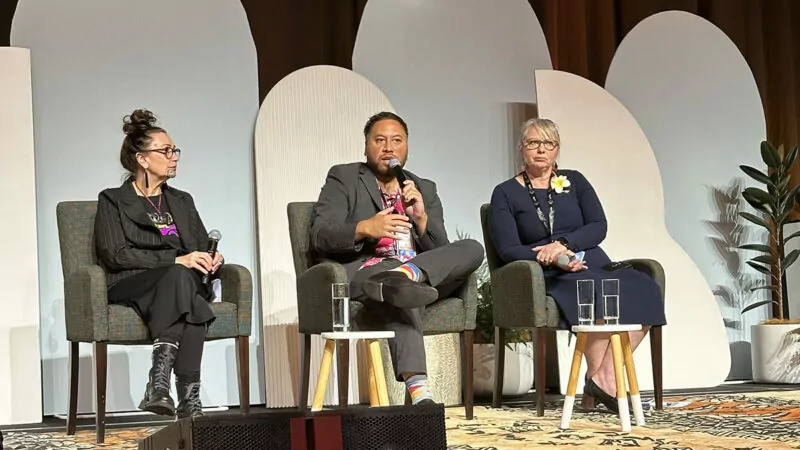
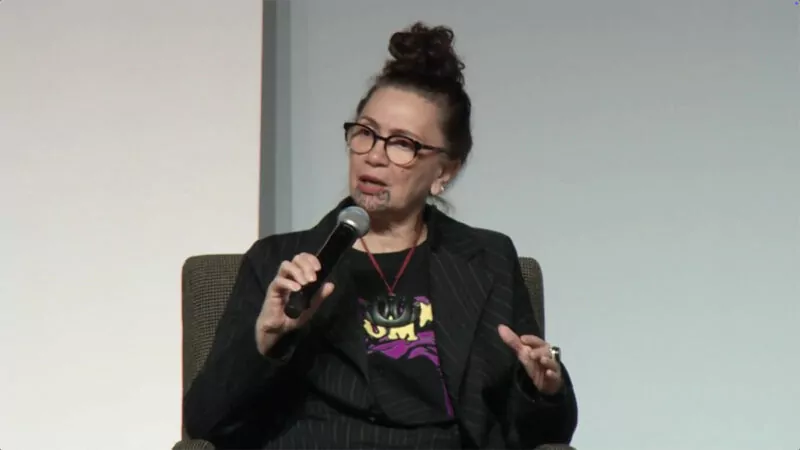
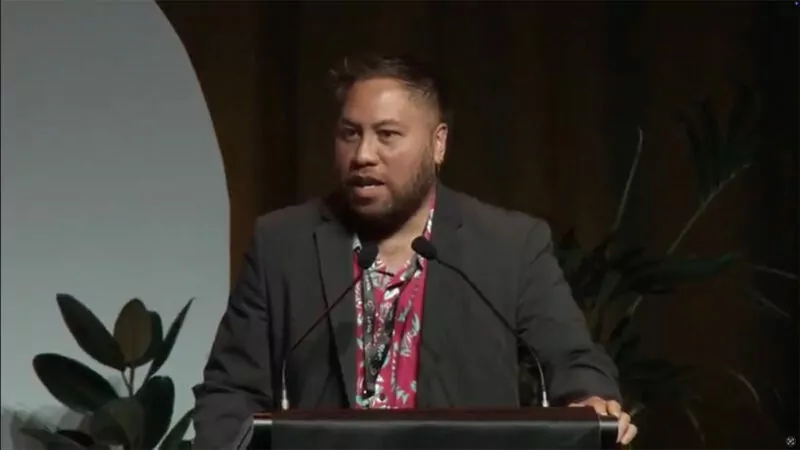
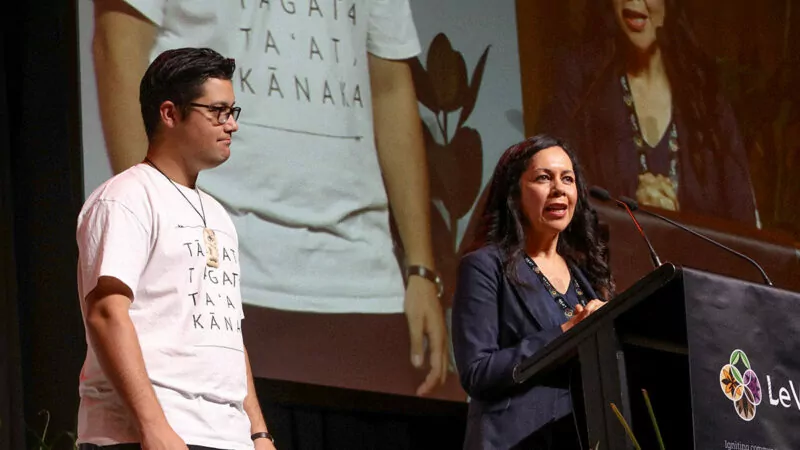
Denise and Pakilau opened the event with a powerful plenary session titled ‘Culture and Wellness’, weaving insights into the enduring value of Indigenous ways of knowing and doing, and how they must sit at the centre of any sustainable wellbeing system. Their talanoa echoed throughout the summit, reverberating through sessions on healing, data equity and behavioural health.
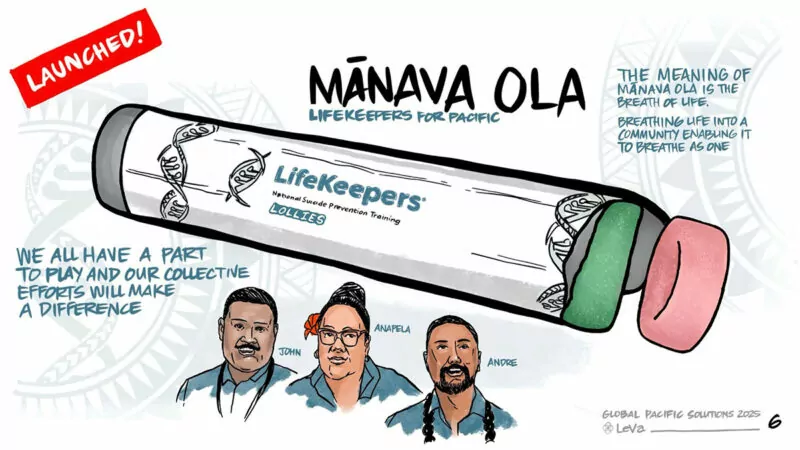
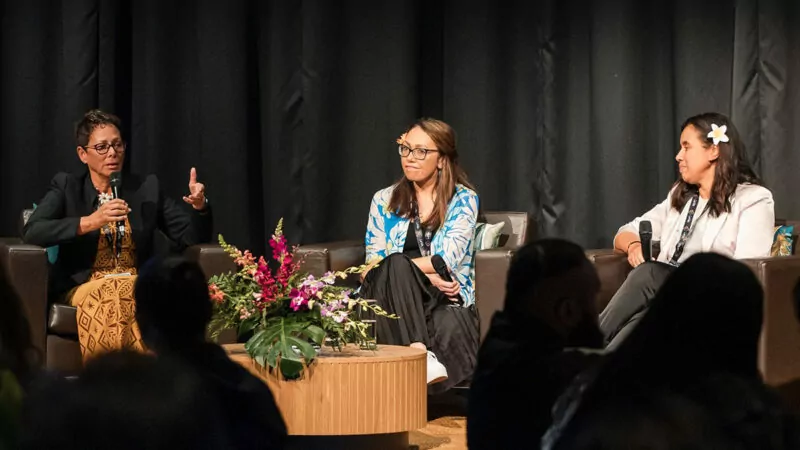
Leilani and Tiana participated in the panel session ‘Addressing Suicide Prevention Strategies in the Blue Continent’, where they presented on Le Va’s LifeKeepers and FLO: Pasifika for Life suicide prevention programmes. Their contributions highlighted the critical importance of aligning clinical safety with cultural and community responsiveness. The kōrero was both sobering and inspiring, shedding light on the persistent suicide rates across Pacific nations while uplifting the strength of collective action, cultural reconnection and enduring hope.
Together, Leilani and Tiana brought forward voices grounded in the va – relationships, connection, and sacred space. They reminded us that suicide prevention does not begin within systems alone, but in the everyday spaces that shape our lives: the home, the village, the church, the school. Their kōrero affirmed that lived stories carry the same weight as data, and that community wisdom must sit at the heart of any meaningful response to suicide.
Mana Akiaki: LifeKeepers for Māori
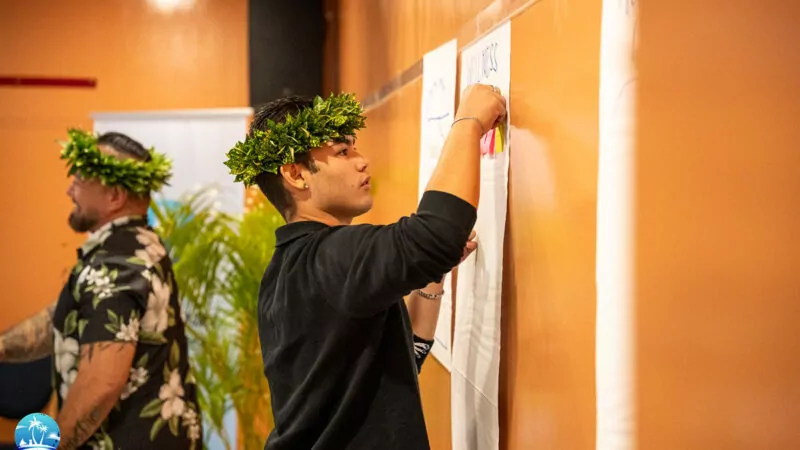
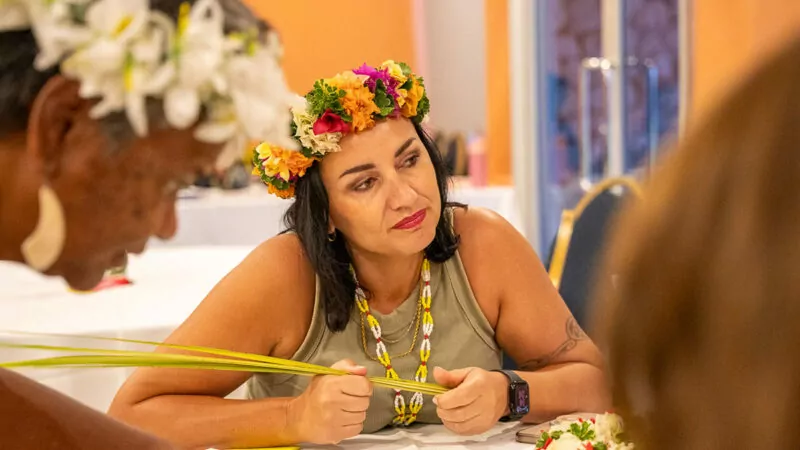
After the summit, more than twenty first responders and crisis response workers gathered with intention and purpose to participate in Mana Akiaki: LifeKeepers for Māori training. Our team delivered this full-day training to showcase how suicide prevention can be meaningfully grounded in Indigenous knowledge systems and relational practice. Their hope was to witness firsthand how a culturally tailored programme could look and feel, so they might explore how to do the same for the rich diversity of their own island communities across the Pacific.
The wairua in the room was deeply felt and participants honoured the kaupapa with humility and fierce dedication, many moved to tears by the cultural integrity of the programme and how closely it resonated with their own Indigenous worldviews. The sharing was raw, real and restorative, reminding us all that cultural identity is not just a foundation for wellbeing, but a powerful pathway to healing.
The ties that bind
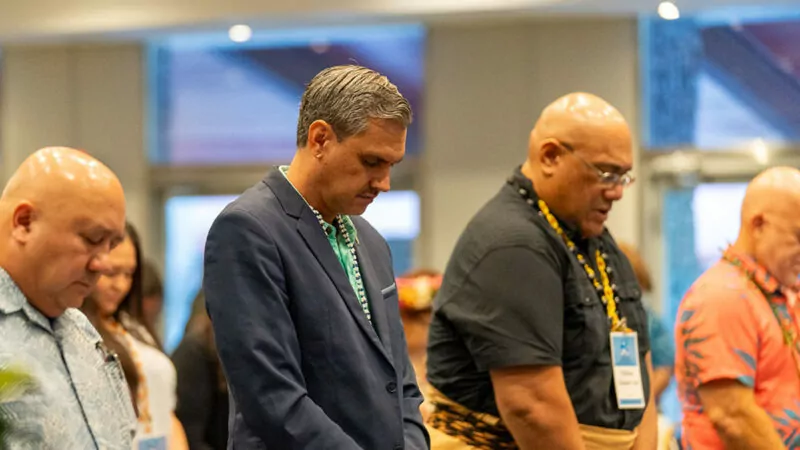
This journey reminded us that although our island homes are scattered across vast oceans, our roots run deep and are interwoven. Whether in Saipan, Aotearoa, Samoa, Guam, Tonga, or Hawai‘i, our ancestors speak through us and our shared struggles and strengths call us to act collectively.
Our heartfelt thanks to the CNMI Commonwealth Healthcare Corporation (CHCC), the Pacific Behavioral Health Collaborating Council, and all those who made this summit possible. Si yu’us ma’ase, ghilisow, fa’afetai tele lava, malo ‘aupito, ngā mihi nui.
As Denise said in her closing words, “We don’t bring the answers, we bring our hands. Our job is not to lead the work, but to walk with those who already are.”
Le Va’s Atu-Mai podcast series continues to gain traction with two more episodes being released in June and July.
The podcast series for Atu-Mai highlights a series of guests to discuss topics such as sexual violence prevention and stopping child sexual abuse.
PJ King
Podcast guest Peter Jared (PJ) King is a basketball youth development advocate and founder of online forum, Kiwi Daddies.
PJ shares about his child sexual abuse in this podcast episode and says it was really important to talk about it. As a father, he says it was also important to be honest with his children.
“Knowing proper words for your body parts, knowing what sex is, giving them a proper explanation. And hey, that’s for when you are older, when you’re ready for it you know, it’s not for now.
“So, if anybody comes to you and tries to be that way then you let me know. They don’t have to let everyone know you just tell me please. Like, tell me as you father.
“I’m living proof that a boy can grow up in poverty and seeing sexual violence, to grow up to be someone else and take ownership of your story, good bad and ugly, and continue to heal. That’s the most gangster stuff you can do.”
Matt Brown
Guest Matt Brown will share some valuable insights into his life experiences on his podcast episode, to be released in July.
“Thanks for the opportunity to speak here – such an honour but my heart is for our community,” he says.
“My message for them is to heal. Because to show up for yourself first, and then you can show up for your family, has to start with you. Your childhood trauma was not your fault, but your healing is absolutely your responsibility.”
The very first podcast episode was with Moeapulu Frances Tagaloa, who is a survivor of faith-based organisations who gave evidence at the Commission of Inquiry into Abuse.
Another episode features a conversation with two Methodist church ministers, Rev. Uesifili Unasa and Rev. Ikilifi Pope, talking about sexual violence prevention.
The Atu-Mai series was produced as part of ongoing efforts to reduce stigma, silence, and shame by talking about sexual violence, and to also help inform and equip people with tools to prevent it.
Atu-Mai says knowing systemic factors that contribute to sexual harm and discuss various risk and protective factors is very important too.
Listen now to the Le Va Podcast Atu-Mai series on Spotify or You Tube.
“As climate change continues to reshape our world, Pacific communities face unique challenges that demand innovative health solutions.” – Te Poutoko Ora a Kiwa.
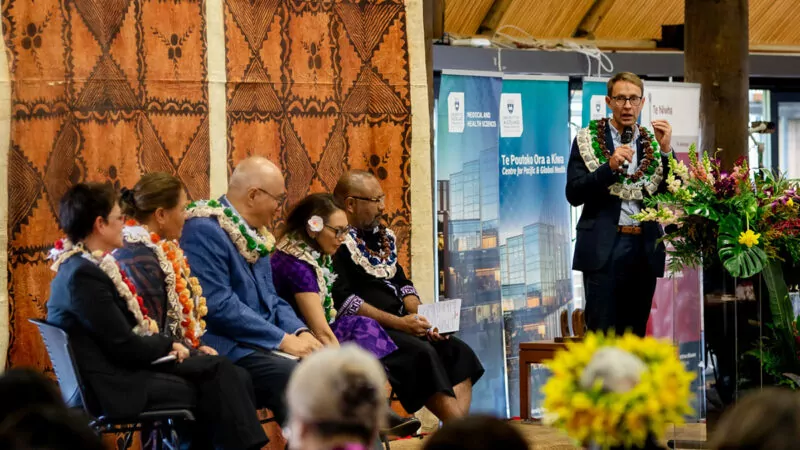
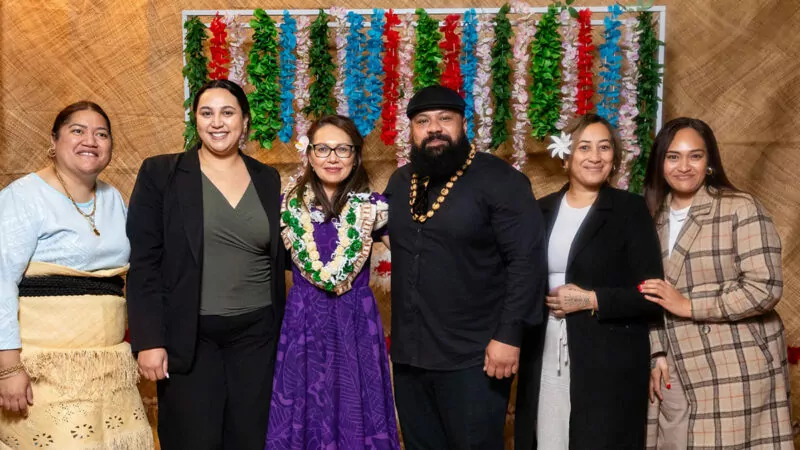
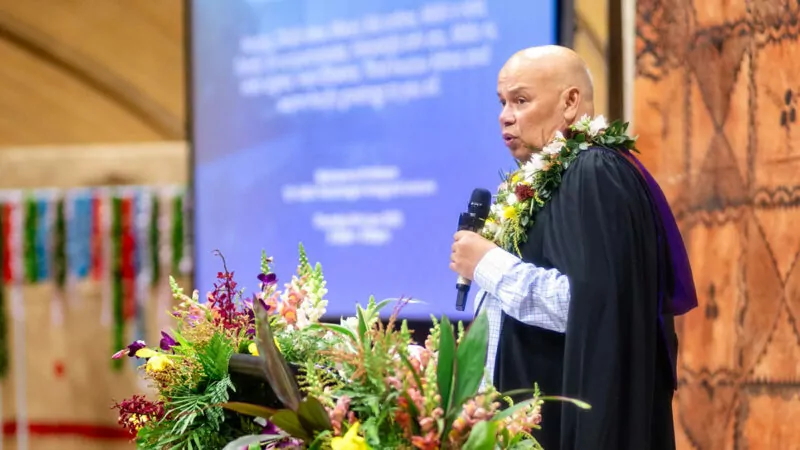
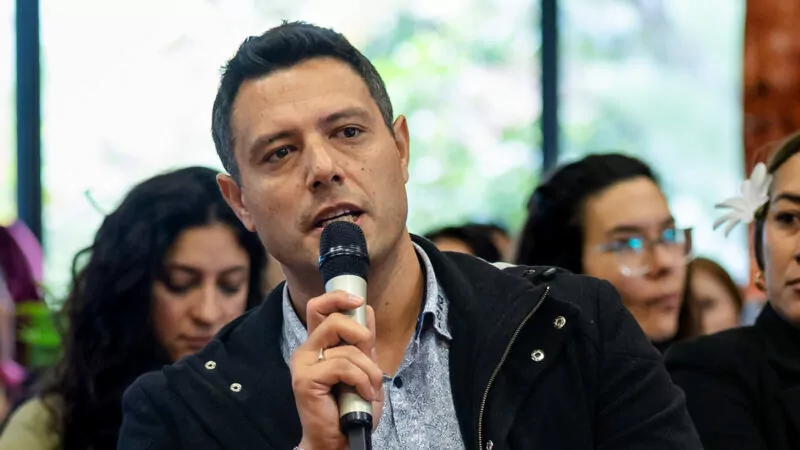
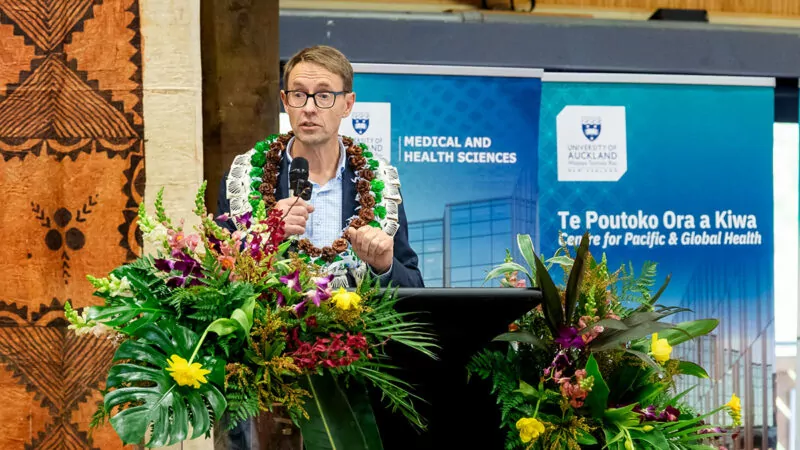
In June, members of Le Va’s Public Health and Mental Health & Addiction teams were privileged to attend the Te Poutoko Ora a Kiwa (Centre for Pacific and Global Health) Research Symposium – ‘From Vulnerability to Vitality: Global and Pacific Health responses in a changing climate’ at the University of Auckland’s Fale Pasifika.
The day brought together distinguished health leaders, Pacific researchers, health professionals and changemakers committed to advancing wellbeing and equity through Pacific-led knowledge, solutions and innovation.
Le Va’s Pasifika Equity Lead, Pakilau Manase Lua, gave a presentation on “Making Our Moana Healthy Again” as part of the Pacific Leadership stream, and the team was honoured to attend Professor Sir Collin Tukuitonga’s inaugural professorial lecture, celebrating his service and leadership in Pacific and global health.
It was an inspiring day and wonderful for our team to reconnect with many of the presenters from Le Va’s recent Global Pacific Solutions 2025 conference, continuing the vital conversations around climate, culture and community.
Te Poutoko Ora a Kiwa was established in April 2023 as the first University research centre dedicated to Pacific and global health solutions and leadership. With Prof. Sir Collin Tukuitonga at the helm, its mission is to transform and impact health for Pacific people in Aotearoa, in the Pacific region and globally.
For more than 16 years, Le Va’s purpose has been to support people of the moana to unleash their full potential. We do this by carefully designing and developing evidence-based resources, tools and support services for the best possible health and wellbeing outcomes.
Together, we move from vulnerability to vitality, driving action for thriving Pacific communities.
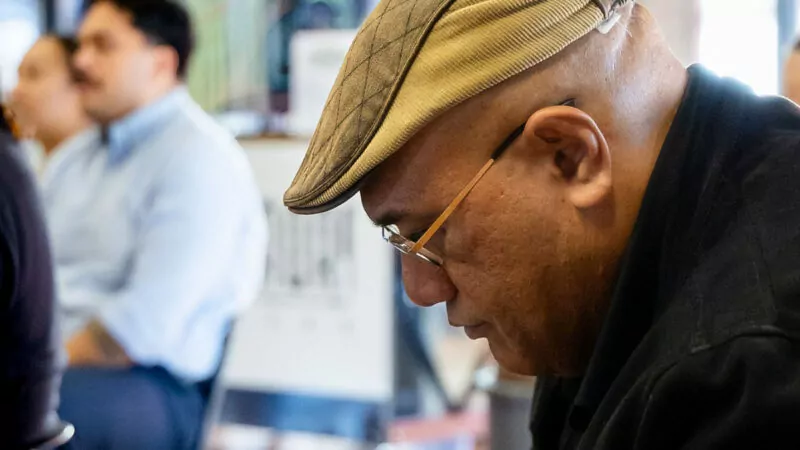
It’s essential that Pasifika are involved from the outset of any study about our experiences.
With a new Child and Youth Mental Health and Addiction Prevalence survey on the horizon for Aotearoa, Le Va has put together guidelines to ensure the experiences of Pasifika peoples are accurately and respectfully captured, alongside other priority groups.
In Aotearoa, there is a longstanding data deficit around youth mental health and addiction, which means a prevalence study of this kind is long overdue. We know our Pacific young people experience higher rates of mental health distress and barriers to accessing culturally appropriate mental health care.
Addressing existing gaps in understanding by collecting and analysing comprehensive and up-to-date data is vital to informing policy development and driving improved wellbeing outcomes for all families and communities in Aotearoa.
Le Va welcomes the government’s commitment to ongoing funding for measuring mental health and addiction challenges among children and young people to help determine what supports are needed. We also know it is important to further our understanding of the causes of mental health challenges to prevent them from occurring in the first place.
Le Va’s general manager, Mati Dr Elizabeth Mati, says, “It’s essential that Pasifika are involved from the outset of any study about our experiences. From study design and measurement tools to interpreting findings, cultural, clinical and lived Pasifika expertise must be included to ensure accuracy and cultural integrity.”
Le Va’s report calls on the New Zealand Government to ensure the inclusion of Pasifika peoples in this important national prevalence study is done in a culturally relevant and meaningful way.
Many thanks to those who contributed to our comprehensive report: Moana Connect, PwC New Zealand, Le Va’s clinical governance group and Pasifikology. Together we share the goal of enhanced outcomes for Pasifika communities, with early intervention, evidence-informed decision making and equitable resource allocation.
Le Va’s FLO: Pasifika for Life suicide prevention team released two important reports at our Global Pacific Solutions 2025 conference – the Aunty Dee ‘Community Insights Summary’ highlighting this powerful digital support tool, and ‘Empowering Pasifika Communities’ focusing on how community-led solutions can strengthen wellbeing.
Aunty Dee Community Insights Summary report
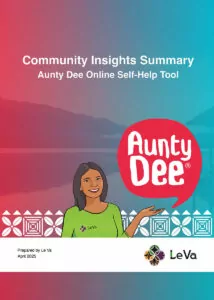
Aunty Dee is a free online self-help tool designed by Le Va primarily for Pasifika young people, guiding users through a process of structured problem solving that is clinically safe, culturally grounded and accessible to all.
The report highlights the transformational journey of the Aunty Dee tool across more than four years, as it has supported thousands of Pasifika people in Aotearoa through tough times.
It focuses on the problem statements of more than 1,500 Pasifika users of the Aunty Dee tool from March 2016 to December 2021, exploring differences between genders and age groups.
From its reach into our communities to insights on how digital tools can bridge support for those less likely to access face-to-face services, the report highlights how innovation, compassion, and culture can work hand in hand to improve mental wellbeing.
It is our intention that this report ensures Aunty Dee users can engage with and reflect on the collective insights gathered. We honour every voice, every user and every champion who helped shape Aunty Dee into a trusted space of hope and clarity.
Empowering Pasifika Communities report
“E fofō e le alamea le alamea” – the solutions for our issues lie within our own communities.
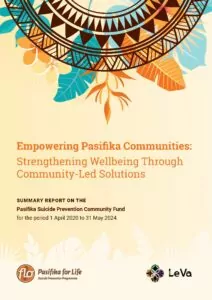
‘Empowering Pasifika Communities: Strengthening Wellbeing Through Community-Led Solutions’ is a report that encompasses the collective wisdom, innovation, dedication and unwavering commitment of our Pasifika communities across Aotearoa.
The report acknowledges their crucial role in advancing suicide prevention efforts through Le Va’s Pasifika Suicide Prevention Community Fund, with $3.55M invested across 41 groups and engaging more than 590,000 people from April 2020 to May 2024.
It celebrates community-led approaches that are culturally grounded, clinically safe, family-centred and sustainable, equipping our Pasifika families and community members with innovative solutions to enhance mental health and wellbeing.
We believe we all have a part to play in suicide prevention and we share this report to acknowledge and uplift the resilience and strength of Pasifika peoples within Aotearoa New Zealand, ensuring that the work done within these communities is recognised and celebrated.
Le Va would like to thank every fund recipient, champion and community member who helped shape this vital work, equipping all vaka of tagata moana to unite and ignite hope using our cultural tools as lifelines.
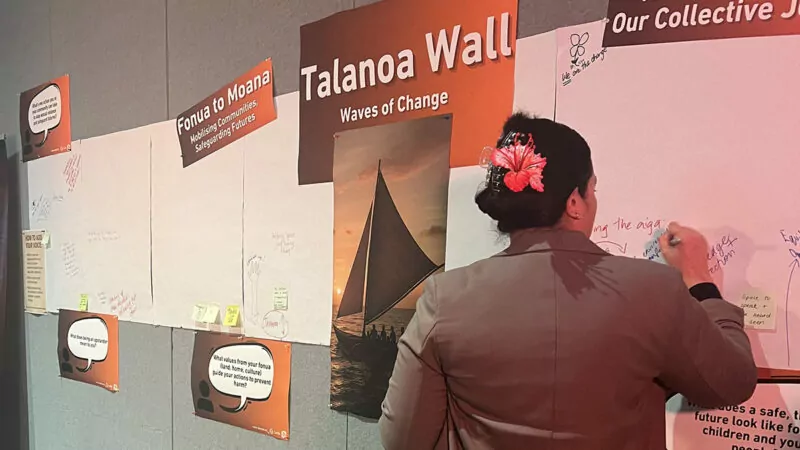
The Fonua to Moana stream at Le Va’s 2025 Global Pacific Solutions conference provided a focused platform for advancing Pacific-led approaches to the primary prevention of sexual violence and child sexual abuse.
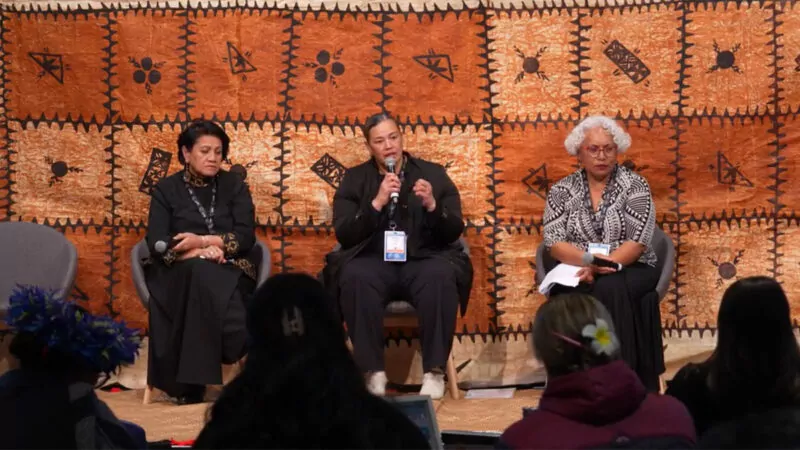
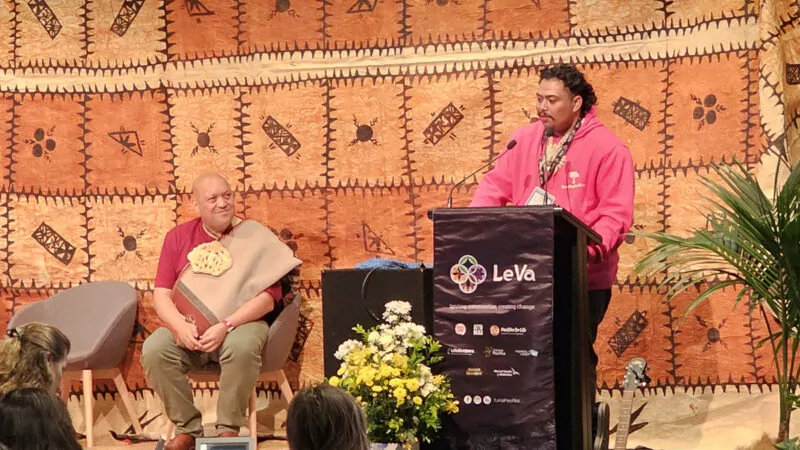
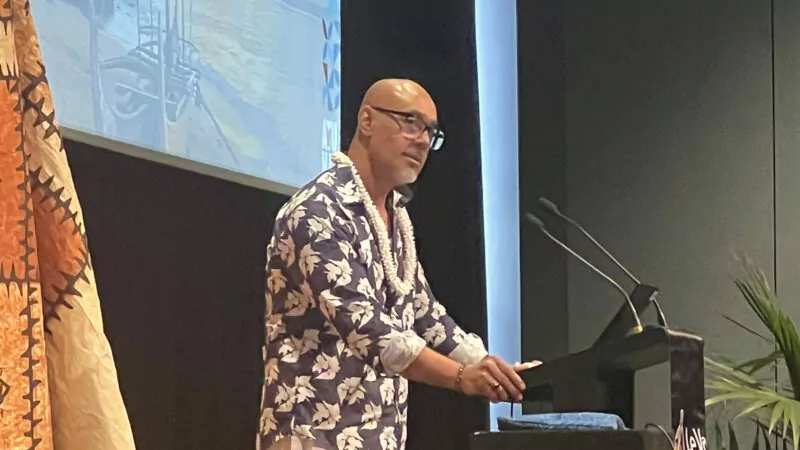
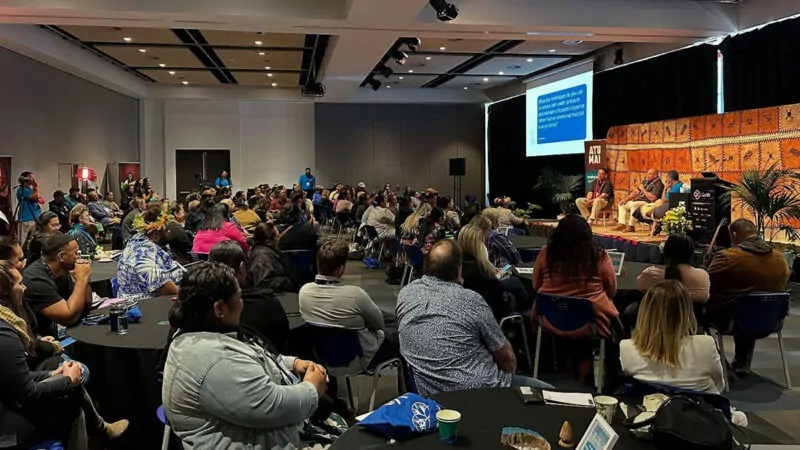
Grounded in Pacific values and knowledge systems and anchored in the theme “Mobilising Communities, Safeguarding Futures”, the stream brought together practitioners, youth, community leaders and system stakeholders to strengthen partnerships, challenge cultural silence and build sustainable solutions to protect tangata moana.
Day One
Day One focused on community-led action and systems-level change to prevent sexual violence. Sessions highlighted the power of cultural knowledge, the importance of supporting Māori and Pacific male survivors, and the need for stronger cross-sector collaboration. The day reinforced that prevention must be grounded in indigenous values, led by communities and supported by systems that are responsive and inclusive.
“Our communities already have the solutions, they just need support with systems and resources for them to mobilise and create change in their own communities.”
Ailupotea Taituuga Mirofora Mataafa-Komiti shared highlights from Le Va’s community mobilisation work alongside community Upstanders, focused on activating communities to engage in learning about healthy relationships, consent, sexual violence, child sexual abuse and positive parenting.
She launched Atu-Mai’s “Nurturing our Children” child sexual abuse prevention resources and emphasised Le Va’s approach, which ensures that all initiatives are culturally relevant, clinically safe and community led.
“The Bros need to see Bros in these spaces, so they feel seen.”
Dr Alexander Stevens II highlighted the unique risk factors and challenges experienced by Māori and Pacific men. He also emphasised the nuances and complexities of sexual violence experiences for men and boys who identify as Rainbow, people with disabilities and those of lower socio-economic status. As an advocate of mentoring the next generation of leaders, Dr Stevens II invited his student and mentee, Sione Finau to share his perspective and experiences as a young Pacific man navigating these spaces.
“We need to prioritise primary prevention and in all simplicity, that begins at home with our own children.”
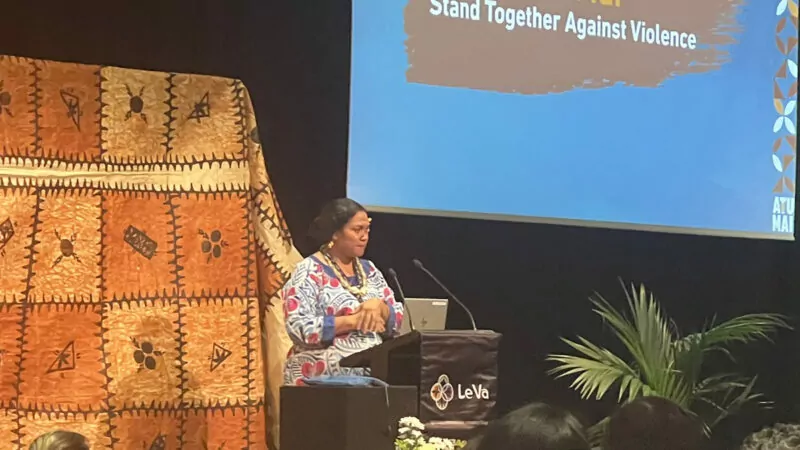
The ‘Sexual Violence Sector and Systems’ panel, featuring Sylvia Yandall (HELP), Serena Curtis (MSD) and Liz Tanielu (Te Puna Aonui), explored how effective violence prevention requires recognising both strengths and gaps within current systems.
The panellists emphasised that prevention must be a shared responsibility across all levels of the system, with cultural knowledge positioned not as an add-on, but as essential infrastructure for sustainable, community-led change.
Day Two
“It is our responsibility to role model what healthy masculinity looks both on and off the field. Make our boys know that it is okay to not be okay. There is no judgement.”
‘Growing Men Who Are Upstanders’ was a session that explored the influential role of men, particularly within sports, in shaping and sustaining healthy gender norms. Jerry Seuseu (NZRL, Wellbeing Manger) and PJ King (Basketball Foundation Limited, Director) addressed how culturally grounded models of masculinity, rooted in values such as alofa (love), fa’aaloalo (respect) and tautua (service) can be powerful tools in challenging harmful norms and promoting protective behaviours.
By moving away from the expectation to “harden up” and positioning men as key allies, the stream contributed to a shift towards normalising vulnerability as strength and supporting the emotional wellbeing of young men as an essential part of violence prevention.
“Our communities hold the solution. We need to engage and get them involved as they know what works best for them.”
Dr Jade Le Grice delivered a compelling kōrero on the importance of reclaiming Māori understandings of sexuality, wellbeing and safety as essential to preventing sexual violence. Framing the conversation through tikanga and mātauranga Māori, she explored how traditional concepts such as ‘tapu’ and ‘noa’ offer culturally rooted protective factors, and the impact of colonial disruption on current experiences of harm. She called for prevention approaches that centre Indigenous knowledge, strengthen whānau-led solutions and restore balance through cultural reconnection.
“Youth are not waiting for tomorrow, they are already out there leading and influencing change for our people. As parents and elder, you just need to give us the space to thrive.”
Our youth-led panel brought powerful insight and honesty to the forefront of the violence prevention conversation. Pelea Fruean, Kasi Valu, Mariner Fagaiva and Nele Kalolo shared the realities of navigating consent, identity and relationships while confronting silence, stigma and outdated norms. They called for open, intergenerational dialogue and safer spaces where young people can speak and be heard without fear or shame.
Their messages were clear: prevention starts with honest conversation; culture must evolve to protect rather than silence; and being an upstander is not just a role, it’s a responsibility. This session reinforced that young Pacific leaders are not waiting for permission to lead change, they are already doing it.
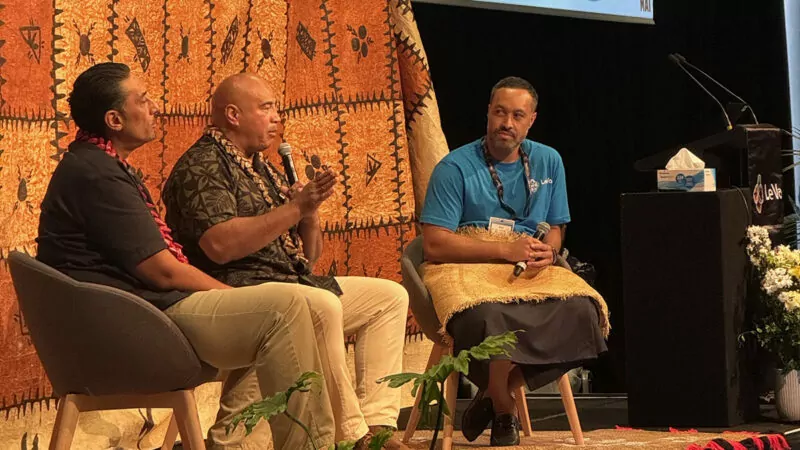
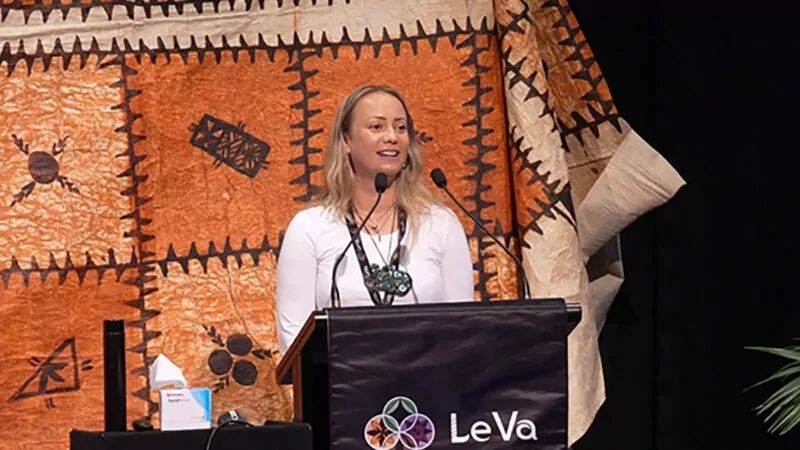
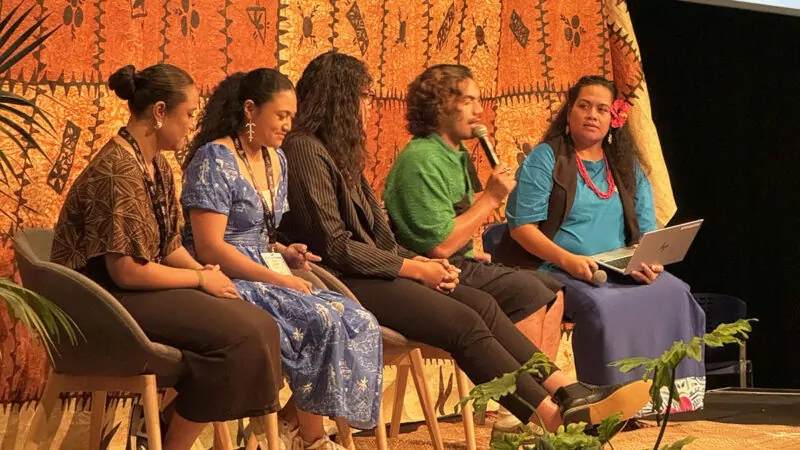
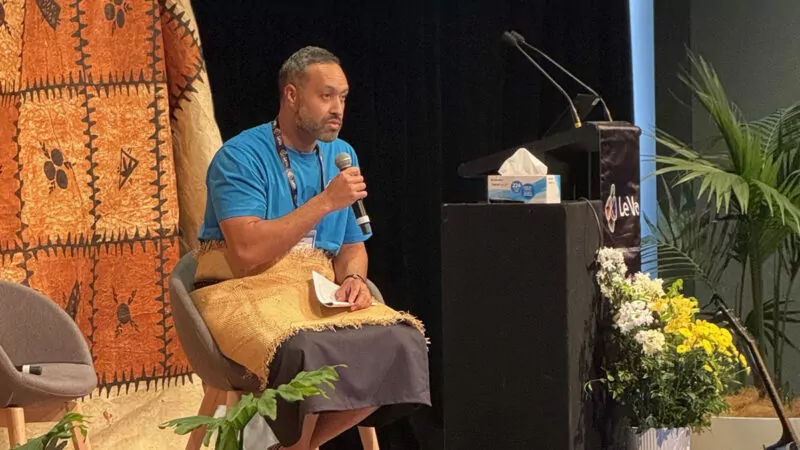
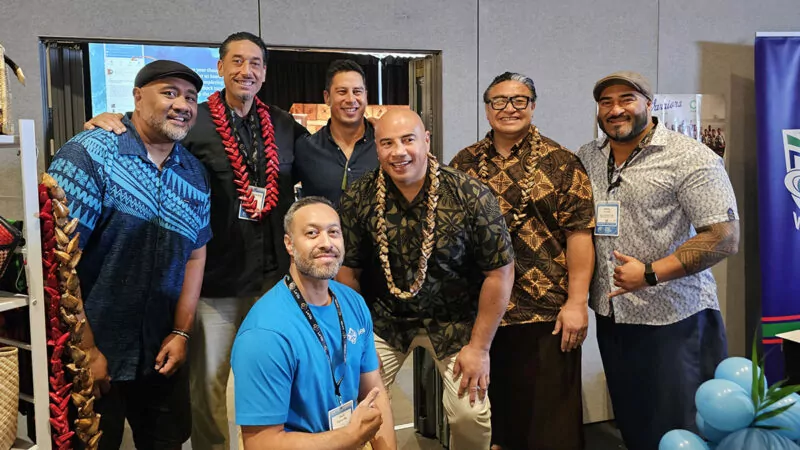
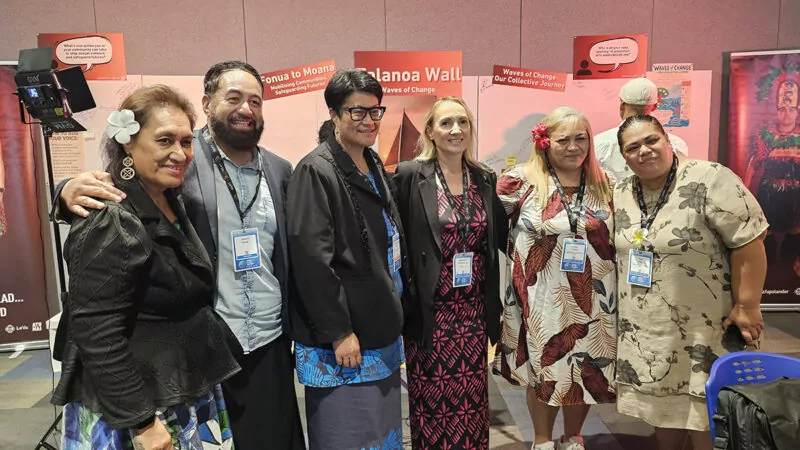
Tu Tonu – standing strong in our purpose. A reflection from the Tu Tonu mental health and addiction stream at Le Va’s Global Pacific Solutions 2025 conference.
It was incredible to see so many of our Futures that Work scholarship recipients at the Global Pacific Solutions 2025 conference. We hope the wisdom shared by our 60 speakers inspired you, and that connecting with more than 700 passionate delegates reminded you just how valued and essential you are in the Mental Health and Addiction workforce.
Right now, our communities need aroha, manaaki, tautua and leadership to help transform lives. The future is yours to shape – and we’re with you every step of the way.
Day One
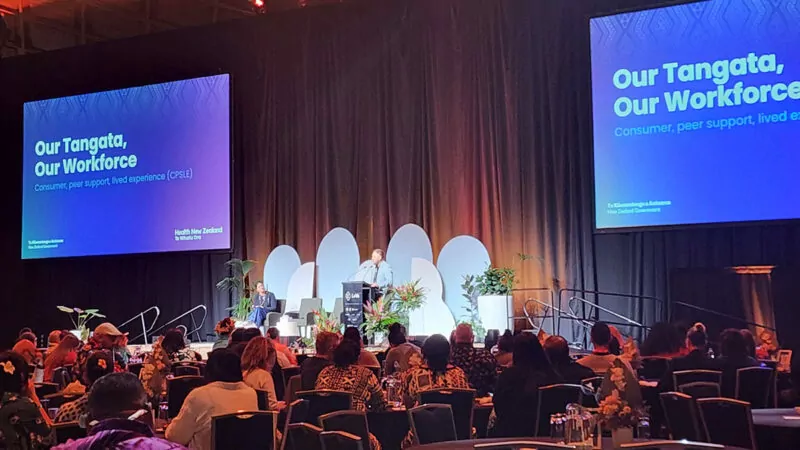
Day One of the Tu Tonu Stream started with the Pasifika mental health and addiction workforce at the centre of discussions celebrating the strengths of Pasifika people while identifying the tensions and challenges they face.
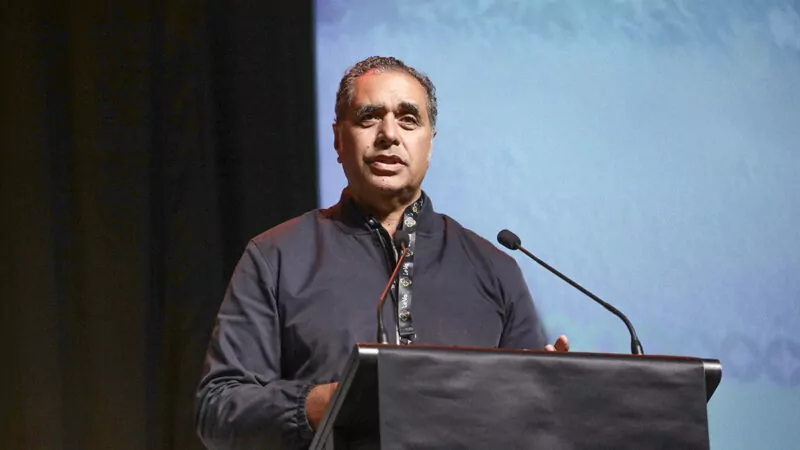
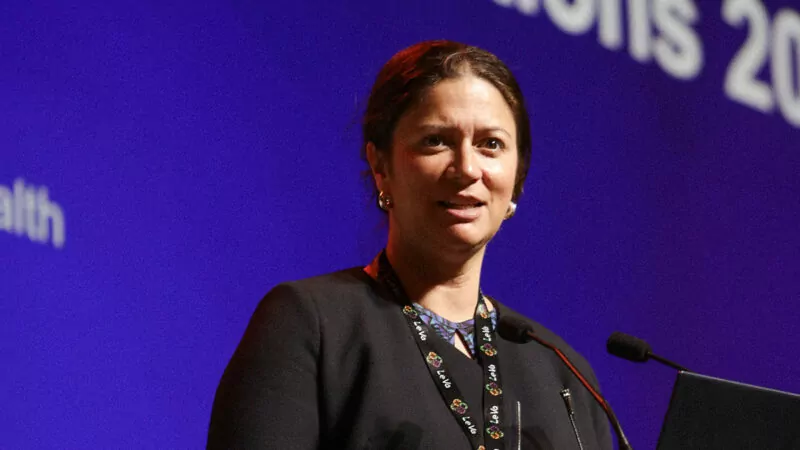
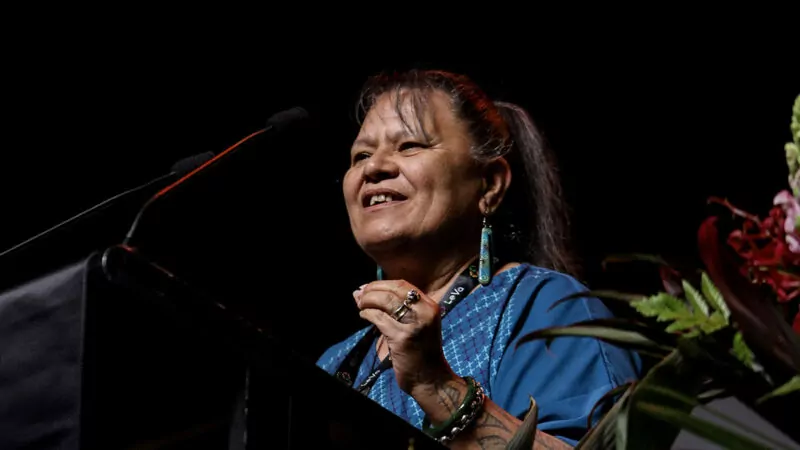
Distinguished leaders from across the Mental Health and Addiction sector included Makerita Poutasi, Aaryn Niuapu, Terri Cassidy and Dr Siale Foliaki led the facilitation of the inaugural session.
They shared their insights around the importance of cultural knowledge, strong relationships, and collective values in shaping Pasifika approaches to wellbeing. Many spoke about the pride that they held in serving their communities, in contrast to the friction that existed in carrying the emotional labour of cultural expectations in systems that do not always value or understand Pacific worldviews.
The audience was invited to reflect on the systems and models of care that often shape our practice unconsciously, and to question how well models of care and systems serve our most vulnerable Pasifika communities. They were challenged to dream boldly: What could care look like if investment were directed toward models grounded in kinship?
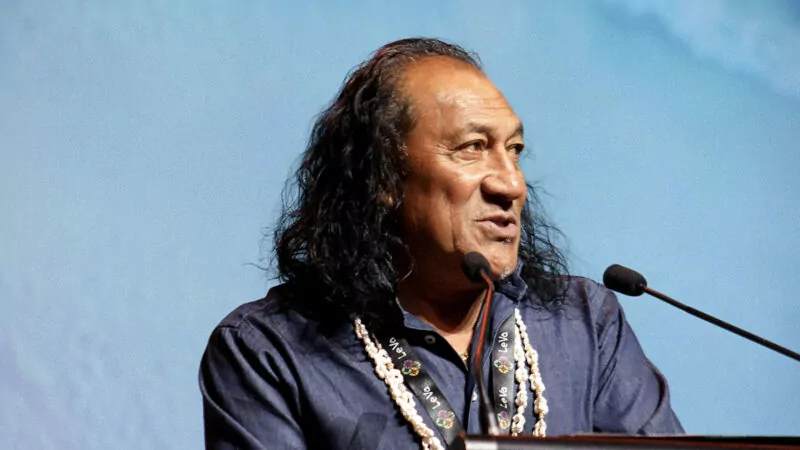
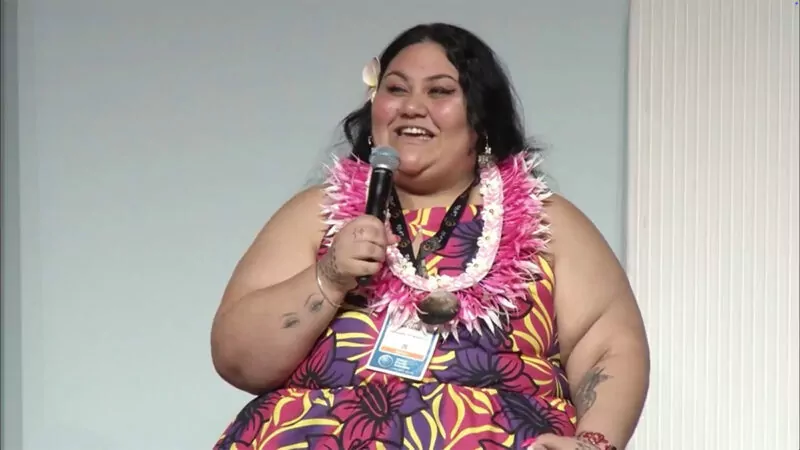
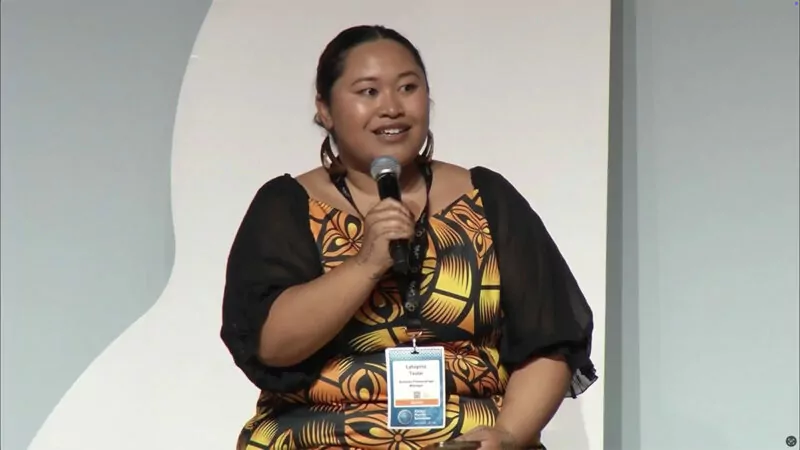
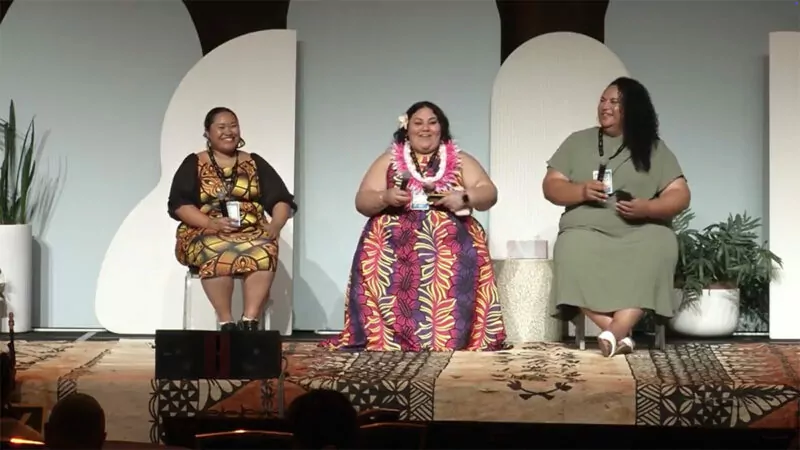
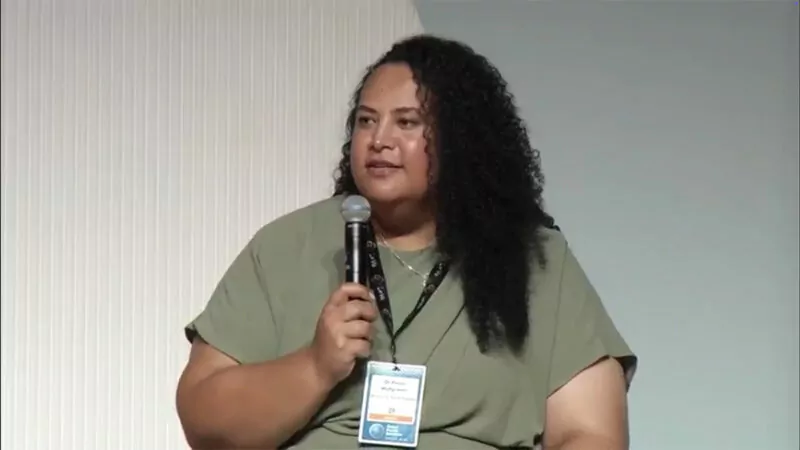
Pasifika scholars and leaders who are champions in the Pasifika youth space – Dr Penni Wolfgramm, Dr MahMah Timoteo Tohoa Tetini and Latayvia Tautai – articulated a bold vision for reimagining models of care that are culturally grounded and responsive to the needs of future generations.
They highlighted storytelling and resilience as vital tools for navigating an uncertain world and called for a shift from deficit-based thinking to strength-based leadership. Key to this transformation were creativity, digital fluency, and the powerful sense of interconnectedness among Pacific youth.
Day Two
Day Two of the Tu Tonu stream opened with a panel of public health representatives, lived experience leaders and cultural advocates – Dr Sarah Helm, Tracey Potiki and Aaryn Niuapu.
They spoke about addiction as a response to disconnection, intergenerational trauma and structural disadvantage. Shame continues to be a barrier, both personal and collective, preventing people from seeking help or potential supports.
The panel called for an expanded view of recovery, that was fit for purpose that included housing, cultural connection and whānau engagement. Discussions illustrated how services are often reactive and rarely preventative or healing. This brought to light the urgent need for Pasifika-led solutions, which were framed as essential rather than optional.
The closing session of the Tu Tonu stream focused on the foundations of Pasifika healing, ancestral knowledge and practices, with presentations from Musuiaiga Neil Tapu Sitagata, and Le Va’s very own Seiuli Angel Timali Tiatia-Siau and Nicholas Cao.
Musu highlighted that many of the tools necessary for wellbeing and connection are already embedded within Indigenous knowledge systems.
Musu posed the questions: “Right now, ask yourself, is there space in my heart for these practices? What would it take to make them visible again in our homes, workplaces, and systems of care?”
The session provided experiential practice of self-compassion with a resounding question “Can I be vulnerable and allow myself a break”? This is talanoa fogāfala – a form of Pasifika relational healing that is grounded in the va, the space that honours relationships and connection.
Angel and Nicholas emphasised the integral role of cultural identity, relationships, and collective connection in strengthening resilience and mental wellbeing. They highlighted how mental health challenges must be understood within the context of Pasifika values, which provide a vital framework through which Pasifika workers can reconnect with their heritage and find strength amid the pressures of frontline work.
The session also incorporated a culturally adapted self-compassion meditation rooted in Pasifika notions of balance, navigation and ancestral guidance. Participants were encouraged to Tu Tonu, to stand strong and to stay grounded in their identity and values, reinforcing that self-kindness and mindfulness are critical components of sustainable wellbeing in mental health and addiction roles.
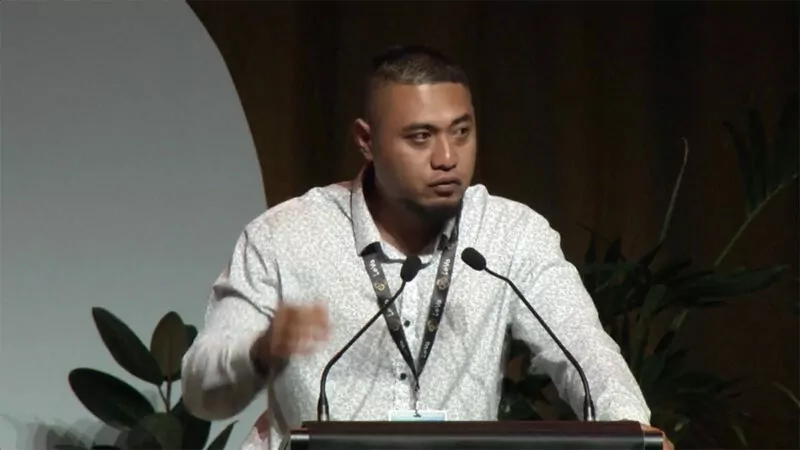
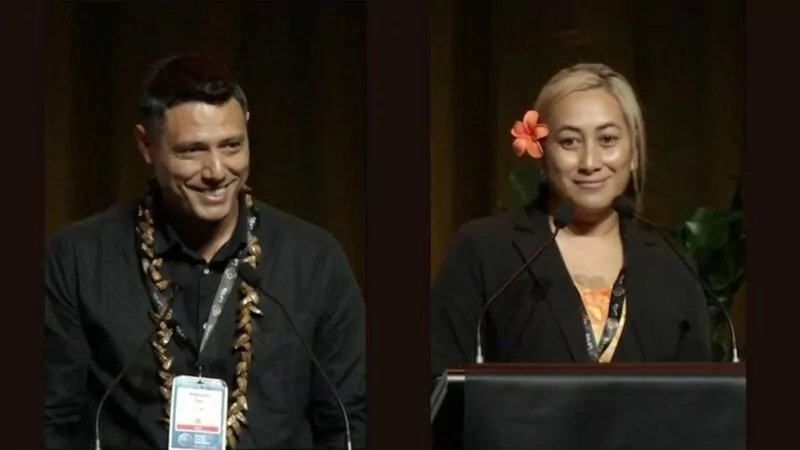
Day One
In the Roots of Resilience stream our aim was to discover ancestral insights for preventing suicide and to empower and equip Pasifika communities with culturally relevant knowledge and tools to prevent suicide and respond safely and effectively when a suicide occurs.
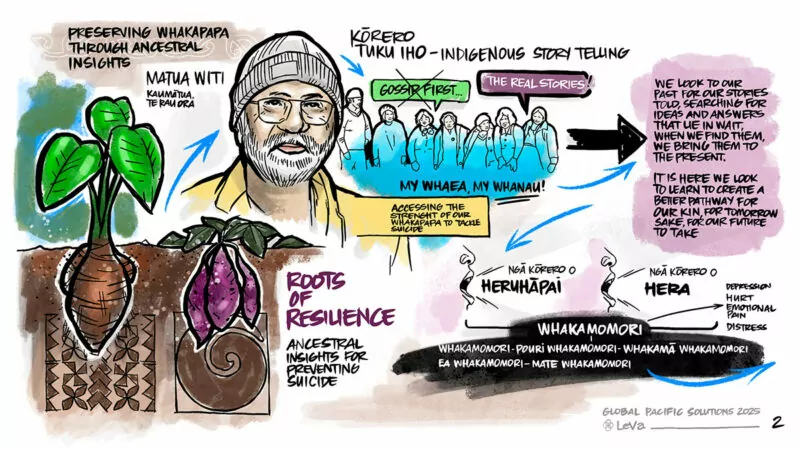
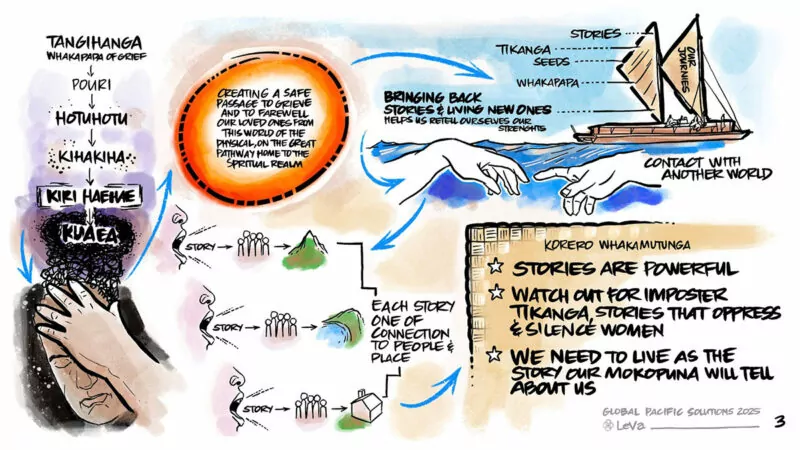
In this talanoa of suicide prevention, the Roots of Resilience stream opened with Matua Witi’s deep reflections on indigenous storytelling.
Matua Witi equipped the audience to explore how indigenous storytelling and whakapapa (genealogy) can strengthen communities to confront and prevent suicide. Matua Witi highlighted how gossip often precedes truth in communal narratives and he emphasised returning to ancestral knowledge to forge better pathways for future generations, using real voices (Heruhāpai and Hera) to surface issues like emotional pain and depression (whakamomori).
Matua Witi talked to the tangihanga (Māori grieving process), showing how expressions of grief (pouri, hotuhotu, etc.) allow emotional release (kua ea). The transformational power of storytelling, reconnecting with identity through tikanga, and warning against oppressive narratives. Matua Witi advocated living lives worthy of the stories our mokopuna (descendants) will tell about us.
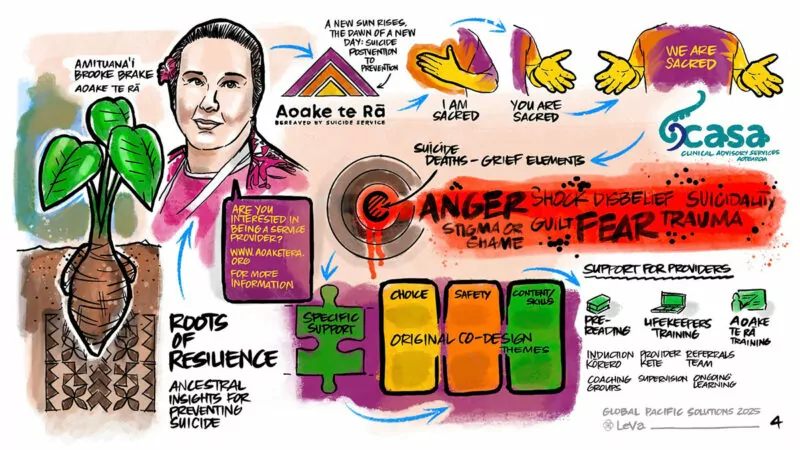
Amituana’i Brooke Brake spoke to the Aoake te Rā suicide postvention service, which honours grief and offers culturally grounded support. Amituana’i Brooke spoke to how emotions like anger, guilt, trauma and fear surface in suicide loss and outlined a framework of co-design themes (choice, safety, content) and provider support (training, coaching, kete) for healing communities and building resilience.
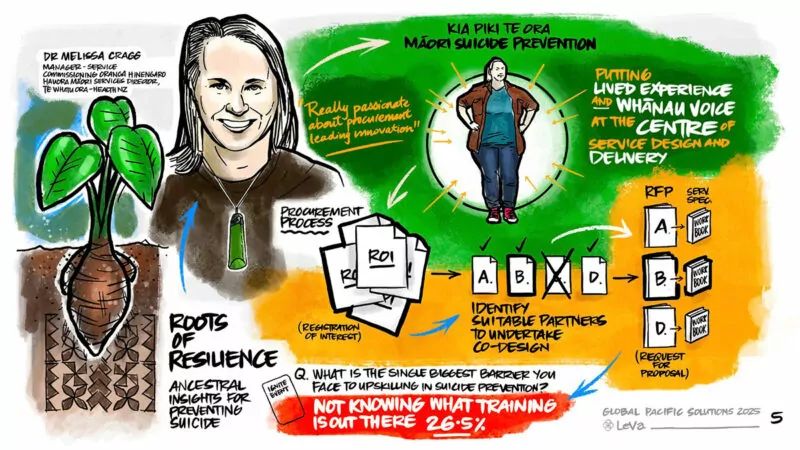
Dr Melissa Cragg brought the clinical lens into conversation with culture, unpacking pathways for integrating Pacific values into systems of care. She presented the Kia Piki Te Ora programme, which puts lived experience and whānau voice at the centre of suicide prevention service design. The procurement process highlights identifying suitable partners for co-design and delivery, emphasising a community-driven, kaupapa Māori approach.
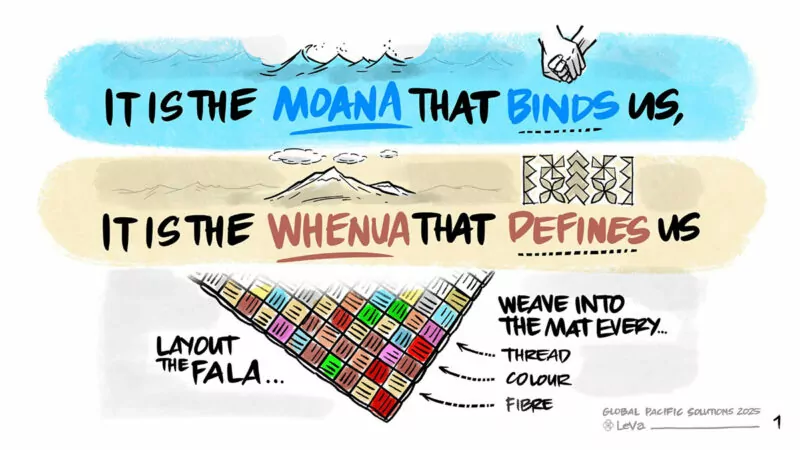
Day Two
Day Two of the Roots of Resilience stream centred around frontline initiatives, lived experienced and unwavering dedication to our communities.
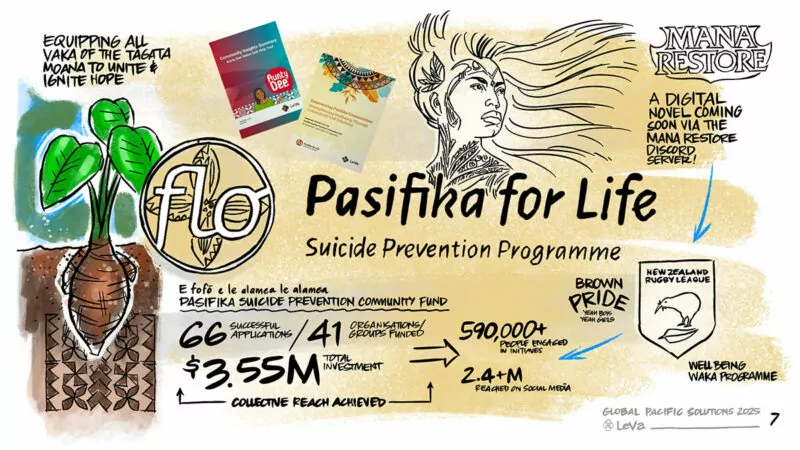
Leilani Clarke opened with the Pasifika for Life programme, underpinned by the FLO community fund which empowers Pasifika groups to lead suicide prevention initiatives. Key metrics include $3.55M invested across 41 groups, engaging more than 590,000 people. She reminded us that “connection is protection” – and that our cultural tools are lifelines. Other initiatives, like Mana Restore, Aunty Dee, and NZ Rugby League Wellbeing Waka partnerships, were highlighted as part of a collective effort to ignite hope and preserve life.
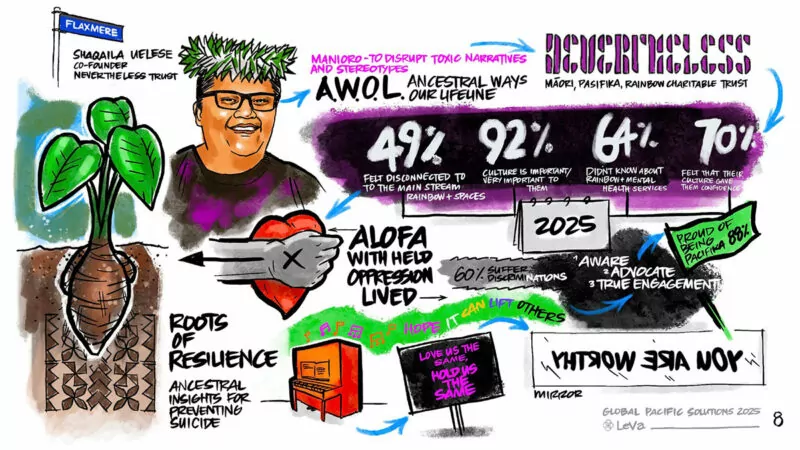
Shaqaila Uelese and the Nevertheless Trust advocate for Rainbow Pasifika youth through the AWOL – Ancestral Ways Our Lifeline challenging toxic narratives and amplifies cultural connection and pride (proud to be Pasifika). Shaqaila bravely shared her personal story, illuminating the power of youth voice and peer leadership in suicide prevention. Her authenticity challenged us to listen deeper and lead differently.
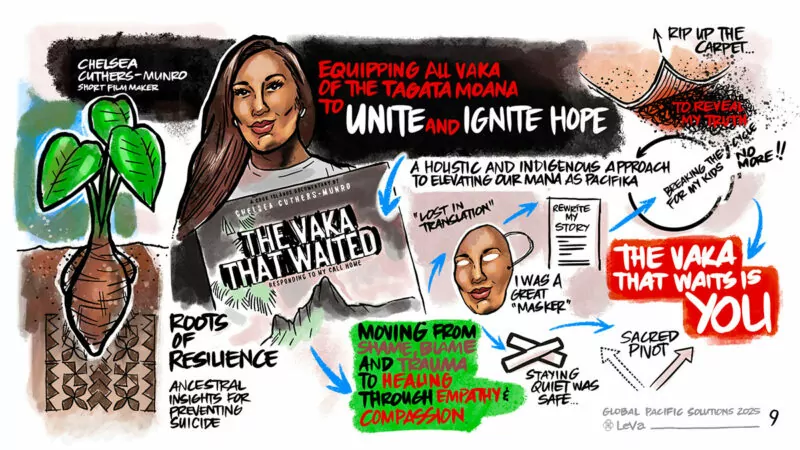
Chelsea Cuthers-Munro’s short film ‘The Vaka That Waited’ is a powerful metaphor for answering the call to reclaim one’s truth. It speaks to the experience of masking trauma and silence, and the sacred pivot toward healing through empathy and compassion. The central message: The vaka that waits is you – a call for collective self-discovery and transformation. Her message was clear: “Don’t wait to be ready – just start.”
Together, the speakers for our Roots for Resilience stream embodied resilience in action – a reminder that suicide prevention is not just a programme, but a movement grounded in aroha, culture and community.
On behalf of our suicide prevention teams and senior managers Leilani Clarke and Tiana Watkins, to our esteemed speakers and our amazing vendors, we would like to extend our warm fa’afetai tele lava, malo ‘aupito, fakaaue lahi and thank you for making our Roots of Resilience stream a highlight at our recent Global Pacific Solutions Conference.
Changing the narrative, navigating challenging tides, calling out injustices and centring the voices of Tangata Moana.
In the public health space, Le Va is tasked with creating opportunities for the village to gather, bringing together our Pacific public health workforce and sector providers to strengthen capability and grow capacity. By nurturing these connections and building a thriving workforce, we ensure that “when the coconut tree bears fruit, the village is nourished, and the children will flourish.”
Day One
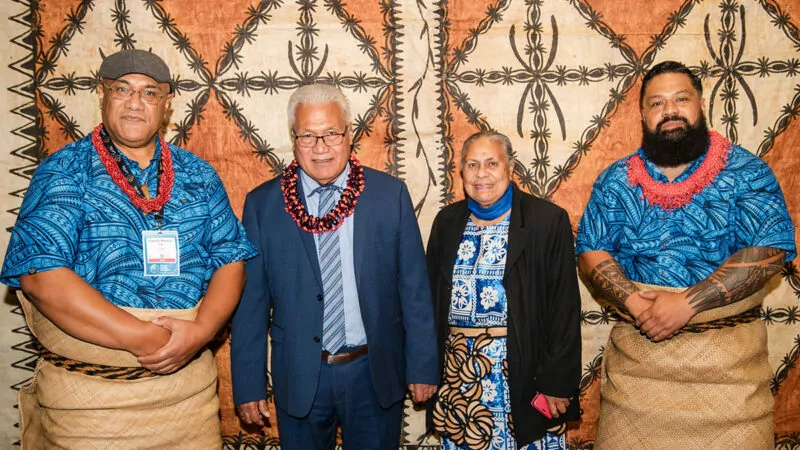
On Day One of GPS 2025, we were privileged to hear from a powerful line-up of Pacific thought leaders bringing deep expertise and an unwavering commitment to equity, justice and community wellbeing.
We opened with a powerful morning session led by three inspiring Samoan wāhine leaders who reminded us of the importance of putting the growing generation first and staying grounded in purpose.
As Dame Teuila Percival shared, “Don’t fall in love with your business cards or the organisations you work for – fall in love with the children.”
Dr Corina Grey challenged us to reframe how we understand and use data. She spoke to the harmful impact of Pacific people being continually positioned in deficit through statistics and reinforced the need for our communities to lead the analysis and interpretation of data. “For us, by us,” was a powerful call to reclaim narrative control, where Pacific insight and leadership can turn data into solutions, not stigma.
Malaetogia Dr Jacinta Fa’alili-Fidow shared her journey toward completing her PhD, Vā o Tamaiti – a relational resilience framework for Pacific child wellbeing, grounded in Pacific values.
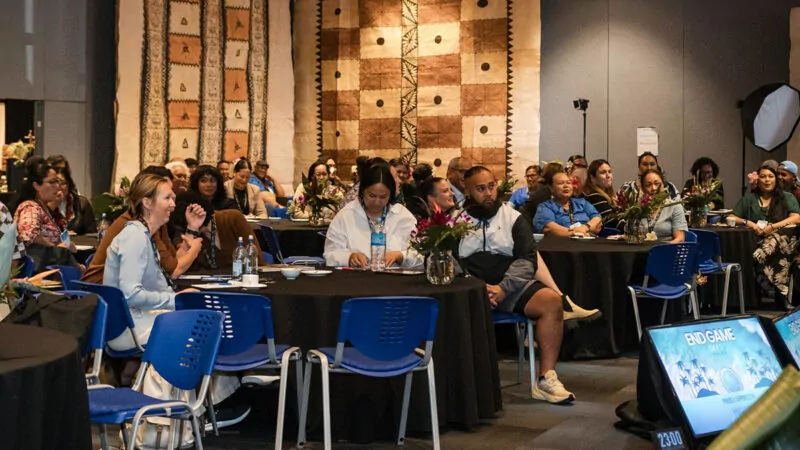
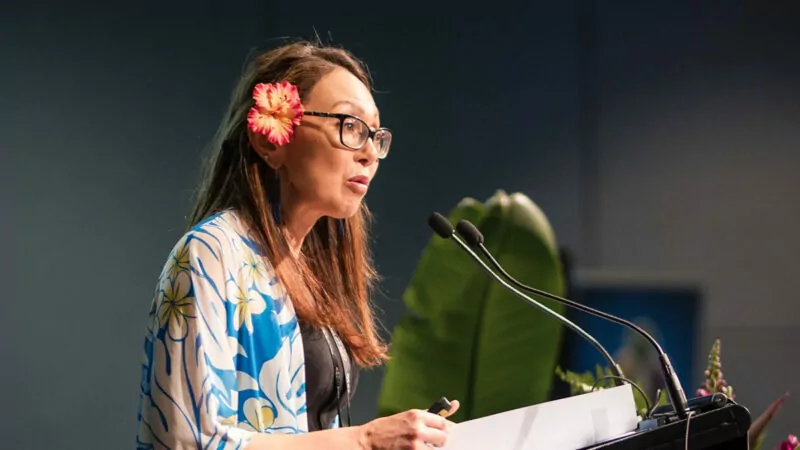
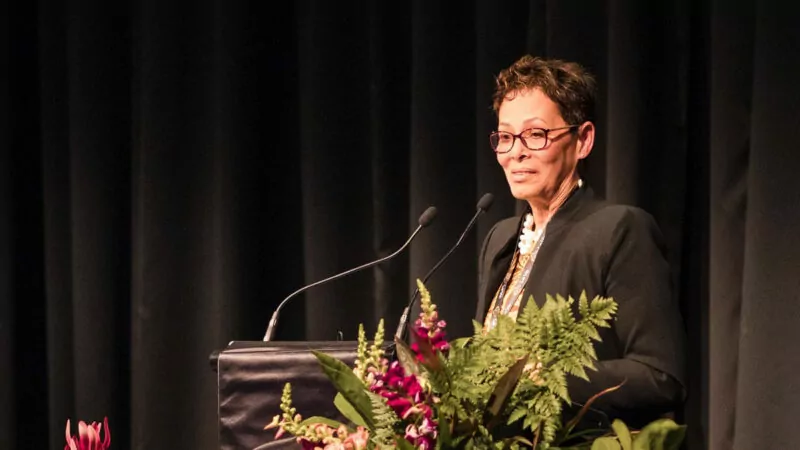
In the afternoon session, Prof. Sir Collin Tukuitonga’s passion for future generations of health workers was admirable. He emphasised that, while political cycles may come and go, we are here to stay and our response must be long-term and grounded in equity, data, justice and Pacific values. His challenge to the sector: “Speak up. Speak out.”
Dr Sione Faletau reminded us that identity and culture are inseparable from wellbeing and that art is not just expression, but an embodiment of who we are as Tangata Moana.
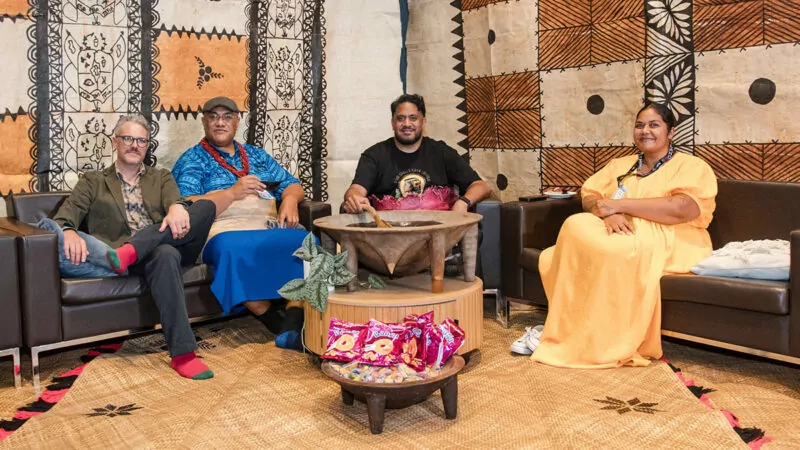
Our Kava Korner was also a much loved feature, thank you to everyone who visited over the two days. A special shoutout to Four Shells Kava Lounge for generously providing the kava and creating space for attendees to connect through this meaningful cultural practice.
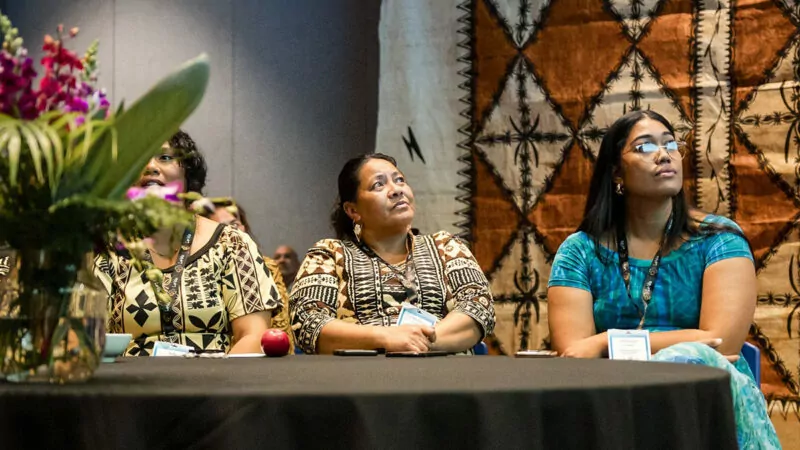
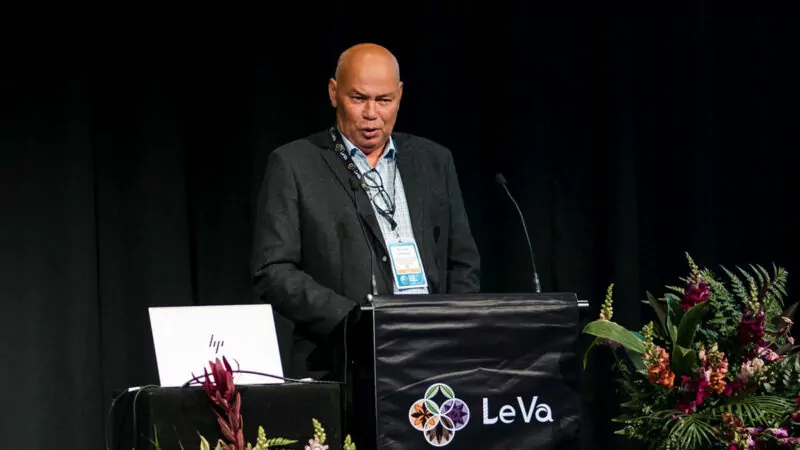
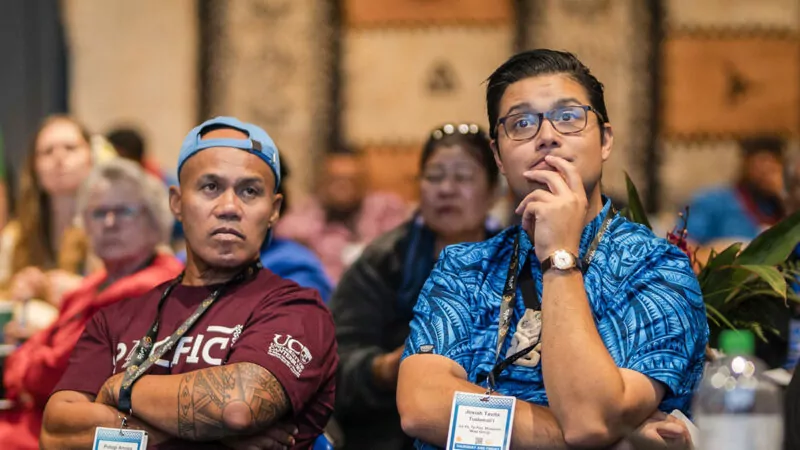
The End Game stream was more than a conversation, it was a reaffirmation of the collective strength within our communities, and the transformative power of Pacific leadership in shaping a healthier, more equitable future.
Day Two
Day Two of GPS 2025 brought strong advocacy, honest talanoa and lived experience to the centre. Our speakers challenged us to confront stigma, while elevating the strengths, resilience, and aspirations of our Pasifika disabled communities.
Leuluaiali’i Catherine Poutasi shared her deep expertise on funding models in the disability space, guiding organisations on how to effectively access and utilise funding to deliver better outcomes for our people.
Pakilau Manase Lua reminded us that cultural identity is central to wellbeing. His call was clear Pacific worldviews must be upheld, not sidelined, when shaping policy and services.
Nalei Taufa presented key insights gathered from Le Va’s national talanoa series with Pacific disabled communities. She challenged the system to protect our stories and act on our data, not simply collect it and let it sit unused.
We also celebrated an exciting announcement from Sara-Jane Elika, trustee of Foundation North. Sara-Jane confirmed a new partnership with Le Va, launching a dedicated pool of funding for Pacific disability community initiatives a major step forward in resourcing grassroots solutions led by our own communities.
Our Faiva Ora Community Innovation Fund recipients Joshua Peauafi, Daniel Te’o and Tara Aumalesulu showcased their community-led projects, each rooted in their passions, lived experience and cultural values. Their courage, innovation, and leadership lit up the room, reminding us that the solutions are already within our villages.
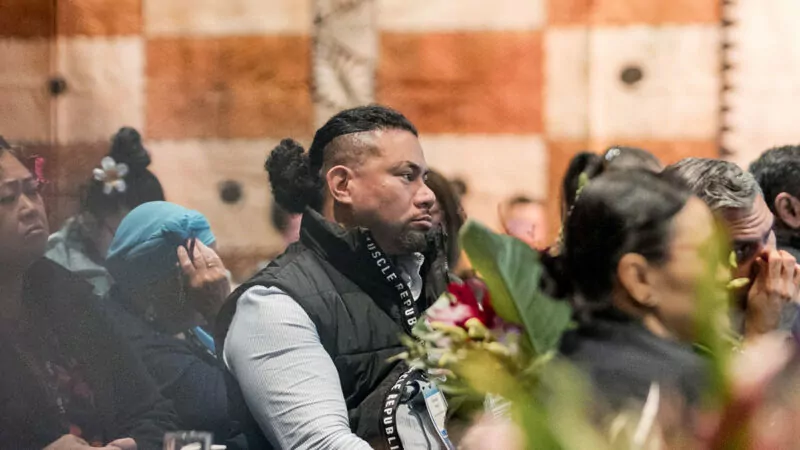
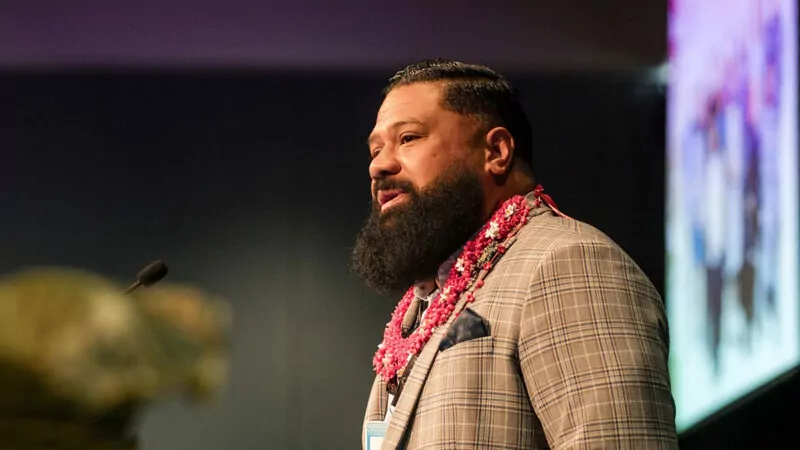
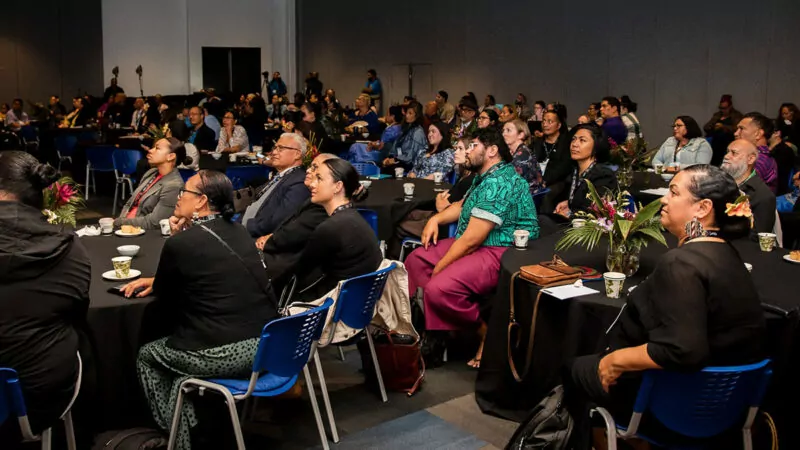
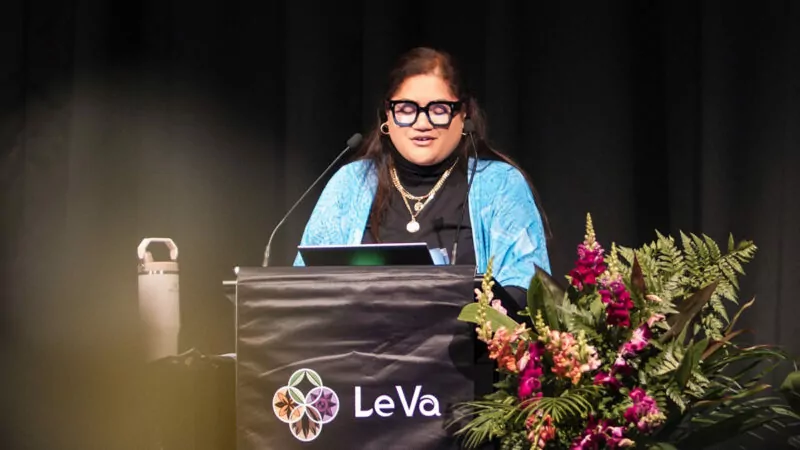
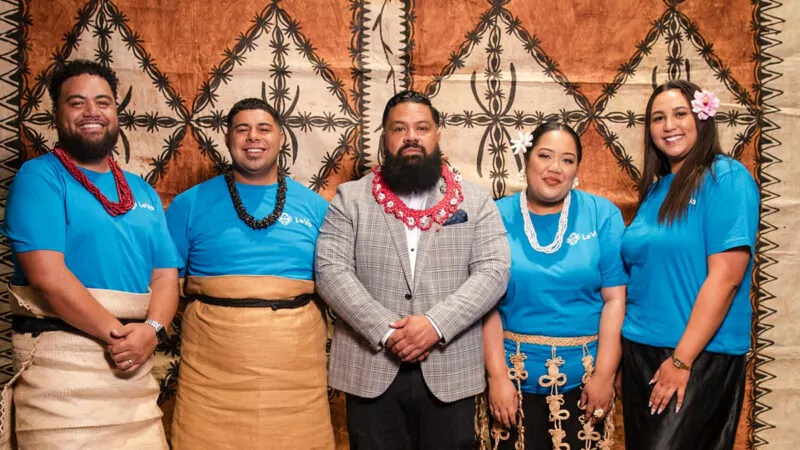
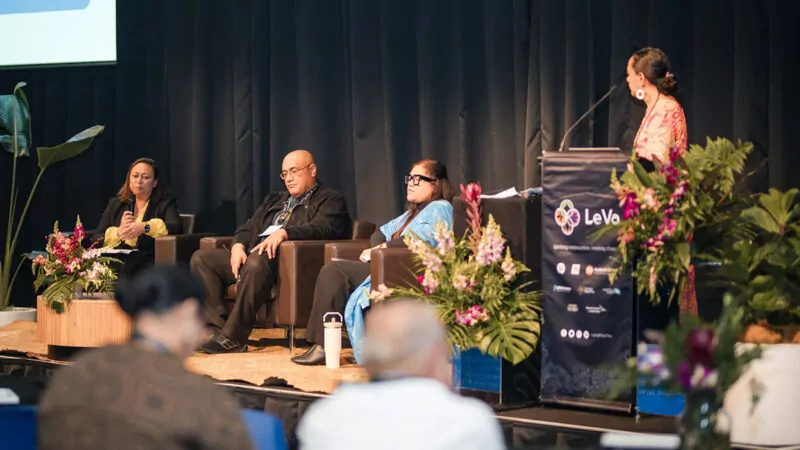
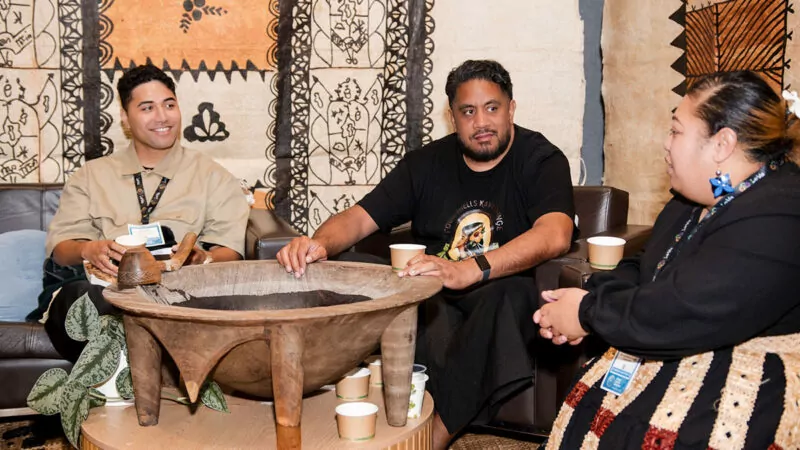
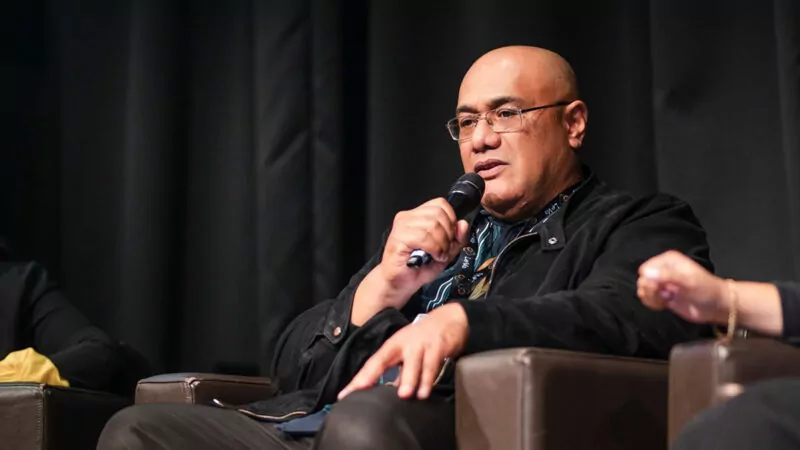
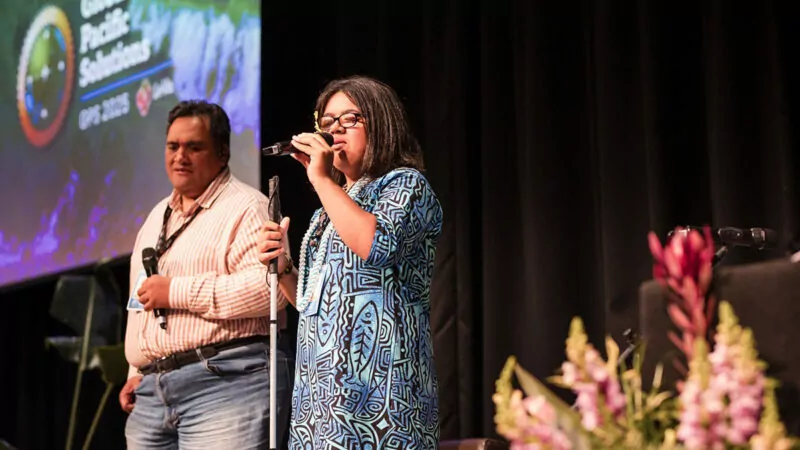
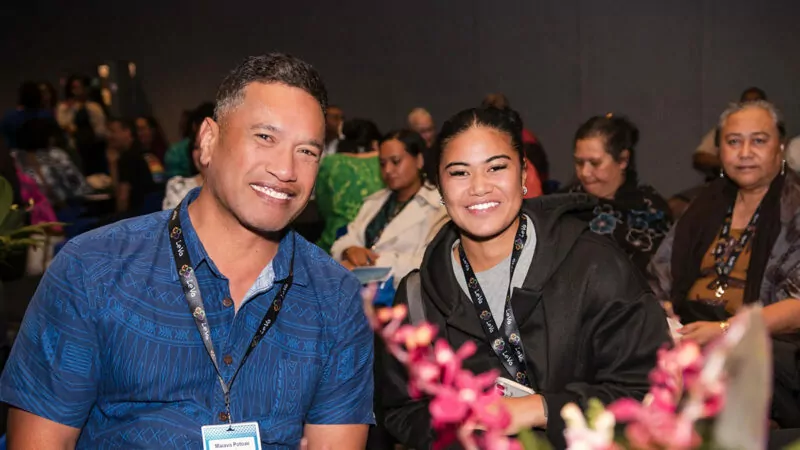
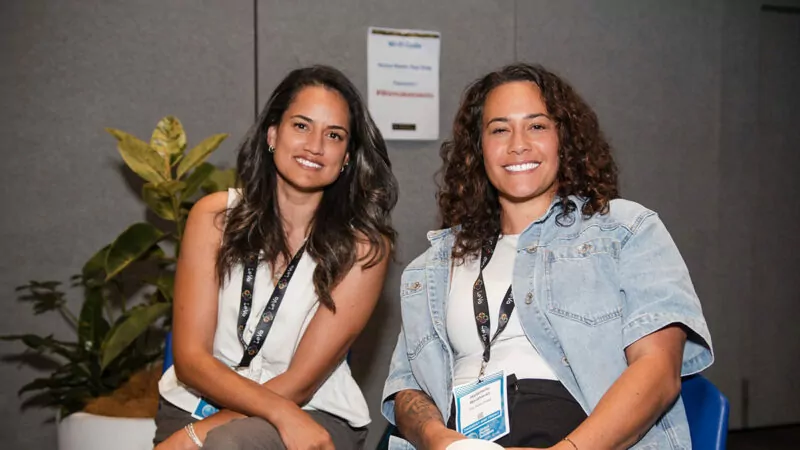
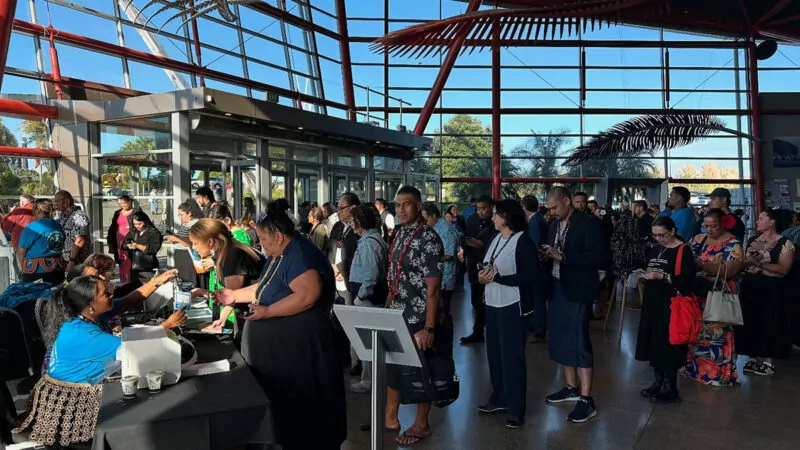
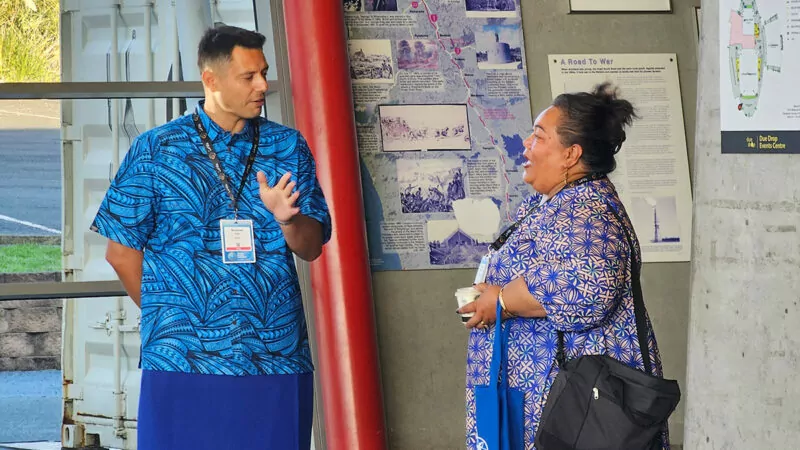
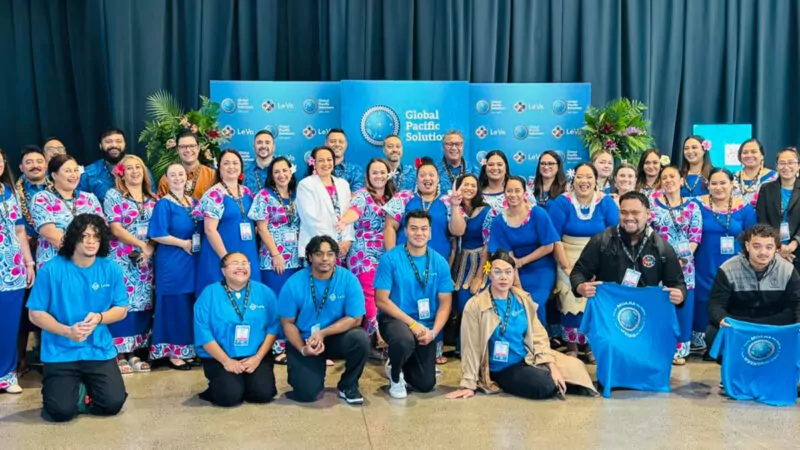
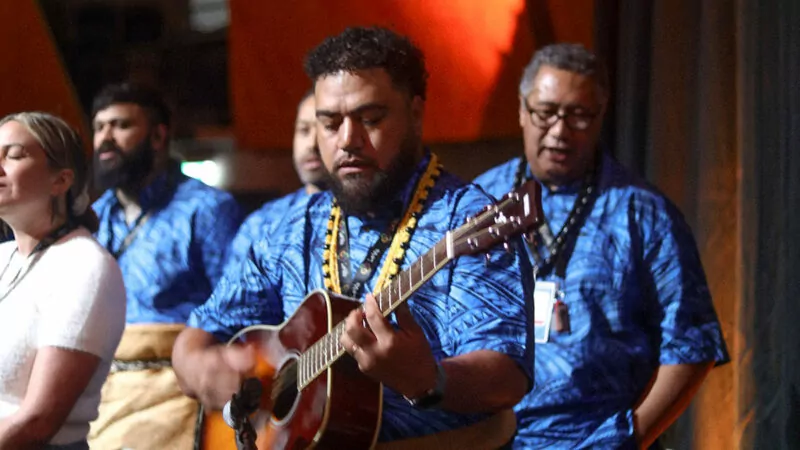
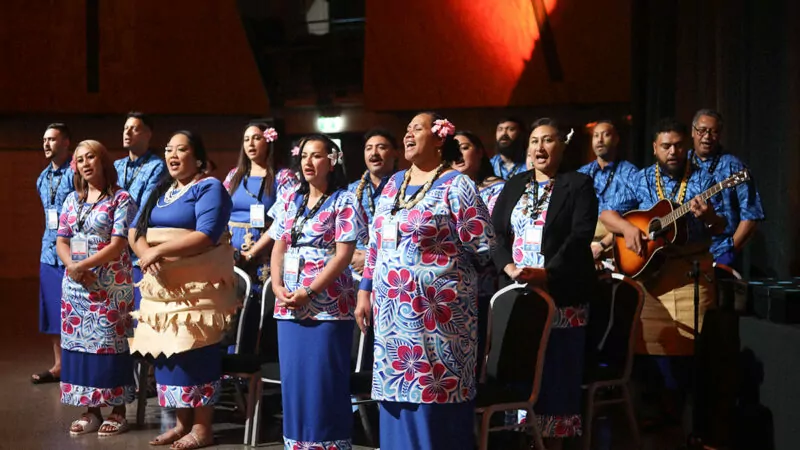
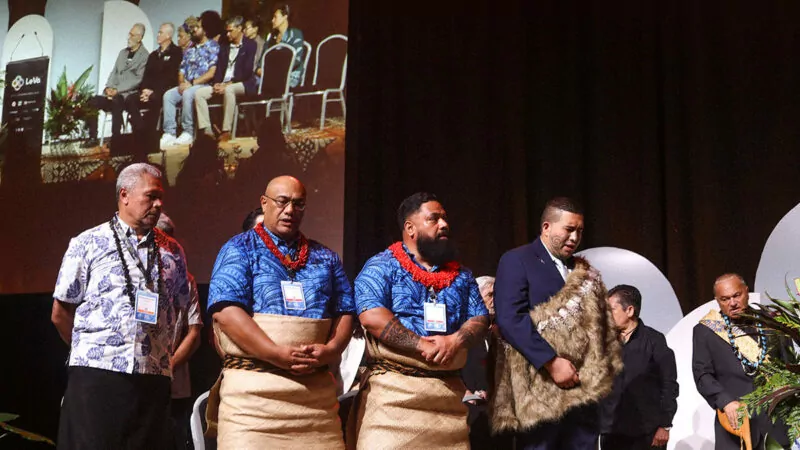
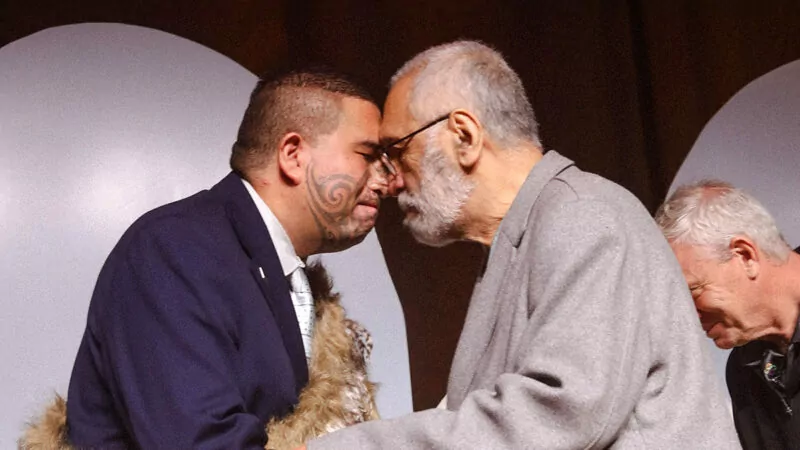
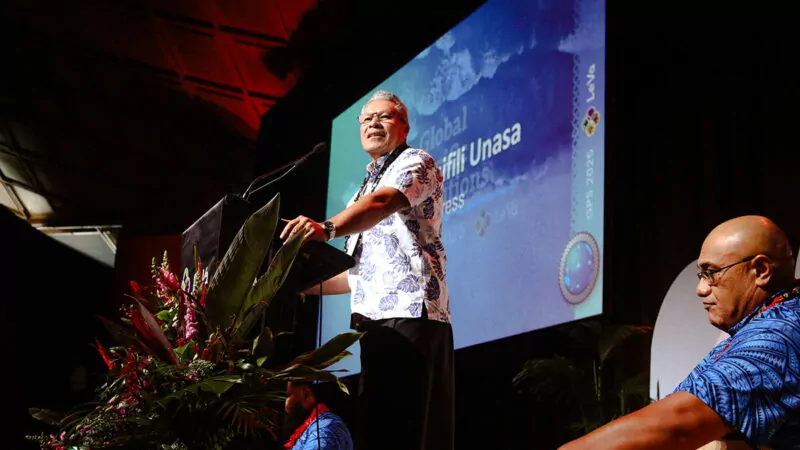
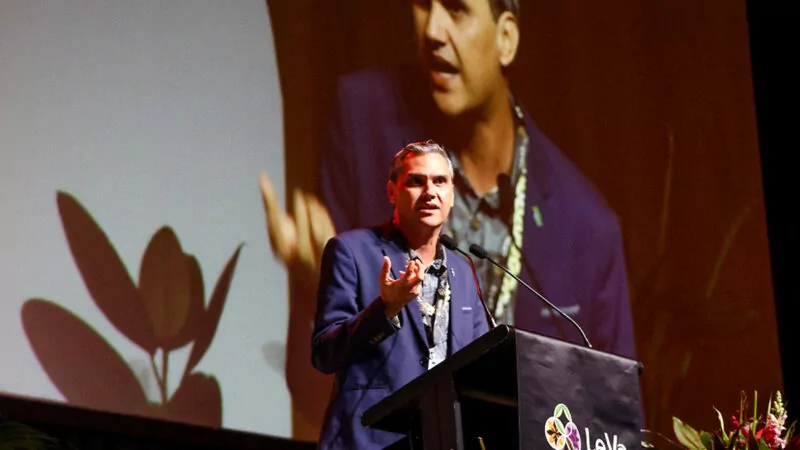
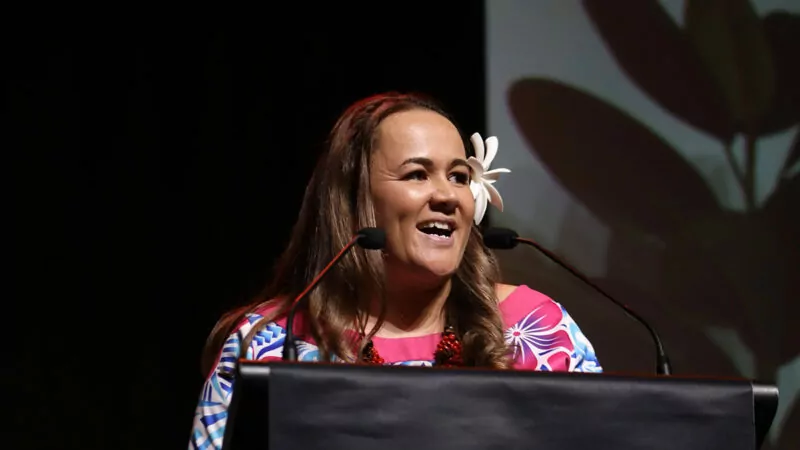
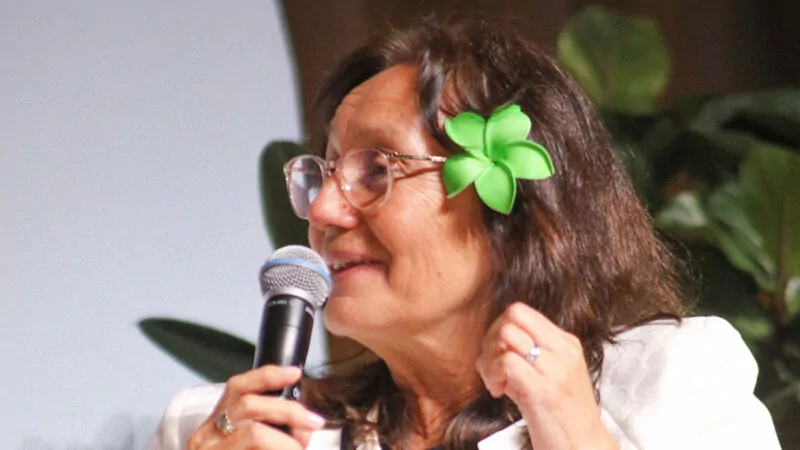
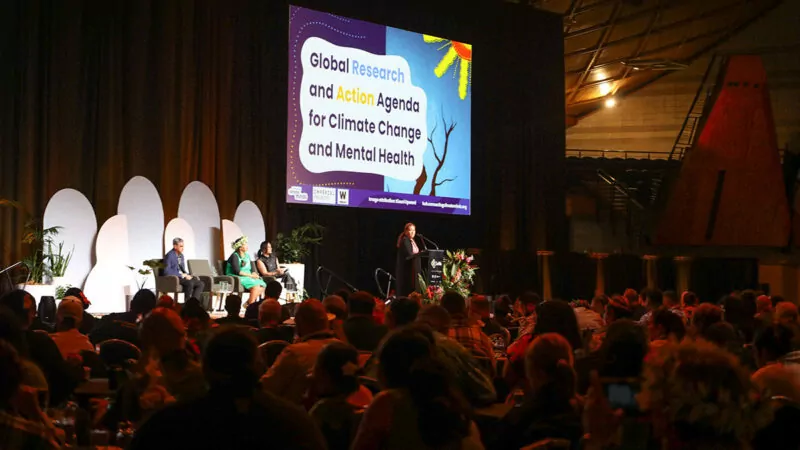
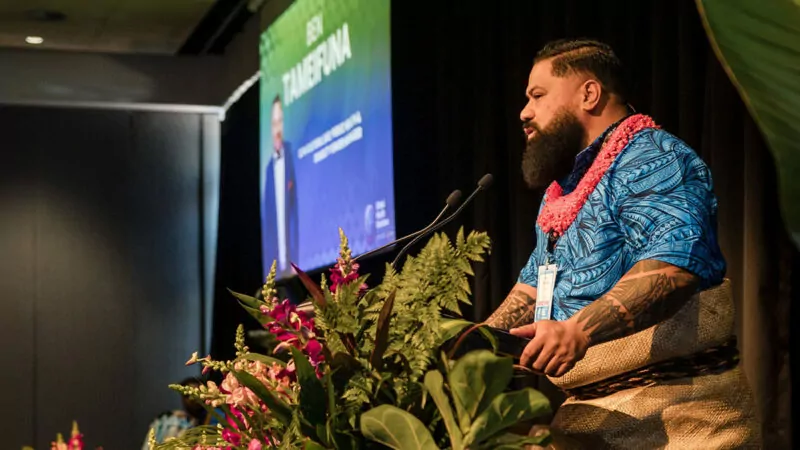
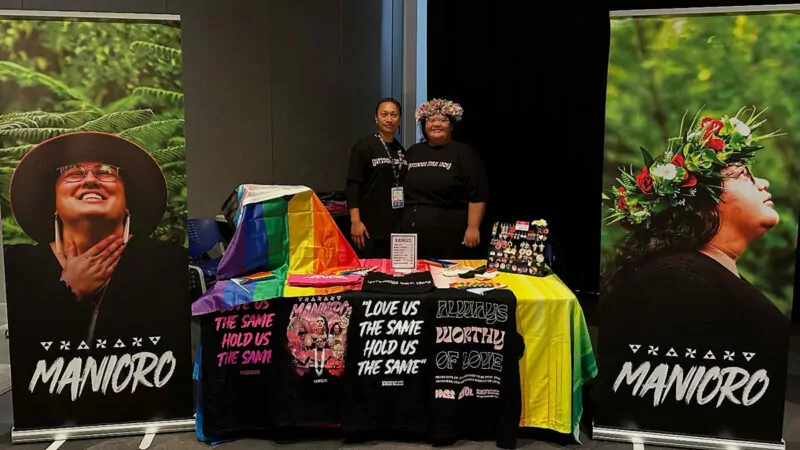
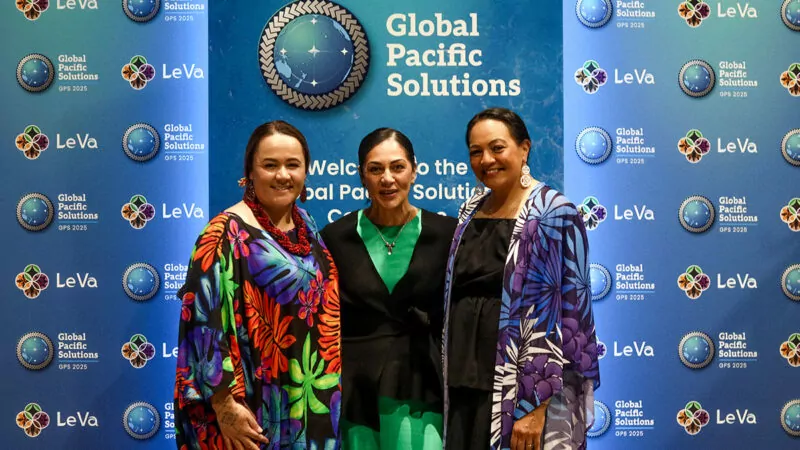
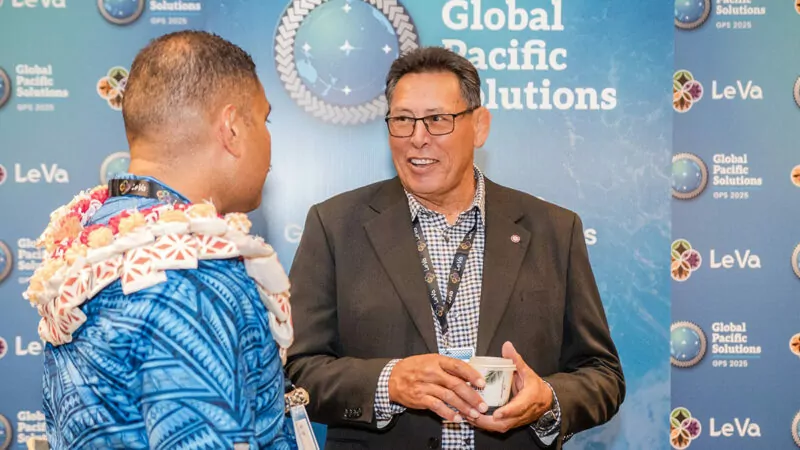
Over two impactful days in April, around 700 people joined together at the Due Drop Events Centre in Manukau for Le Va’s Global Pacific Solutions 2025 conference – uniting Pacific leaders, academics, international guest speakers, workforce and community members in a tour de force of strengths-based solution seeking.
Bringing to light tough topics such as child trafficking, suicide prevention, climate change, child sexual abuse, equity for disabled people and the ever-growing demand for mental health and addiction support workers, GPS 2025 was an event that opened minds, challenged the status quo and inspired hope for all who attended.
At times, the audience was moved to tears upon hearing transformative stories of overcoming adversity, fighting for justice and connecting to culture in a way that enhances our true selves.
Inspirational plenary speakers and breakout presenters communicated passionately, sharing their expertise to advance the knowledge of all who listened.
When opening the ‘Nurturing our Children’ plenary panel at GPS 2025, Le Va’s chief executive, Denise Kingi-‘Ulu’ave, said, “It is both an honour and a solemn responsibility to welcome you to today’s panel discussion on child sexual abuse and child trafficking across the wider Pacific.
“This is a conversation that demands our full attention, our collective expertise and most importantly, our unwavering commitment to action.
“The Pacific is home to diverse and resilient communities, but it is not immune to the global crises of child sexual exploitation and trafficking.”
We know that the solutions lie within our communities – GPS 2025 was an opportunity to bring together into one space the hearts, spirits and minds of hundreds of people, all eager to ignite change and promote the power of Indigenous intelligence.
Over the coming weeks, Le Va will be sharing many of the insights and solutions that were explored throughout Global Pacific Solutions 2025, with gratitude to everyone who was present and contributed to this important kaupapa.
Please subscribe to our eNewsletter to learn more: www.leva.co.nz/subscribe
Le Va is part of the Wise Group. Copyright ©2026
