As Aotearoa’s Mental Health and Addiction Workforce Centre for Pacific, Le Va wants to hear directly from our Pacific workforce about your realities, challenges and aspirations, so we can strengthen the system together.
Pacific Mental Health and Addiction workforce survey
We are inviting all Pacific mental health and addiction workers across NGOs, PHOs, Te Whatu Ora, community services, regulated and non-regulated roles, to participate in our national survey.
The purpose of this survey is to understand:
- who makes up our workforce
- training and professional development needs
- access to supervision, coaching and mentoring
- workforce wellbeing and sustainability
- working conditions and what supports people to remain in the workforce.
Your insights will help build a clearer picture of how the Pacific MHA workforce is currently functioning and where further support or investment may be needed.
The survey is anonymous, will be reported in summary form, and no identifying information will be included. Findings will inform Le Va’s workforce programmes and recommendations to funders and government. A summary of the results will also be shared with you and the MHA sector.
The survey takes from 10 to 15 minutes to complete. The survey will be open for completion until 11:59pm on Sunday 29 March.
We would sincerely appreciate your support in completing the survey and sharing this email with Pacific colleagues across your networks.
Key information
Please download our Key Information document to get more detailed background information about our Pacific Mental Health and Addiction Workforce Survey, about our team and why we are asking you to participate.
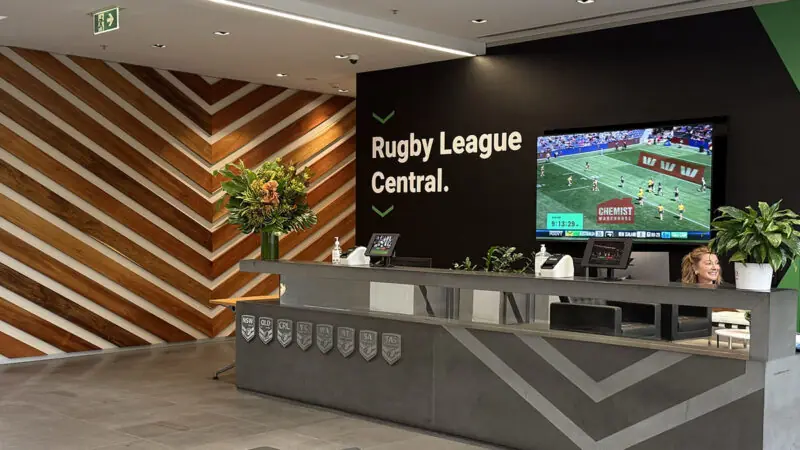
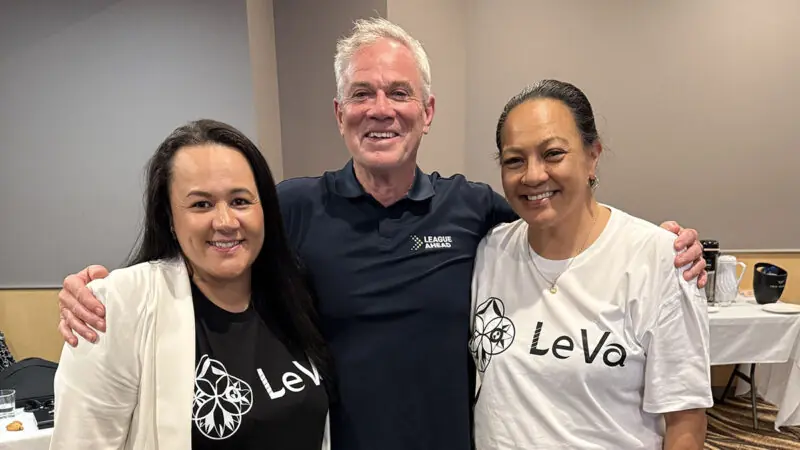
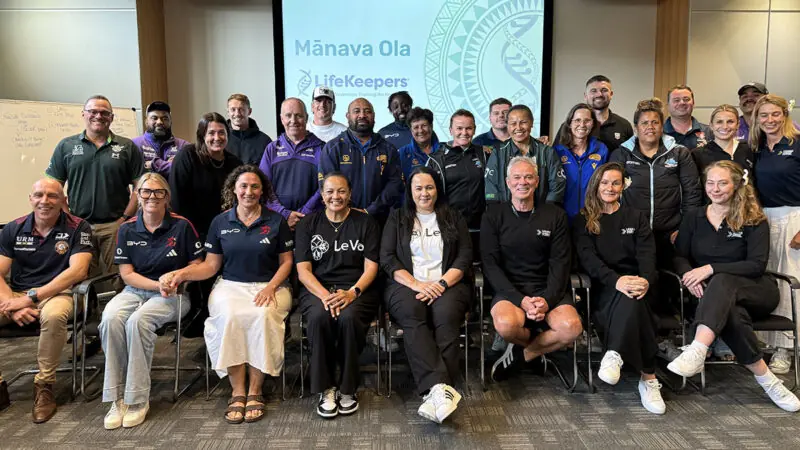
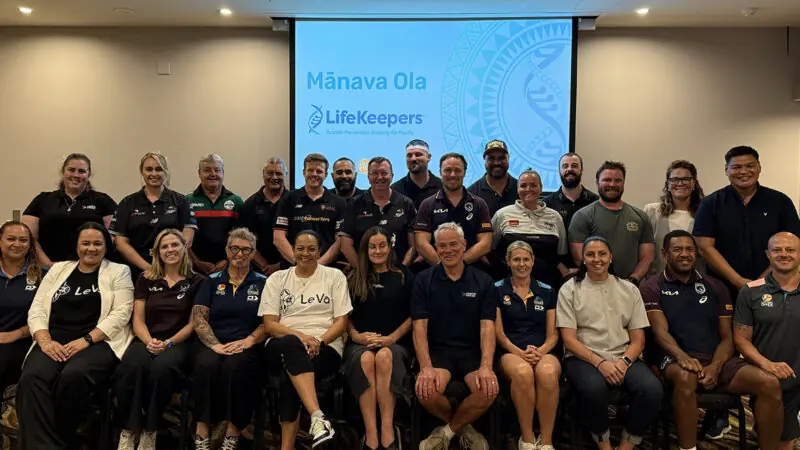
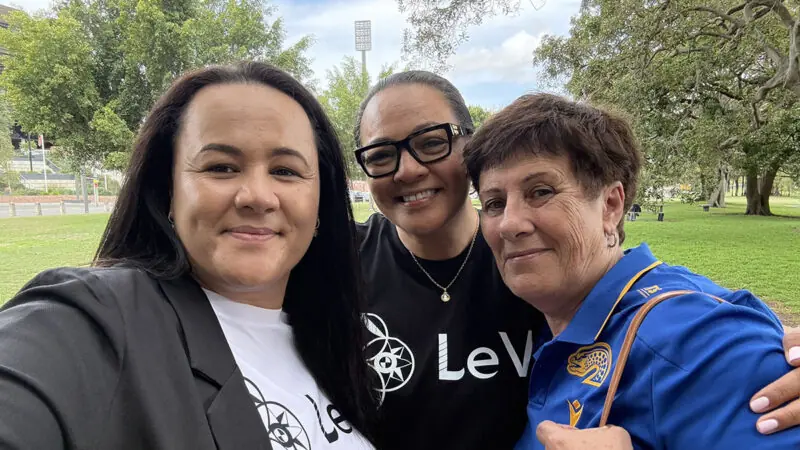
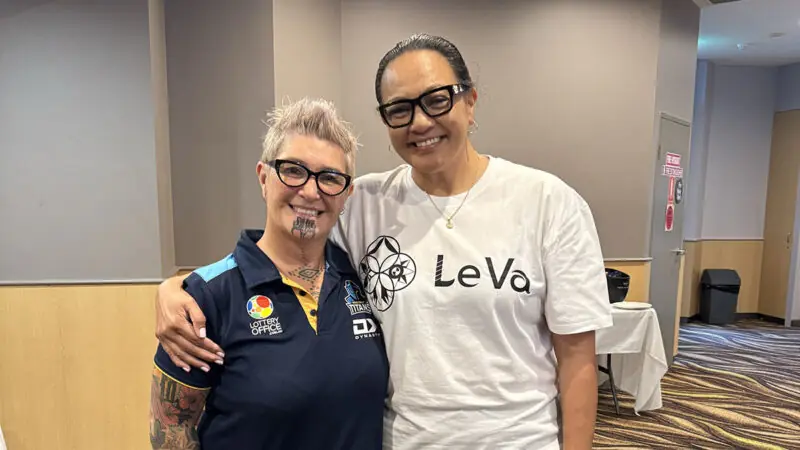
When Le Va chief executive Mati Dr Elizabeth Mati and senior manager Leilani Clarke touched down in Australia this month, they carried something the NRL’s wellbeing teams had been waiting for – a suicide prevention training that considers the needs of Pacific people.
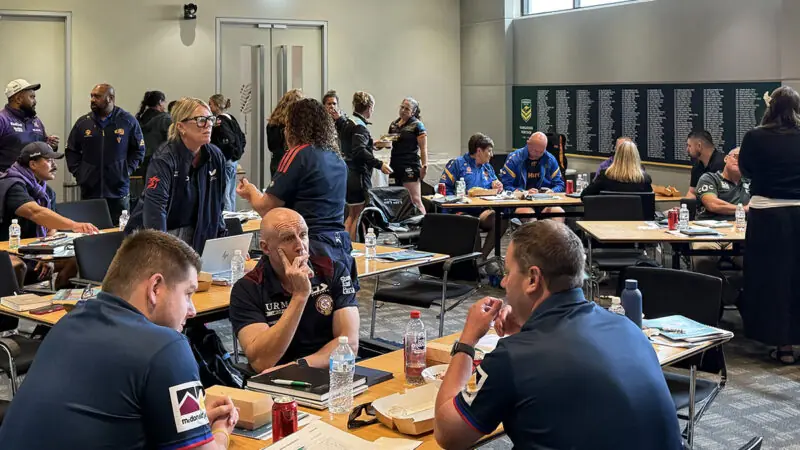
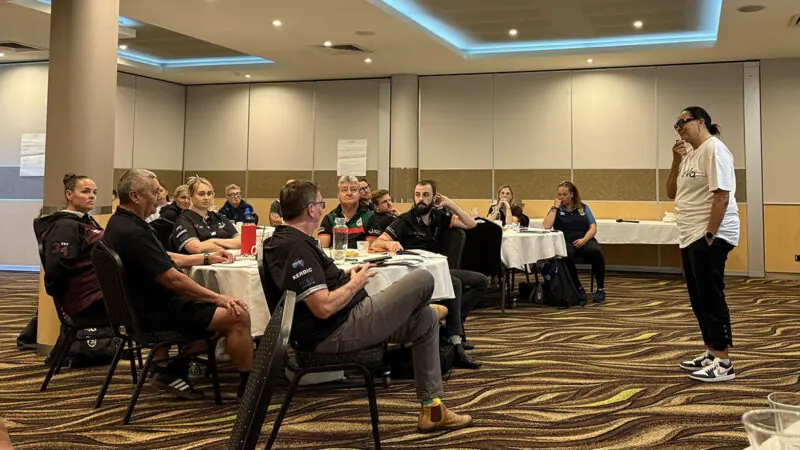
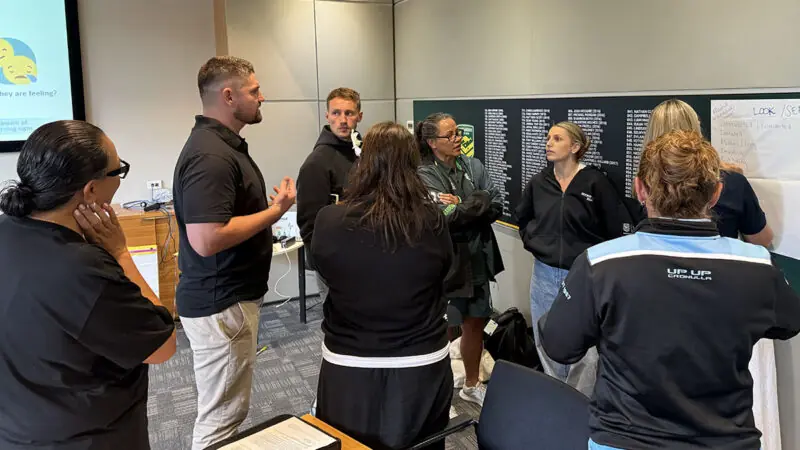
Over two workshops in Sydney and Brisbane, Mati and Leilani delivered Le Va’s Mānava Ola: LifeKeepers for Pacific training to NRL wellbeing managers. These are the staff players turn to when the pressure gets too much, when life on or off the field is feeling hard. They are the people quietly holding some of the most complex conversations in high-performance sport, supporting players, staff and wider club environments.
“Rugby League isn’t just a sport for Pacific communities,” says Mati, “It’s identity, it’s pride, it’s family. That’s what makes it such a powerful space for this kind of work.”
Sydney and Brisbane workshops
Mānava Ola gives participants real, practical suicide prevention skills through a Pacific lens – how to spot warning signs, how to respond with confidence while connecting people to the right support. It also strengthens capability to hold safe conversations in a way that protects dignity, relationships and cultural identity.
In Sydney, participants explored how distress can show up differently across cultures, and how important it is to respond early – before someone reaches crisis point. One participant said, “Love the opportunity for more knowledge around supporting people who are experiencing suicidal thoughts and feelings for our wellbeing managers.”
In Brisbane, the talanoa turned to how wellbeing practice can be strengthened within clubs and embedded across the whole system, rather than resting on a small number of individuals. Feedback included, “This is so important and valuable. Really appreciate the space to take us on a journey that was so real.”
All participants engaged deeply with Le Va’s Mānava Ola model of C.A.R.E. and the chance to practise real-world conversations – a key part of building confidence to act when it matters most.
Overall, the sessions received a Net Promoter Score of 94 – indicating a world-class, exceptional training experience.
Strengthening a long-term partnership
The relationship between Le Va and rugby league runs deep, built over many years on shared values and a genuine commitment to the wellbeing of Pacific peoples on both sides of the Tasman.
This visit strengthened our partnership, not only through the delivery of training, but through reaffirmed relationships and shared purpose. It also highlighted the clear need for culturally grounded approaches in suicide prevention, particularly for Pacific peoples and communities, where context, identity and connection matter.
Looking ahead
Mati and Leilani returned to Aotearoa encouraged by how the NRL’s wellbeing staff showed up with openness, leadership and a willingness to grow their practice. When the people who support others feel equipped and confident, the ripple effect reaches far beyond the training room.
Le Va remains committed to strengthening suicide prevention capability across Aotearoa and the Pacific diaspora, and to continuing partnerships that help create safer, more connected environments.
If you would like suicide prevention training for your organisation, please contact us at admin@leva.co.nz.
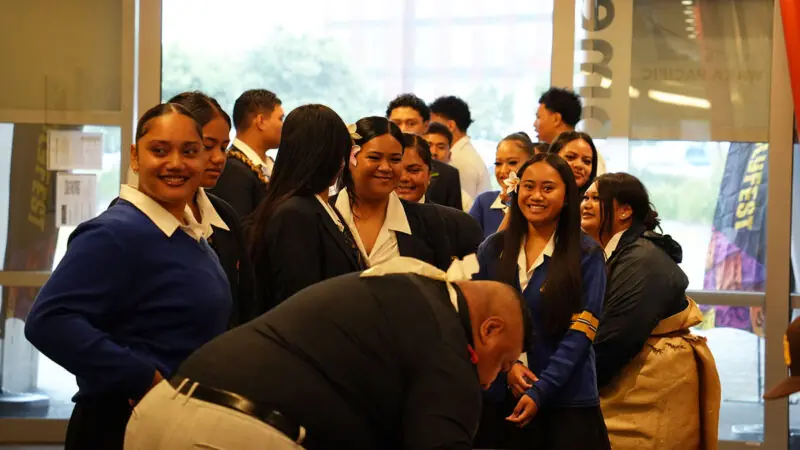
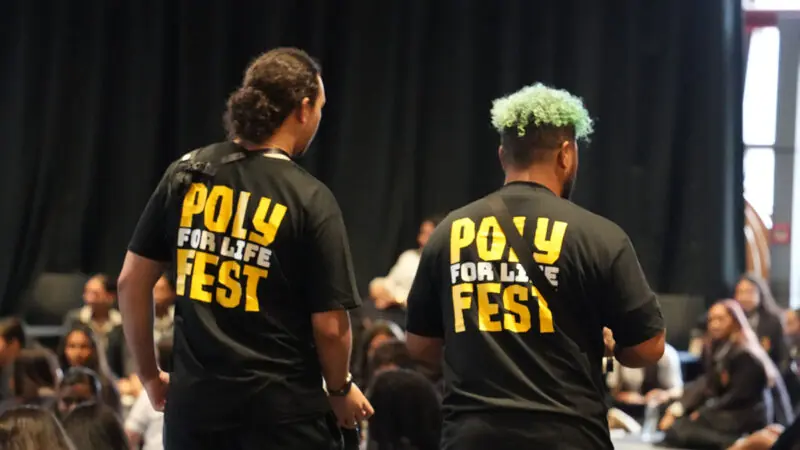
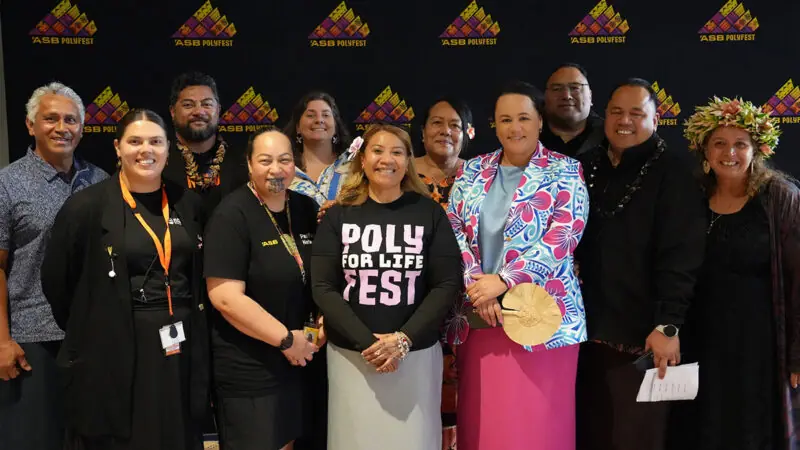
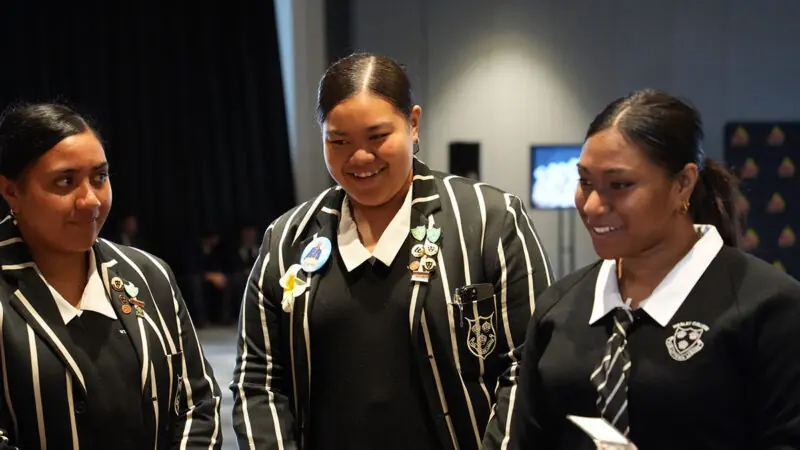
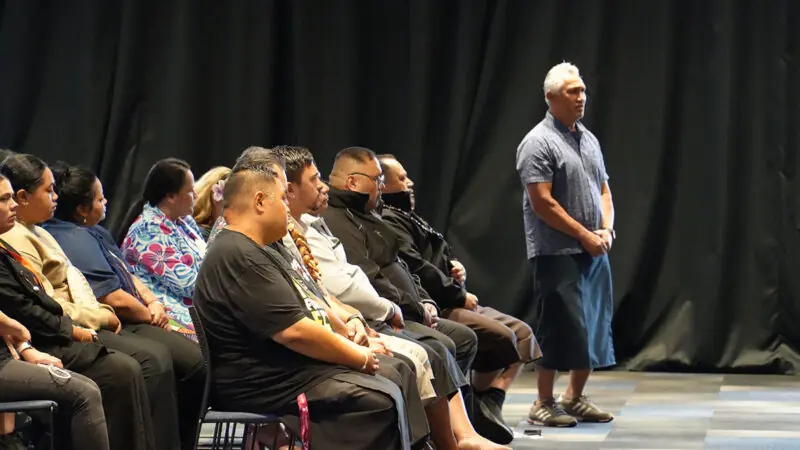
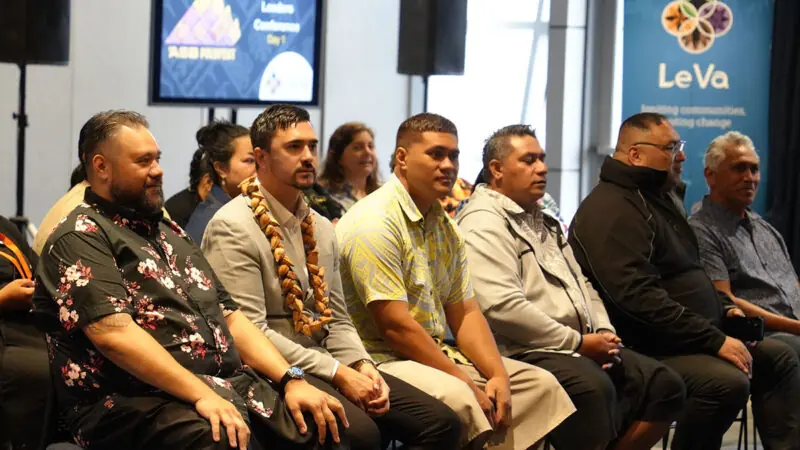
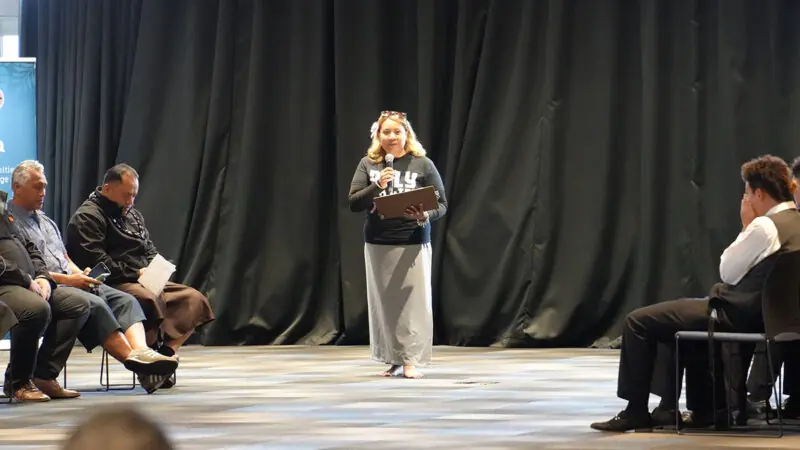
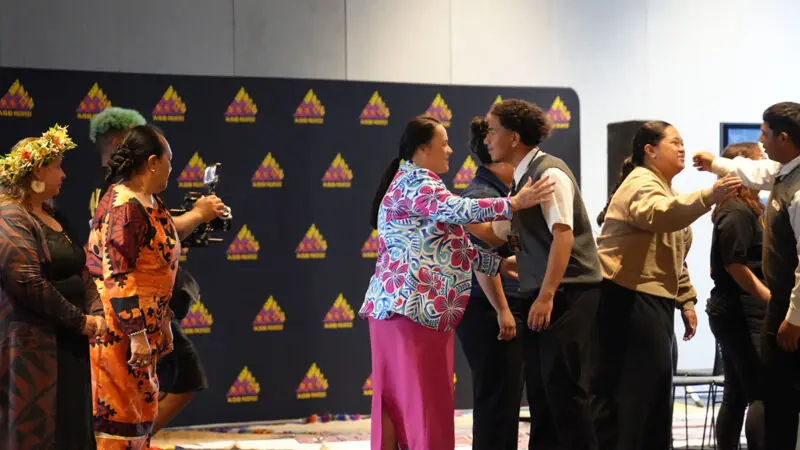
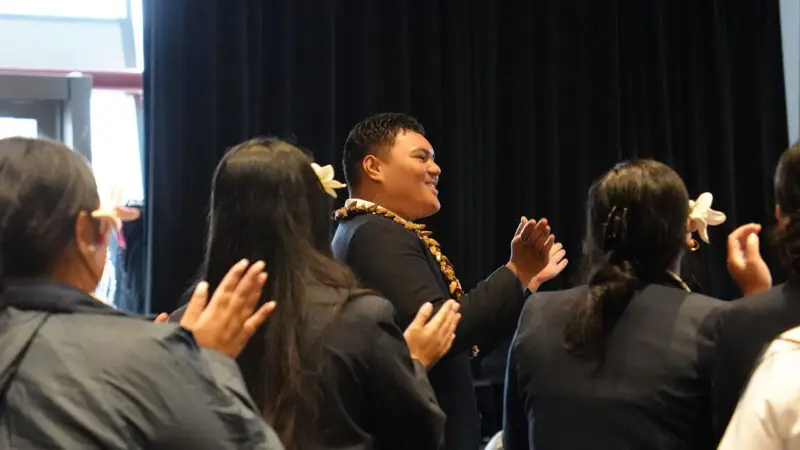
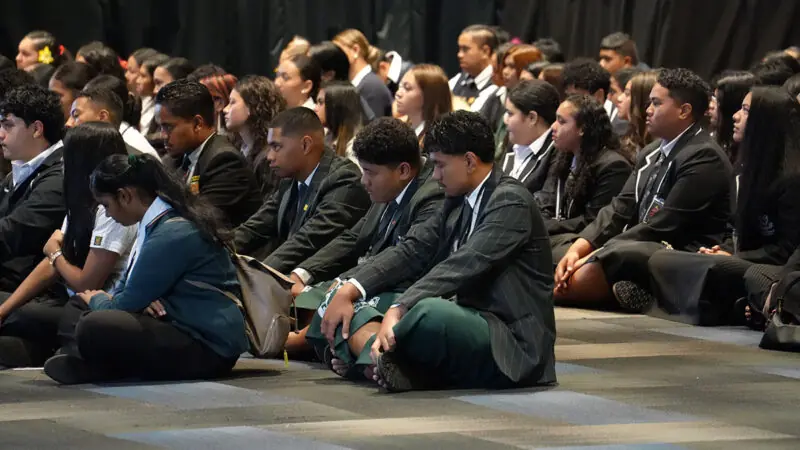
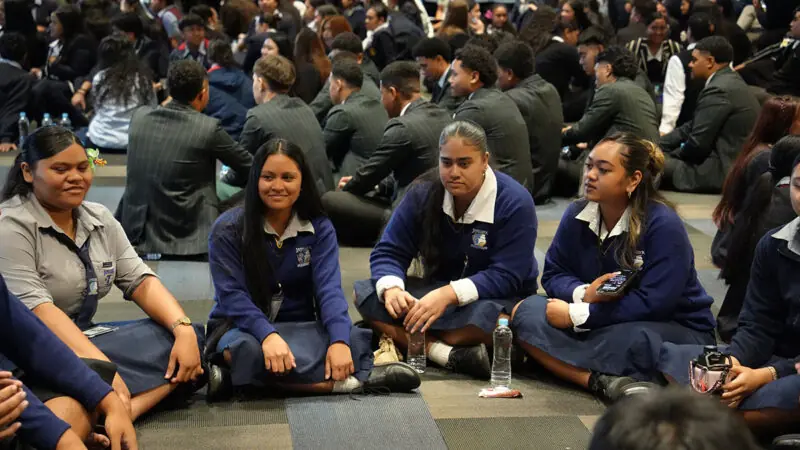
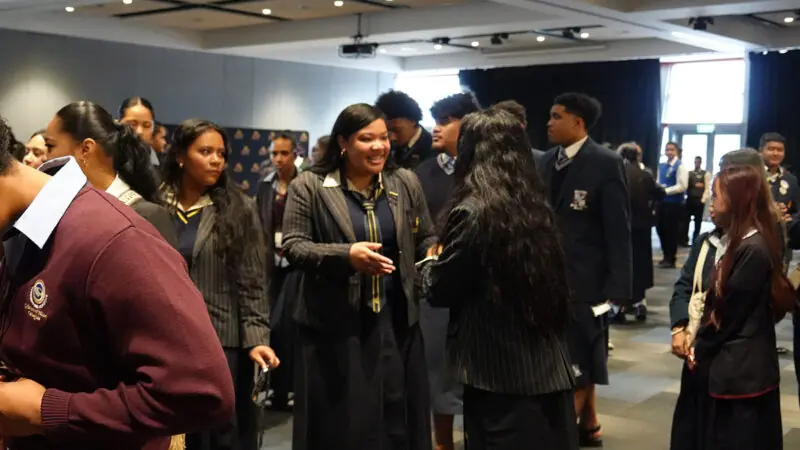
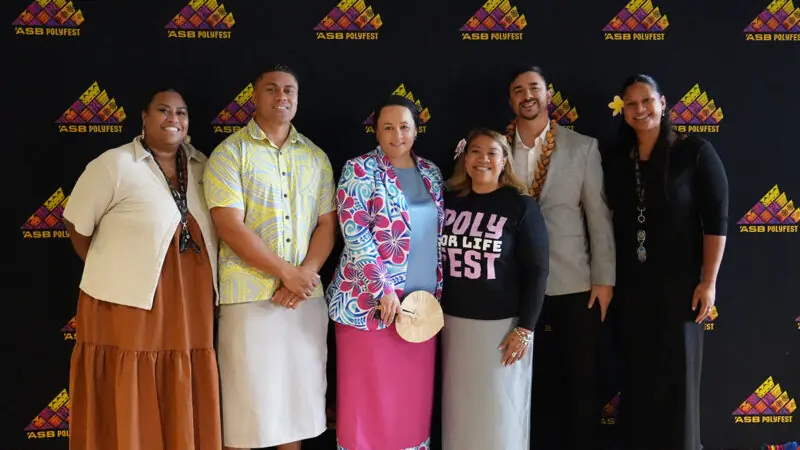
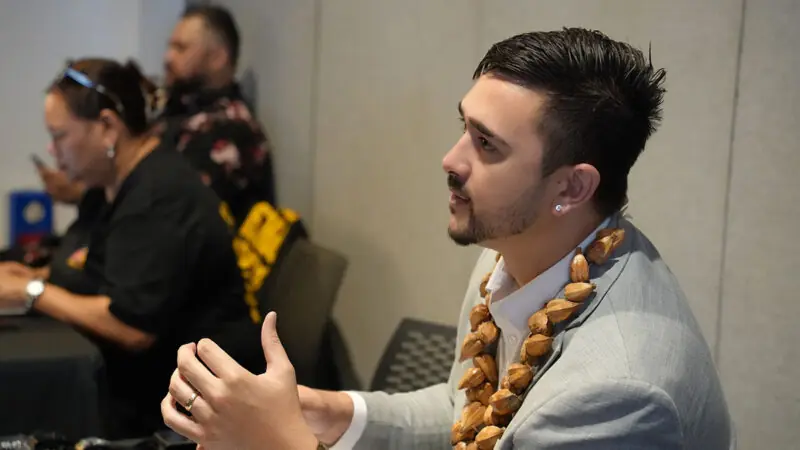
The 2026 ASB Polyfest Leaders Conference kicked off today, bringing together student leaders from across Tāmaki Makaurau Auckland and beyond as they prepare for this year’s ASB Polyfest season.
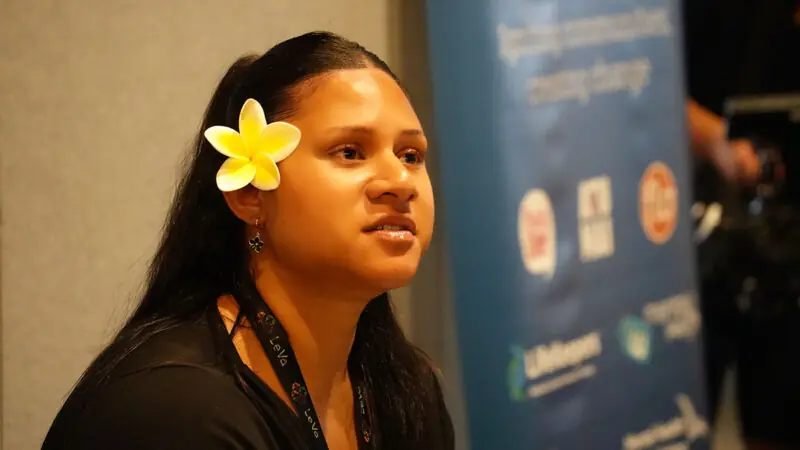
As a proud sponsor of the conference, Le Va continues its commitment to investing in emerging Pacific leaders and supporting the wellbeing of our youth.
The two-day conference serves as the first major engagement for the 2026 Polyfest season, connecting student leaders including head girls, head boys, prefects, mentors and cultural leaders before the official school year begins.
For Le Va, sponsoring the Leaders Conference aligns perfectly with our organisation’s mission to support Pasifika families and communities to unleash their full potential. By investing in these young leaders early in the year, Le Va helps ensure they have the foundation to thrive both in their cultural performances and their broader lives.
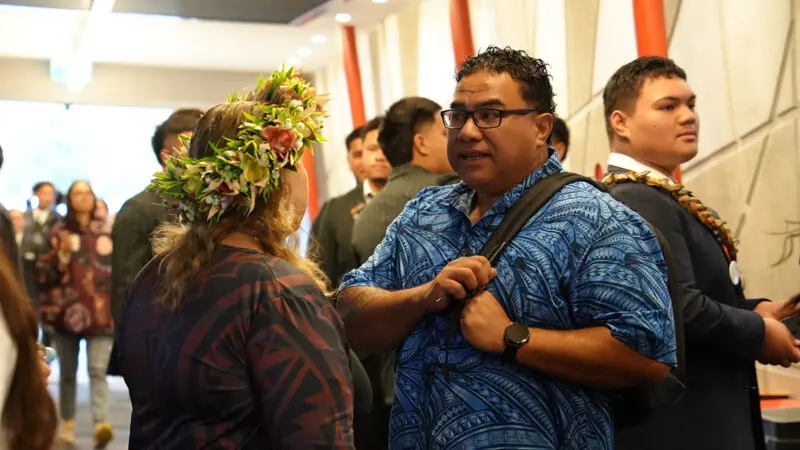
This annual gathering has become an essential foundation for building relationships among schools and equipping young leaders with the tools they need to guide their cultural groups throughout the year.
The Leaders Conference represents much more than preparation for a four-day festival. The event is about fostering long-term connections, leadership development, and cultural pride that extends well beyond the Polyfest stages.
Participants engage in workshops exploring themes central to Pacific wellbeing and identity, cultural activities, and leadership development sessions. The conference creates space for students to connect with peers from different schools, learn from each other’s experiences, and build the supportive networks that strengthen their communities.
2026 will mark a new chapter in the festival’s history, with performances taking place across two venues for the first time. The main festival runs from 18-21 March at the Manukau Sports Bowl, with the Māori stage scheduled for 30 March to 2 April at Due Drop Events Centre.
We look forward to seeing you there!
Le Va is a national Pacific organisation committed to supporting people of the moana to unleash their full potential and have the best possible health and wellbeing outcomes.
Le Va welcomes the Government’s forthcoming Mental Health and Wellbeing Strategy as an opportunity to reimagine how we can better serve all New Zealanders. We see it as a pivotal moment that could move Aotearoa beyond crisis response, towards a primary prevention approach grounded in culture, community and care.
Pacific communities in Aotearoa deserve a strategy that reflects the strengths and aspirations of our people – a strategy that addresses systemic inequities while affirming the importance of collective wellbeing, cultural identity and community leadership. To support all people to thrive, the strategy should include a deep understanding of what matters to Pacific people.
Le Va presents the following ten priorities to guide a mental health and wellbeing strategy that creates meaningful and lasting change for our people.
1. Uphold Te Tiriti with genuine partnership
Embed genuine partnership at the heart of the strategy
Tangata whenua are Indigenous to Aotearoa New Zealand. As Tagata Moana, we advise that Te Tiriti o Waitangi must underpin the strategy. Giving effect to the intent of Te Tiriti, through genuine and mana-enhancing relationships with tangata whenua, is essential to the credibility, legitimacy and effectiveness of any mental health and wellbeing strategy in Aotearoa.
2. Nothing about us without us
Include Pacific voices in every decision
The strategy should recognise and value Pacific leadership and genuine power sharing in all spaces (governance, leadership, frontline and community). It should commit to meeting the unique needs and aspirations of Pacific people, representing Pacific worldviews, knowledge frameworks and approaches within the strategy and its implementation.
3. Prioritise prevention to protect future generations
Invest early, take action upstream, and protect communities from crisis
The strategy should prioritise primary prevention by addressing the root causes and risk factors of mental health and addiction challenges. It should focus on supporting young people, families and communities early, before challenges emerge, and strengthening protective factors across the life course.
4. Value Pacific models of mental health and wellbeing
Embrace collective care and holistic wellbeing
Pacific approaches to wellbeing are relational, spiritual, cultural and collective. Aotearoa’s mental health and wellbeing strategy should embrace holistic models of health that reflect Pacific worldviews and lived realities. A strategy grounded in these dimensions will better enable Pasifika peoples to thrive, and ensure services are both culturally safe and meaningful.
5. Solutions lie within our communities
Let communities lead the solutions – they know what works
Our communities already hold the knowledge and solutions to support their own wellbeing. The strategy should ensure direct investment that enables community leaders and organisations to design, deliver and sustain effective mental health initiatives by communities, for communities. It should place decision-making power and funding directly into the hands of the people.
6. Close the cultural digital divide
Make resources accessible to everyone, everywhere, any time
The strategy should provide a clear mandate and pathway for culturally-grounded innovation, including digital tools and services that also reach Pacific communities. It should include a plan to reach those in greater need of tools and enable better access, in ways that are scalable, safe and culturally resonant.
7. Pacific is not one experience
Honour diversity within Pacific communities
Pacific communities are diverse, and Pacific people who are also Rainbow+, disabled or have lived experience of mental distress often face additional barriers to culturally safe and accessible care. The strategy should recognise the different experiences of Pacific people designed to respond to these intersecting realities, rather than assuming a single Pacific experience.
8. Youth voices matter
Include youth to help shape their future
The strategy should actively centre Pacific youth voices and leadership. Pacific young people bring critical insight into what works for their wellbeing. Co-design processes must be accessible, culturally grounded and safe, ensuring initiatives and services reflect the realities, strengths and aspirations of Pacific young people.
9. Grow a culturally safe and capable workforce
Nurture cultural safety to effectively support our community
A culturally safe and competent mental health workforce means better outcomes for Pacific people. The strategy should prioritise the growth of the Pacific mental health and addiction workforce, with early investment and recruitment through to leadership development and retention. It should also ensure the mainstream workforce is equipped to deliver culturally safe, responsive care that strengthens trust and improves access, experiences and outcomes for Pacific communities.
10. Back the strategy with action, funding and accountability
Turn promises into action with investment, implementation and accountability
A strategy without dedicated investment and action is merely a promise. To deliver meaningful and lasting change, the strategy should be reinforced by long-term funding and clear implementation timeframes. This includes defined milestones, measurable outcomes and transparent reporting to ensure Pacific priorities are included and fully realised. Anything less risks repeating cycles of hope without change.
Wise Group specialist clinical and translational lead, Denise Kingi-‘Ulu’ave, reflects on the recent Prevention in Practice Summit and the urgent need for prevention action in the mental health and addiction sector.
Both in Australia and in Aotearoa, while investment in mental health services has grown, more people are struggling with their mental health than ever before, with mounting social and economic costs.
The reality is stark – there will never be enough treatment services alone to meet demand. Unless resources shift beyond the treatment system, demand will remain unmanageable and people will continue to miss out on support until they reach crisis.
A few weeks ago I attended the Prevention in Practice Summit held in Sydney. More than 150 participants and 20 national experts across Australia’s government, lived experience and expertise, community, research, industry, and the mental health sector came together to explore practical ways to address the gap between prevention knowledge and how to achieve urgent action across settings.
The evidence and enthusiasm were energising, with the Victorian Commissioner for LGBTIQA+ Communities, Joe Ball, remarking that “prevention is the work of the hopeful and the progressives.”
A call for urgent action on prevention
In opening the summit, Dr Jaelea Skehan OAM, Director of Everymind, called on governments, the sector and the community to take urgent action on prevention. The evidence for prevention of mental health, addiction and suicide has existed for 15 years or more, but we have not seen the implementation of prevention knowledge across policy, across communities and across systems to have a real impact.
Dr Skehan stated, “Prevention is now urgent – we have had 15 years of less than optimal action on prevention.” This means that “three generations of children have not benefitted from the knowledge we have – so we should reflect on that and think about what an inexcusable missed opportunity that represents.”
How many more generations will need to suffer before we take urgent action? Let’s prioritise investment in mental health and addiction prevention in Aotearoa.
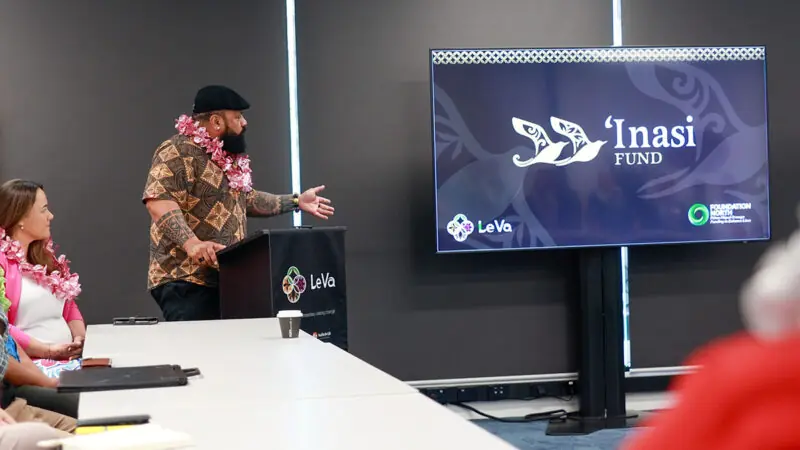
Le Va, Aotearoa’s national Pacific primary prevention organisation, hosted a special meet and greet event on Monday 22 September to celebrate and showcase the recipients of its inaugural ‘Inasi disability community fund.
The ‘Inasi Fund was established through a partnership between Foundation North and Le Va, with a shared vision to strengthen Pacific disability leadership, address long-standing inequities, and invest in community-led solutions.
It supports Northland and Auckland based initiatives helping to reduce stigma and discrimination around disability, create communities of care, and empower Pasifika people with disabilities to have a voice and to lead.
Ben Tameifuna
Ben Tameifuna, Le Va’s Senior Manager for Public Health and Disability, said, “The ‘Inasi Fund is about honouring our Pasifika tradition of collective sharing. The Tongan phrase ‘Inasi means everyone eats, or everyone receives their portion. It reflects our Pasifika way of ensuring no one is left out or left behind.”
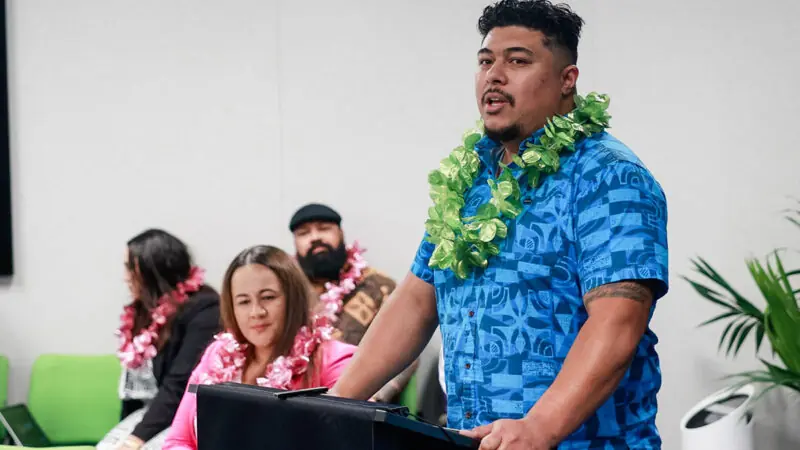
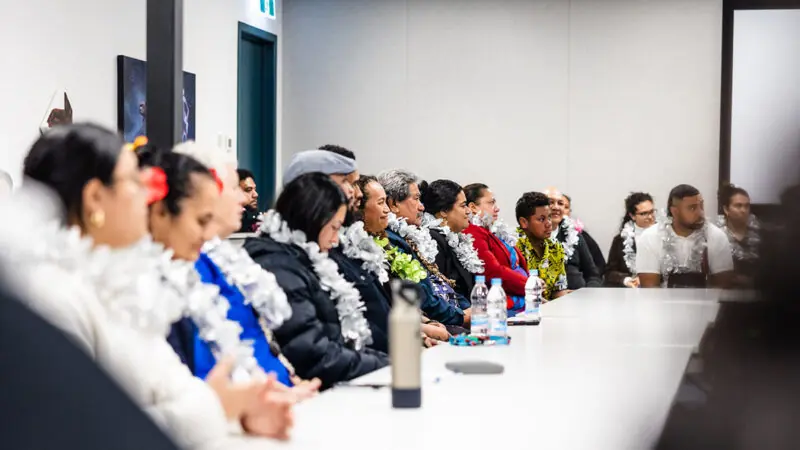
The event brought together successful fund applicants to share their initiatives and connect with each other and the Le Va team.
Recipients came from as far as Kaitaia and as near as Māngere – tears were shed and laughter heard around the room as they spoke about their lived experiences of disability and their excitement at launching their innovative ‘Inasi projects.
The gathering represented a significant milestone in Le Va’s commitment to supporting disability-focused community projects.
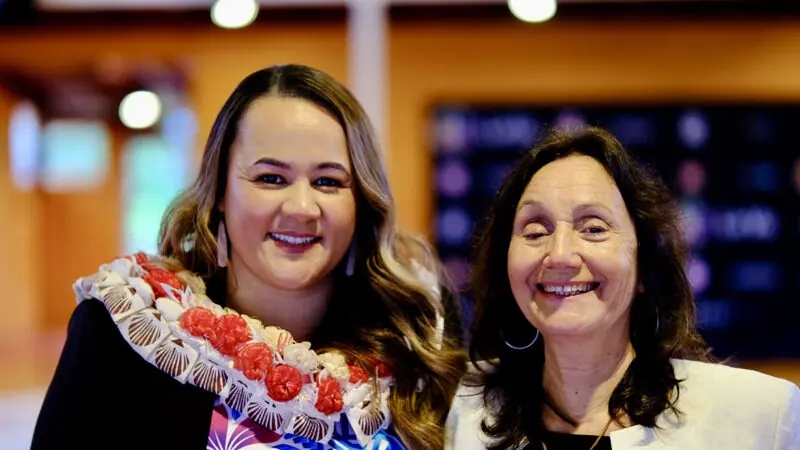
“The ‘Inasi Fund affirms Le Va’s dedication to empowering grassroots disability initiatives and creating positive change within communities,” said Mati Dr Elizabeth Mati, Chief Executive of Le Va.
“This inaugural funding round supported 23 projects, each designed to address specific needs and challenges faced by Pasifika people with disabilities. We wish all our fund recipients every success.”
The ‘Inasi Fund event facilitated networking opportunities between recipients, fostering collaboration and knowledge-sharing within the community, and emphasising the collective spirit that drives Le Va’s mission.
Learn more about Le Va’s ‘Inasi Fund.
‘Inasi Fund recipients for 2025
- People in the Pursuit of Success – Will and Marlon Fleming
- Down With Char – Charlize Wilson
- Lego Club for Pasifika Neurodiverse Tamariki – Sarah Waikato
- Voices of Strength, Le’o Malosi – Natasha Barber
- Move together Pasifika – Mathew Elia
- Pacifica Whangarei TBI support group – Vicki Pemberton
- Mau tu – Daniel Te’o
- Tame x Barber – Tame Taufa
- KAVAX: Voices of our Disabled Kainga – Anau Mesui
- Tuvaluan Youth Disability Awareness
- Toa Malosi – Janet Tuitama
- Big Tings – Libby Blore
- Tongan Youth – Seluvaia Latu
- The Lane – Migi Sio
- Hosanna Light House Baptist – Tanya Lameta Sione
- Fale Pasifika Te Tai Tokerau – Johnny Kumitau
- Dominion and Kingsland Women’s Ministry – Lupi Mahina
- Vaini Doves Kava Podcast
- Fetu o le Pasifika – Ilaisaane Mari
- ASD Pasifika Whānau – Jordan Ikitule
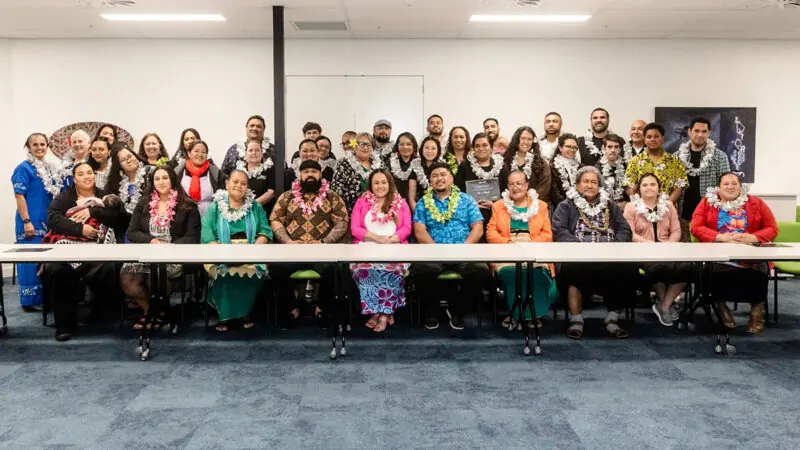
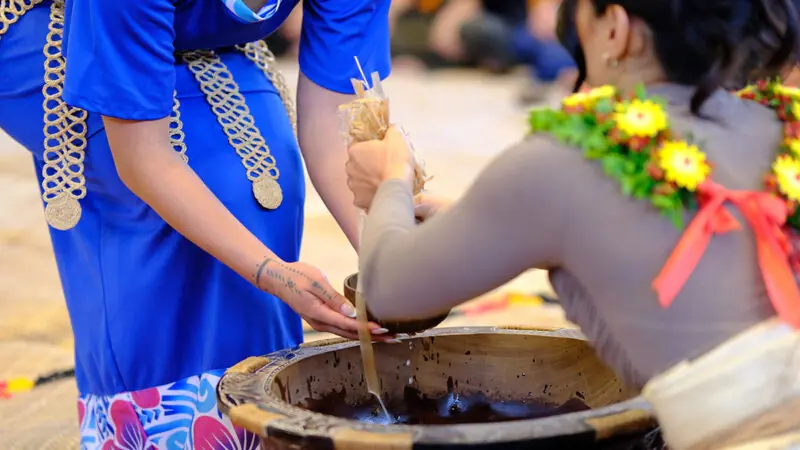
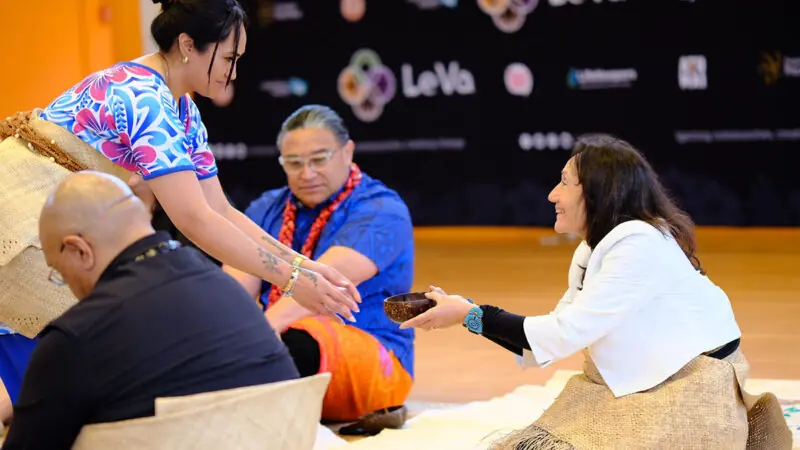
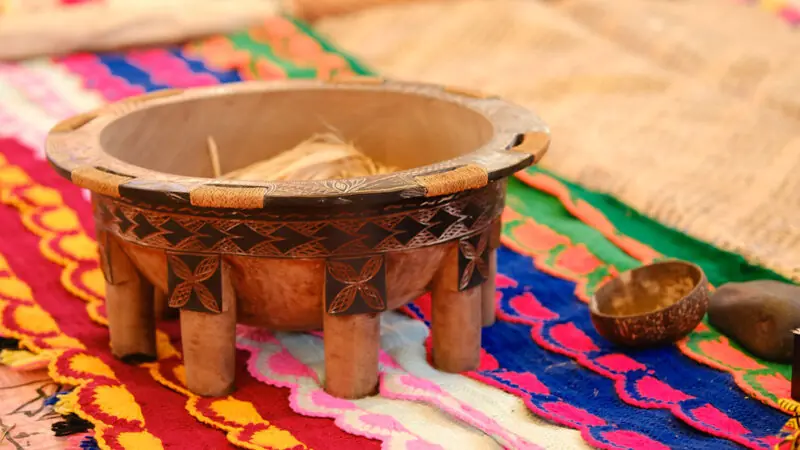
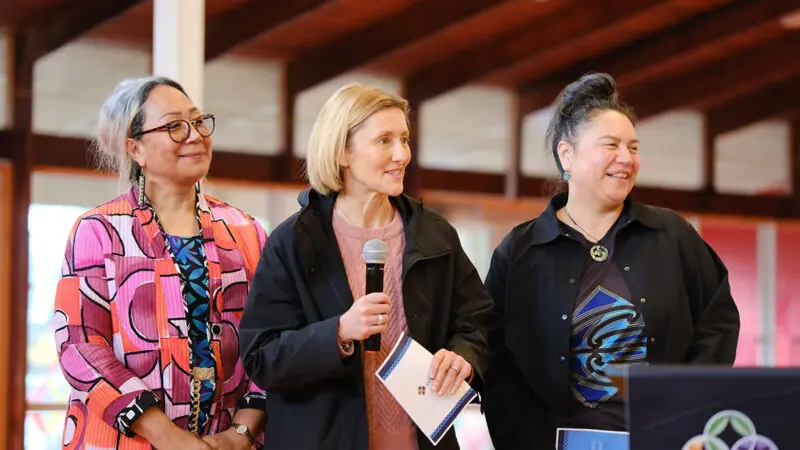
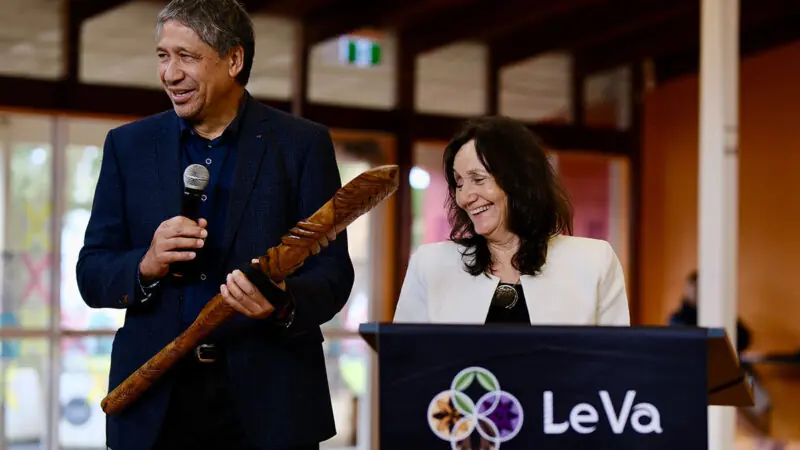
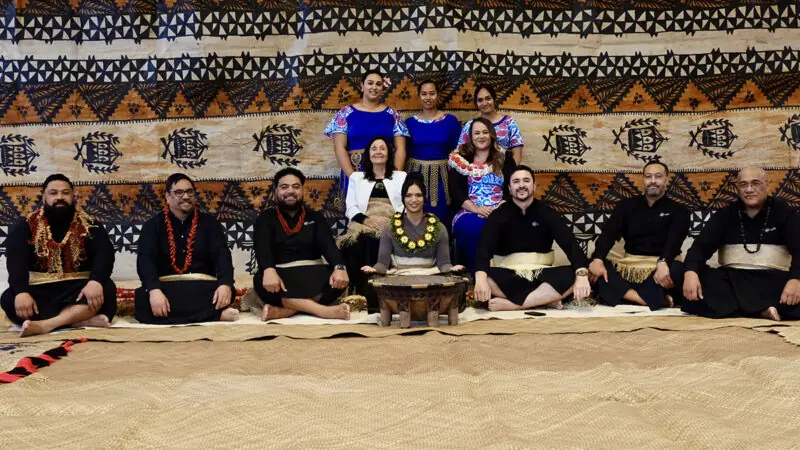
This month brought a deeply meaningful moment to Le Va as our aiga gathered to welcome Mati Dr Elizabeth Mati as our new chief executive with a traditional kava ceremony during Tongan Language Week.
Dr Mati’s appointment reflects Le Va’s commitment to growing leadership from within. As an ali’i (high chief) matai, holding the title Mati from her father’s village Sa’anapu in Samoa, she brings both cultural authority and extensive experience spanning mental health, forensic services and education.
Having led Le Va’s national Atu-Mai violence prevention programme and served as general manager, Mati’s leadership represents continuity grounded in Le Va’s values and an innovative vision for the future.
Mati said, “As I step into this role, I am reminded of the Samoan proverb: O le ala i le pule o le tautua – the path to leadership is through service. For me, leadership is not the end of service but its deepest form.
“My role will continue to be about serving our people, our communities and our purpose with humility, courage, integrity and excellence. Honouring those who came before us, those we walk alongside today, and those we serve.”
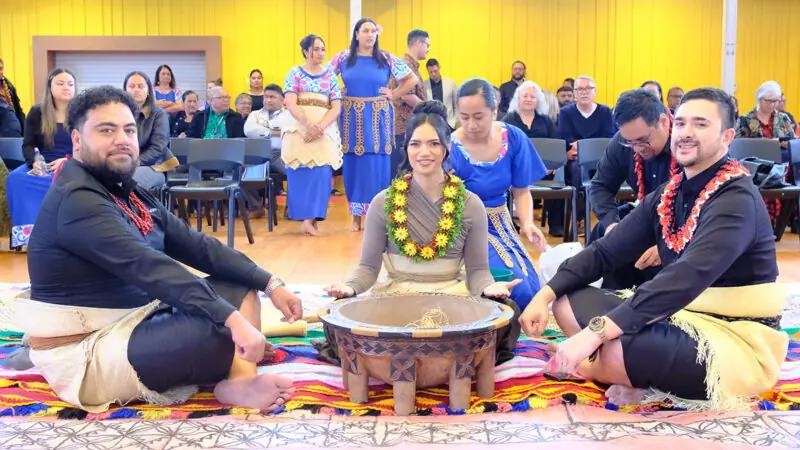
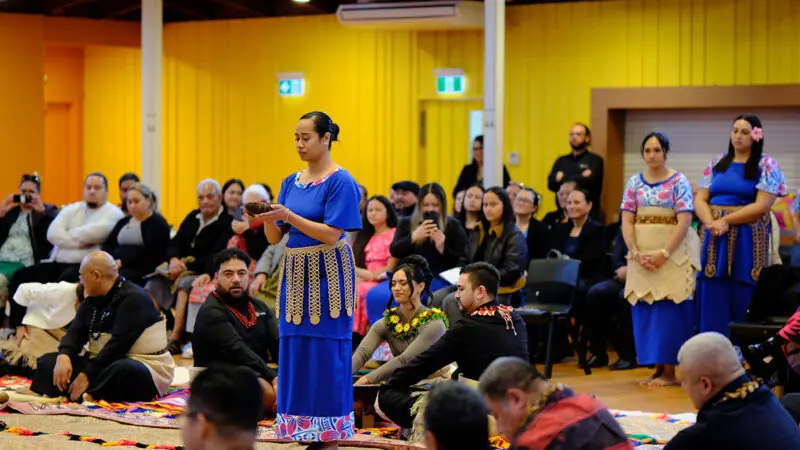
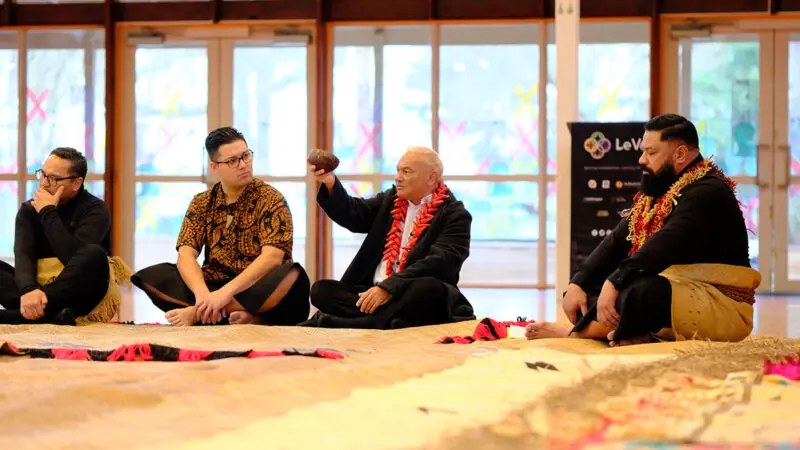
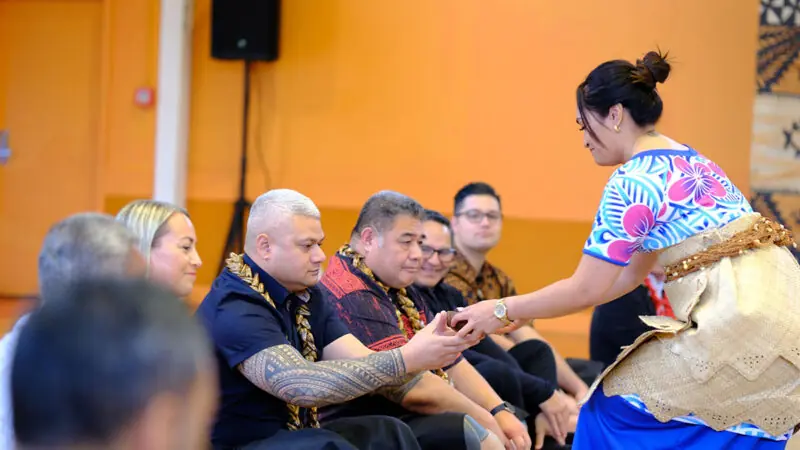
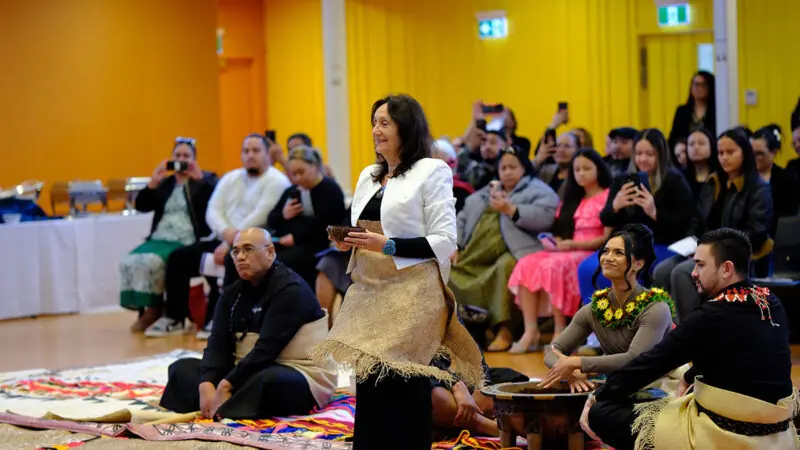
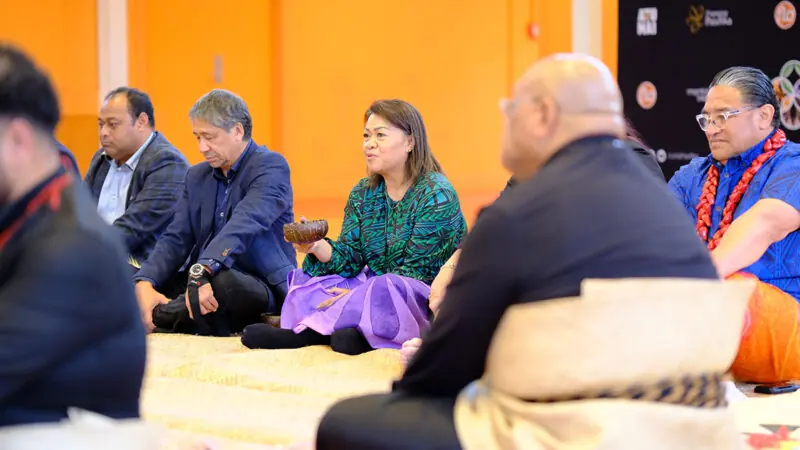
Le Va’s board chair Josiah Tualamali’i captured the spirit of the occasion: “What a moving day, gathering to acknowledge outgoing CE Denise Kingi-‘Ulu’ave and the precious transfer of leadership to afioga Mati Dr Elizabeth Mati.
“Le Va has been blessed to nurture internal leaders. Mati, we are grateful for your skills, gifts and talents and your heart to serve.”
The kava circle created a sacred space where stories were shared, wisdom was passed on and connections were strengthened. As the ipu kava bowl moved between participants, it carried with it the respect and alofa our community holds for Mati – embracing her vision for our path ahead.
Mati ended by saying, “The challenges before us are complex, but I believe that through collaboration, innovation and the wisdom of our cultures, we will not only overcome them, but we thrive.
“It is my intent to honour the legacy of those who laid the foundations before us, while boldly stepping into the future, so that Le Va may continue to support the people of the Moana to unleash their full potential.”
As we move forward with Mati at the helm, this ceremony will remain a touchstone moment, reminding us that meaningful change happens when we honour our past while embracing our future, always with culture at our centre.
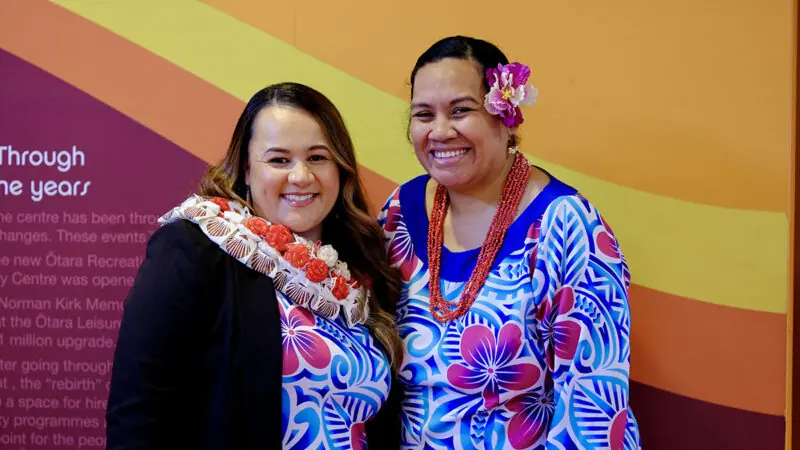
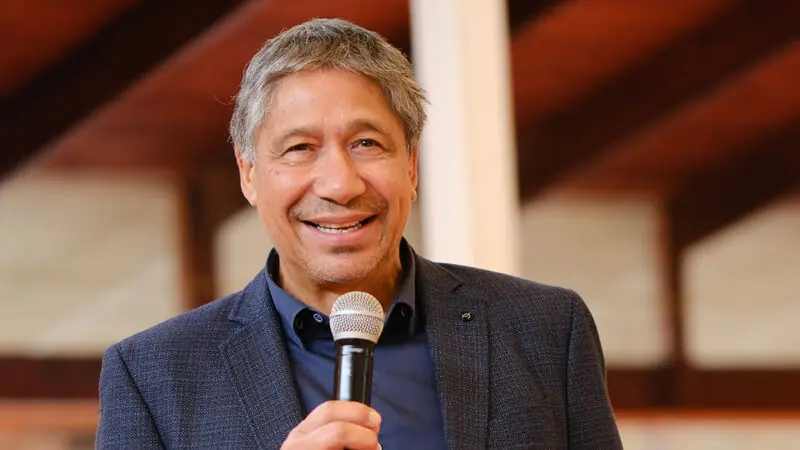
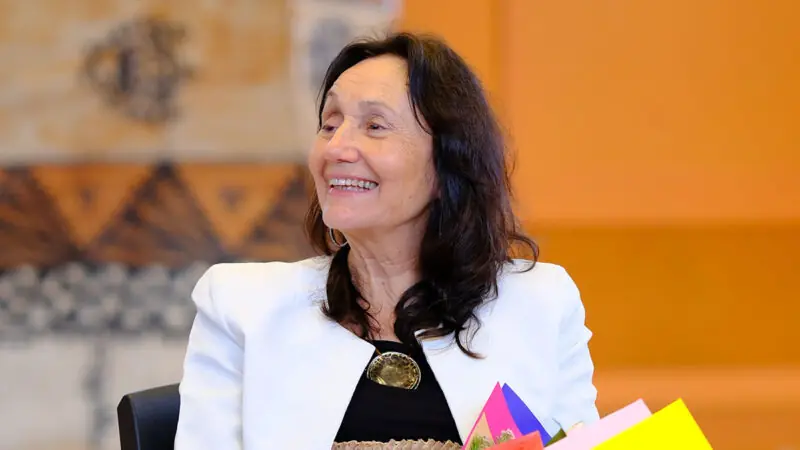
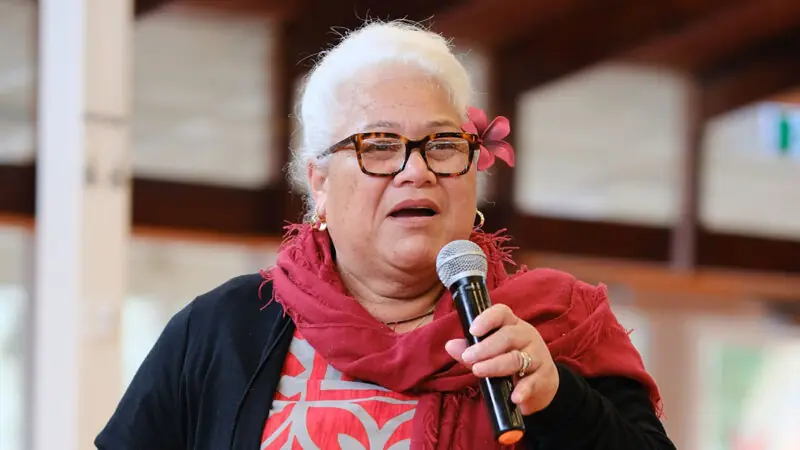
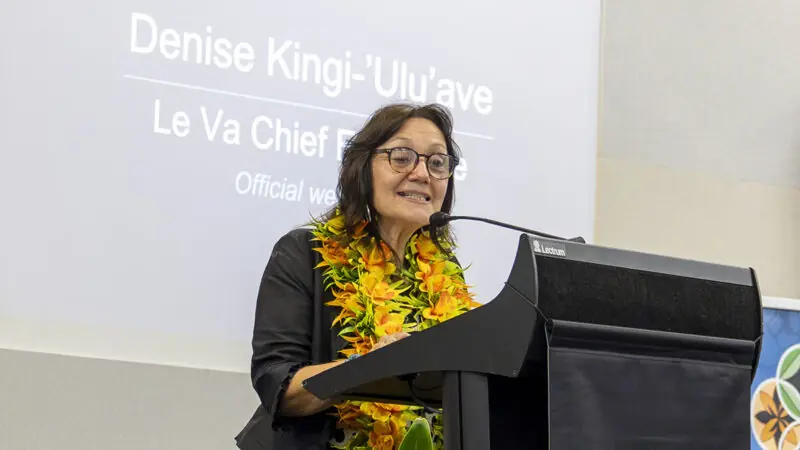
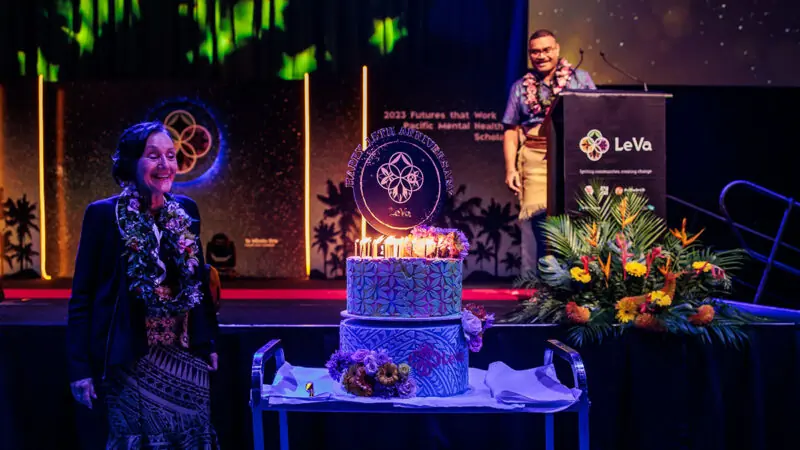
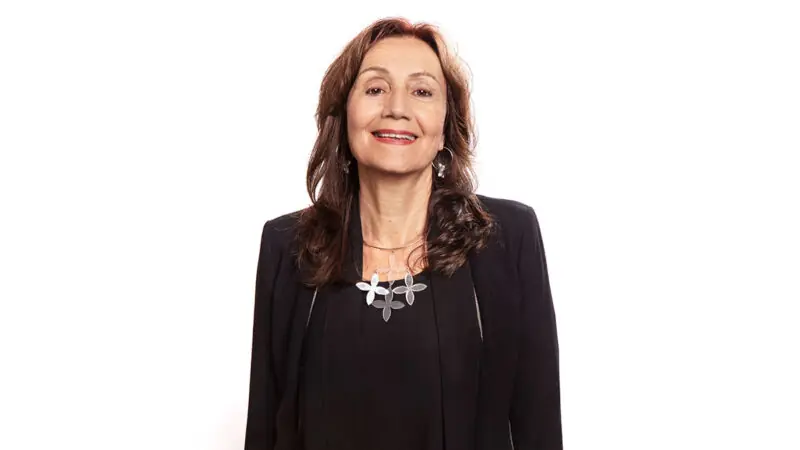
Le Va proudly acknowledges the outstanding legacy and unwavering leadership of our chief executive, Denise Kingi-‘Ulu’ave, as she transitions into a new strategic role within the Wise Group, after more than a decade of transformative service to our communities.
In August this year, Denise will step down as chief executive of Le Va and take up a new strategic role as specialist clinical and translational lead (SCTL) for the Wise Group. In her new role, Denise will be focused on leading primary prevention of mental health, suicide and addiction, while continuing to support Le Va with clinical leadership, research and innovation.
We are also delighted to announce the appointment of Mati Dr Elizabeth Mati as Le Va’s new chief executive, effective 11 August. A trusted leader and current general manager, Dr Mati brings deep cultural, clinical and strategic expertise to guide Le Va’s next chapter.
A planned leadership transition
Le Va board chair, Josiah Tualamali’i, says this planned leadership transition is an exciting time for the organisation, reflecting Le Va’s commitment to growing leaders.
“The Le Va board wishes to honour and recognise Denise’s family and their support, as well as her legacy of transformative leadership that has helped shape Le Va as a trusted, internationally recognised leader in suicide prevention, violence prevention, disability and mental health.”
“We are excited for her new role, where her deep knowledge, mana and connections will continue to benefit the wider mental health and wellbeing sector.”
Honouring the leadership of Denise Kingi-‘Ulu’ave
Under Denise’s leadership, Le Va has continued to flourish as one of Aotearoa New Zealand’s most respected Pacific-led organisations.
As Le Va’s senior clinical lead for eight years, Denise provided clinical oversight of Le Va’s programmes and resources and led the design and implementation of two national suicide prevention programmes – LifeKeepers and FLO: Pasifika for Life – both of which continue to save lives and strengthen whānau and communities across the country.
As chief executive for the past five years, Denise has steered Le Va through some challenging times including the COVID-19 pandemic and multiple natural disasters.
Reflecting on her journey, Denise shared, “I am deeply humbled and grateful for the once-in-a-lifetime opportunity to lead Le Va through times of global and local adversity.”
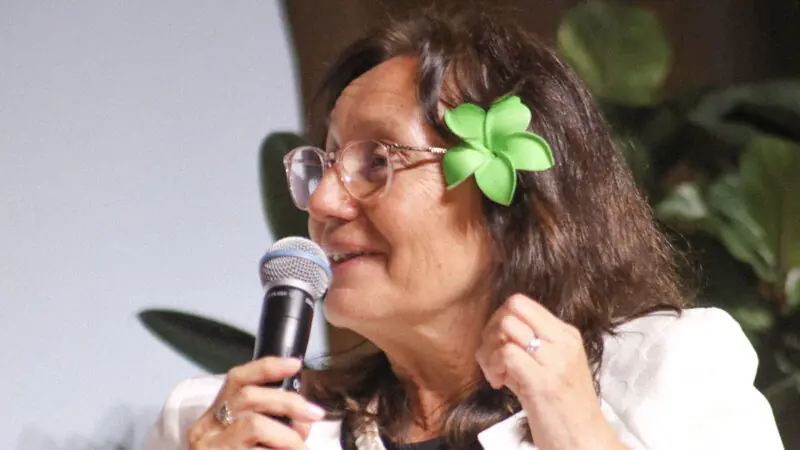
Shifting the system to primary prevention
Despite decades of increased government investment, Aotearoa continues to see rising levels of mental distress, suicide and addiction. In her new role, Denise will focus on shifting the system from crisis response to primary prevention – addressing root causes while building protective factors like belonging, cultural identity and resilience.
“Primary prevention is not optional, it is a strategic imperative for protecting mental health and reducing long-term system pressure. Too often, we wait until people are unwell before we act,” she says. “We need to create the conditions for people and communities to maintain their mental wellbeing.”
As we honour Denise’s legacy, we prepare to warmly welcome Dr Elizabeth Mati into the chief executive role. Le Va remains in trusted hands, guided by Pacific values, clinical excellence and a steadfast commitment to creating brighter futures for our communities.
Jacinta is a Le Mana Pasifika Youth Worker working with the Le Mana Pasifika Project, a cultural community group operating as part of Australia’s Centre for Multicultural Youth (CMY). Her reflections are framed by both her professional and personal experiences, as a Pasifika young person living in Australia.
“Earlier this year, I had the privilege of attending the Le Va Global Pacific Solutions (GPS) Conference, held on the 10th and 11th of April in Tāmaki Makaurau, Auckland. Organised by Le Va, a Pasifika-Kaupapa organisation based in Aotearoa, this year’s gathering was framed by a powerful theme: “It is the moana (ocean) that binds us, it is the whenua (land) that defines us.”
That sentiment echoed through every moment of the conference, grounding us in connection, identity, and shared purpose. As someone who works closely with Māori and Pasifika communities in Melbourne with Le Mana Pasifika, I was deeply moved by the wealth of knowledge, compassion, and unwavering dedication present, especially toward our young people. It reminded me that at the centre of our work is not just strategy or policy, but love for our communities and young people.
One workshop that deeply resonated with me was ‘End Game – Changing the Narrative’. Until this session, I hadn’t fully grasped the significance of intentional data collection. Dr Corina Grey, the Deputy Secretary – Policy and Insights at the Ministry for Pacific Peoples, delivered a compelling presentation on how accurate, respectful, and community-led data can serve as a powerful tool for change.
Before hearing Dr Grey speak, I saw data as an administrative necessity — useful, yes, but detached from the human side of our work. Her presentation reshaped my perspective. Data, when gathered consistently and interpreted by our own Māori and Pasifika people, becomes a voice. It becomes evidence. It becomes advocacy. She emphasised how Māori and Pasifika communities are often oversimplified into one broad category when, in truth, our cultures, needs and experiences are deeply diverse and complex. Recognising this complexity and treating it with care is essential if we are to serve our communities with authenticity.
The conference also stirred a deeper reflection: the contrast between the community supports available in Aotearoa and those currently lacking in Australia. This gap was stark. Although it was confronting, it gave me a renewed sense of purpose. With the work we do at Le Mana, I am more committed than ever to helping bridge that divide, to bring culturally grounded, youth-centred solutions into the Australian context.
I left the GPS Conference with more than just inspiration; I left with direction. As Her Honour Judge Ida Malosi reminded us during a plenary panel, “We have the tools and solutions our people need. We just need to utilise them.” And perhaps her most profound reminder was this: “Ancestral intelligence will get us further than artificial intelligence ever could.”
That wisdom has stayed with me.
So, I return to my work renewed, not only with strategies and notes but with a heart full of gratitude and a spirit ready to keep growing. Like the Samoan proverb says, “e so’o le fau i le fau” — we are stronger together than alone.
The Le Mana Pasifika Project empowers Māori and Pasifika young people, aged 12-25 years old, to connect with their cultural identity. Find out more about Jacinta’s work as part of the Le Mana Pasifika Project by visiting cmy.net.au/le-mana-pasifika.
This story was originally published on the CMY website, republished here with permission.
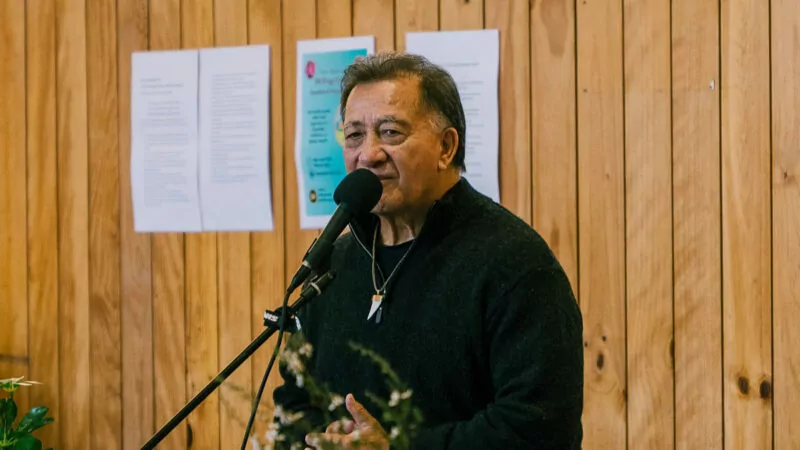
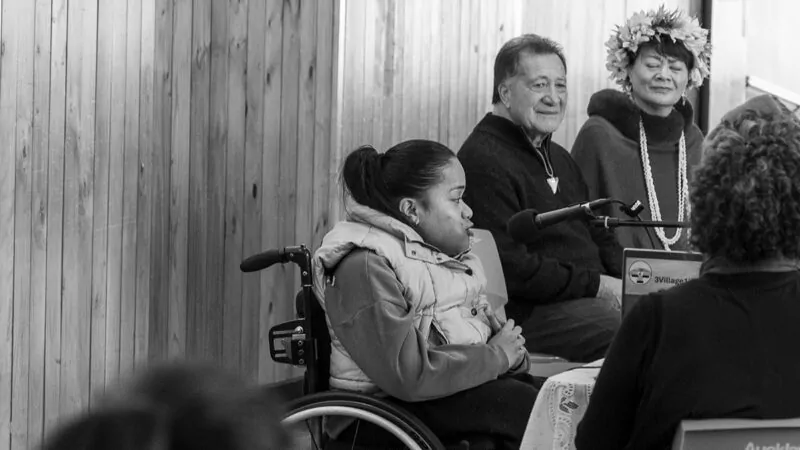
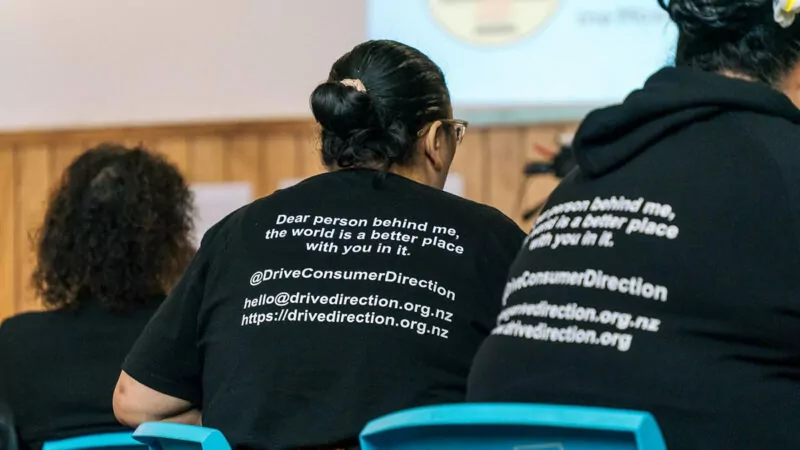
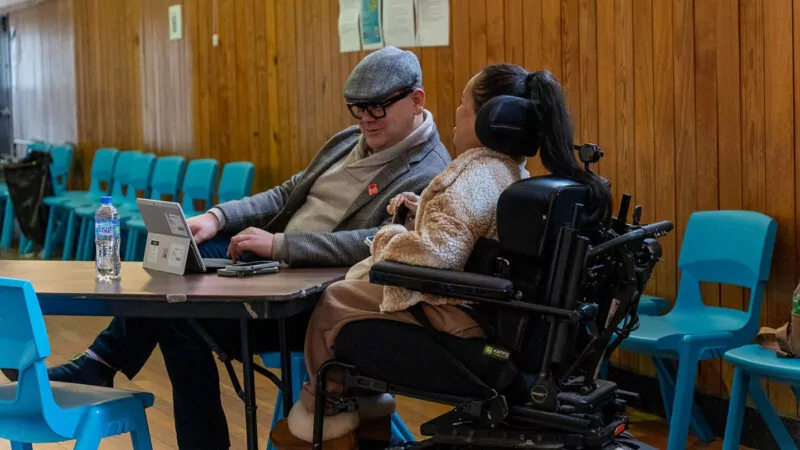
On the last day of June, Pacific people with lived experience of disability, addiction or mental health challenges, and the workforce who support them, gathered in Papatoetoe for the ‘Tiare Ruperupe 2025: Combined Regional Fono’.
Hosted by 3village1island, attendees came from across Aotearoa – from Ōtautahi, Pōneke and Napier – to connect, share and help shape a positive future for our families and communities.
Members of Le Va’s mental health and addiction team welcomed the opportunity to join the fono, which united practitioners and lived experience leaders across the mental health, addiction and disability sectors.
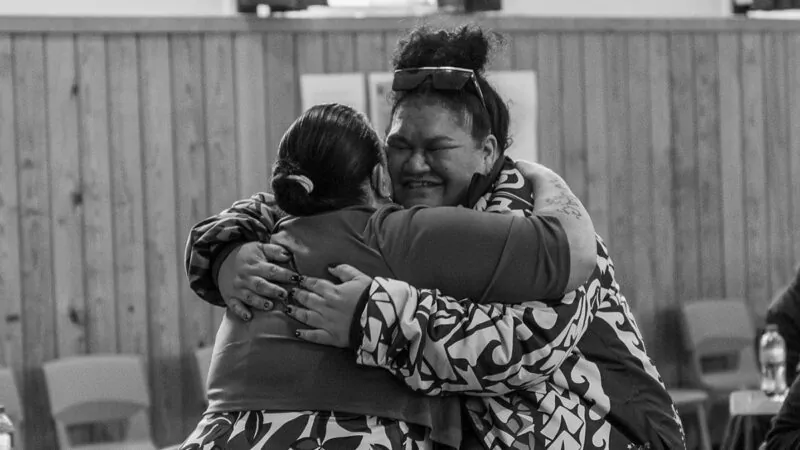
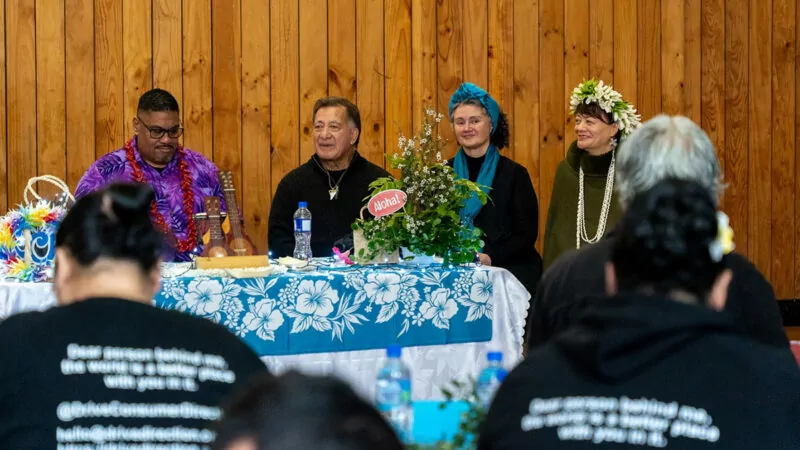
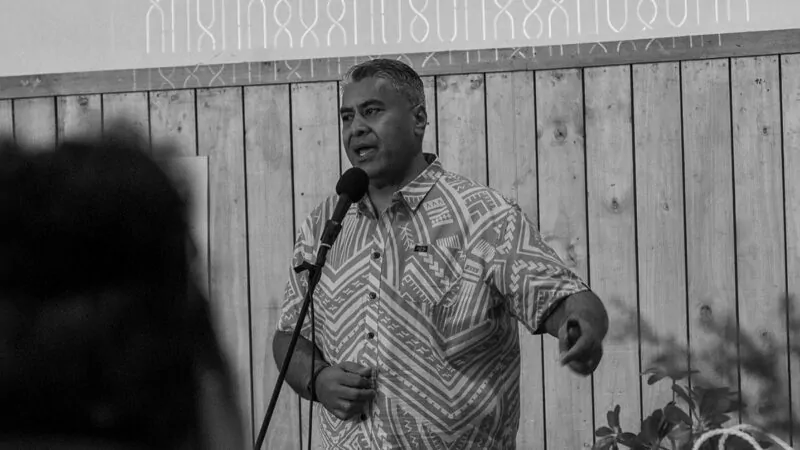
Jasmine Leota, senior project coordinator at Le Va, said, “The fono created a valuable platform for talanoa, connection and shared insight.
“We were honoured to hear from Dr Junior Ulu, Director of Pacific Health at the Ministry of Health – his contribution added significant depth to the day’s discussions.”
Our team also had the opportunity to acknowledge and celebrate the remarkable achievements of Papali’i Seiuli Johnny Siaosi (KSM), a respected leader and pioneer in the sector, recently awarded the King’s Service Medal in the 2025 King’s Birthday Honours.
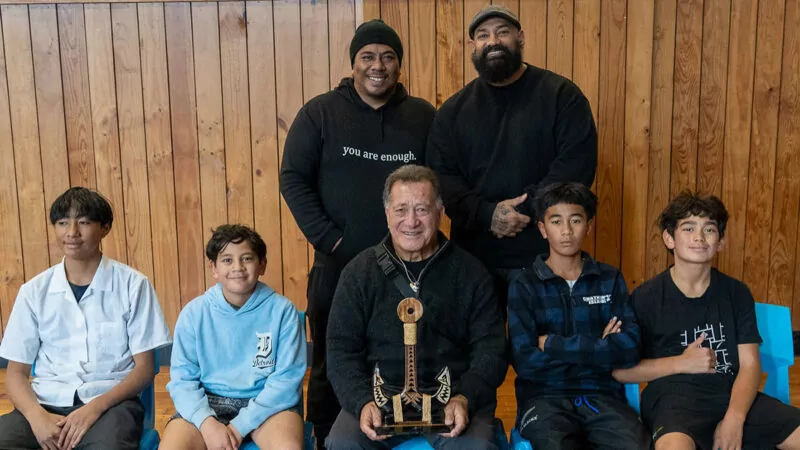
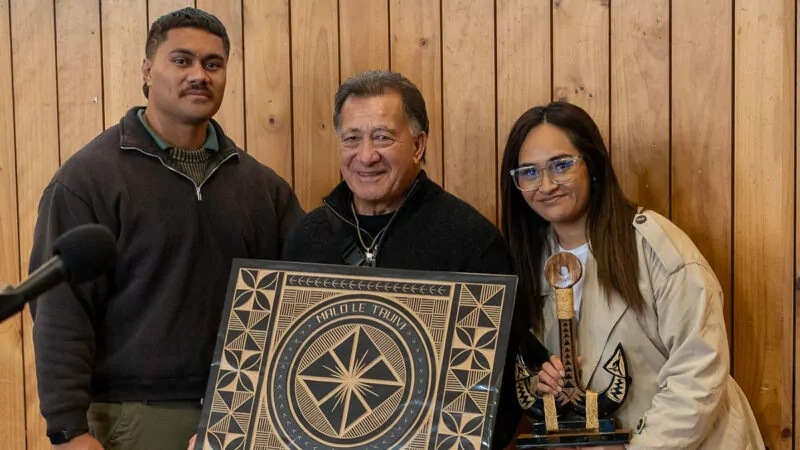
Nearly everyone at the fono had lived experience of disability, addiction or mental health challenges or had personal lived experience of supporting fanau.
The shared goal at the fono was to strengthen the Pasifika workforce through collaboration, and contribute to building a robust Pacific mental health and addiction workforce at an event that helped infuse hope, knowledge and support.
Le Va is part of the Wise Group. Copyright ©2026
